Controlling Biaxial Stenter Overfeed to Minimize Finished Fabric Washing Shrinkage
Biaxial stenter overfeed balances longitudinal pin delivery against rail divergence to lock yarn crimp and reduce finished fabric washing shrinkage below 3 percent.
Biaxial stenter overfeed balances longitudinal pin delivery against rail divergence to lock yarn crimp and reduce finished fabric washing shrinkage below 3 percent.
Crimp interchange governs how warp and weft yarns swap geometric deflection under tension, dictating fabric dimensions, tensile balance, and residual shrinkage.

Core penetration in heavy twills demands submerged nip saturation and 180-second saturated steam dwell to prevent pale ring-dyeing faults and shade rejection.

Continuous scouring and mercerization of heavy cotton demands high-temperature wetting, chilled 30 Baumé lye, positive chain tension, and core acid neutralization.
Optimize singeing with 10-12 mbar burner pressure at 100 m/min, followed by an amylase quench and 95°C washing to achieve Tegewa 8+ desizing on cotton twill.
Dynamic marine container heat cycles drive cyclic moisture sorption and permanent hygrothermal creep in wound textiles, requiring foil barriers and sized desiccants.
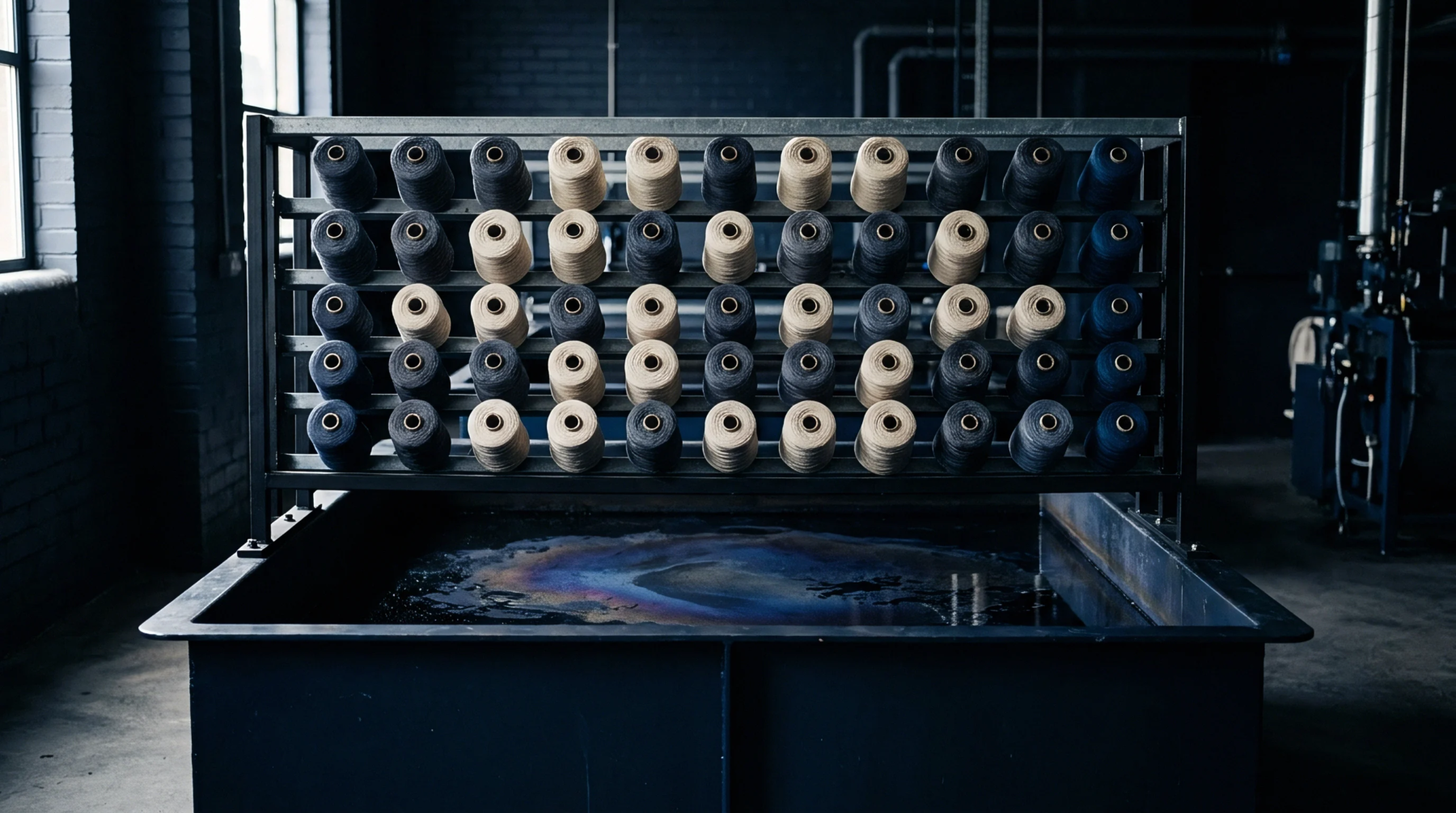
Laundering shrinkage disputes are resolved by measuring thread count shifts against fully relaxed state benchmarks to isolate mill draft from wash effects.

Mechanical compaction combined with relaxed drying controls residual textile shrinkage within commercial three percent tolerances across repeated launderings.

Non-linear sorption hysteresis alters union fabric weight and crimp dimensions, requiring preconditioning protocols to prevent false testing results.
Invoiced commercial mass equals total oven-dry fibre weight multiplied by one hundred plus standard regain and finish allowance percentages, divided by one hundred.

Standard atmospheric conditioning at 20°C and 65% RH fixes fabric moisture regain to eliminate testing errors and secure accurate commercial weight settlement.
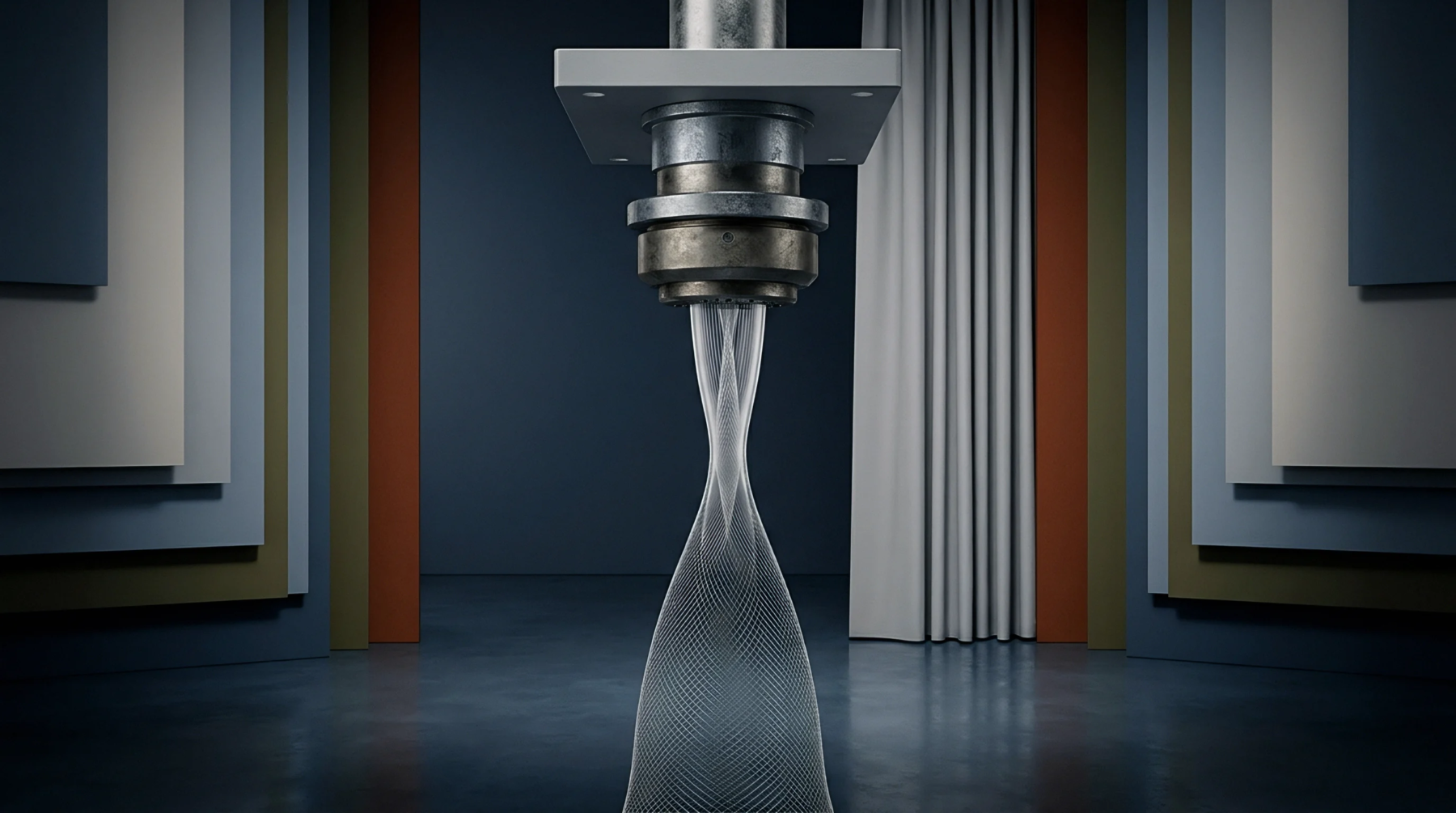
Quantifying latent stress demands decoupling draw tension from thermal dwell through staged zero-load relaxation tests across every subcontract transition.

Standardizing digital reflectance matrices demands locking aperture diameters, port glass usage, sample orientation, and UV profiles across all participating mills.
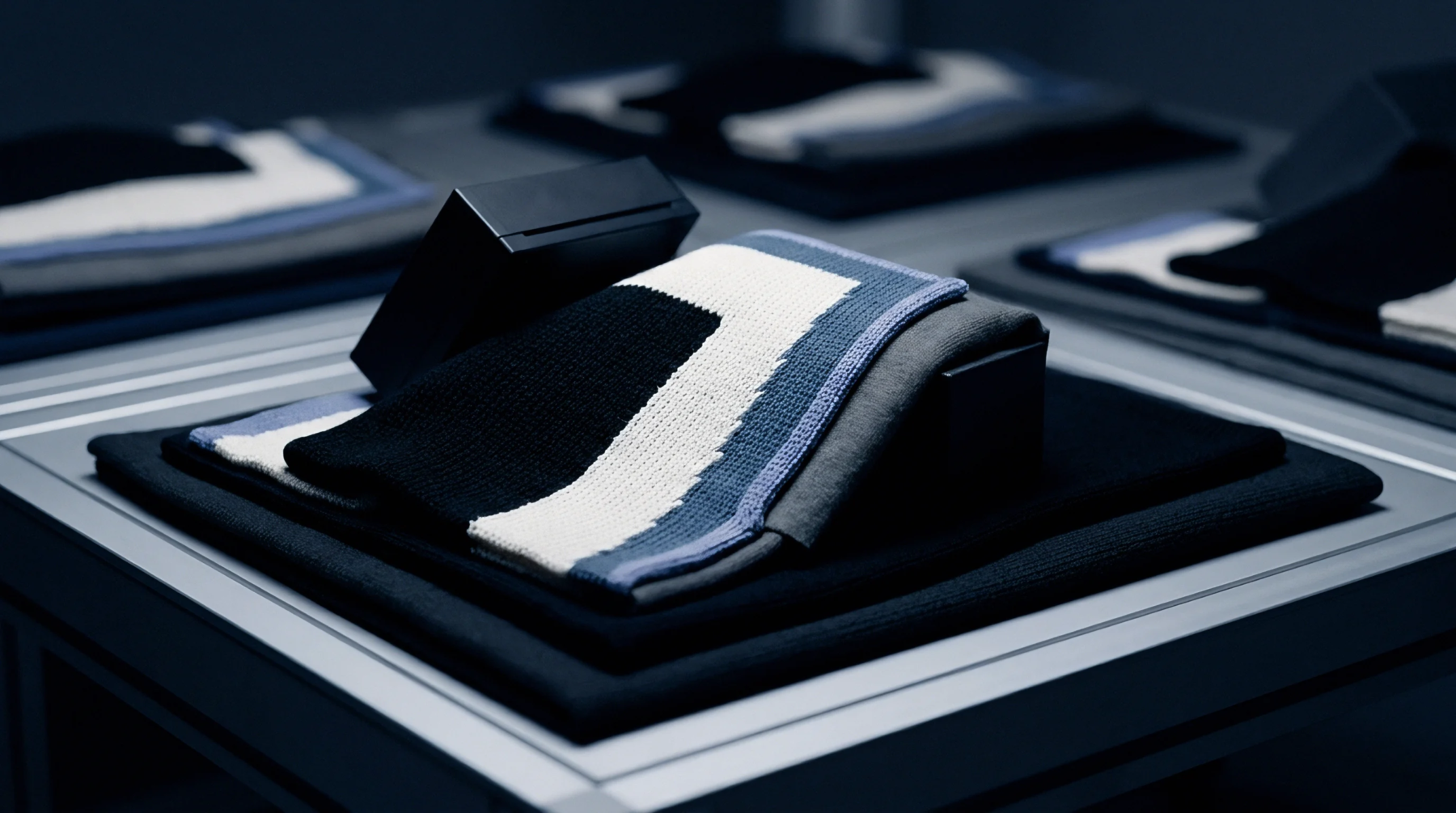
Managing yarn twist equilibrium requires steam autoclaving lively packages or alternating S/Z feeds to eliminate loop skew and cutting waste in single jersey fabric.
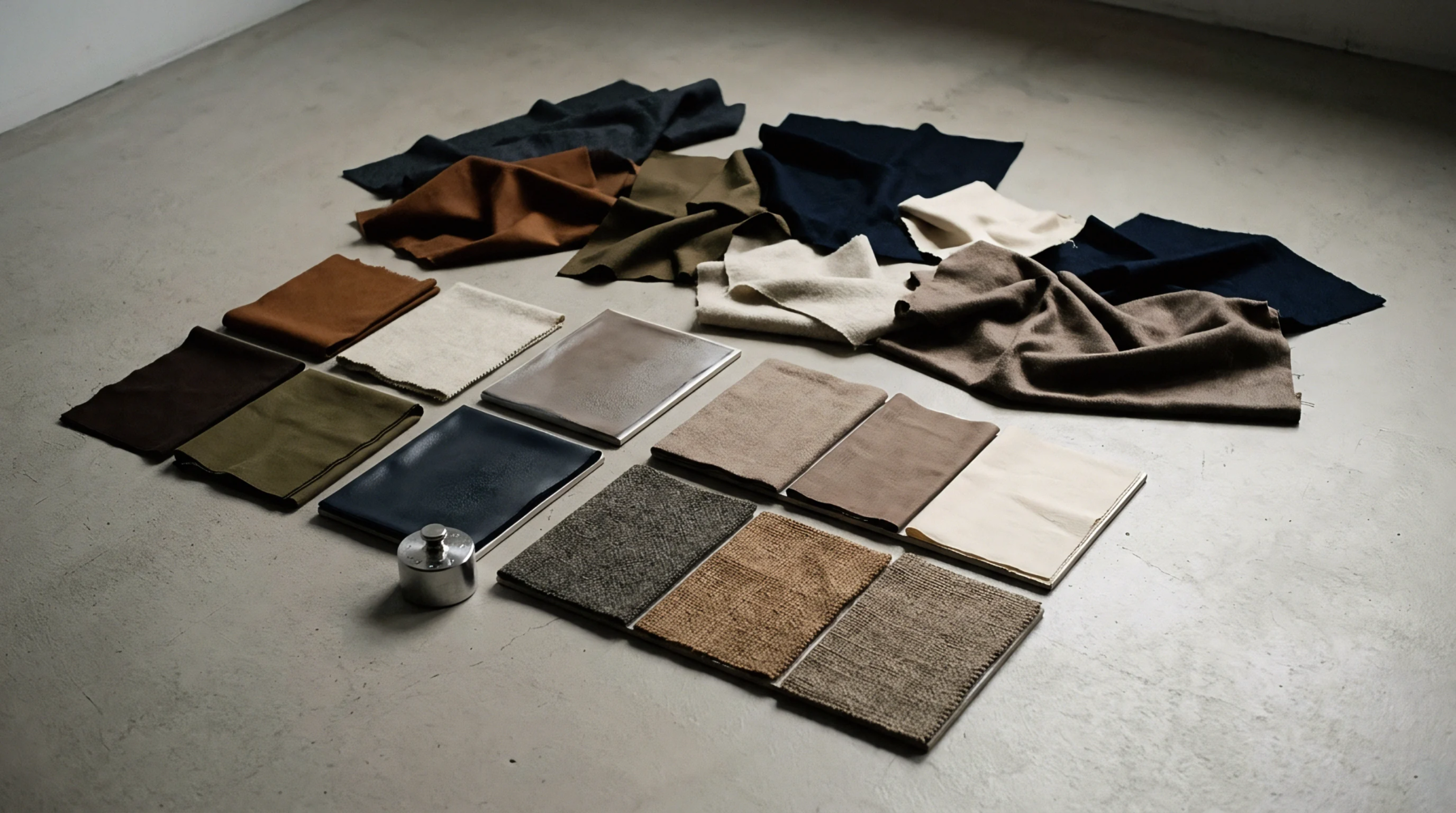
Substrate texture and chemical finishes alter boundary layer reflectance, causing severe multi-illuminant color distortions that mimic true dye metamerism.
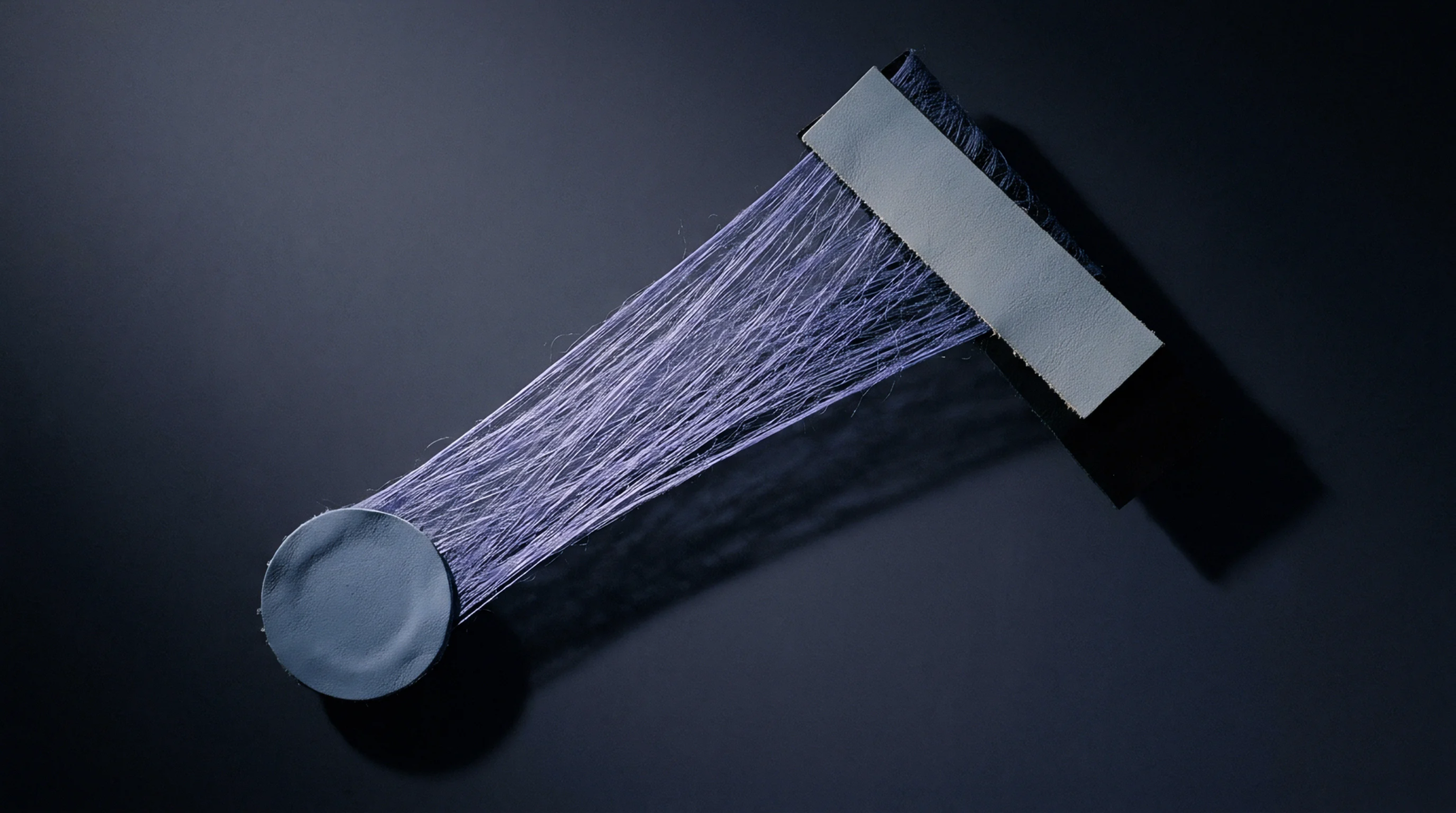
Secondary metamerism under store fluorescents is controlled by constraining dye reflectance crossover spikes to keep the index below 0.5 Delta E.
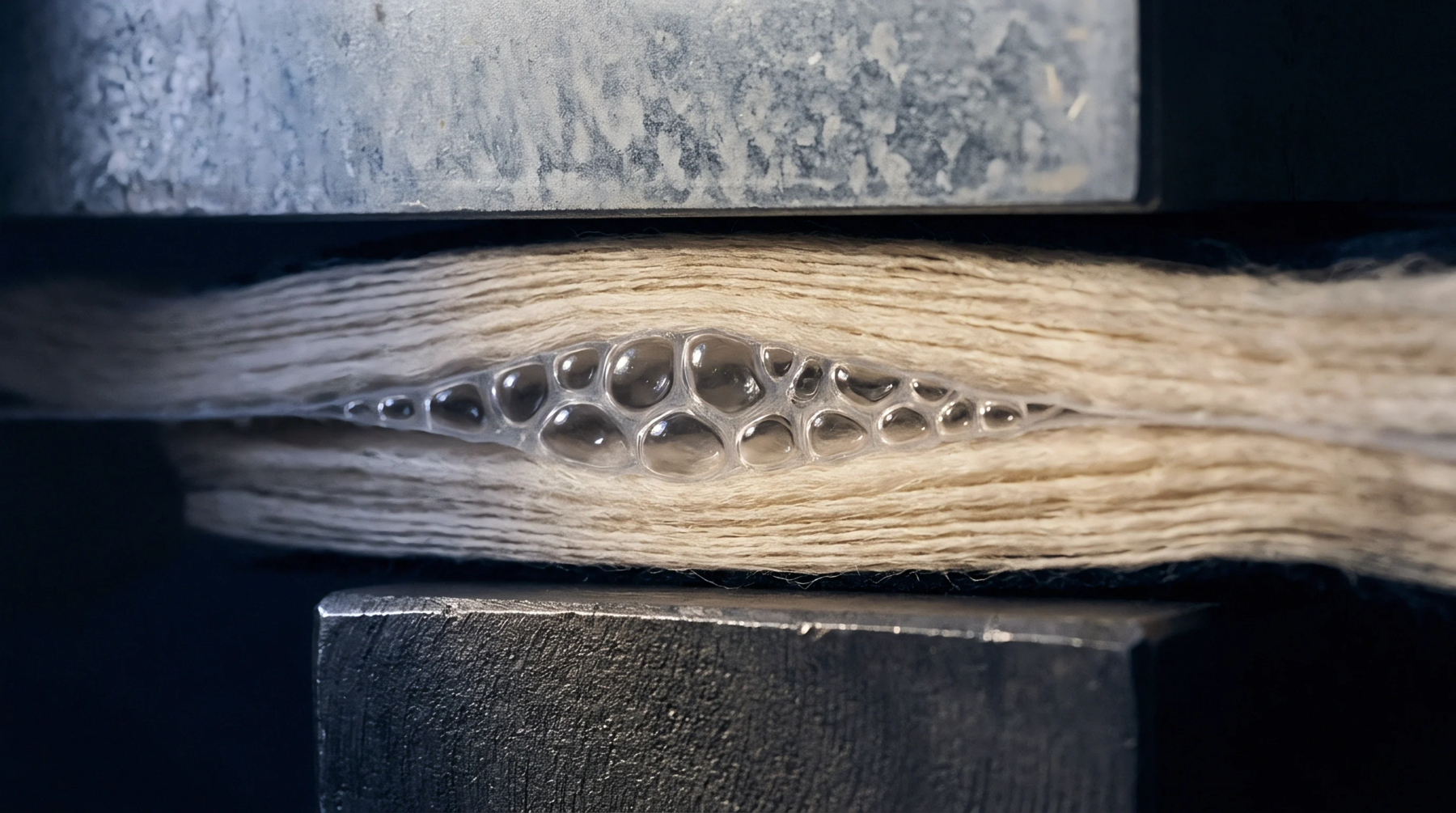
Dynamic contact angle shifts above 90 degrees halt spontaneous wetting during high-speed padding, demanding controlled capillary pressure jumps to prevent void formation.
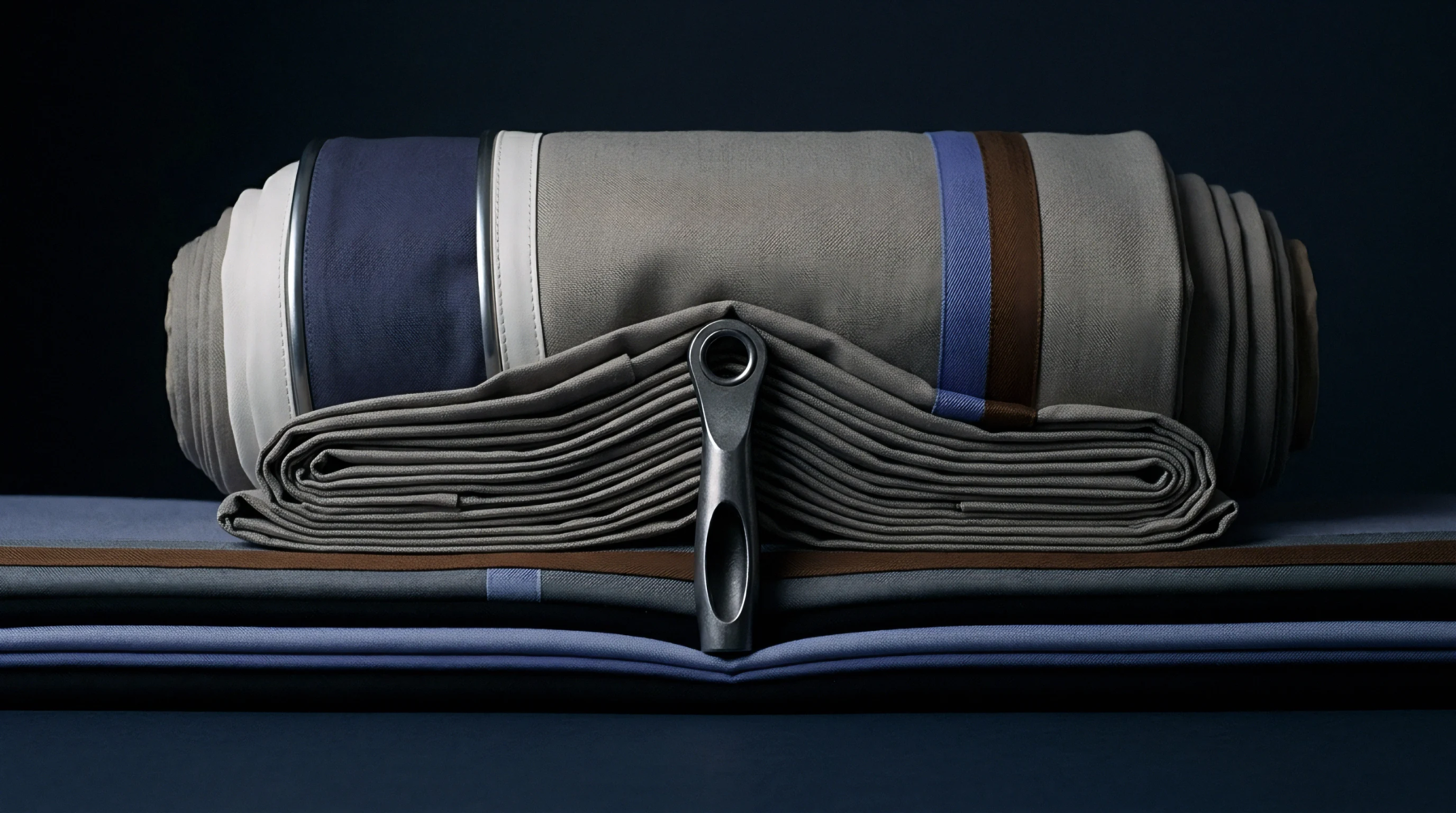
Spectrophotometric tolerancing under primary illuminant D65 requires strict UV calibration, diffuse geometry, and CIEDE2000 metrics to ensure batch acceptability.
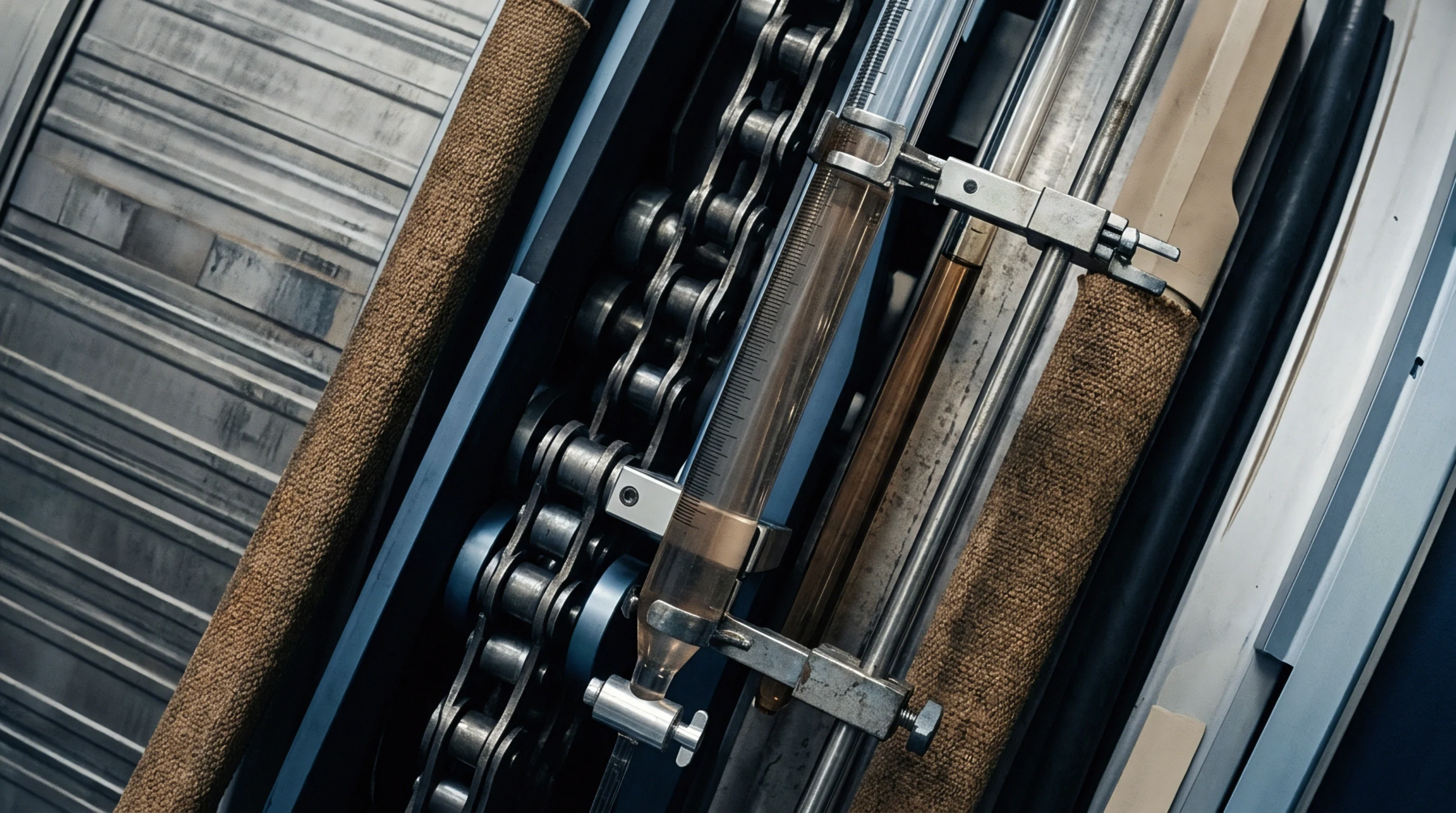
Positive overfeed jams yarn crossover nodes, collapsing transverse permeability and halting fluid exchange, which causes unpenetrated cores and rub failures.
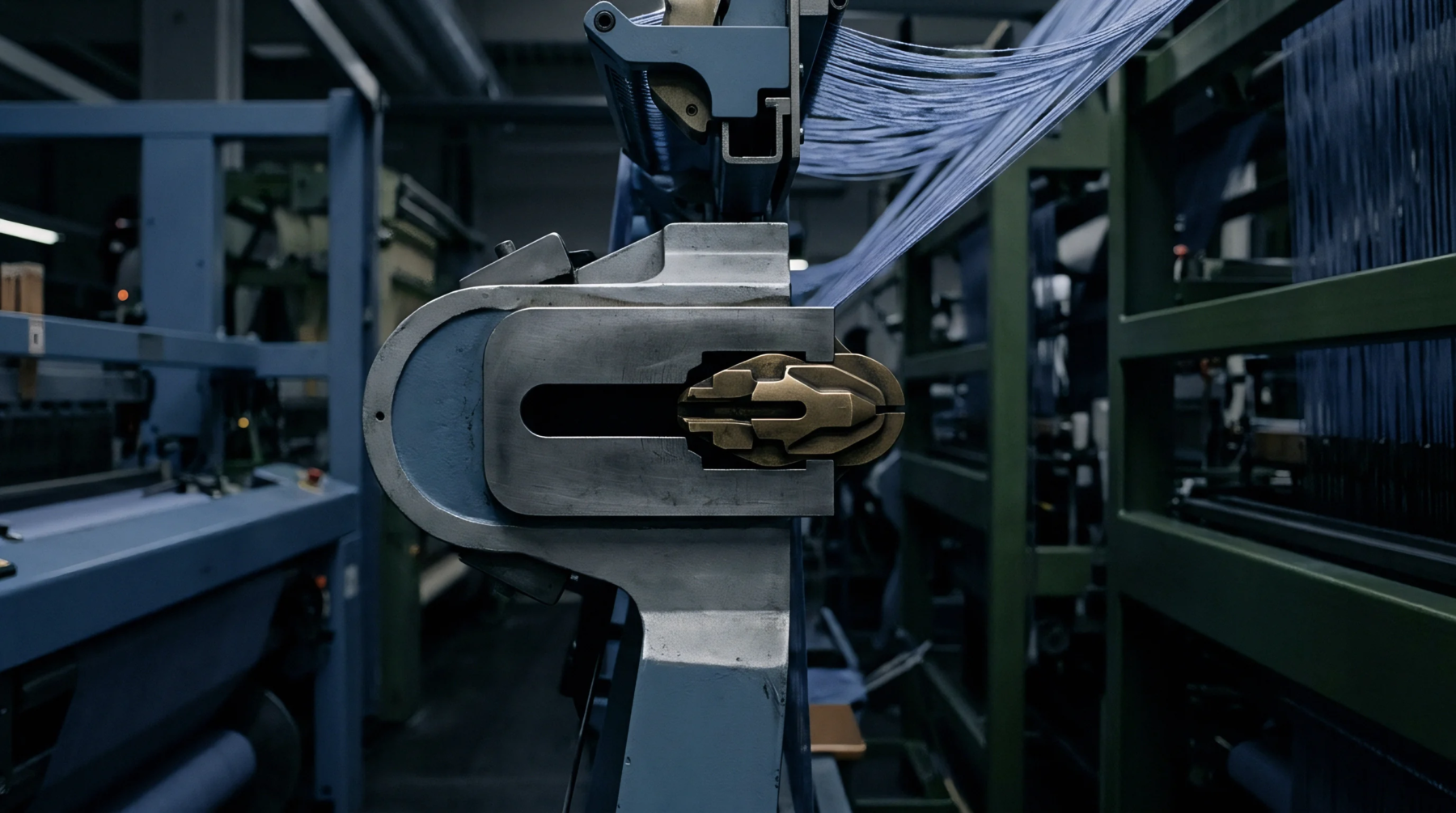
Warp tension straightens load-bearing ends, deepens weft crimp, and flattens yarn cross-sections, compressing pore apertures and slashing air permeability.

Predict multiaxial fabric contraction by combining off-loom crimp relaxation, caustic swelling, and stenter stretch to optimize air-jet profile reed width.

Calculate loom reed width by dividing target finished width by wet contraction loss, then multiplying by the weft crimp factor.

Dynamic sley twist on wide air jet looms attenuates center beat-up force, causing pick spacing variations that require dual let-off and rigid sley shafts.
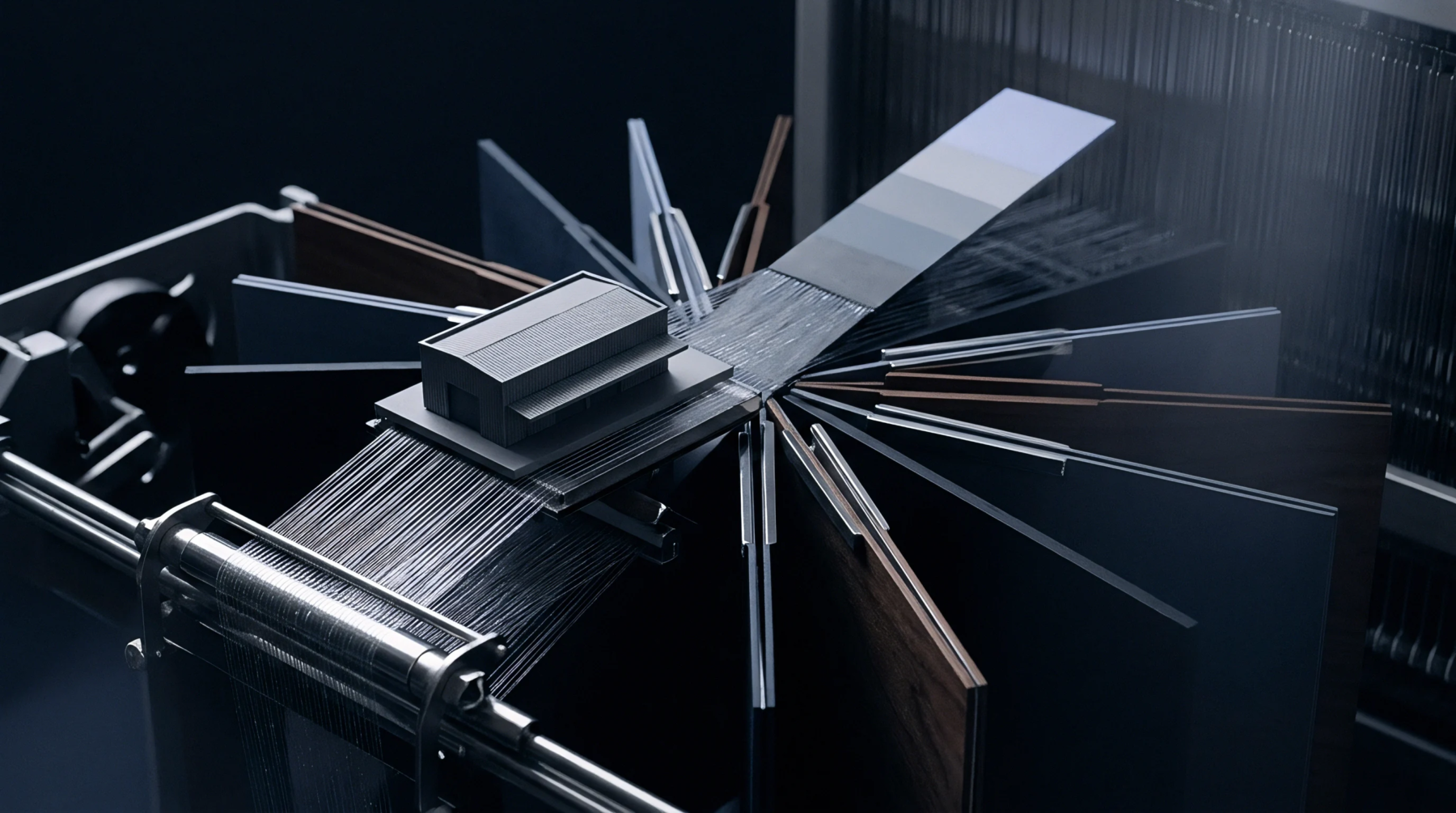
Tune conjugate cam dwell and synchronize active backrest movement to suppress peak beatup tension below sixty percent of warp filament elastic limit.

Warp cover factor calculations require correcting direct yarn counts for polymer density and cross-sectional flattening to predict barrier performance accurately.
Micro cavitation in recirculating printheads erodes channel passivation via cyclic shockwaves, causing drop deflection, wash fastness drops, and array failure.
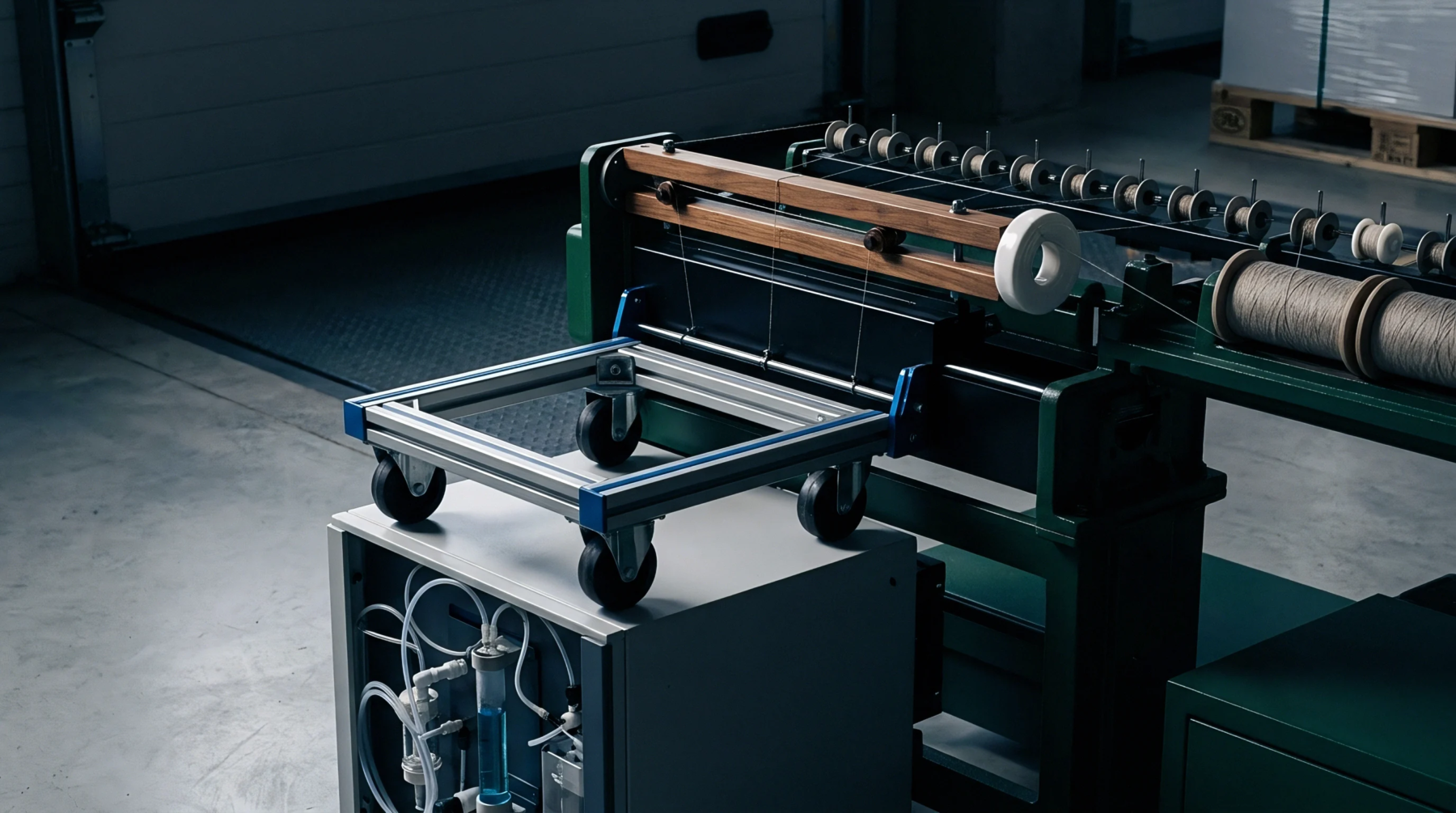
Single pass contracts separate printhead maintenance purge chemistry from base yardage rates through real time flow telemetry and agreed spit latency baselines.

Actuator ferroelectric fatigue and cavitation erosion degrade drop velocity, causing web banding that mandates scheduled printhead array replacement.
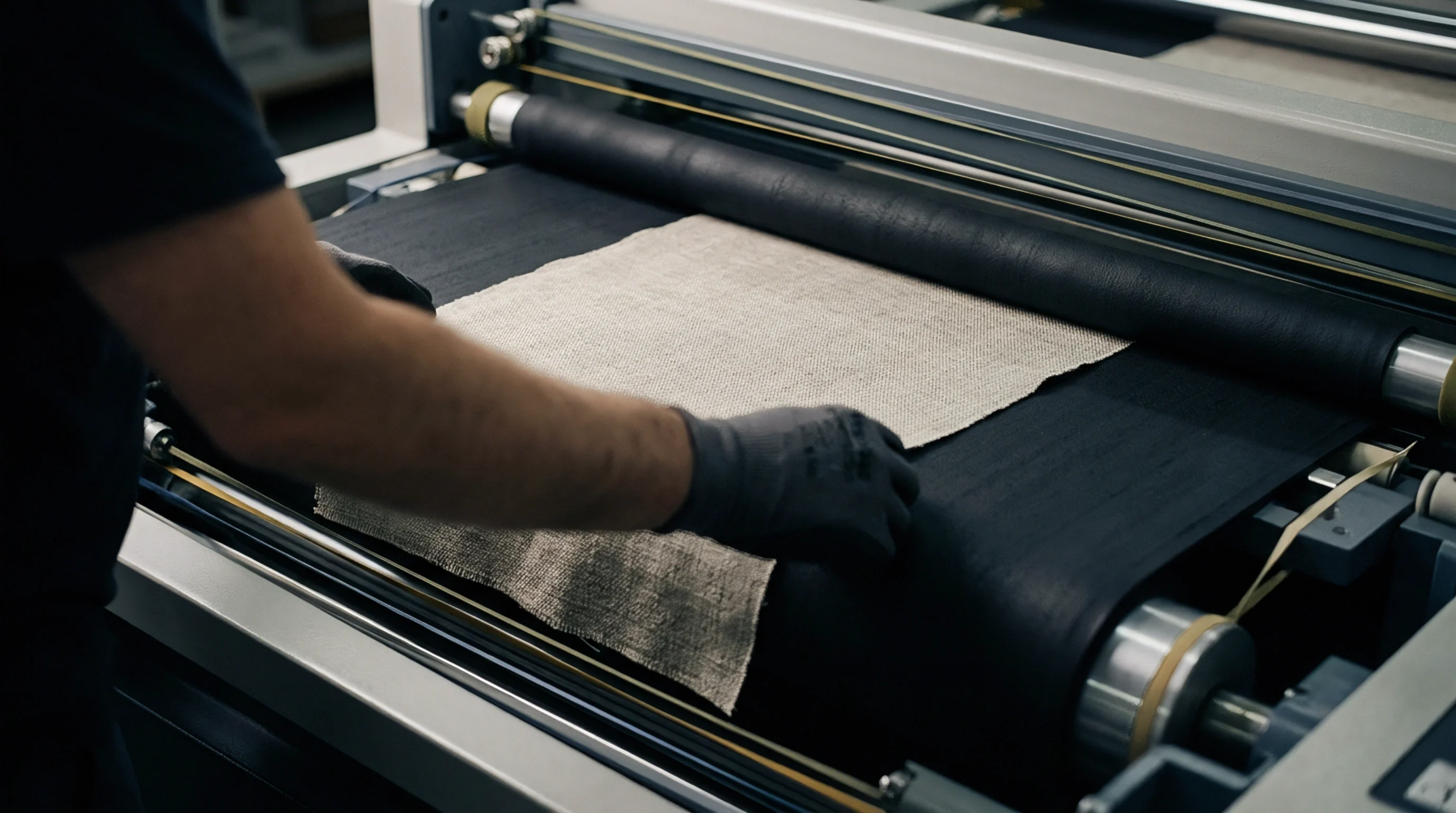
Digital single pass printing delivers lower unit costs below three thousand metres while rotary screens dominate higher volumes through cheap paste chemistry.
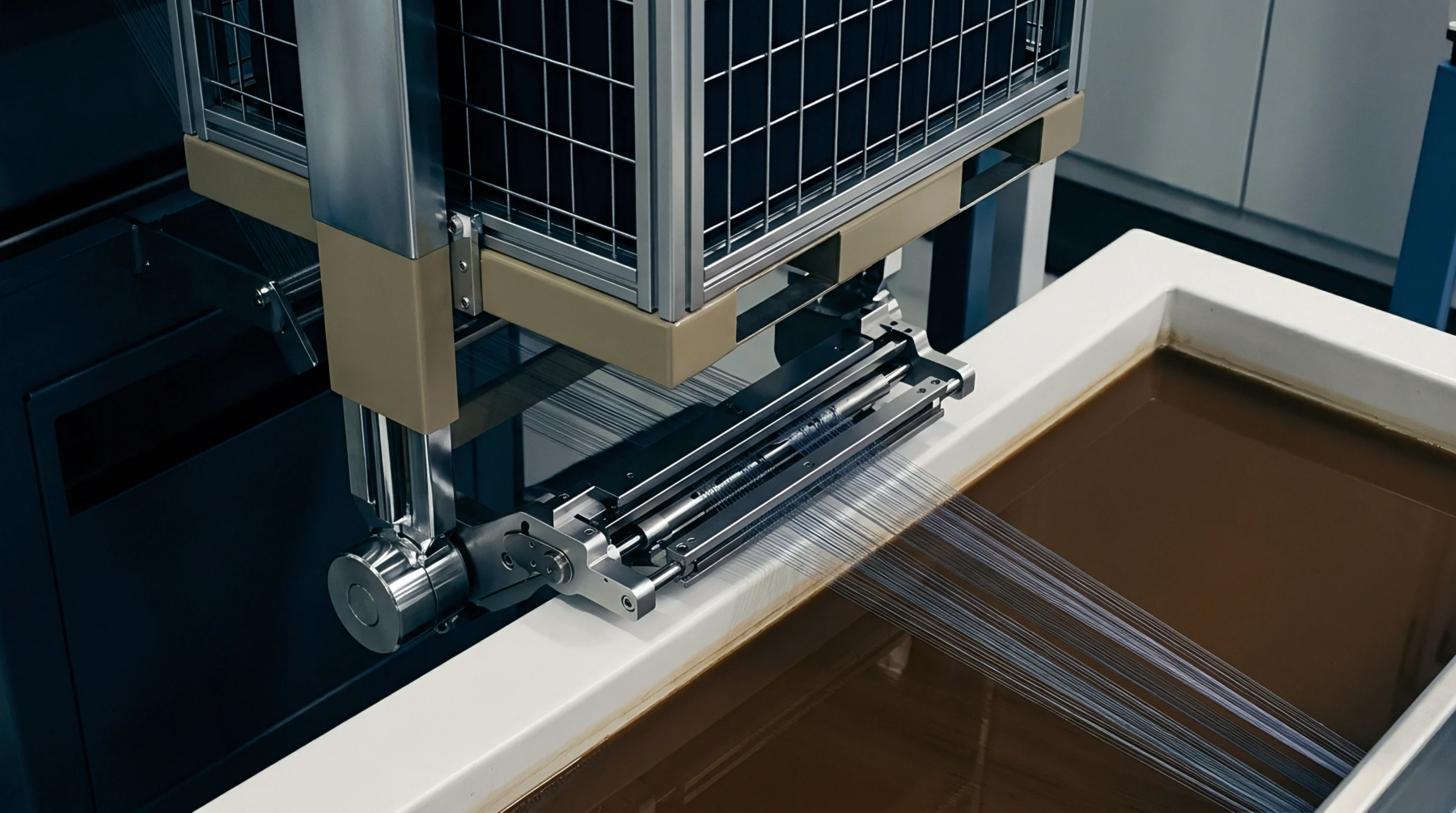
Continuous dyeing eclipses exhaust jet processing on direct manufacturing cost once run lengths surpass 3,200 finished metres for mid-weight woven twills.
Expertise is a utility, not a secret. sentiention™ publishes its working knowledge as open reference: intelligence layer covering the materials it sources, the markets it enters, and the reference that serves both.