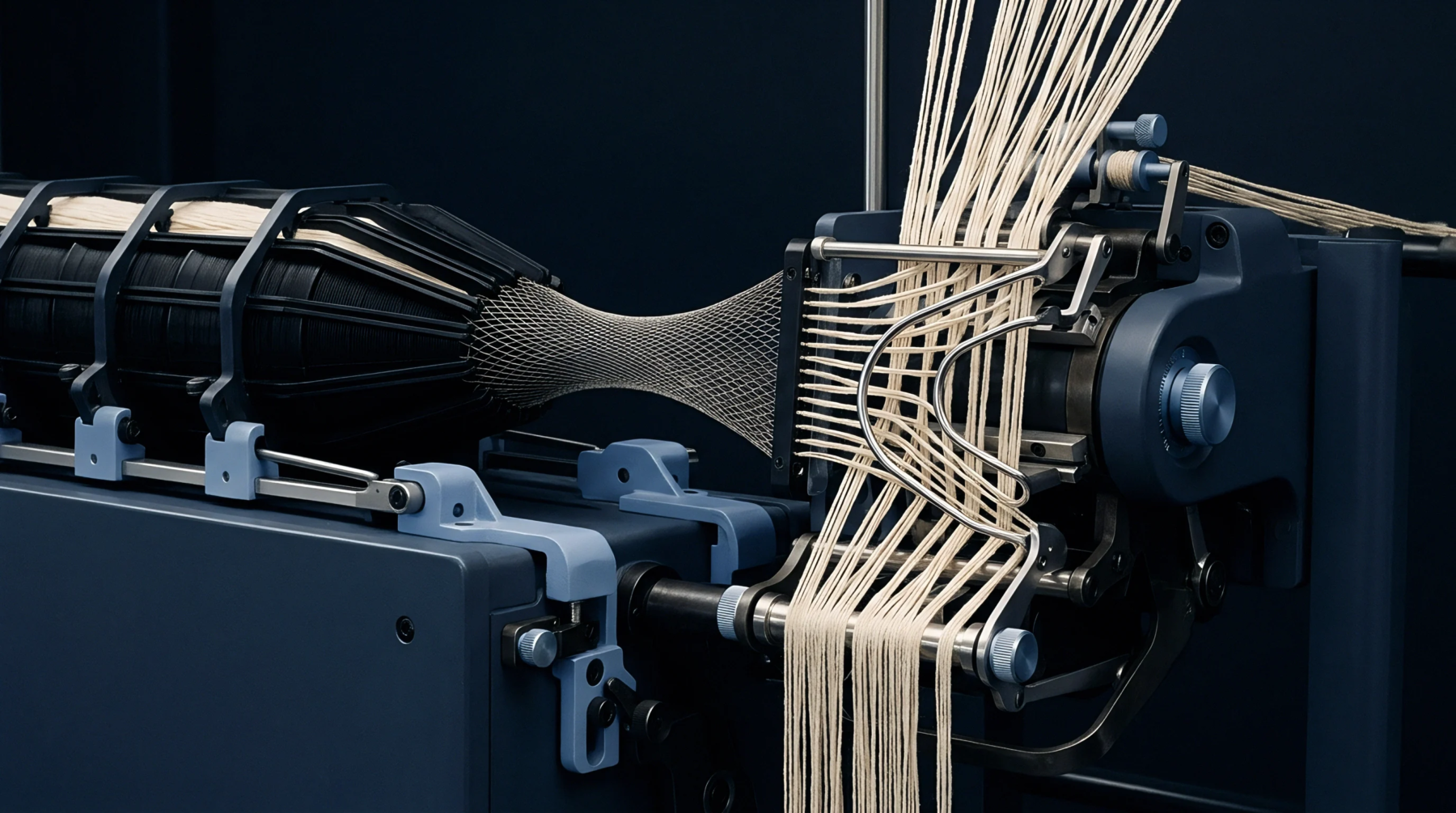
Integrating Slashing Stretch and Crimp in Warp Yarn Consignment Calculations
Consignment warp calculations offset sizing elongation against loom crimp to reconcile true yarn mass delivered against finished woven yardage.
Consignment warp calculations offset sizing elongation against loom crimp to reconcile true yarn mass delivered against finished woven yardage.
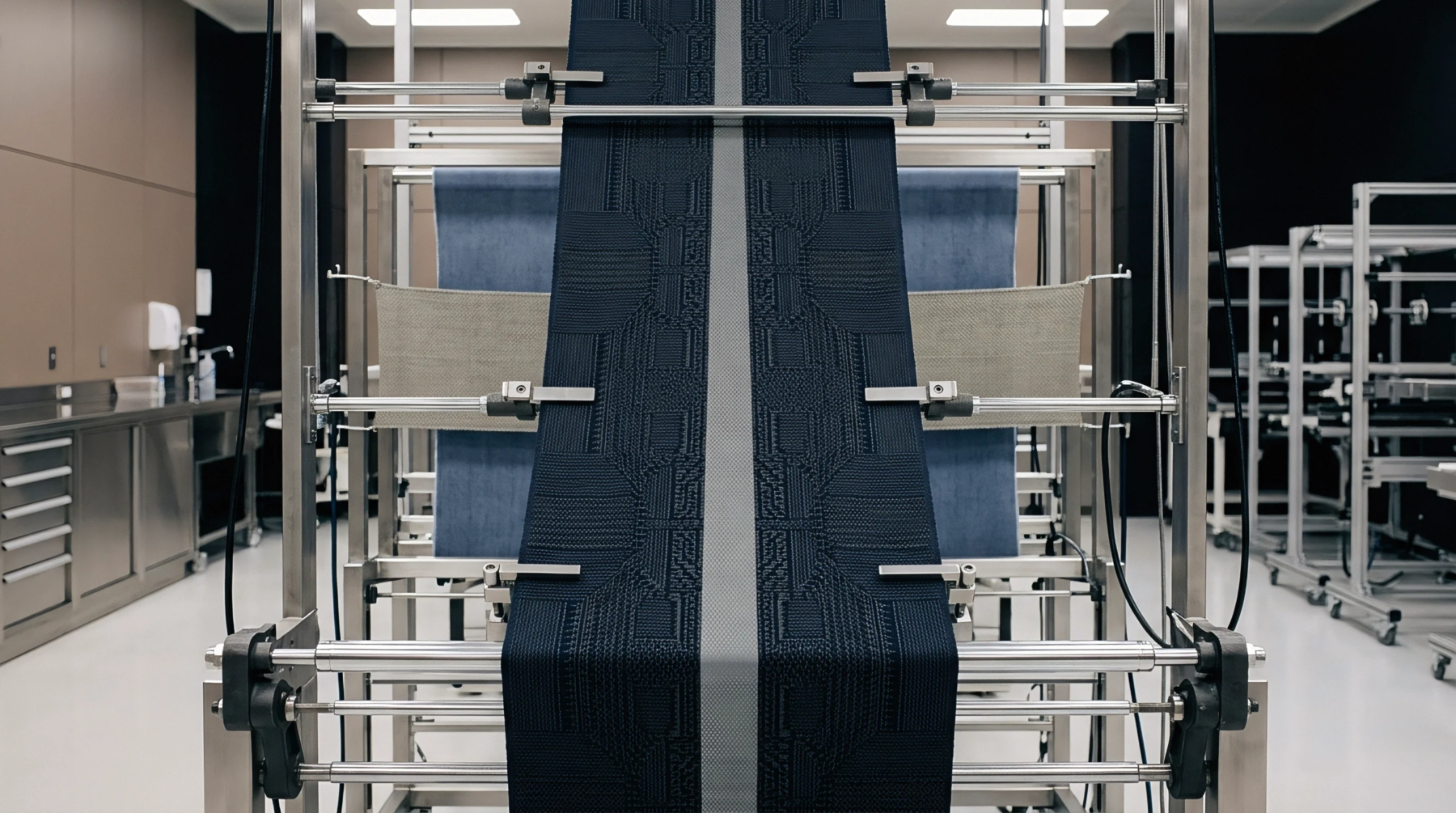
Greige warp crimp measures unbent yarn extension over cloth length, dictating loom take-up ratios, beam warping lengths, and yarn consumption across loom runs.
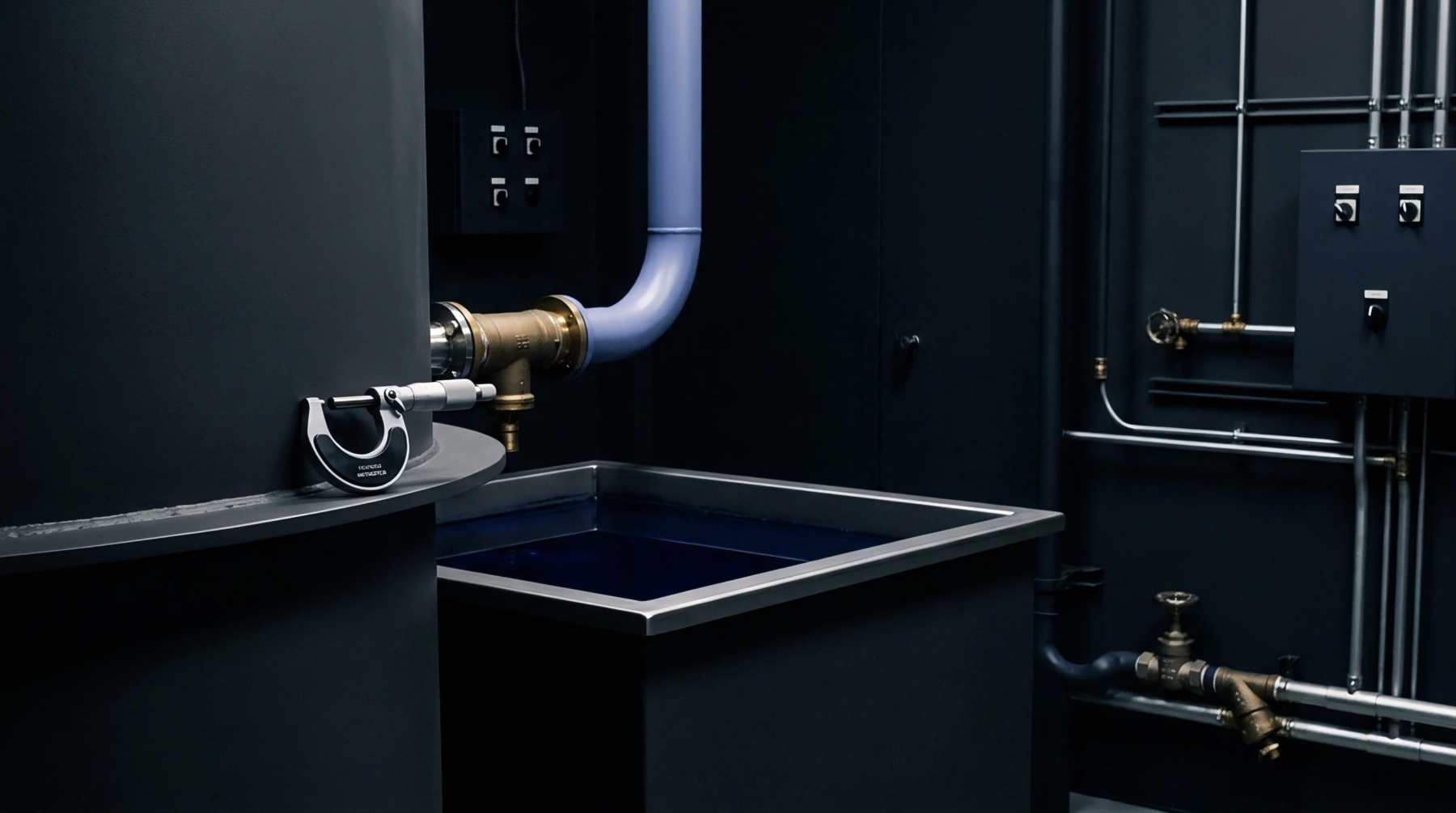
Matching jet vessel hydraulic pressure to thermal loop relaxation rates prevents stitch distortion and controls dimensional shrinkage in knitted bulk runs.
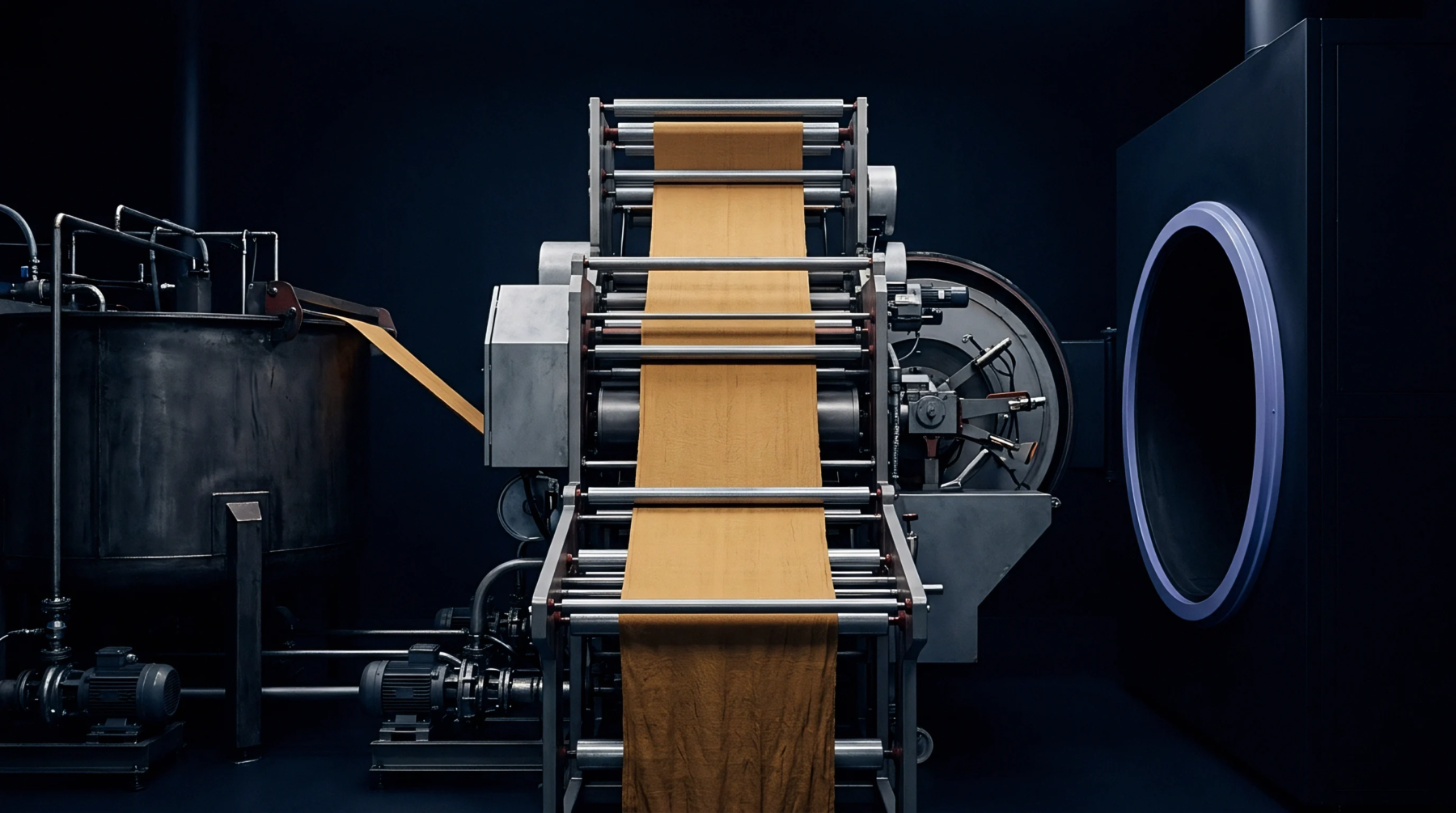
Target a tightness factor between 14.5 and 15.0 with calibrated stitch length to lock loop geometry against torsional twist liveliness during wet laundering.
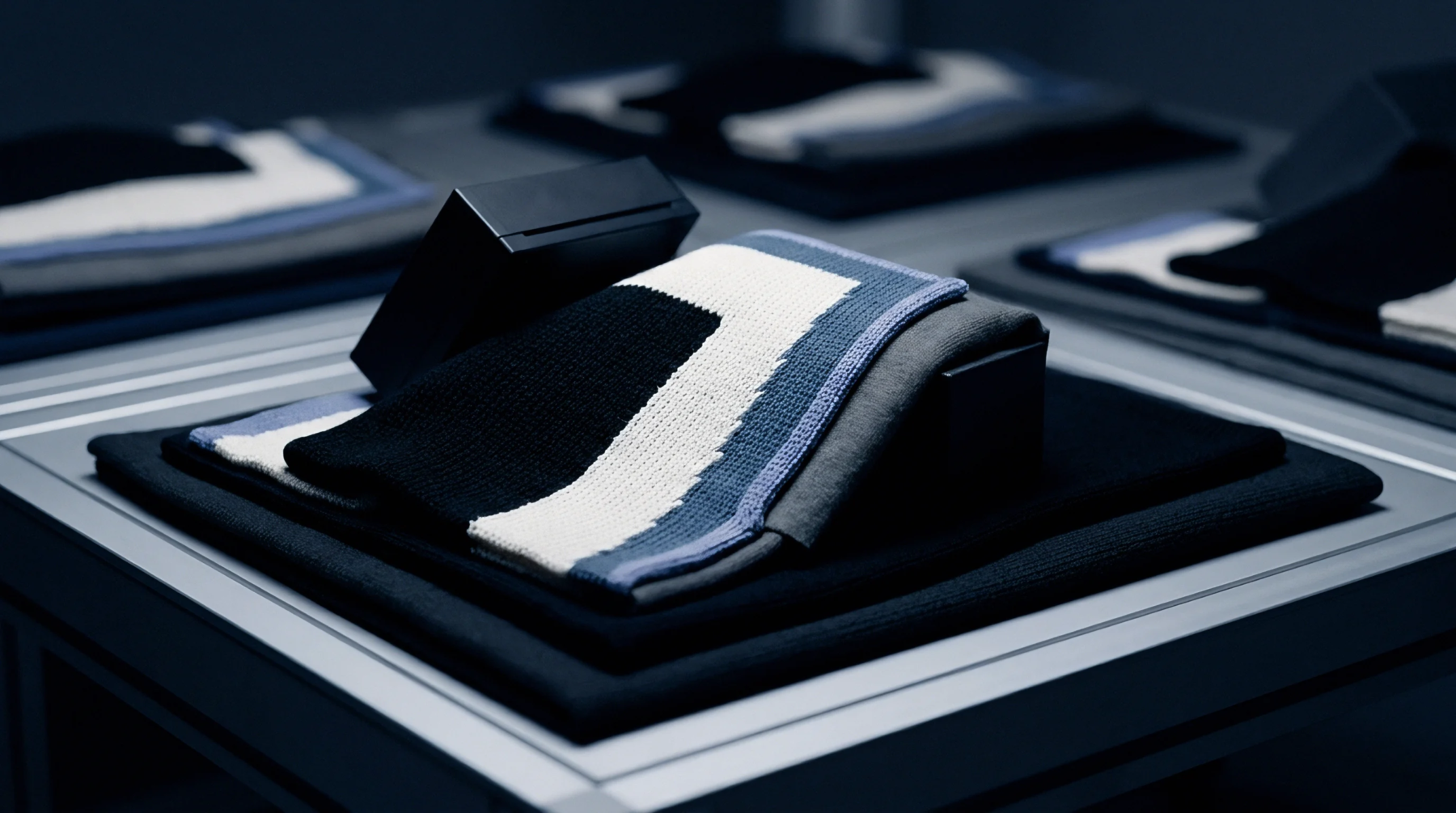
Select knitting machine gauge to maintain a cotton single jersey tightness factor between 1.35 and 1.50 tex^0.5/mm to prevent laundering shrinkage and spirality.

Invoice continuous dyeing yardage strictly on oven-dry mass plus standard commercial regain to prevent paying for ambient moisture variances and chemical loading.

Reconciling desizing drop against yield separates chemical weight loss from warp crimp contraction by measuring finished picks against conditioned mass balance.

Effective size removal hinges on matching polymer cleavage chemistry with water temperature above film solubility thresholds before counter-current extraction.
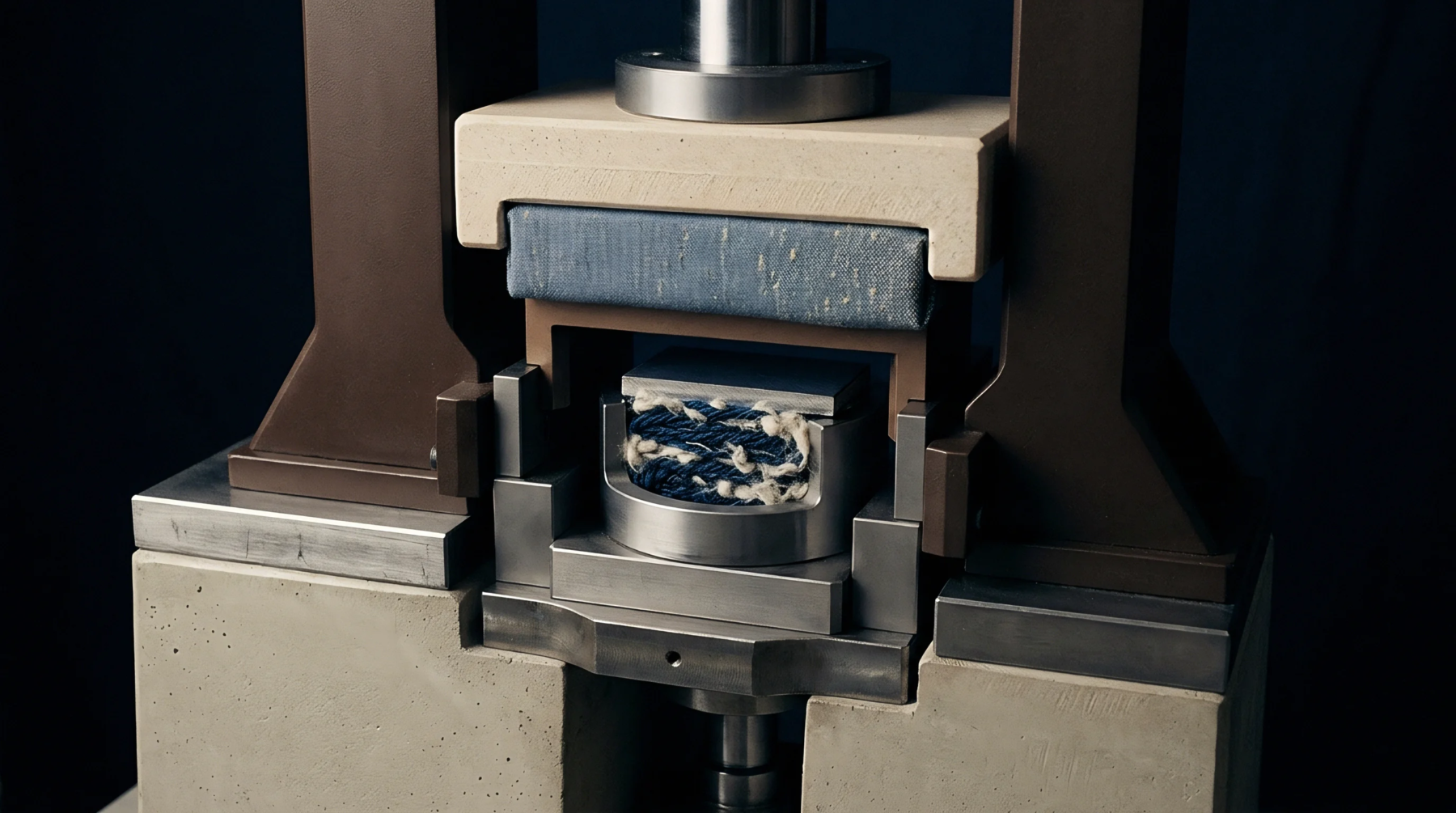
Dynamic wet pickup in elastomeric twills drops non-linearly at speed as structural air entrapment and visco-elastic recovery override static capillary absorption.

Asymmetrical twill float distribution creates directional fluid channels where warp-face float geometry delays boundary breakdown while reverse void volume accelerates lateral wicking.

Standardizing pad bowl pressure on heavy cotton twills controls wet pickup uniformity, eliminates side-center-side shade variation, and cuts stenter drying costs.
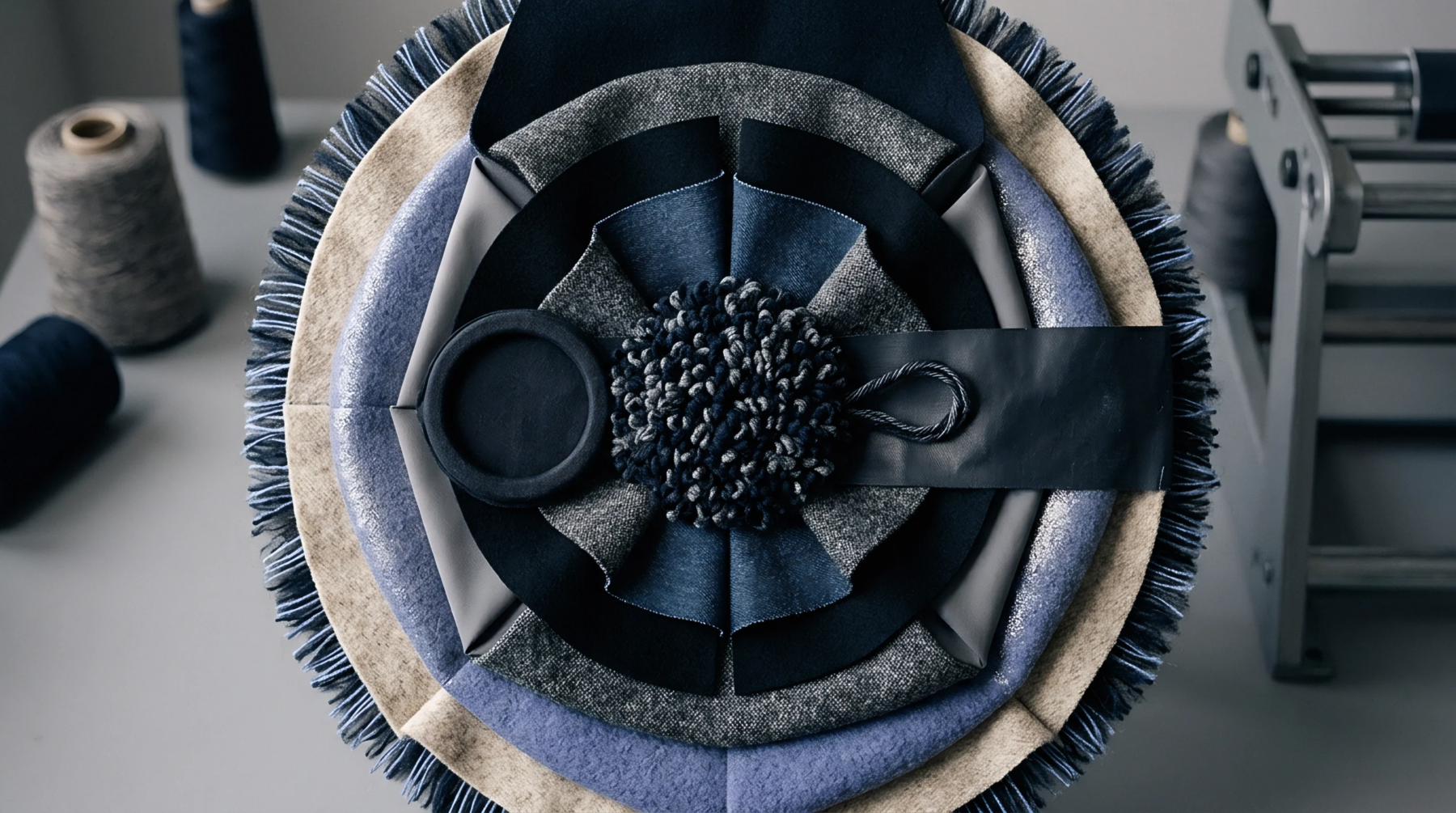
Multi-illuminant spectrophotometry prevents yarn-dyed metameric mismatch when CIEDE2000 parametric limits remain under zero point five across light sources.
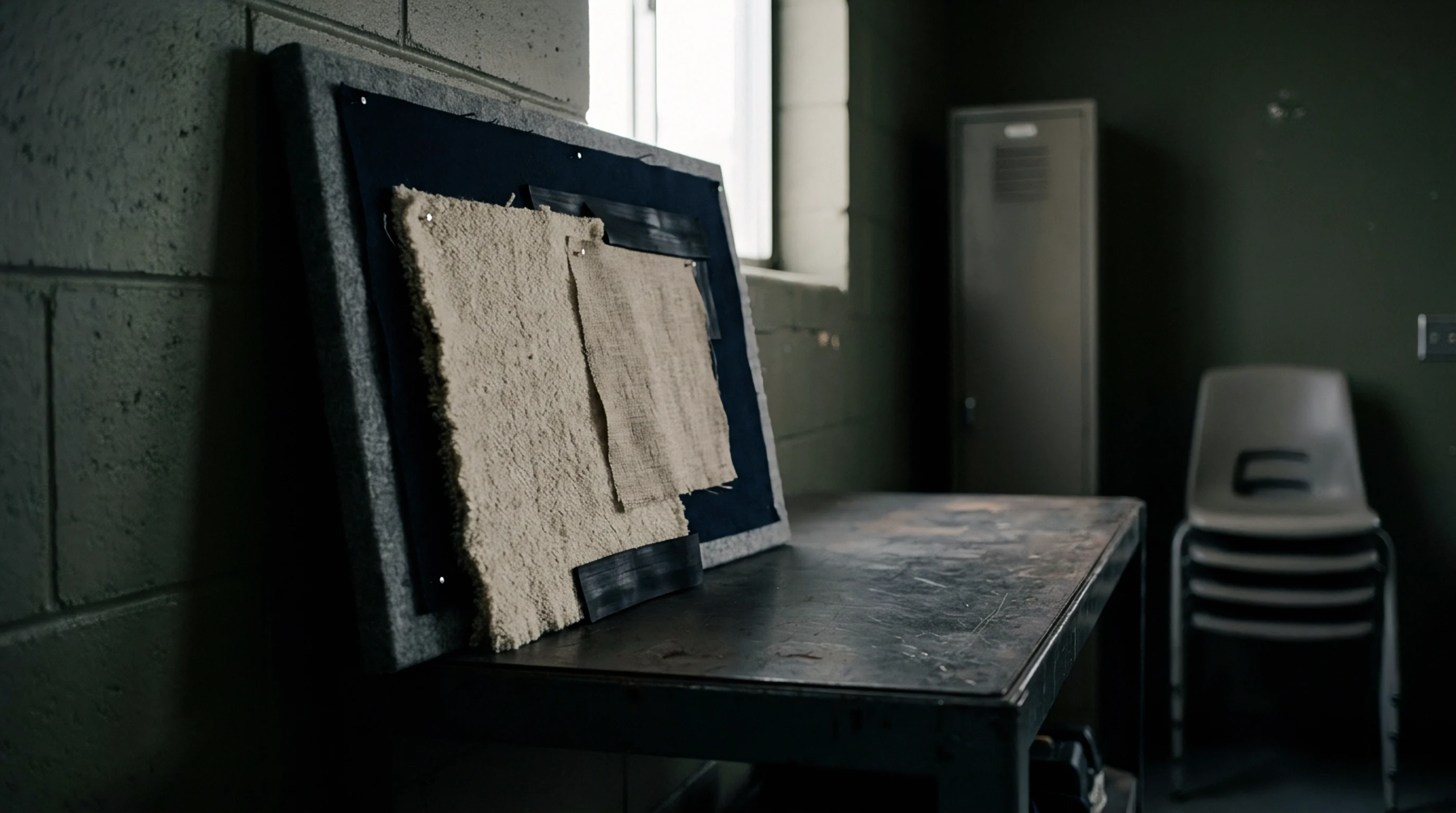
Calibrate CIEDE2000 parametric weighting to 2:1:1 with d:8 SPIN rotational averaging to isolate true dye shifts from textured surface shadowing on woven goods.
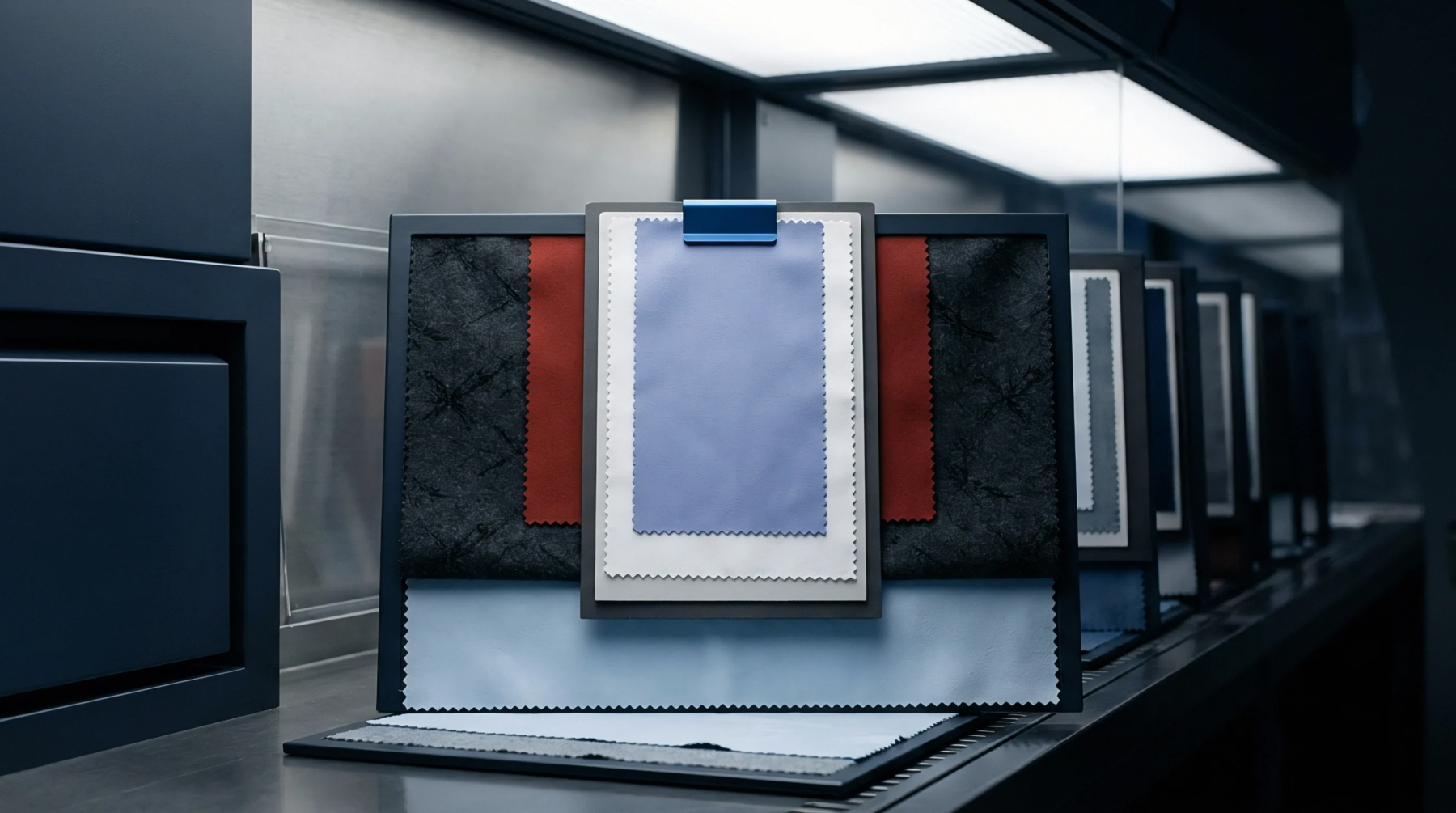
CIEDE2000 (ISO 105-J03) with kL:kC:kH at 2:1:1 provides the most accurate textile batch pass-fail decisions by correcting CIELAB non-uniformity and surface scatter.
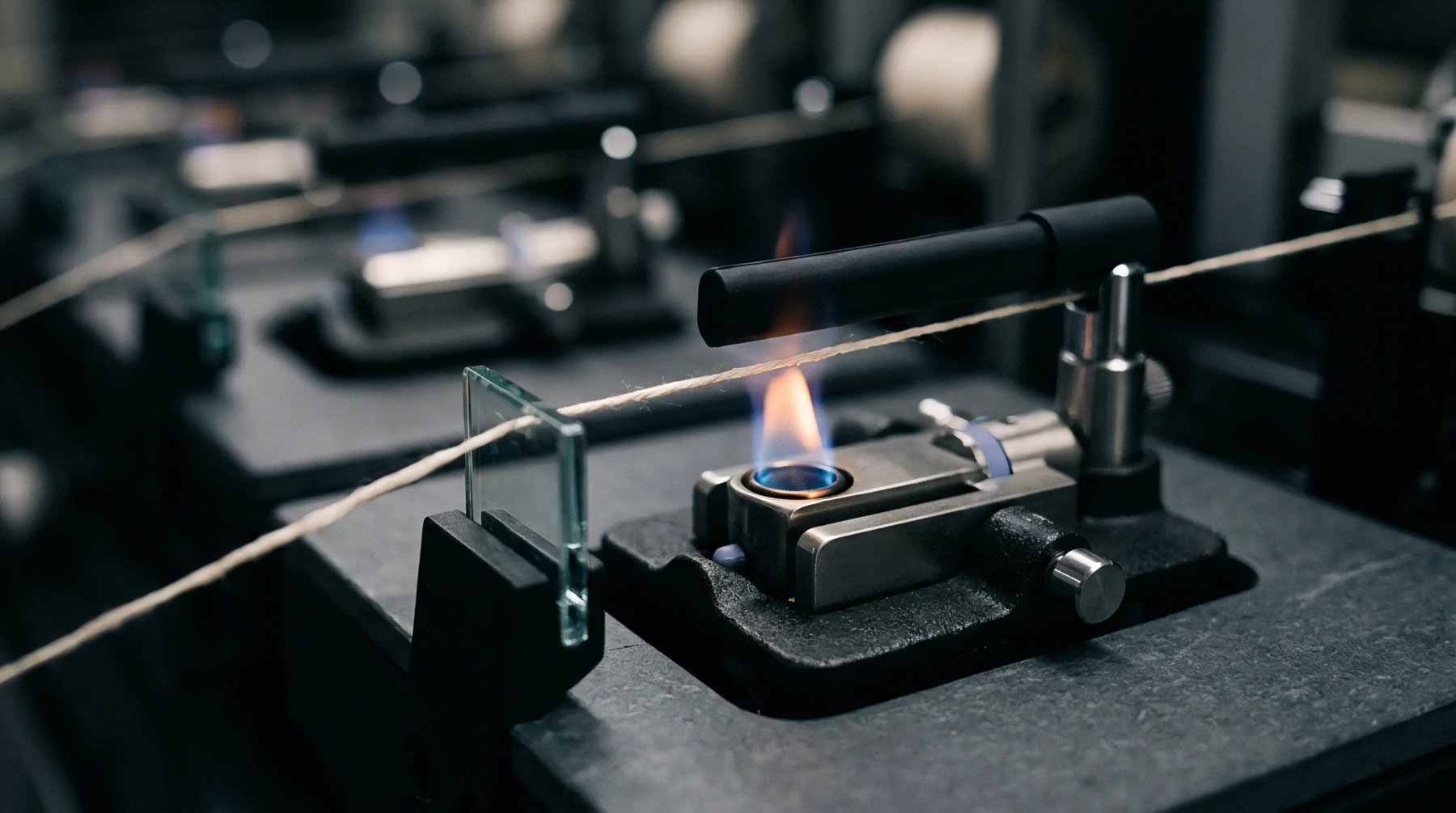
Spectrophotometer UV cutoff variations and port thermochromism cause up to 1.2 DE2000 inter-lab divergence, demanding strict ISO 105-J02 calibration standards.

Digital textile standards require specular-included d/8 geometry, UV energy calibration, and matrix transformation to hold inter-instrument drift under 0.15 DE.

Standardized calibration aligns optical geometry, zero-trap absorption, and diagnostic ceramic tiles across instruments to guarantee digital shade tolerances.

Dynamic airflow throttling and exit pyrometry prevent severe crosslink density spikes and catastrophic tear loss during stenter speed transitions.
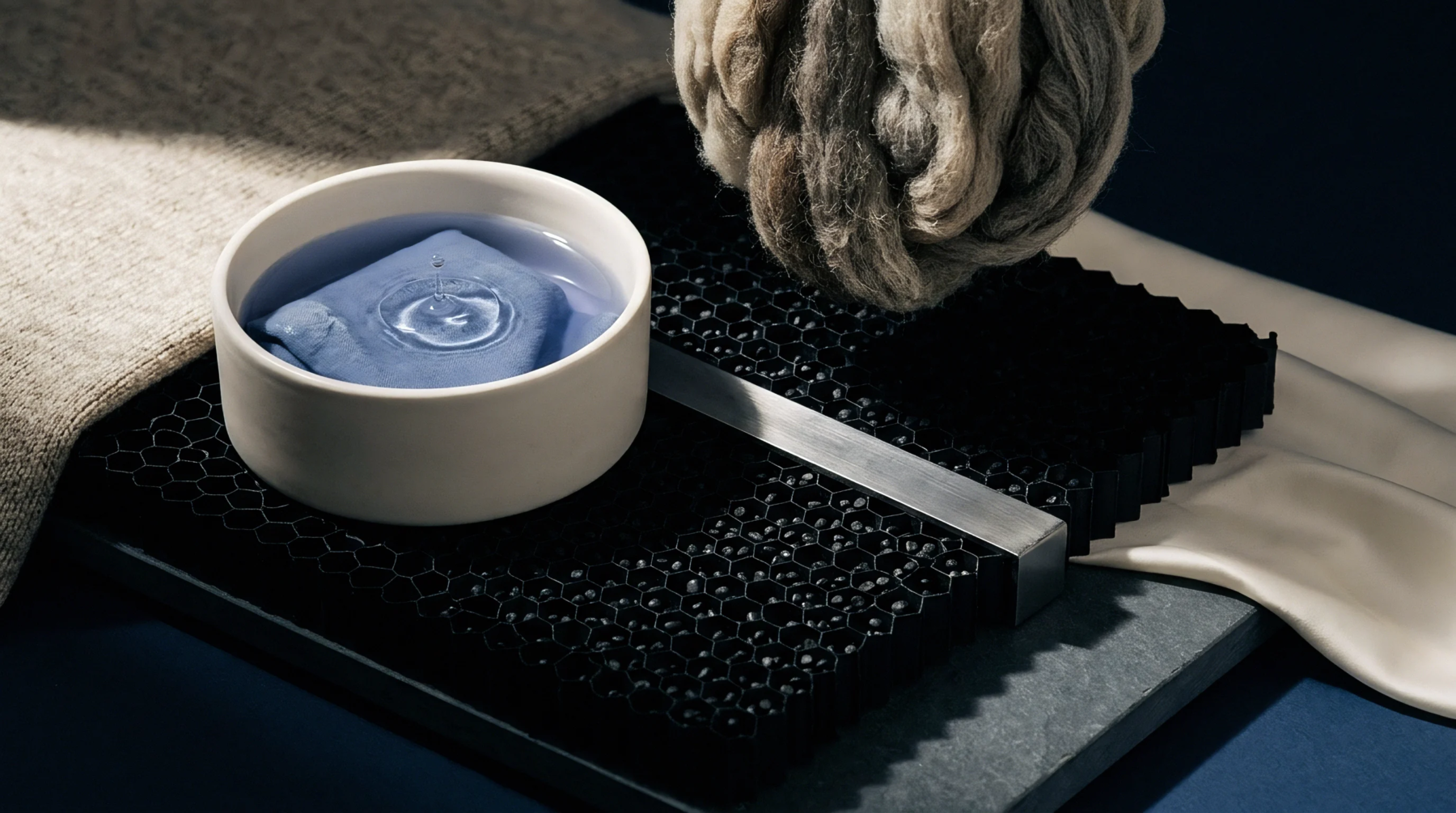
Partial load exhaust dyeing requires mechanical displacement or formula offsets to prevent bath dilution from altering exhaustion kinetics and lot colour.
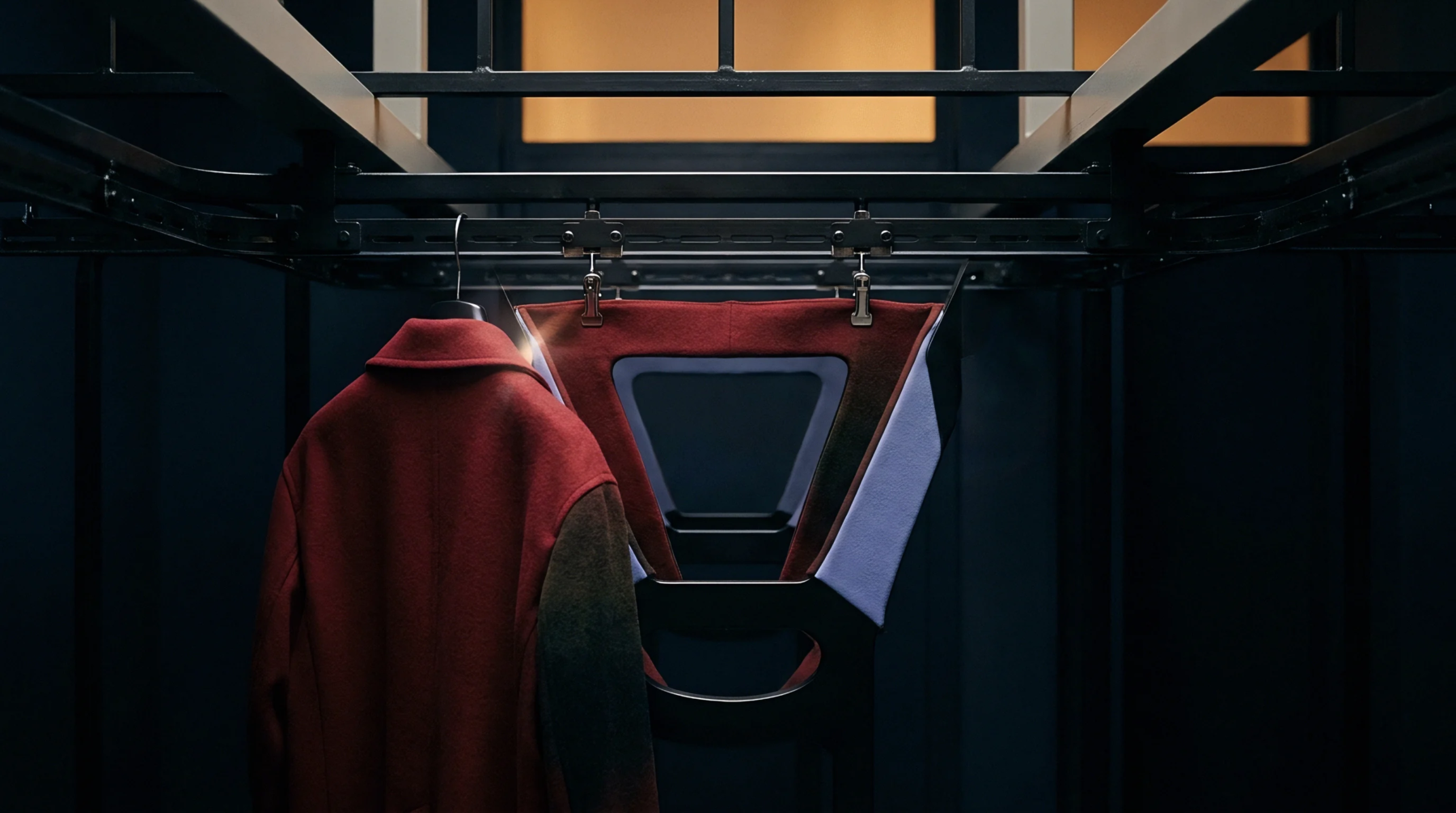
Boundary layer thinning under high nozzle shear accelerates convective dye transport, requiring matched rope cycle speeds to prevent severe longitudinal listing.

Transitioning from continuous to batch wet processing trades uniform tension for fiber relaxation, increasing fabric density and lot variance below 4,000 meters.
Sub-micron shear dissipation accelerates cellulose deprotonation, allowing lower alkali concentration while boosting yarn tenacity and dye affinity.
In-line short-path spectrophotometry eliminates reactive dye hydrolysis in ultra-low liquor jets by dynamically locking alkali dosing to real-time exhaustion.
Heterobifunctional dye fixation on swollen cellulosic knits couples vinyl sulfone addition and triazine substitution to maximize wash fastness and loop stability.
Lab dip recipes translate to high-capacity jet vessels by adjusting electrolyte concentrations for lower liquor ratios and extending cycle-matched dosing profiles.

Maximize reactive dye fixation on cellulosic knits by coupling short liquor ratios with progressive parabolic alkali dosing to suppress hydrolysate formation.
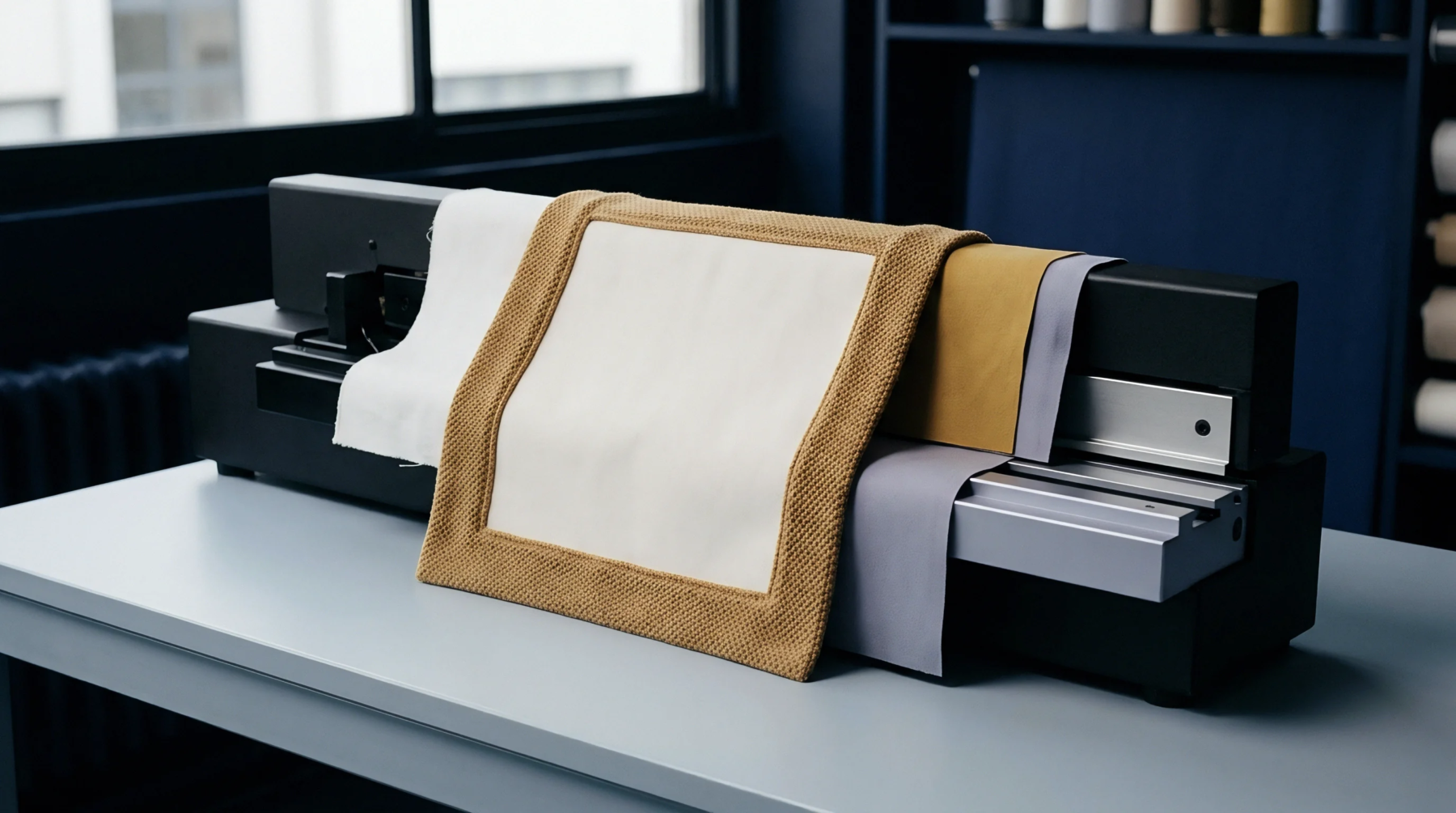
Asymmetrical parametric weighting vectors correct for specular glare in high-sheen weaves, preventing false batch rejections and costly dyehouse re-dye cycles.

Digital shade clearance across disconnected dyehouses requires matched optical geometries, traceable BCRA ceramic tile calibration, and strict ISO conditioning.
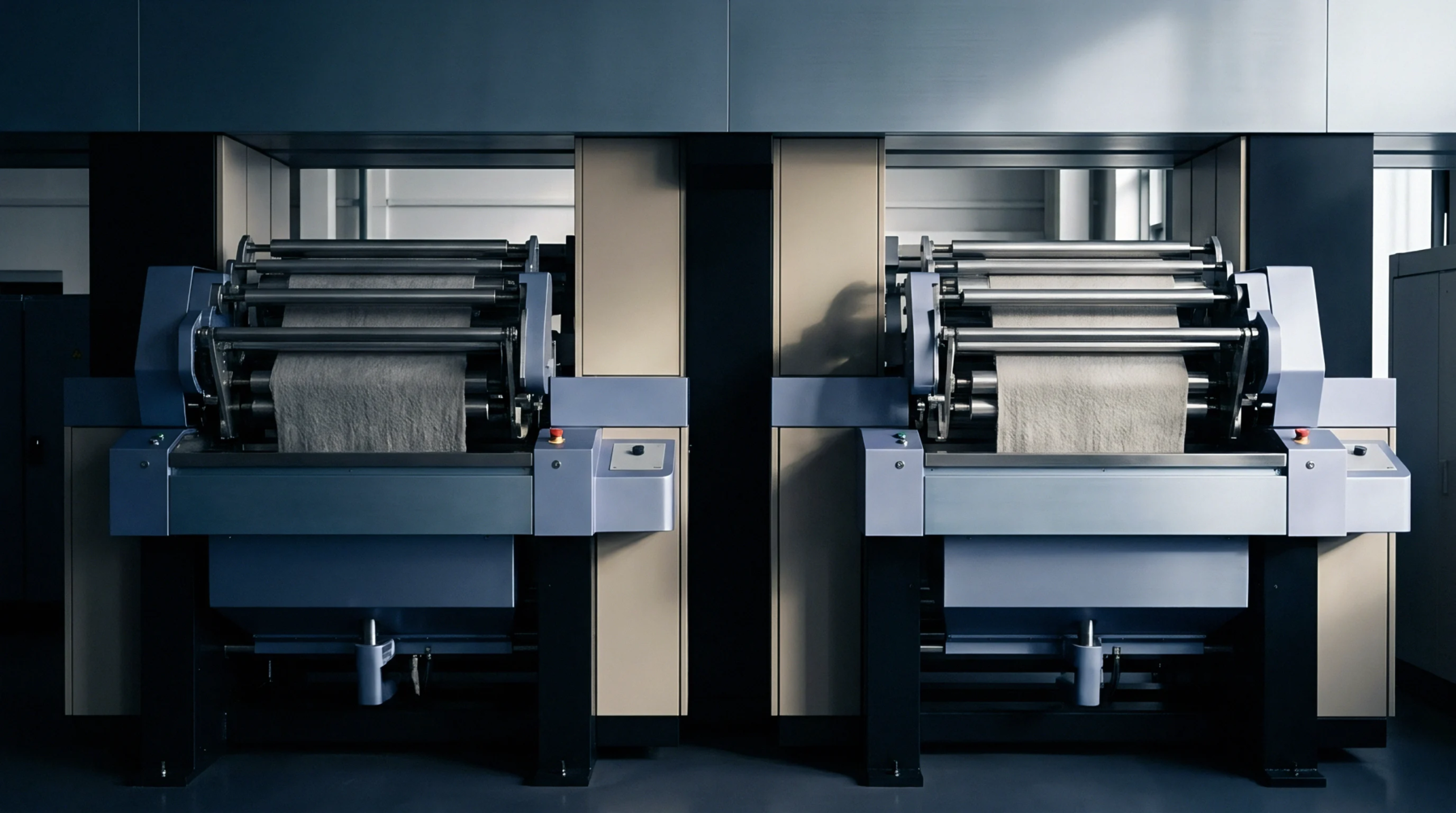
Resolving continuous stenter crystallization variations requires balancing nozzle impingement pressures within 0.5 m/s and limiting widthwise heat drift to 1 C.
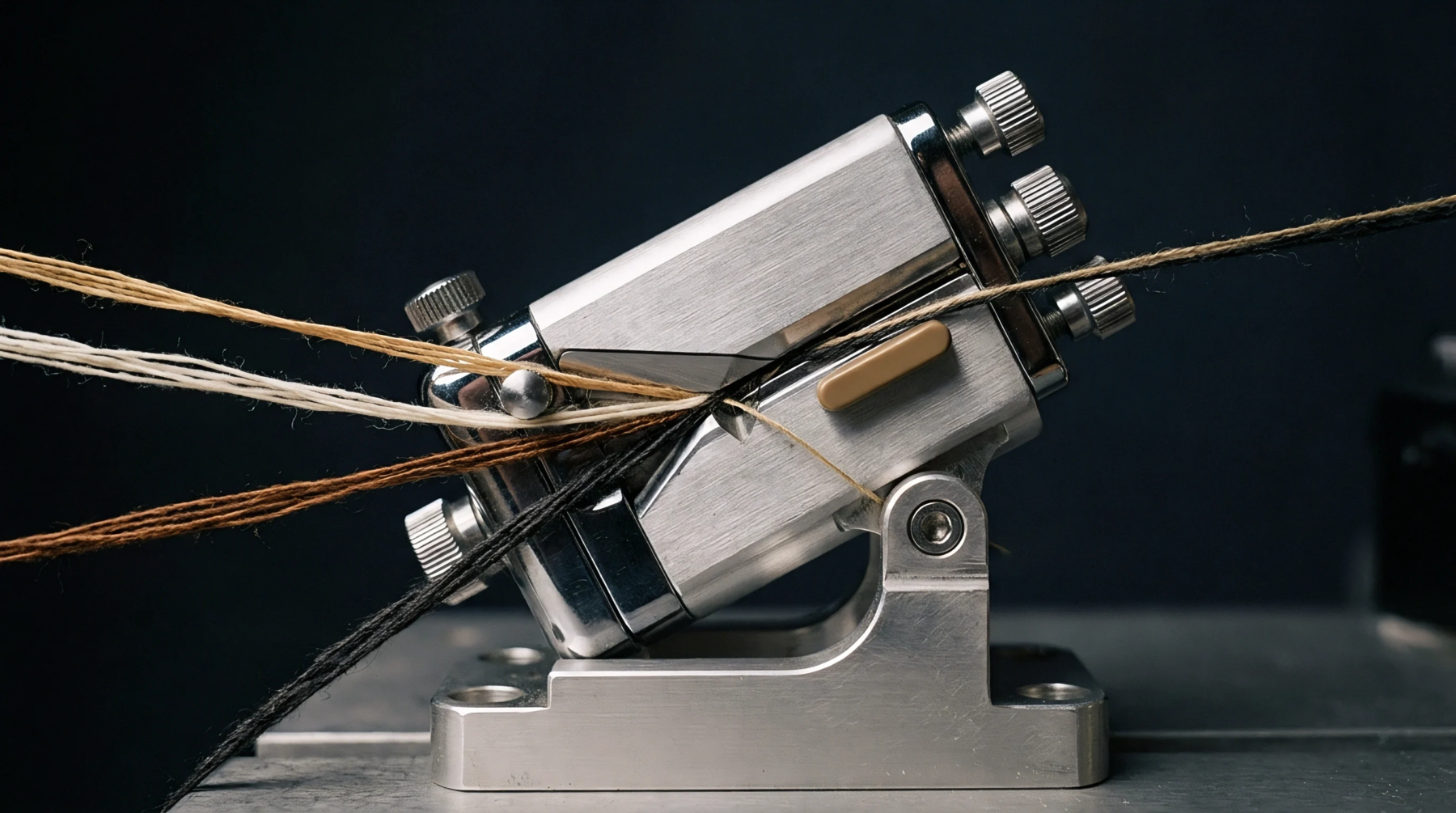
Digital master files eliminate physical swatch decay by distributing 31-point spectral reflectance data to coordinate decentralized wet-processing floors.
Expertise is a utility, not a secret. sentiention™ publishes its working knowledge as open reference: intelligence layer covering the materials it sources, the markets it enters, and the reference that serves both.