Bath Pickup
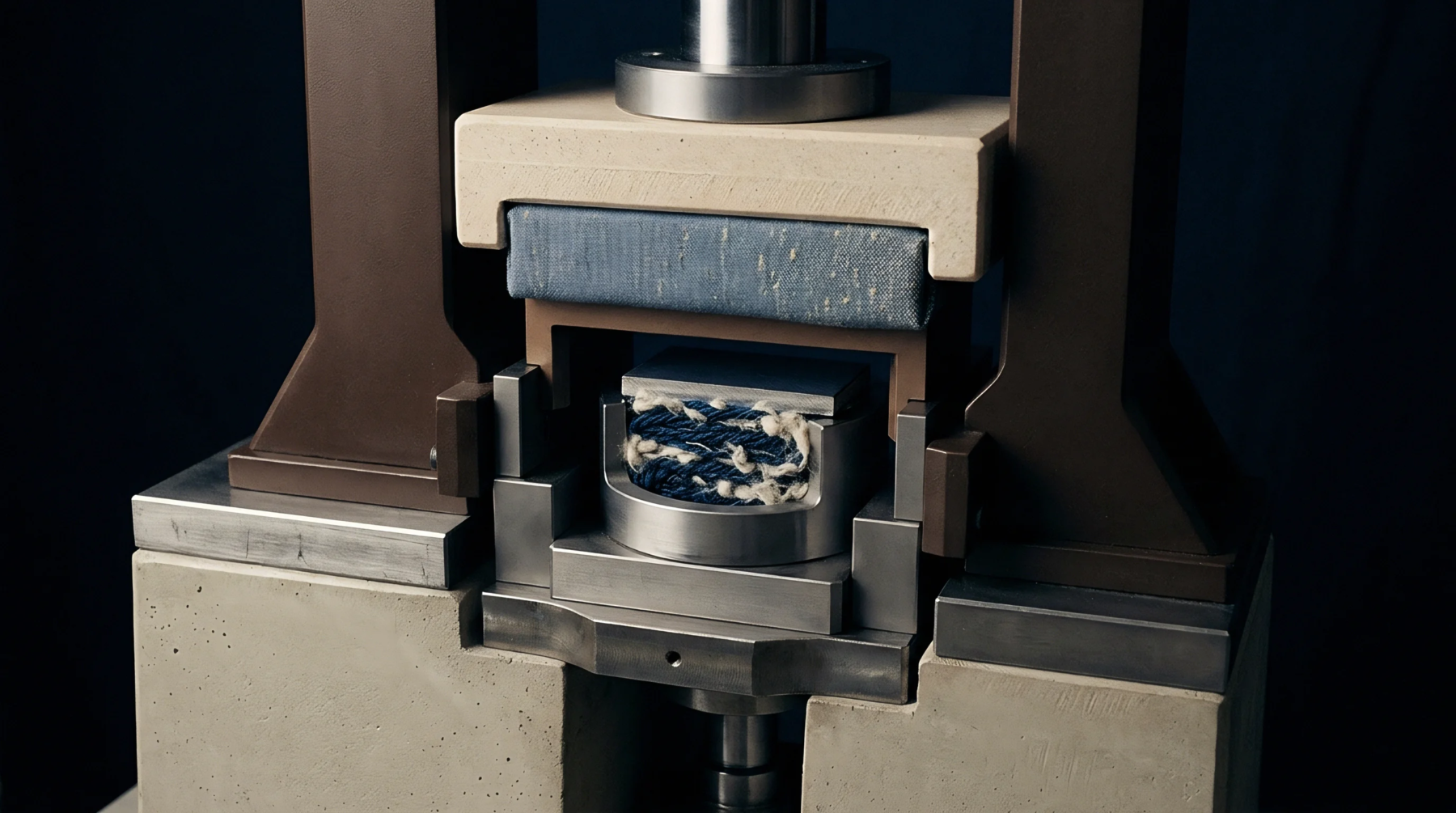
Continuous textile application relies on high-speed padding to force liquor into open-width substrates through mechanical nip pressure before thermal fixation. Commercial finishing houses deploy horizontal or vertical padding mangles where fabric passes through a chemical trough and immediately enters two counter-rotating squeeze rolls. Nip loads measured in kilonewtons per linear meter expel surplus liquor back into the bath to establish uniform wet pick-up ratios across the entire roll width.
Nip Pressure
Hydraulic or pneumatic cylinders generate the squeezing force that dictates final chemical retention levels within the moving web. Excess fluid accumulates in a rolling bank of liquor situated directly above the nip gap, creating constant hydrostatic pressure against the incoming fabric face. Operators adjust cylinder pressures to compensate for blanket deflection and roll crowning, ensuring transverse pick-up variation remains within tight tolerance limits set by standard test methods.
Liquor Carryover
Dynamic boundary layers of liquid clinging to the fabric surface create hydrodynamic lift as processing speeds increase beyond thirty meters per minute. High web velocities drag additional bath solution past the nip point unless grooved rolls or specialized doctor blades manage the excess fluid volume. Surfactant concentrations within the formulation alter surface tension characteristics, changing how effectively the squeezing geometry drains the substrate under heavy production loads.
Residual Retention
Dried moisture percentages determine the chemical consumption efficiency and subsequent cross-linking uniformity achieved during downstream curing stages. Over-squeezing damages delicate staple yarns through excessive shear stress, while under-squeezing deposits surplus resin that causes surface migration defects during drying. Laboratory gravimetric tests verify these retention levels by comparing bone-dry weights against pre-dried samples drawn directly from the continuous run.