Structural Deformation
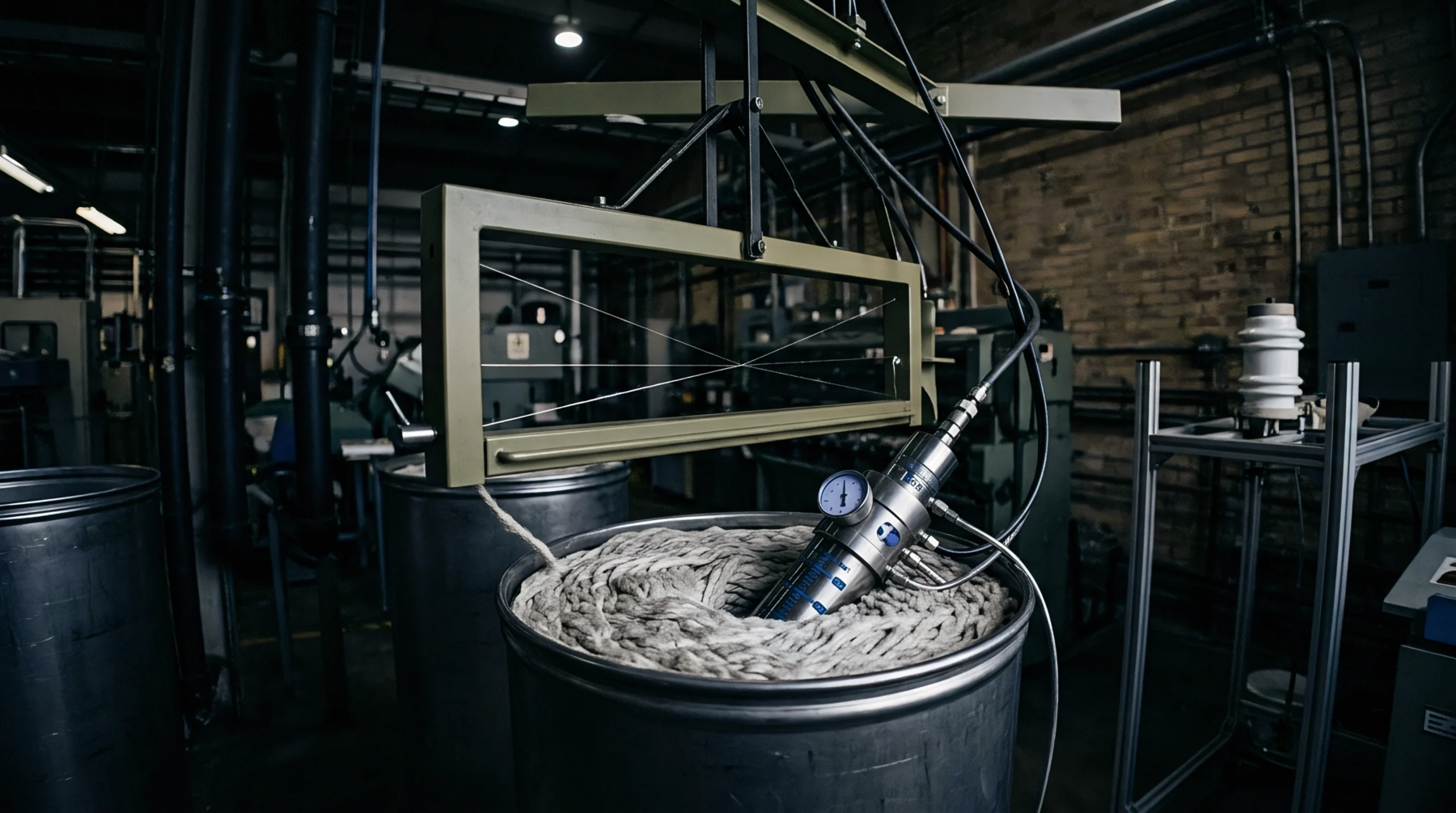
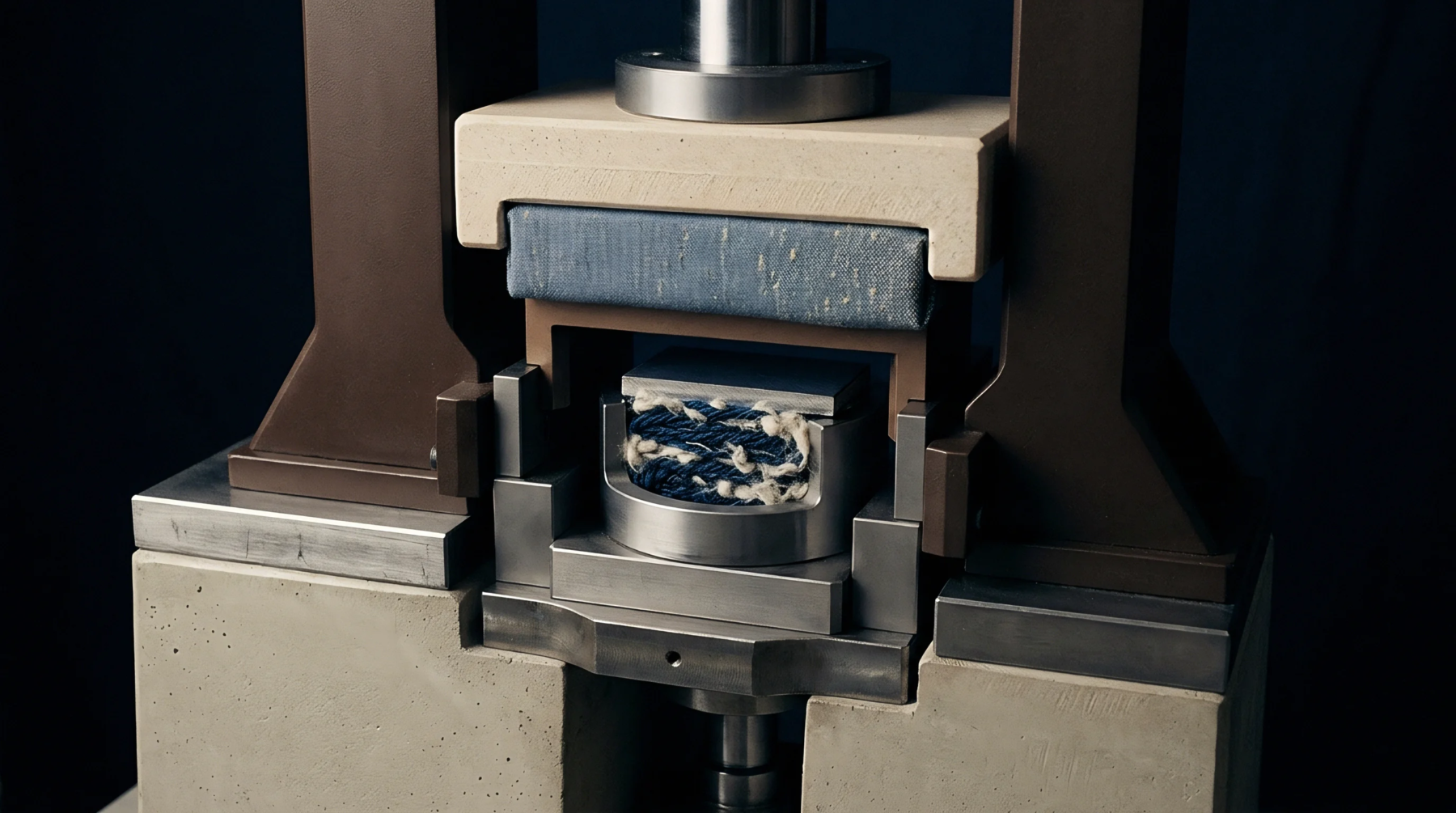
Mechanical flexure across the working face of heavy finishing rollers produces uneven linear pressure during continuous wet processing and calendering of woven fabrics. Under intense end-journal loading, bowl deflection creates an outward curve along the roller shaft that decreases pressure at the centre of the fabric roll relative to the supported edges. Calender bowls and padding mangles experience this bending moment under hydraulic or pneumatic deadweight applied at the bearing housings.
The resulting profile differential causes variation in fabric caliper, air permeability and liquid chemical pick-up across the entire width of the processing run.
Mechanical Mechanism
Rolling loads applied to the journals of solid steel or composite-covered bowls act as distributed beam loads supported at opposite ends. Solid metal calender rolls bend according to beam deflection equations, producing a parabolic compression pattern across the fabric web. Crown grinding on the bowl surface counters this flexure by increasing the central roll diameter to match expected deflection under an established working load.
Modern dyeing padders employ swimming rollers with internal hydraulic chambers or controlled crown sleeves to alter internal fluid pressure and dynamically counteract bowl deflection across fluctuating production speeds. Corrective mechanical crowning fails when processing lot tension deviates substantially from the engineering design pressure.
Processing Defect
Uneven nip pressure along the bowl axis directly alters the physical properties of the treated textile substrate. In pad-dyeing operations, bowl deflection causes shade variation from selvedge to centre, generating visual defects known across finishing sheds as listing. Fabric running through a calender nip with uncorrected deflection displays higher specular gloss and thinner gauge along the outer quarters while the middle remains under-compacted.
Moisture expression checks confirm this fault by measuring the residual water content across five cut swatches taken across the width, where a difference exceeding two percent indicates uncorrected roll curvature. Mills remediate persistent expression drift by re-grinding composite roll coverings on regular preventive maintenance cycles.
Inspection Protocol
Quality assurance teams detect roller curvature defects during incoming fabric inspection under standardized daylight illumination booths. Laboratory technicians verify padder performance by passing dry, bleached cotton sheeting through a bath of water-soluble red pigment without binder, checking optical density across nine points distributed from selvedge to selvedge. Excessive bowl deflection presents as a symmetric optical density drop at the centre of the swatch.
Commercial contracts stipulate that rolls displaying listing defects outside tolerance limits undergo mechanical re-scouring or lot rejection at the supplier expense.