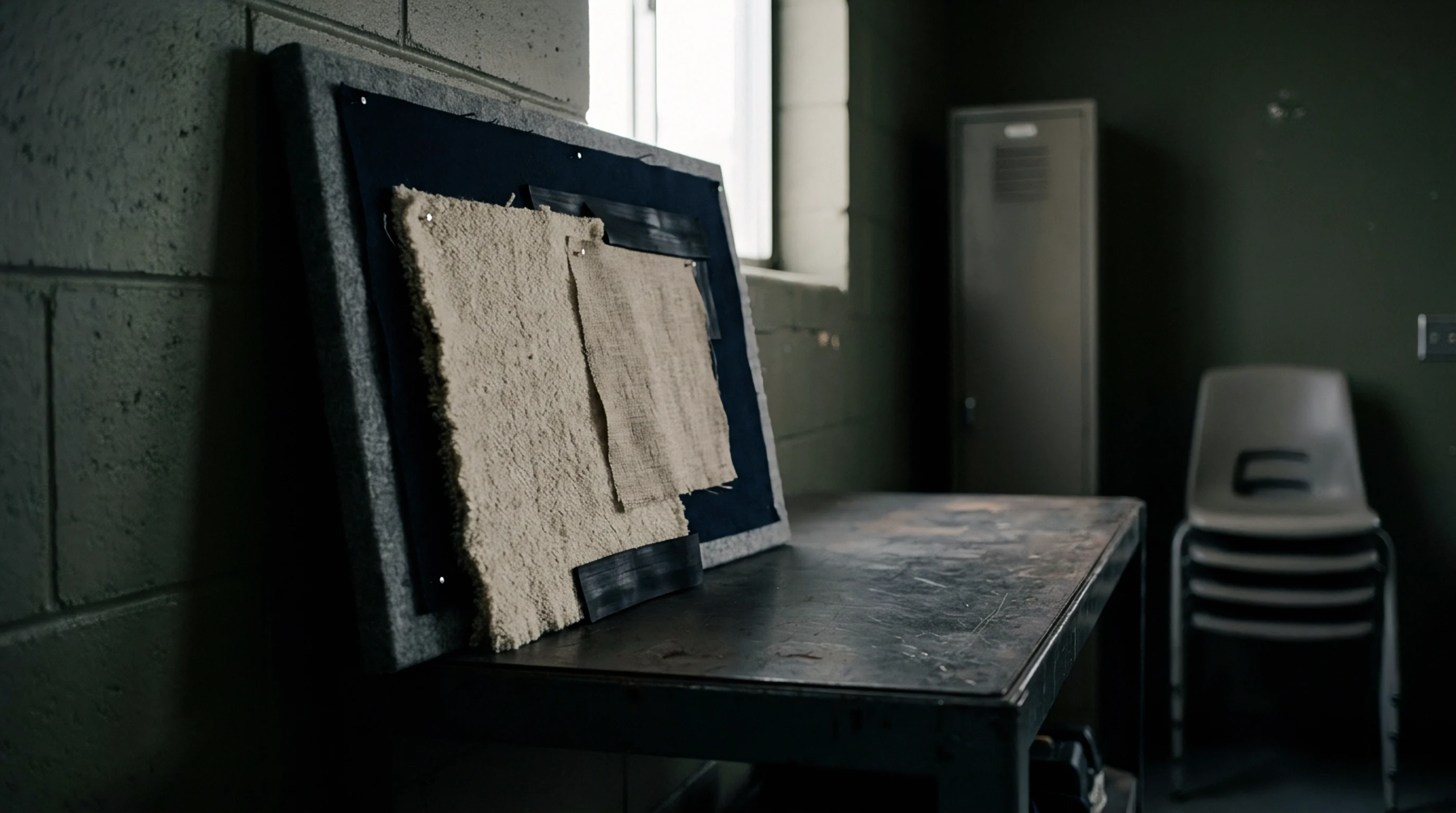
Measurement Technique
A mathematical or mechanical method of combining multiple angular readings of a sample eliminates directional bias in optical and spectroscopic evaluations. This rotational averaging ensures that the measured colour or chemical composition is representative of the whole specimen rather than a single orientation. By continuously spinning the sample during the exposure period, the instrument collects data from all radial directions.
This technique is particularly important for structured or directional materials like woven fabrics and yarn packages.
Instrument Operation
Spectrophotometers equipped with rotating sample holders automate this data collection process during quality control checks. Applying rotational averaging allows the spectrophotometer to output a single, highly repeatable reflectance curve.
Anisotropy Reduction
Yarn spin direction and weave patterns create surface anisotropy that can distort optical measurements if the sample is kept stationary. Rotational averaging smooths out the peaks and troughs of reflected light caused by the alignment of individual yarns or fibres. This smoothing is required for textured polyester and nylon fabrics, where the angle of lay can alter the apparent depth of shade.
Using this method, laboratories can compare samples from different production lots with high confidence that the difference is in the dye concentration and not the fabric orientation.
Industrial Verification
Consistent colour matching between garment panels requires standardized test methods that minimize operator-induced placement errors. Implementing rotational averaging in the laboratory protocol reduces the need for multiple manual repositioning steps. This leads to faster throughput in the inspection department and fewer disputes between garment manufacturers and textile mills.
Standardized test methods from organizations like AATCC incorporate this technique to ensure that colorimetric data is consistent across different testing sites.