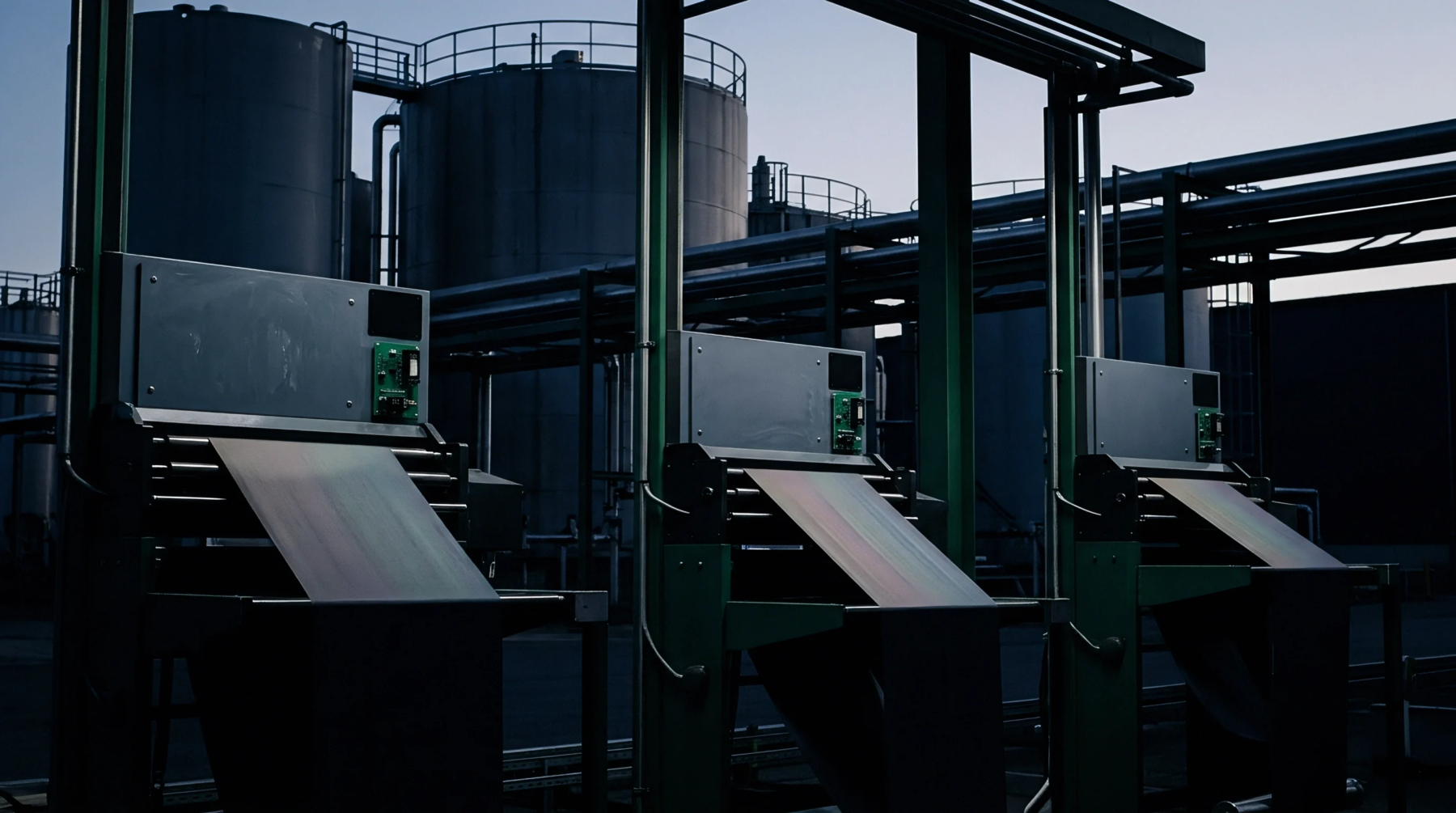
Dyed Fluidity
Liquid mechanics inside rope dyeing equipment operate through continuous circulation loops designed to maintain low tension on delicate yarns. Soft-flow machines direct liquor through Venturi nozzles, where fluid momentum carries the textile rope forward without mechanical rollers pulling the damp material. This hydrostatic propulsion prevents warp elongation during wet processing stages.
Fabric surface integrity survives intact because hydraulic transport replaces mechanical friction inside the dye chamber.
Hydraulic Pressure
Pump speeds dictate the velocity of the dye bath passing through the circulation piping. Liquor ratios drop significantly when liquor volume matches the dry weight of the goods at low proportions. Temperature uniformity depends on rapid heat exchanger turnover during the heating cycle.
Backpressure regulators maintain steady flow rates across the nozzle gap despite variations in rope density.
Nozzle Configuration
Orifice geometry determines the intensity of the hydrodynamic force applied to the circulating rope. Adjustable gap widths accommodate heavy denim and lightweight jersey within the same pressure vessel. Turbulence suppression rings prevent channeling inside the transport tube during reactive dyeing runs.
Fluid shear forces align dye molecules uniformly across the fabric face before the material reenters the main bath.
Tension Limits
Mechanical stress causes permanent dimensional distortion if winch speeds exceed the natural propulsion rate of the liquid stream. Load cells monitor elongation levels continuously during high-speed circulation phases. Finished goods exhibit minimal shrinkage in subsequent finishing routines when wet processing operates under zero-stretch conditions.
Dimensional stability relies entirely on maintaining hydrodynamic equilibrium throughout the cycle.