Woven Fabric Weight Tolerances and Linear Metre Yield Calculations
Reconcile woven fabric purchases by calculating linear yield from conditioned mass and usable cuttable width under ISO 3801 and ISO 139 parameters.
Reconcile woven fabric purchases by calculating linear yield from conditioned mass and usable cuttable width under ISO 3801 and ISO 139 parameters.
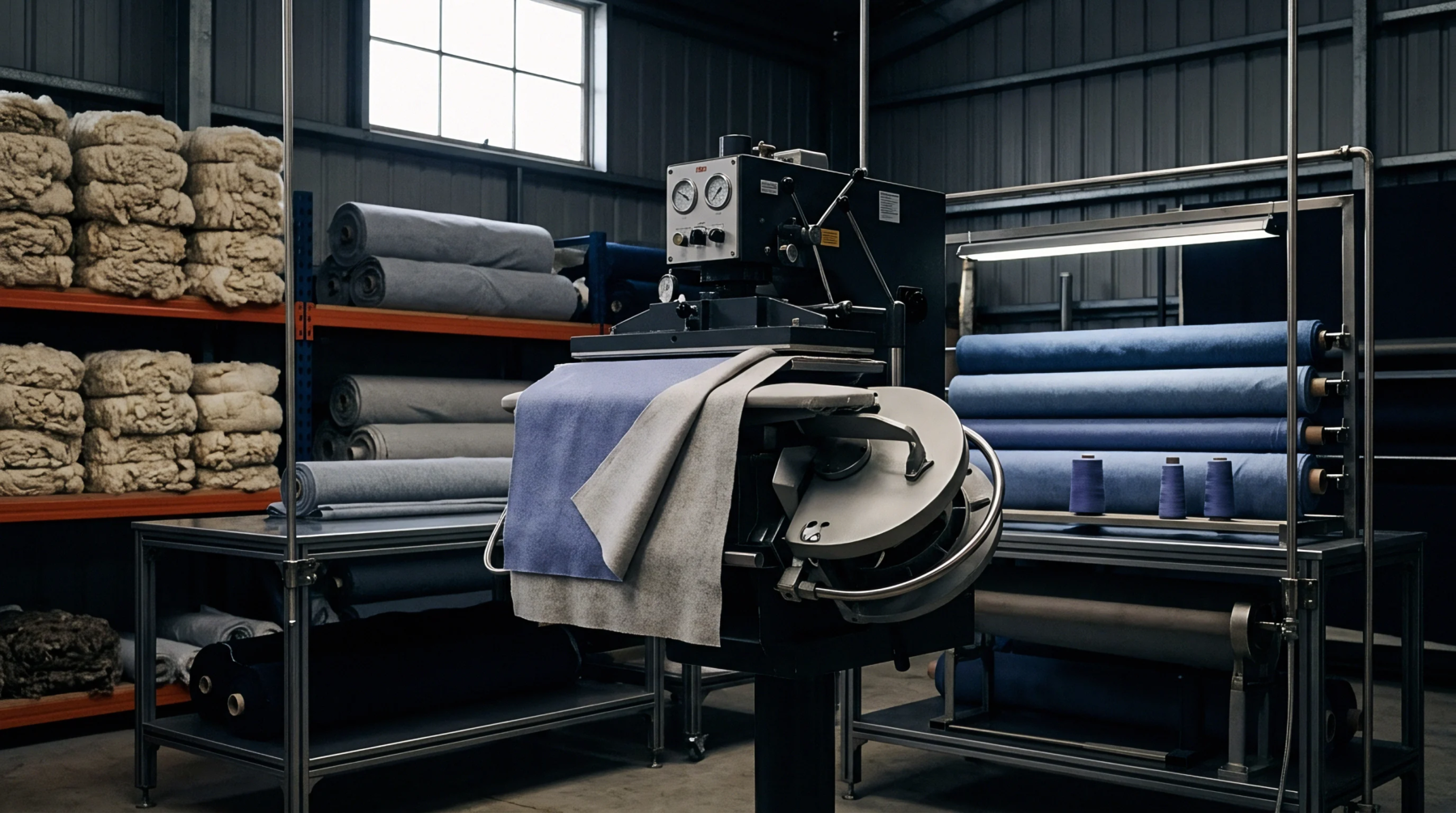
Optimize air-jet polyurethane wovens by setting stenters to 190°C with +24% overfeed, holding heat setting efficiency above 88% and growth below 2.5%.
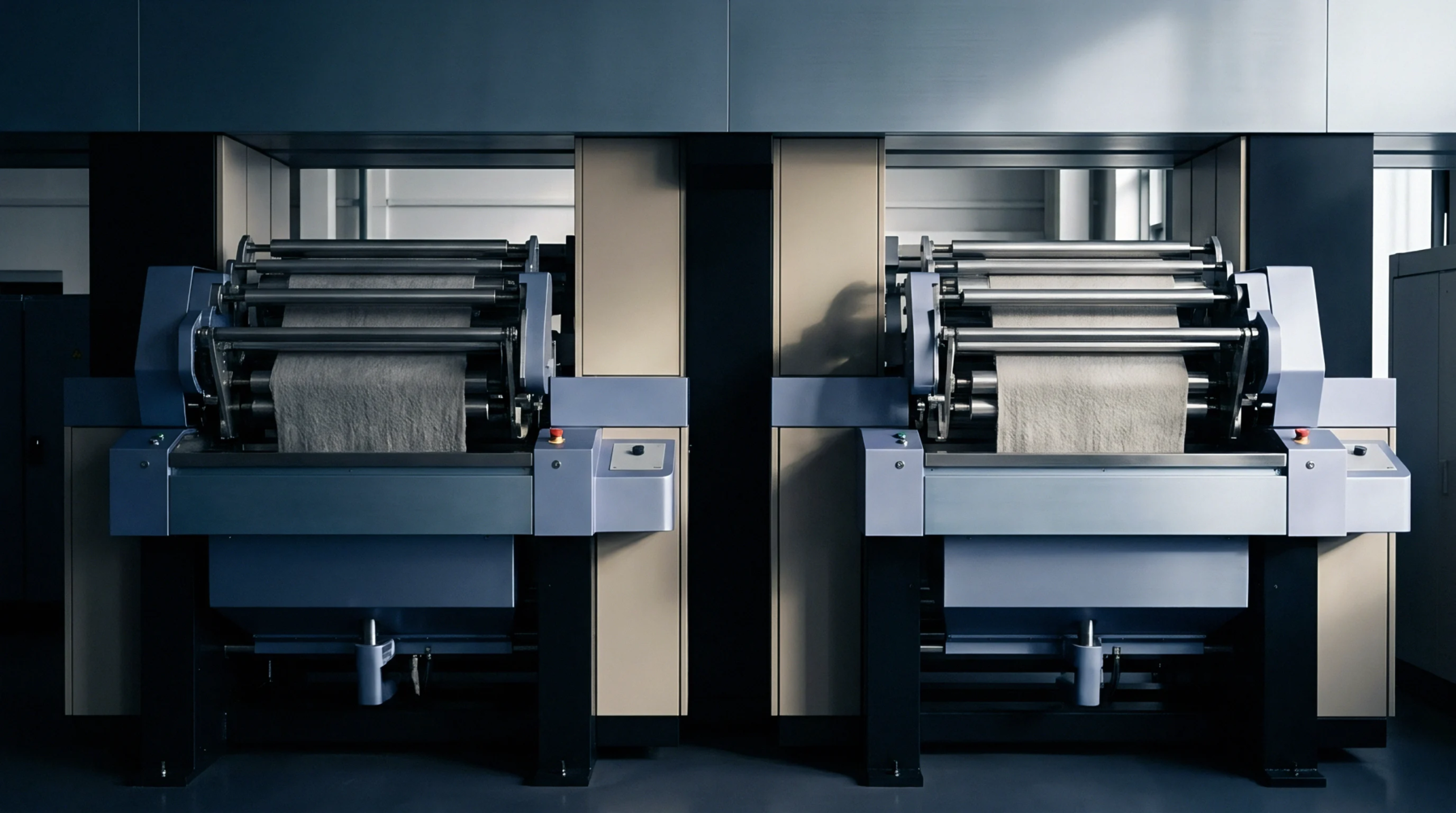
Continuous dyeing of jammed greige fabrics requires web draft below 0.5 percent to prevent capillary collapse and preserve liquor penetration across yarn cores.
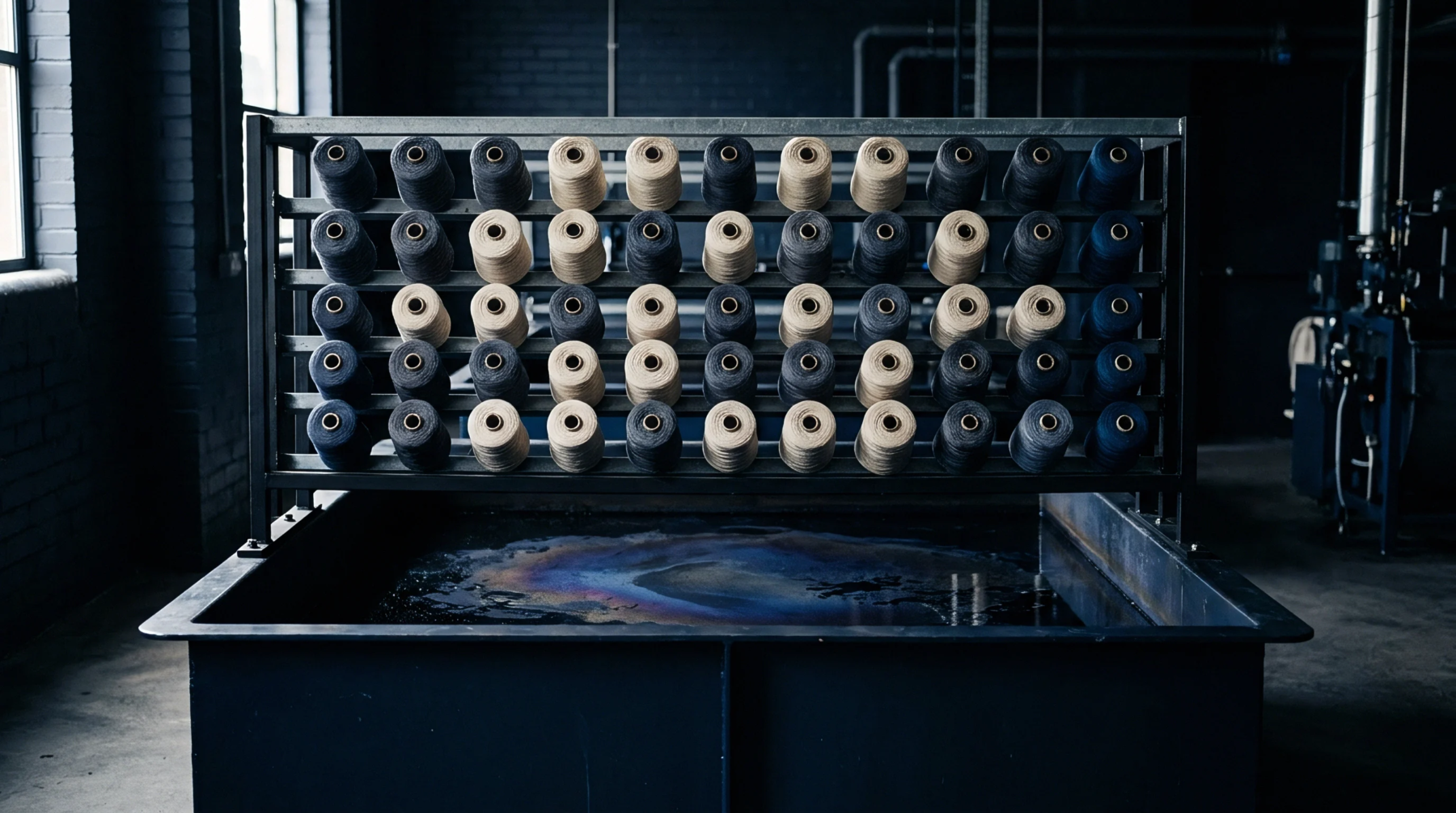
Engineering accurate finished width requires combining yarn crimp contraction with wet processing contraction factors during reed selection on the loom.
Dynamic psychrometric compensation continuously balances evaporation and pickup in pad boxes, preventing dyestuff molarity drift and head-to-tail shade defects.
Greige warp parameters require calculating loom reed width from finished dimensions while incorporating weave crimp, size pick-up, and shuttleless selvedge waste.
Mathematical overfeed modeling balances longitudinal compressive force against thermal viscoelastic relaxation to lock target crimp geometry and control finished GSM.
Establishing dual-route printing tolerances requires CIEDE2000 spectral limits under D65/TL84 illuminants paired with strict ISO 105 fastness verification.

Digital print delivers lower landed cost below 6,000 meters; rotary screens prove economical for longer runs once setup fees and fabric waste amortize fully.

Cellulosic reactive exhaust dyeing requires strict pH and temperature ramp control to minimize nucleophilic hydrolysis, maximize covalent yield, and prevent fastness failure.
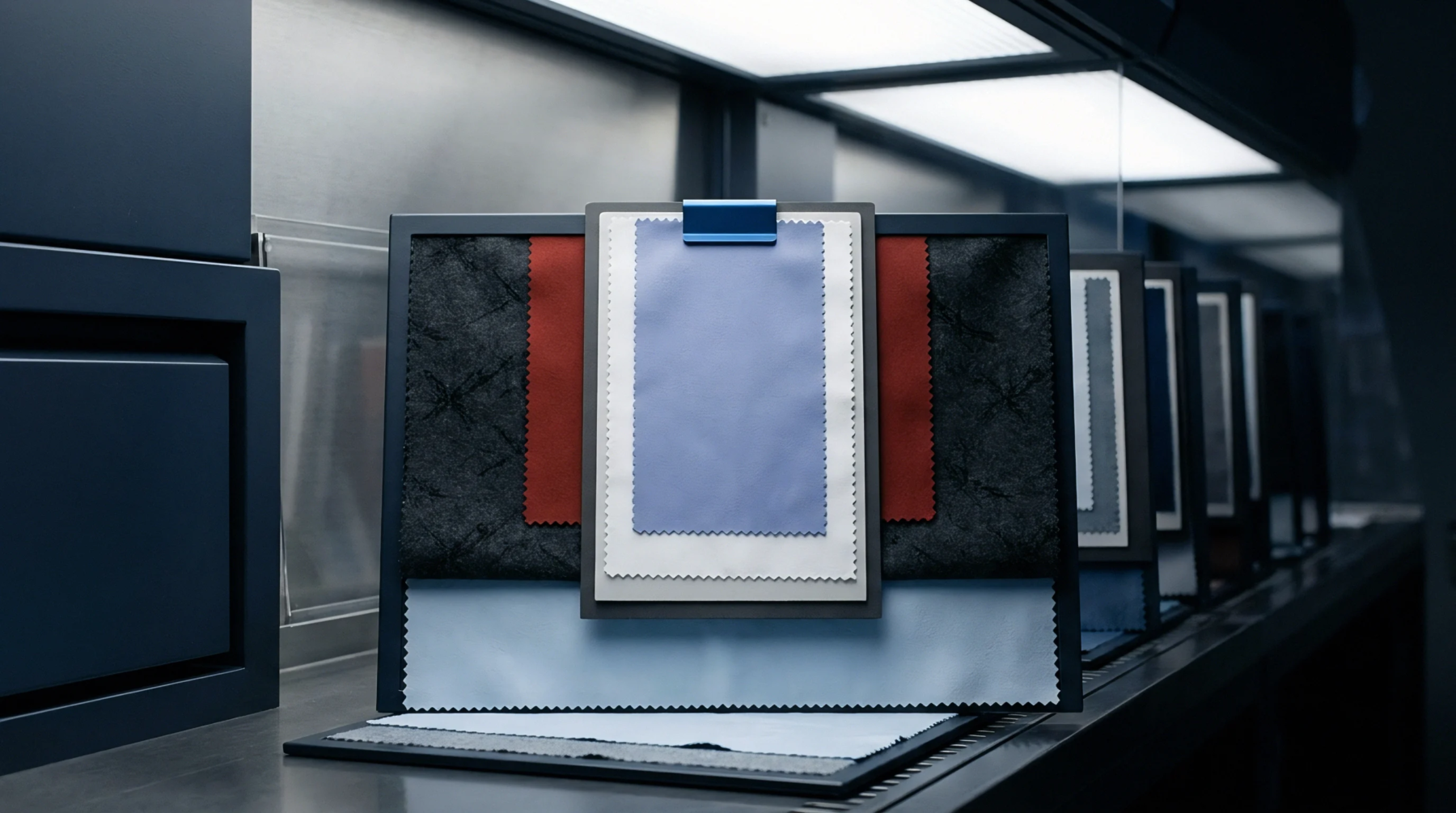
Standardizing instrument geometry, sample conditioning, and CIEDE2000 mathematical parameters establishes repeatable spectrophotometric shade clearance in bulk dyeing.

Progressive electrolyte metering controls reactive dye strike rates on heavy duck canvas in low liquor jets, preventing unlevelness and core shading defects.

High warp cover factors reduce fabric liquid permeability, requiring wider rectangular nozzles and slower heating ramps to prevent surface shade unlevelness.
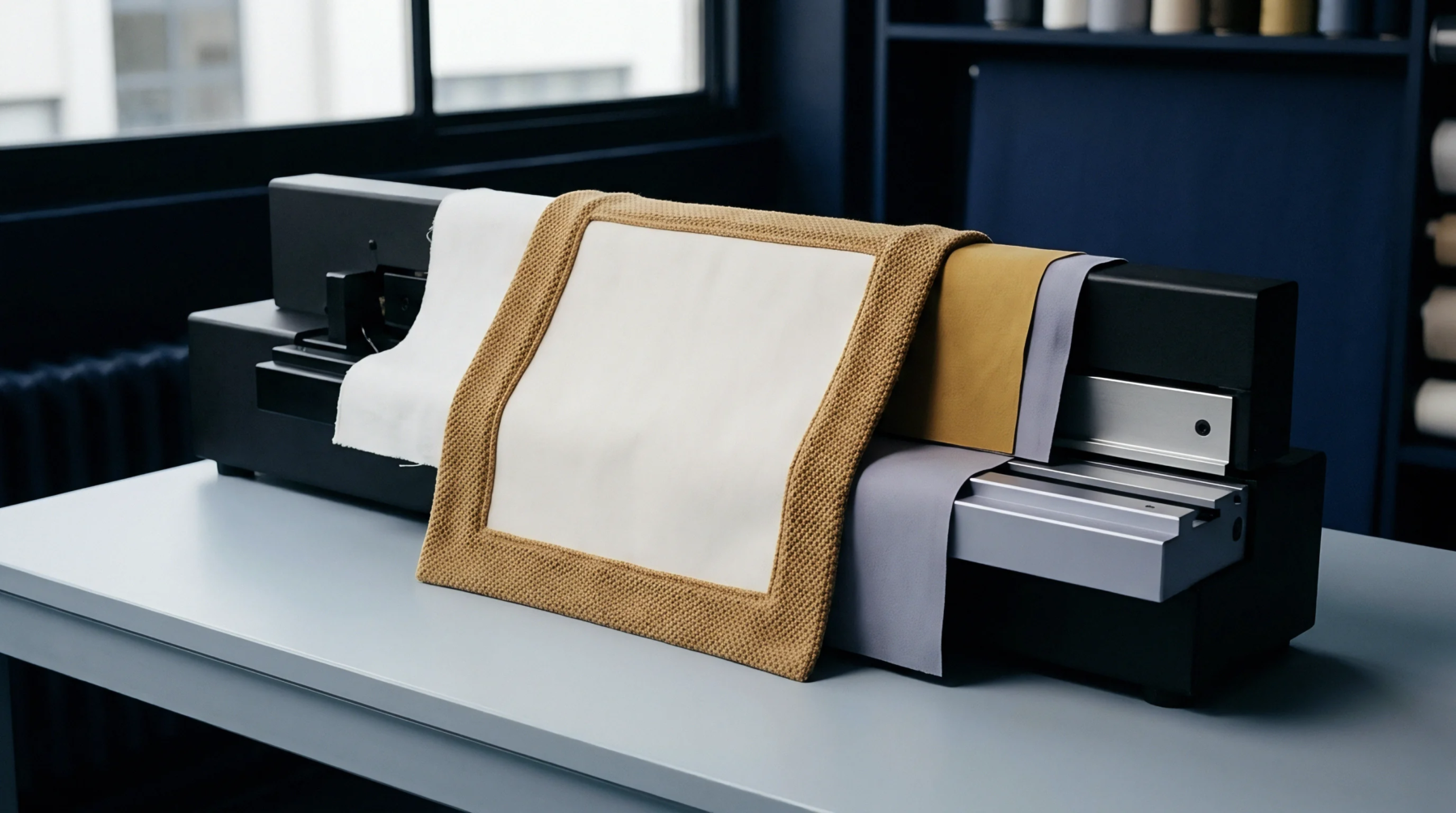
Verify greige fabric sett on tensionless, conditioned swatches under ISO 7211-2 to prevent finished weight deficits and enforce contract chargeback limits.
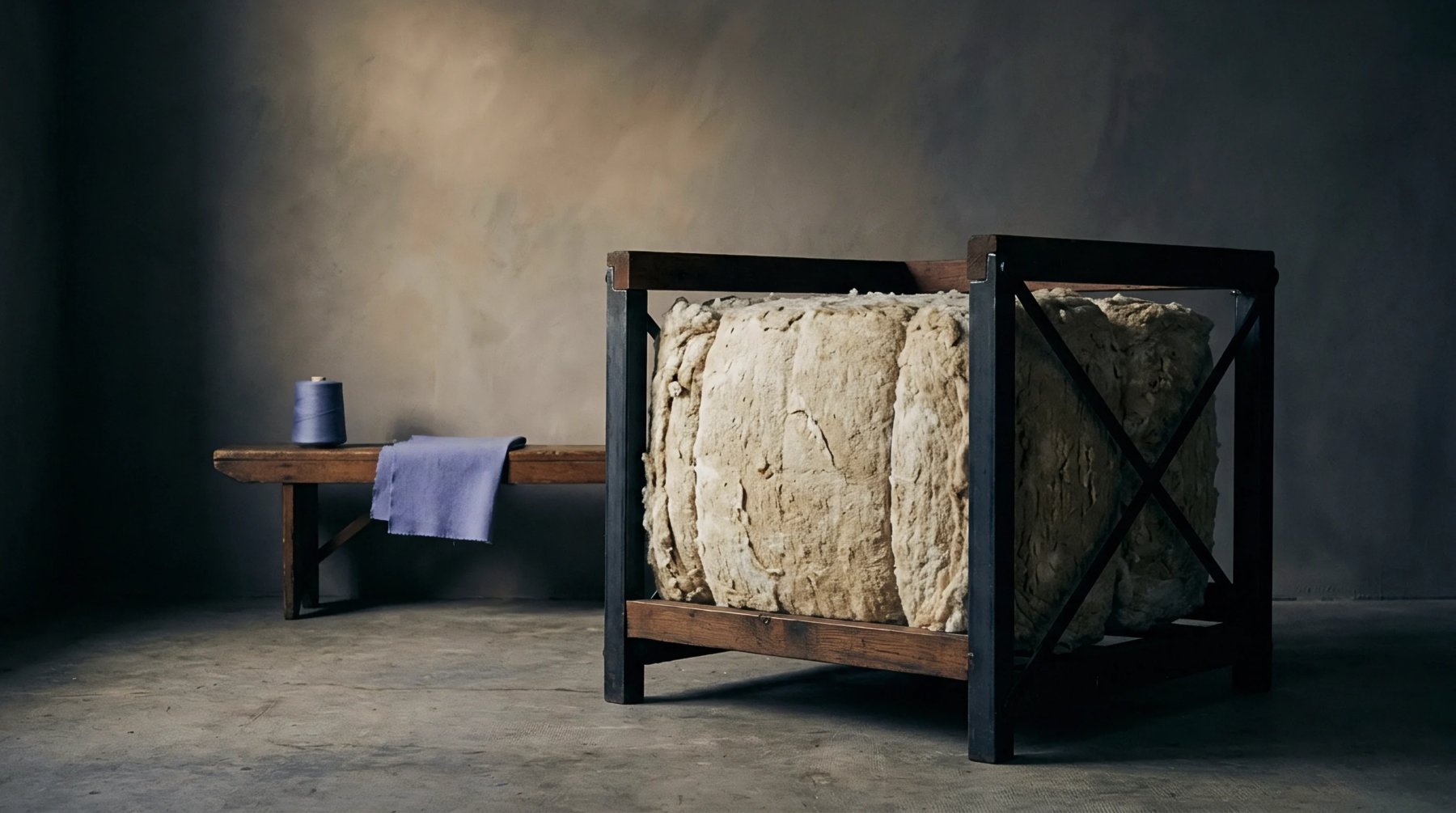
Contractual weight tolerance bands govern linear yardage yield, moisture regain adjustments, and cutting room markers to protect garment cost margins.
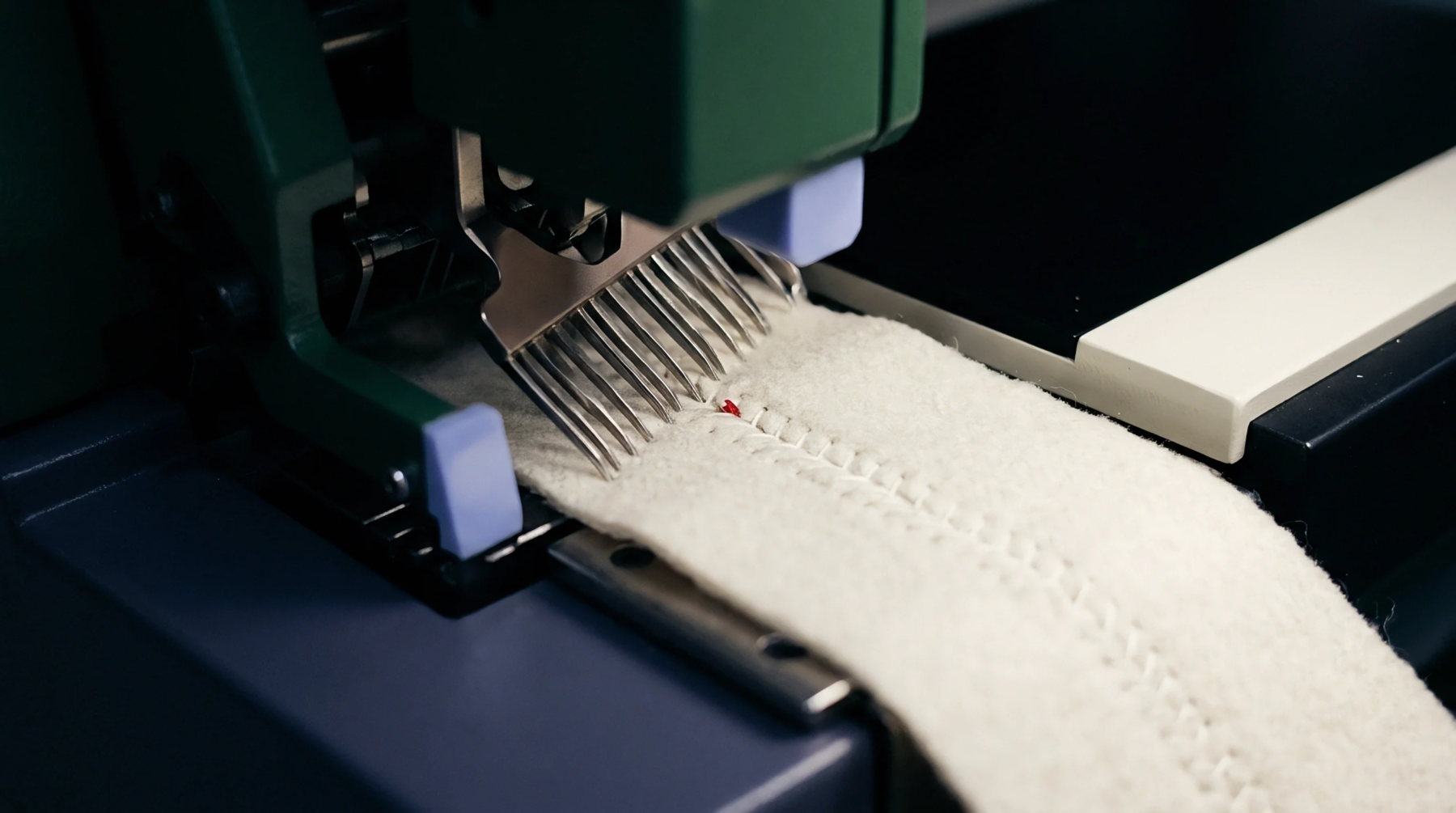
Resolving yarn density disputes requires standardized Soxhlet solvent extraction, precise 0.5 cN/tex pretensioning, and ISO 5725 statistical critical difference bounds.

Accurate direct linear density verification in ring spun yarn demands exact tension control, moisture regain correction, and calibrated specimen lengths.
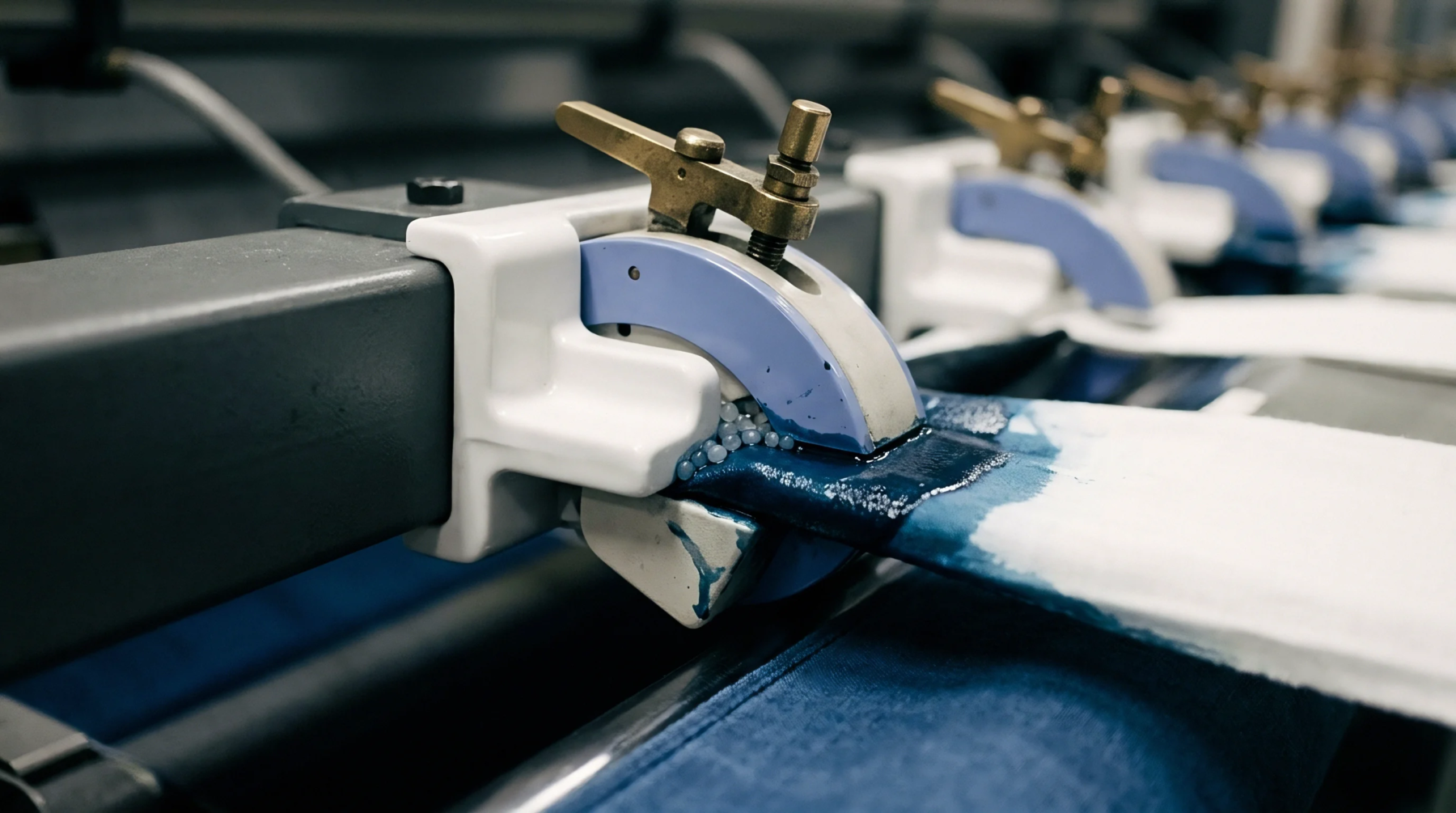
Dense fabric wash-off requires electrolyte removal below 1 g/L before 95°C soaping to extract residual hydrolyzed dye without fastness failures.
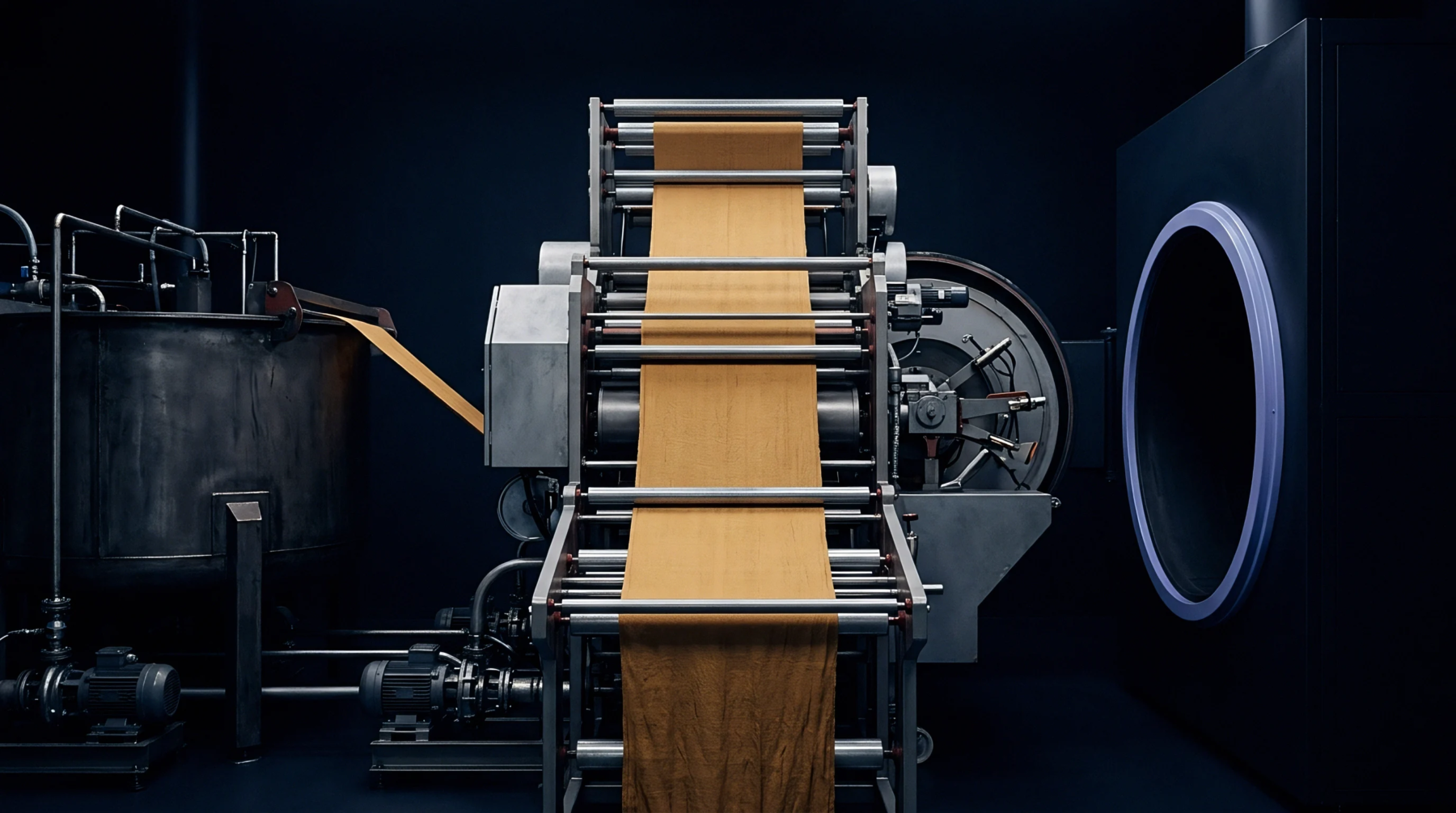
Intermediate drying needs balanced radiative heat, controlled convection air speed, and pseudoplastic antimigrants to eliminate dye migration across woven fabric.

Yarn ply twist multiplier controls intra-bundle pore radius; multipliers above 4.0 cause surface ring-dyeing frosting while values under 3.2 provoke migration.

Modeling long-term stress relaxation thresholds in core-spun jet processed elastic fabrics requires balancing spinning core draft with stenter heat setting to prevent interfacial shear slip and retractive decay.

Equalizing parallel nozzle pressure across multi-tube jet vessels eliminates inter-chamber shade variations by balancing rope speed and liquor turnover.
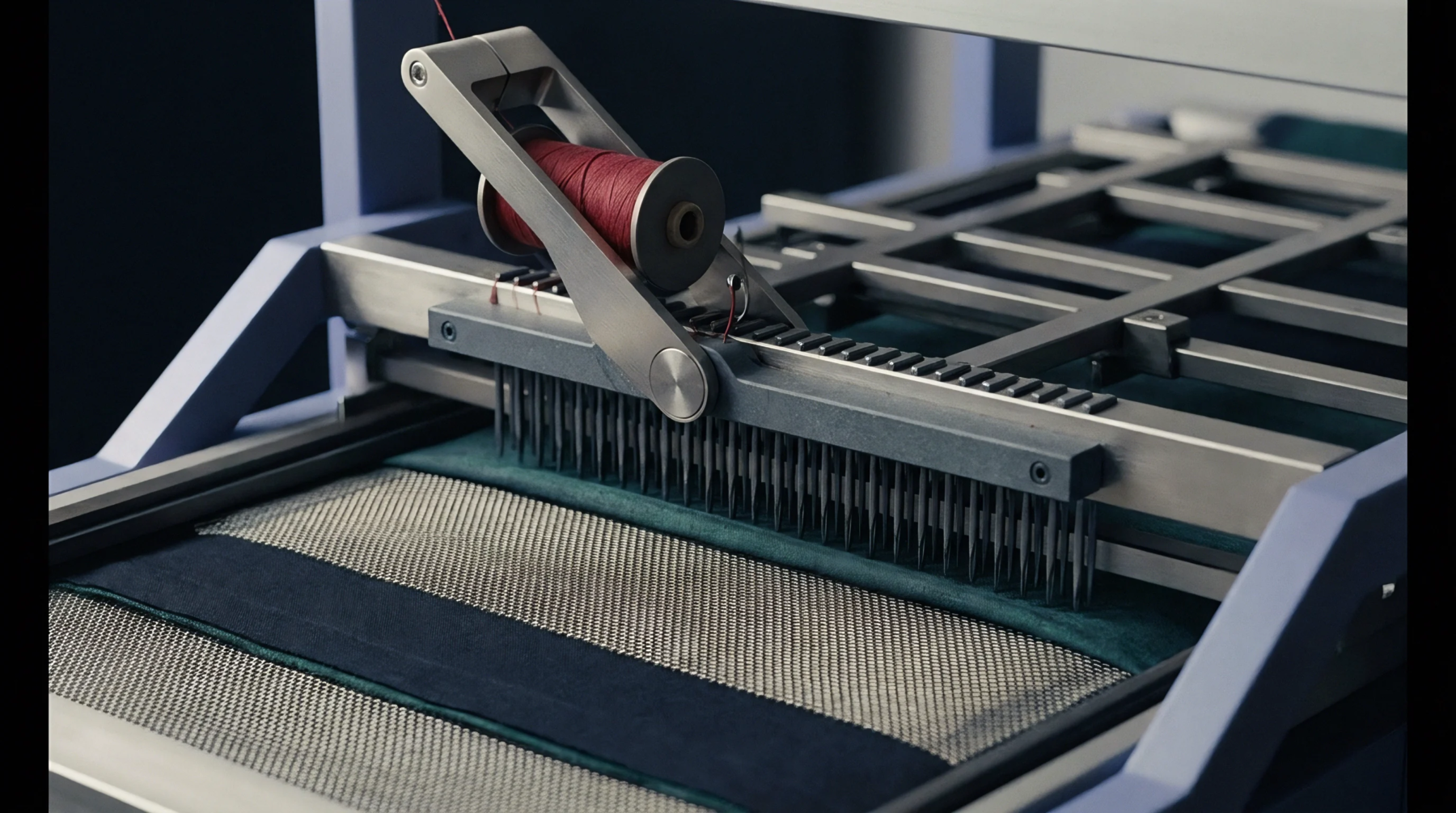
Greige thread density limits wet fabric relaxation by establishing inter-yarn friction boundaries that block yarn swelling and crimp interchange during finishing.
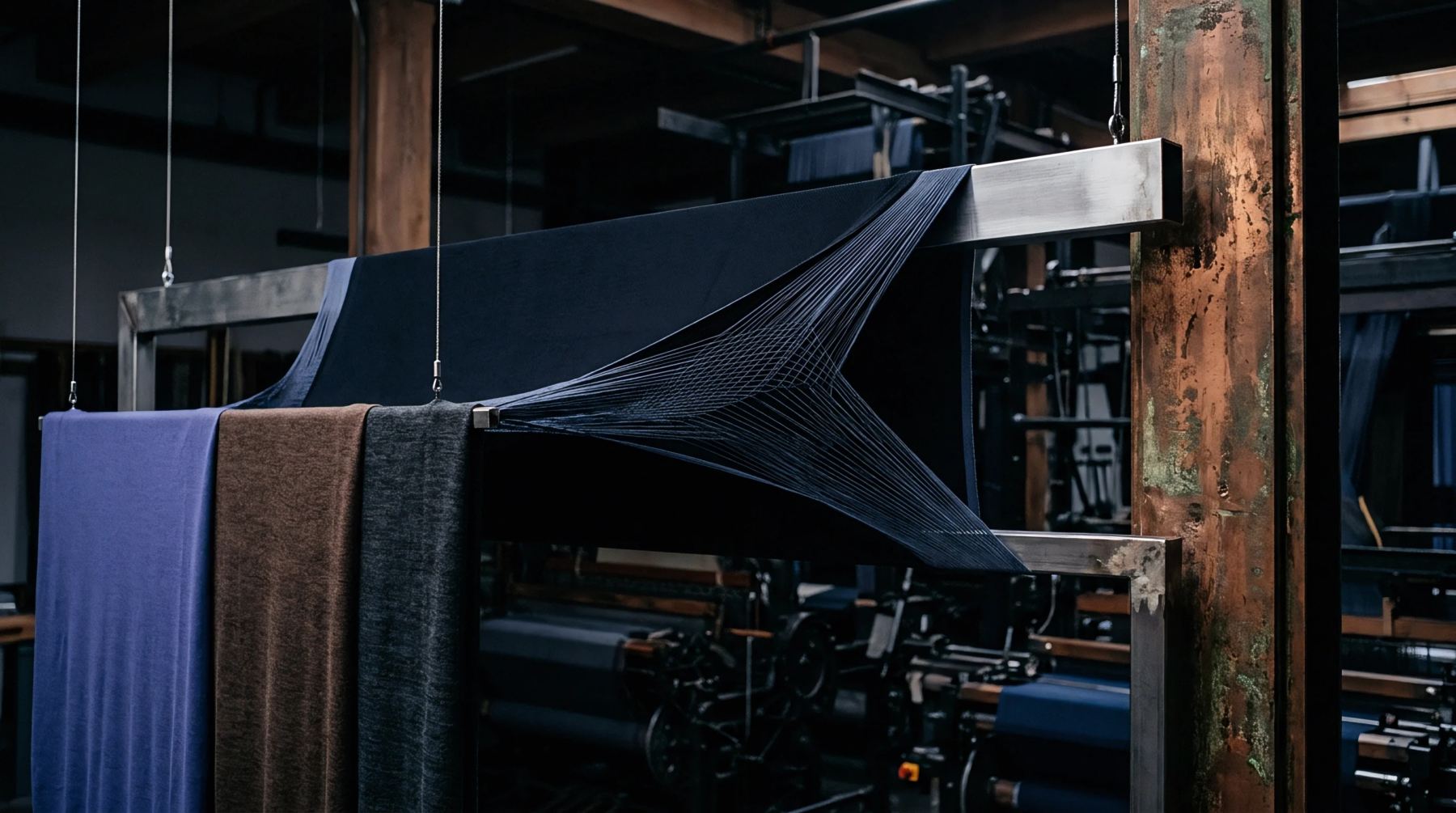
Calculating correct loom reed width requires combining off-loom grey contraction, finished warp sett, and weft crimp percentage into one unified formula.
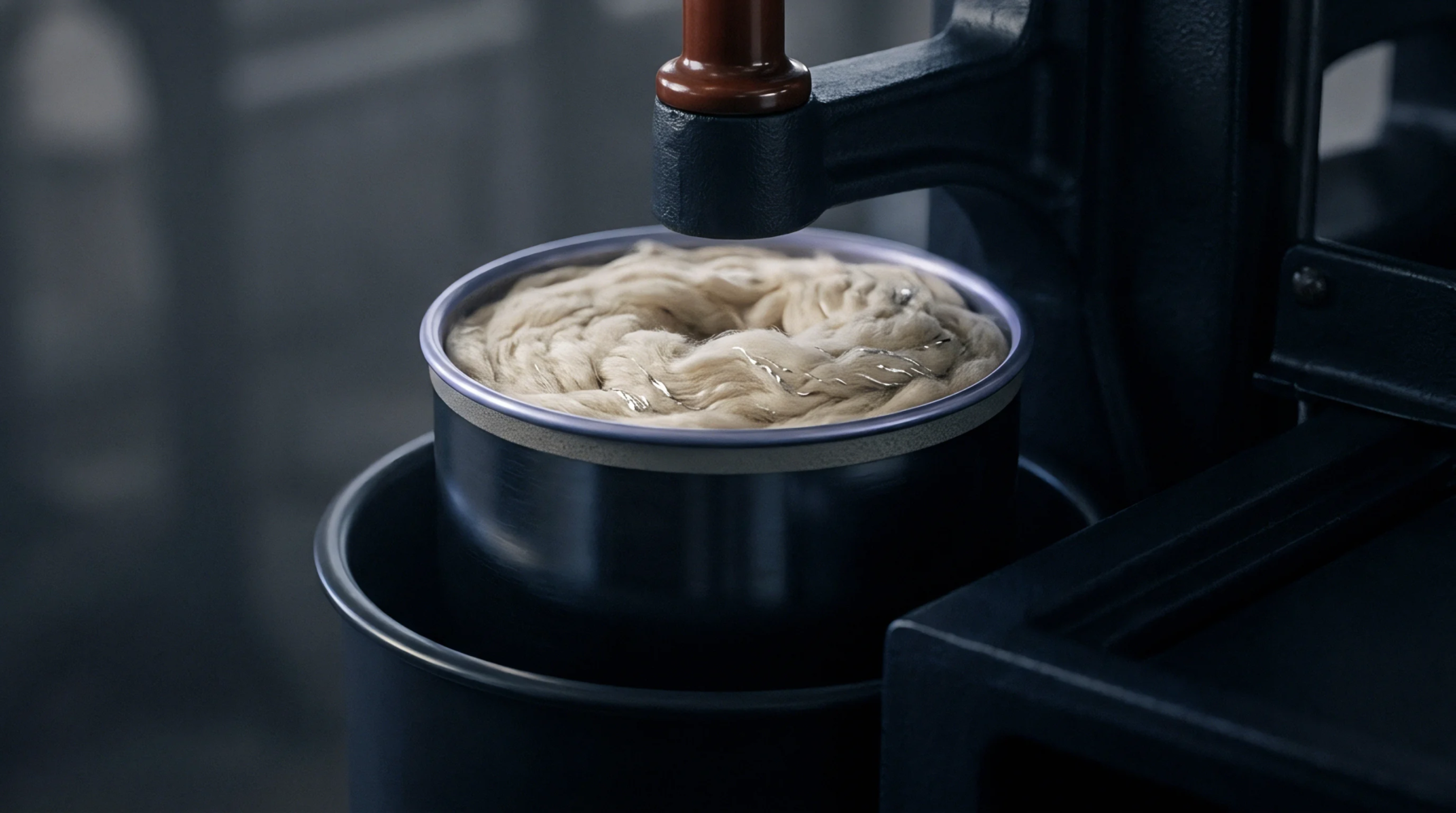
Direct linear density determination in staple yarns requires standard atmospheric conditioning, reel tension calibration, and commercial regain adjustments to verify contractual Tex accuracy.

High cover factor twills restrict intra-yarn mass transport, requiring wash-off temperatures above 85 degrees Celsius to desorb trapped hydrolyzed reactive dye.
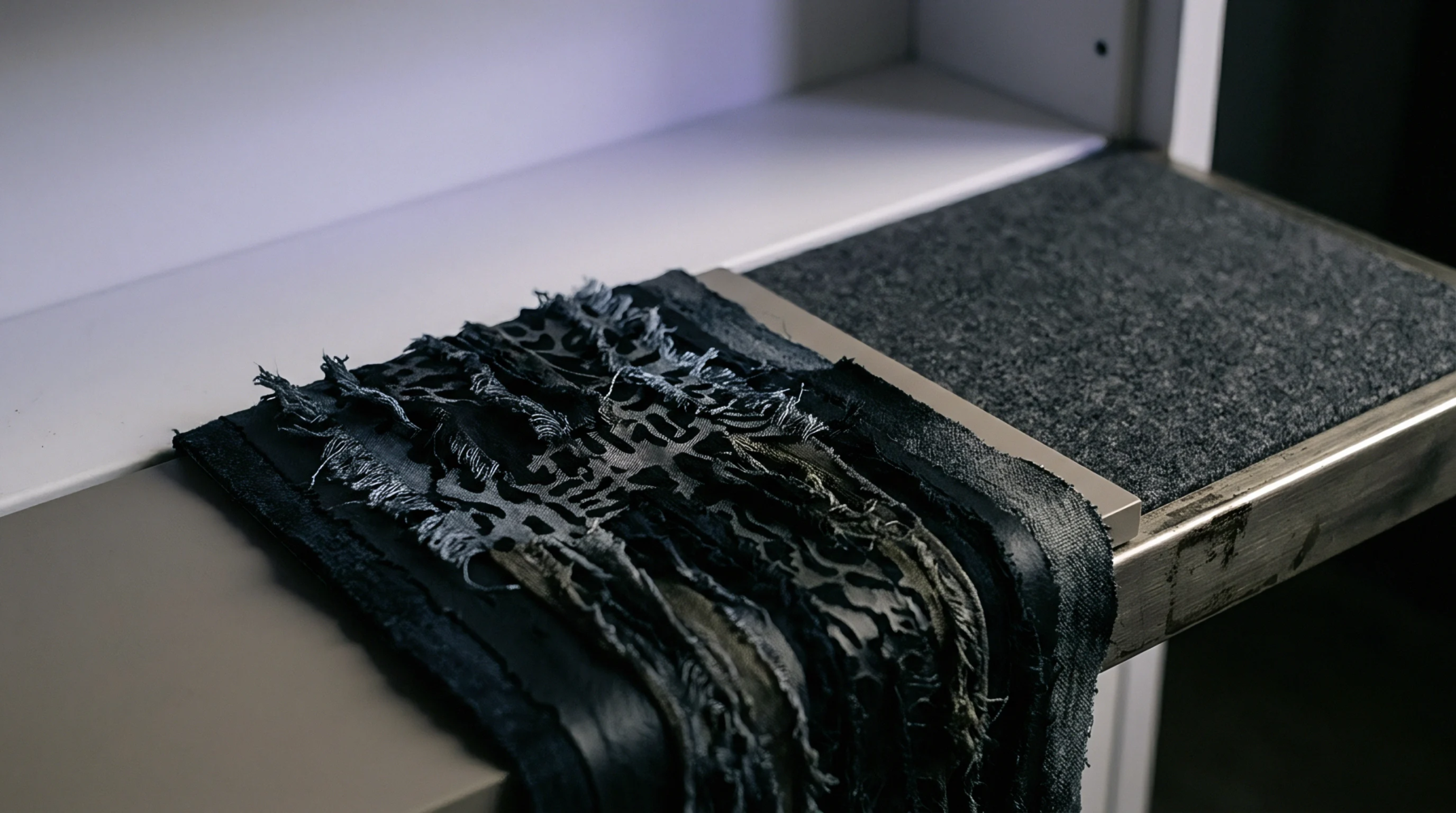
Dosing pump ratio calibration in cold pad batch dyeing prevents reactive dye hydrolysis, shade tailing, and costly bulk fabric rejections.

Dynamic control of ambient regain, pad bowl deflection, wet-bulb drying temperatures, and steam saturation halts continuous shade drift across variable weather.

High-twist plied yarn core shade levelness requires metered alkali dosing to suppress Damköhler numbers below unity during early reactive dye migration.
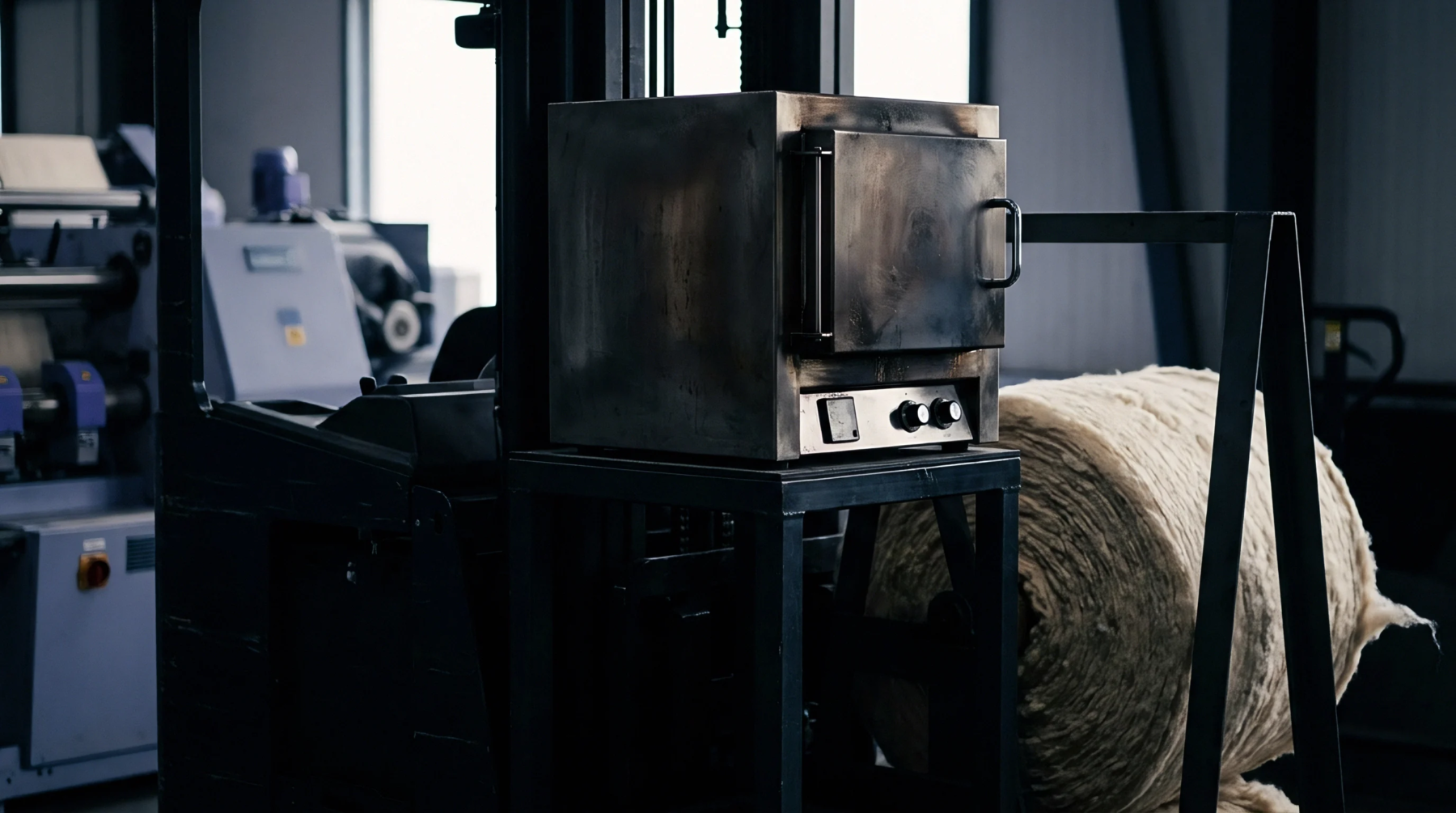
High temperature jet processing of aged elastomeric fabrics induces thermal hydrolytic cleavage, reducing retractive force and causing severe roll scrap.
Expertise is a utility, not a secret. sentiention™ publishes its working knowledge as open reference: intelligence layer covering the materials it sources, the markets it enters, and the reference that serves both.