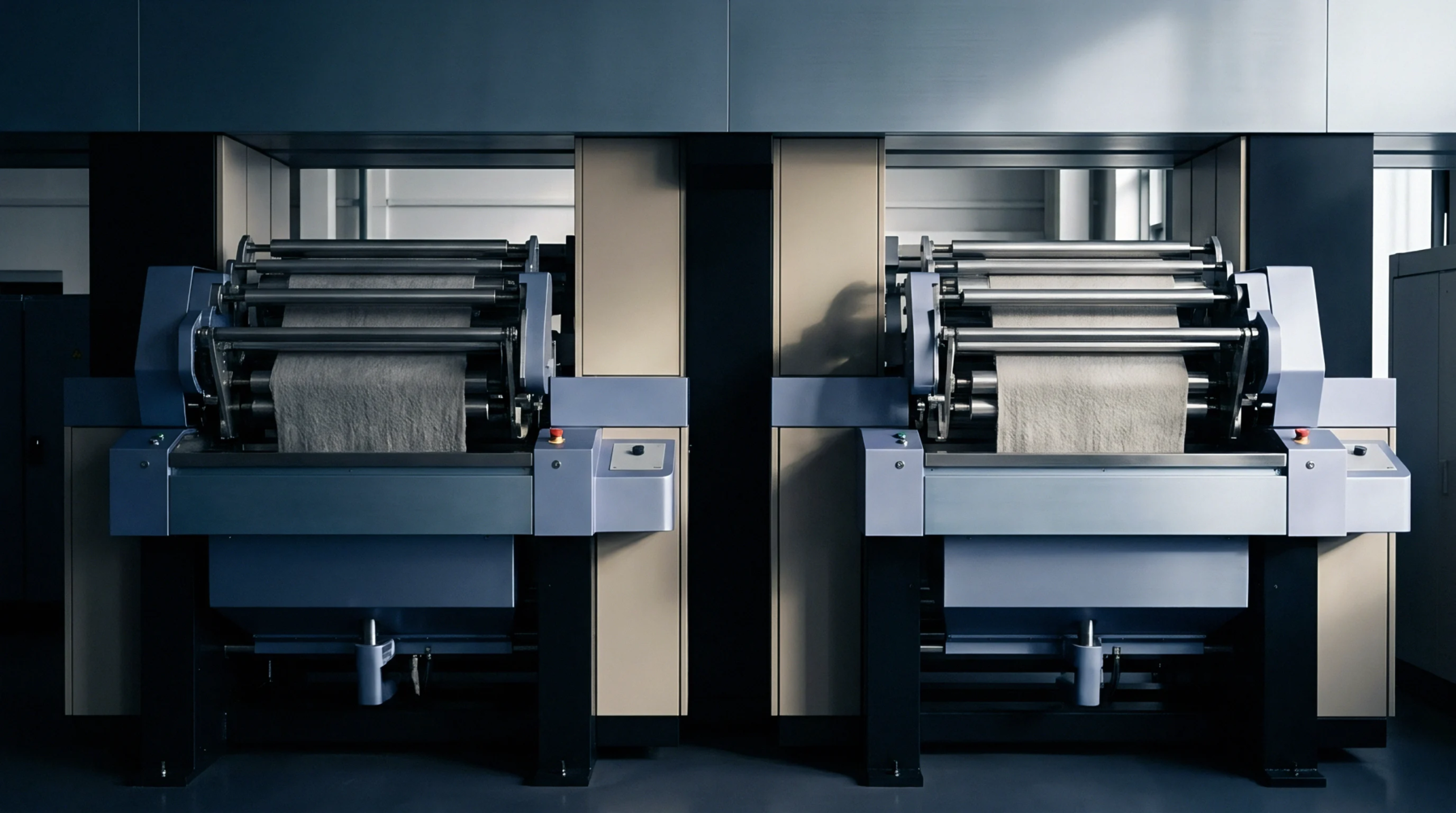
Financial Obligation
Compensation shifts from a fabric mill to a secondary producer when material damage occurs during specialized finishing stages such as printing or pleating. Converter processing liability designates the specific contractual risk a third party carries for textile yield loss during transformation cycles. A mill supplies grey goods under a contract that terminates once the physical handover to the finisher concludes.
This agreement forces the secondary processor to absorb the costs of fabric replacement if their equipment fails or if human error destroys the substrate.
Risk Distribution
Standard trade terms allocate this responsibility based on the point of transfer within a supply chain. A printer or a coater assumes legal custody of the raw material once the rolls arrive at their loading dock. They become the primary custodian for the inventory until the finished output leaves their facility.
If a machine malfunction ruins a bolt of cotton, the cost of that ruined length falls on the processor rather than the original mill. Insurance riders often exclude this type of operational error unless specific indemnity clauses cover the loss of supplied goods.
Production Threshold
Operational integrity remains the primary check for determining if the processor bears the cost of a ruined batch. Every shop floor maintains logs of machine settings and temperature gradients during the transformation process. Discrepancies between the recorded parameters and the actual results provide the basis for attributing the loss to the processor.
Evidence showing that the fabric met all quality specifications at the moment of entry into the factory forces the processor to accept the total cost of the defect.
Operational Penalty
Financial recovery occurs when the buyer executes a debit against the invoice covering the processing service. A claimant calculates the charge based on the market price of the grey goods plus the freight costs already incurred for the initial shipment. Deducting this sum from the final processing bill functions as an immediate settlement for the destroyed inventory.
Such arrangements minimize the need for lengthy litigation between partners by defining the compensation amount before the work begins. A fixed liability framework reduces uncertainty for both the mill and the printer during complex production cycles.