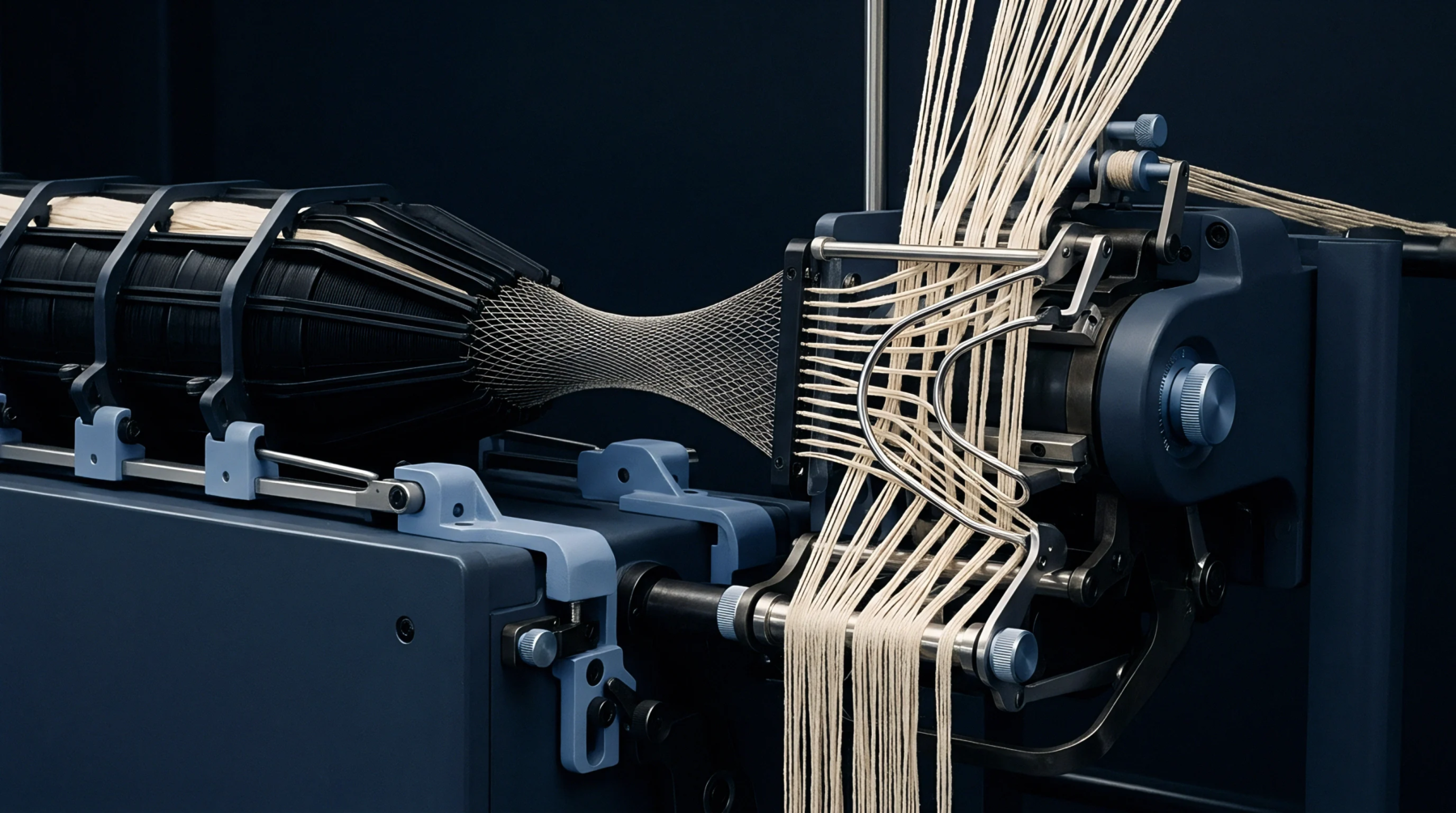
Integrating Greige Warp Crimp and Sizing Stretch in Production Calculations
Integrating sizing stretch with greige warp crimp prevents yarn over-ordering and aligns creel lengths to loom beam targets without inventory waste.
Integrating sizing stretch with greige warp crimp prevents yarn over-ordering and aligns creel lengths to loom beam targets without inventory waste.
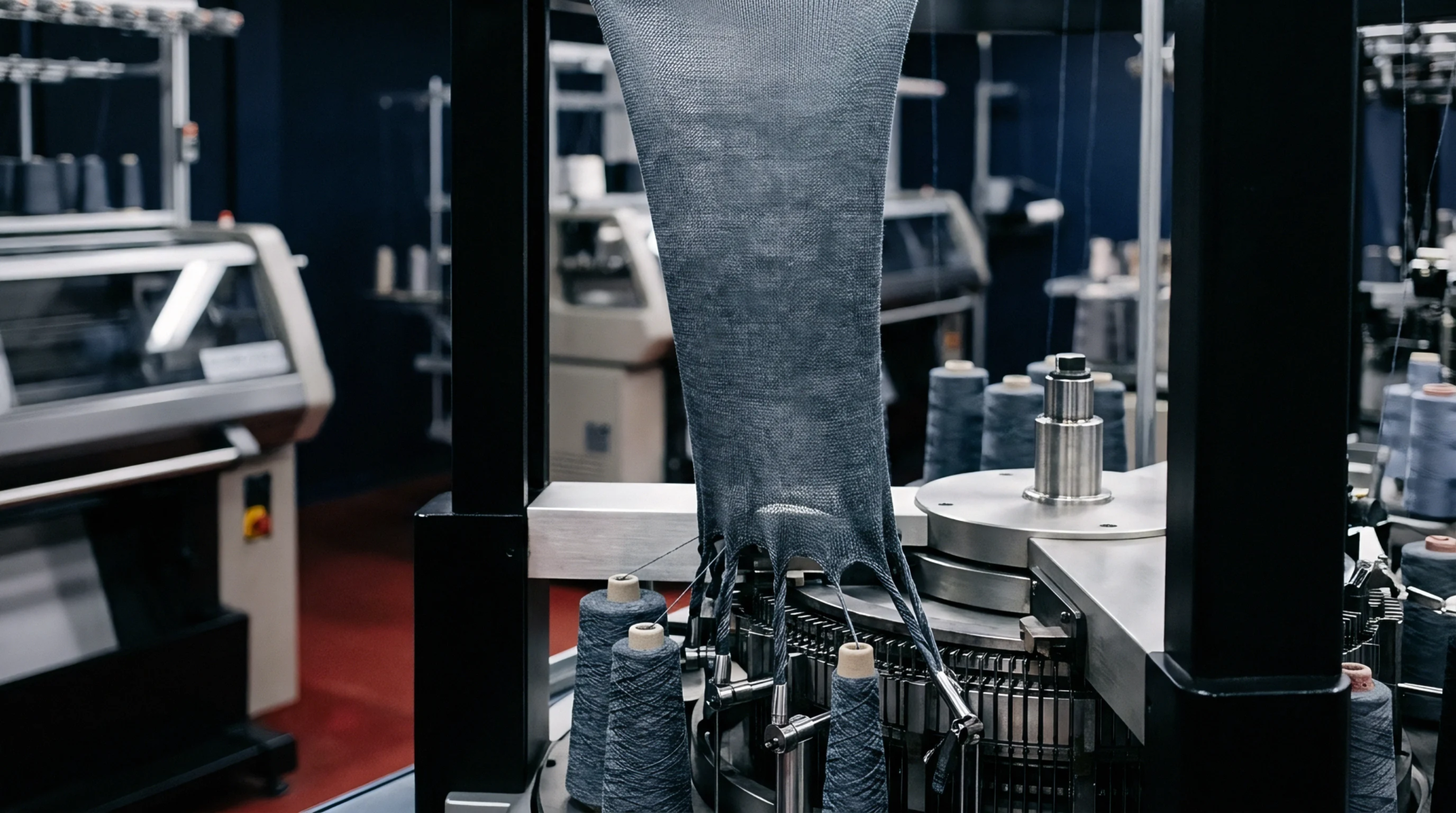
Matching knitting machine gauge to yarn linear density fixes loop tightness factor, setting the upper limit for aqueous dimensional contraction during wet finishing.
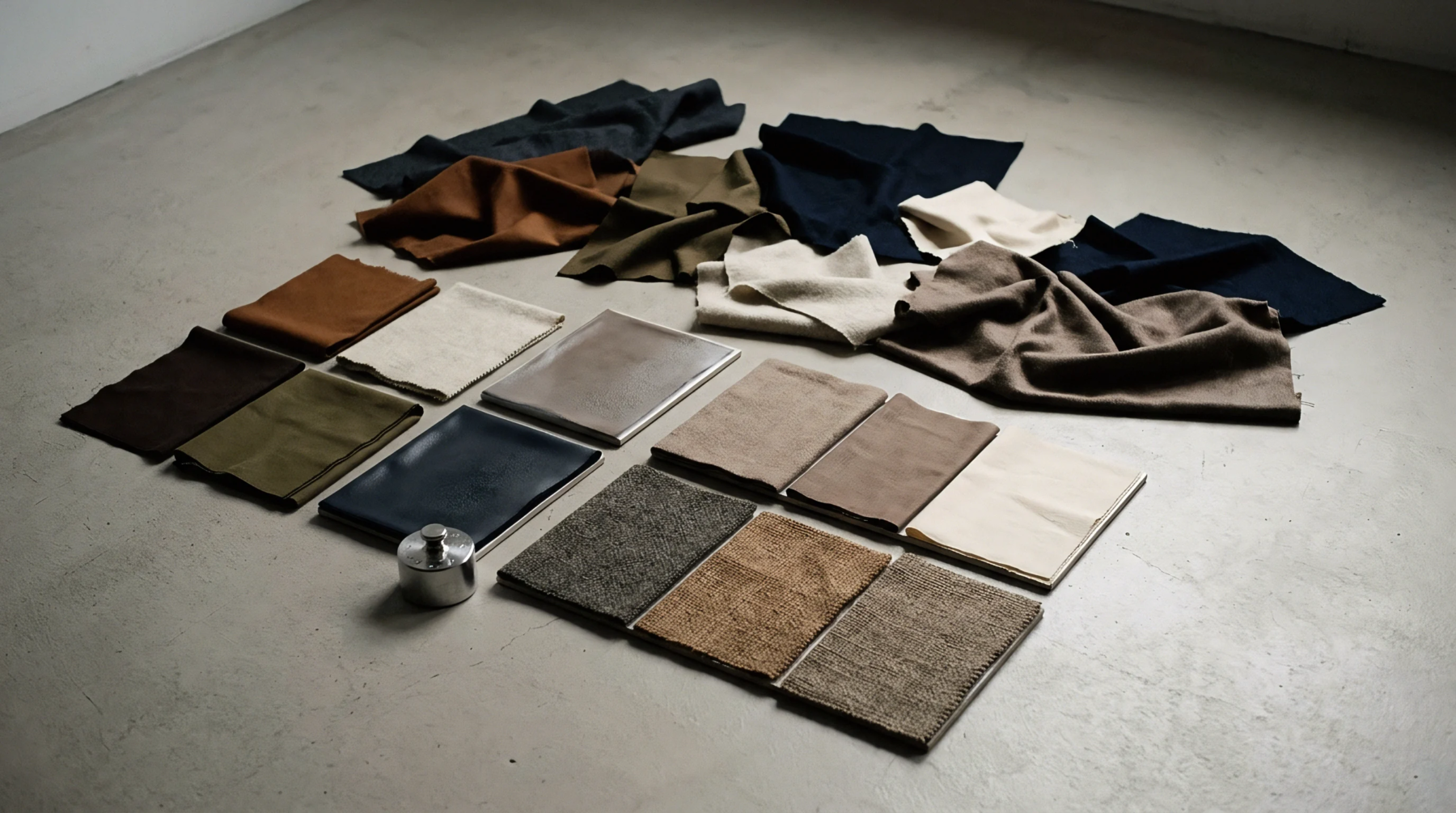
Reconciling woven fabric invoices requires deducting size solids and applying standard moisture regain to oven-dry mass before validating linear yield.
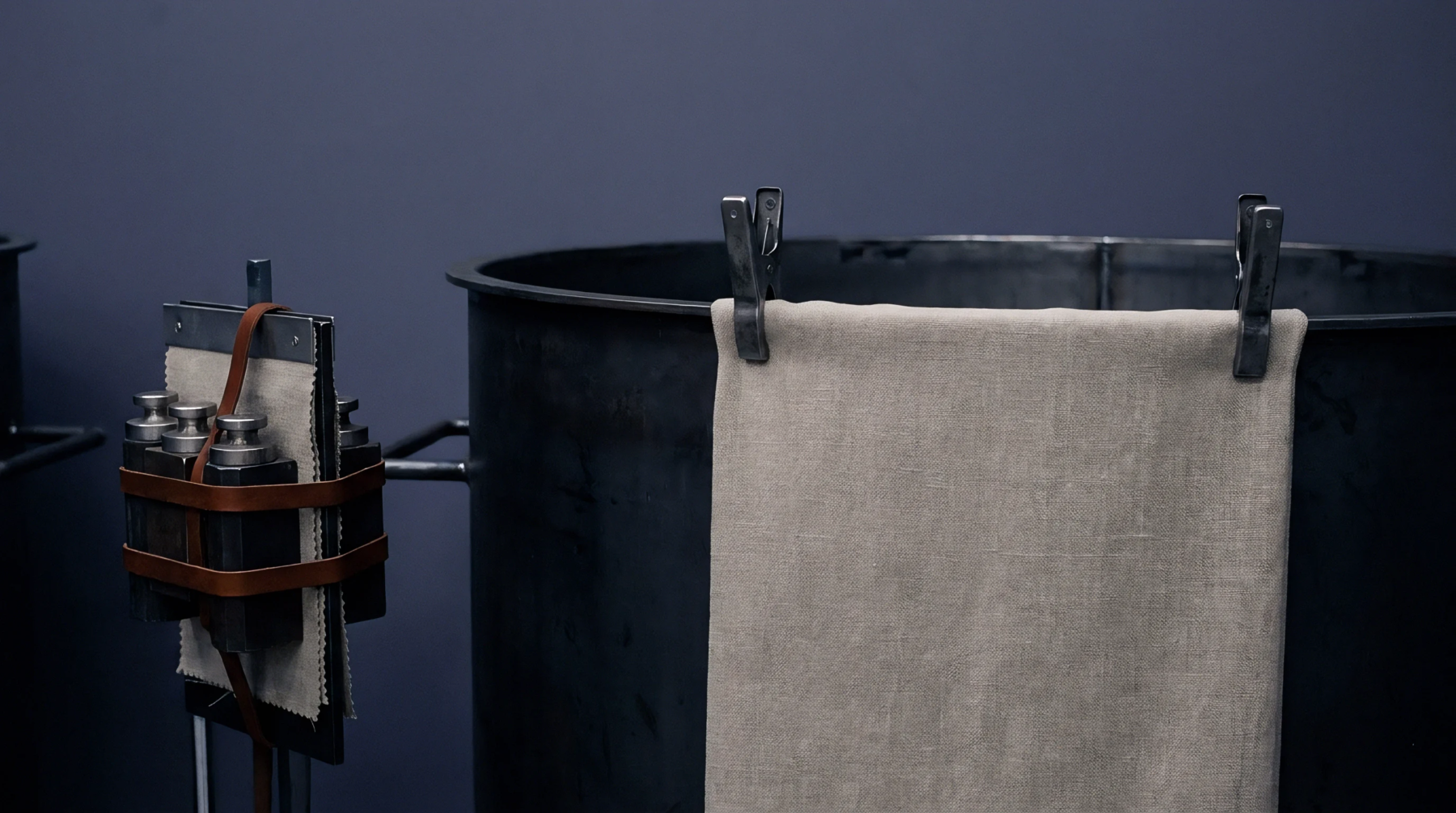
Optimizing wet pickup in woven twills demands balancing roll durometer and pad nip pressure against capillary pore architecture to cut energy and ensure level shade.
CIEDE2000 with 2:1:1 parametric weighting aligns numerical batch tolerances with visual panel acceptance across woven fabrics better than legacy DE76 or CMC equations.

Industrial shade approval relies on daily white tile calibration, black trap zeroing, UV adjustments, and aperture matching across color measurement units.
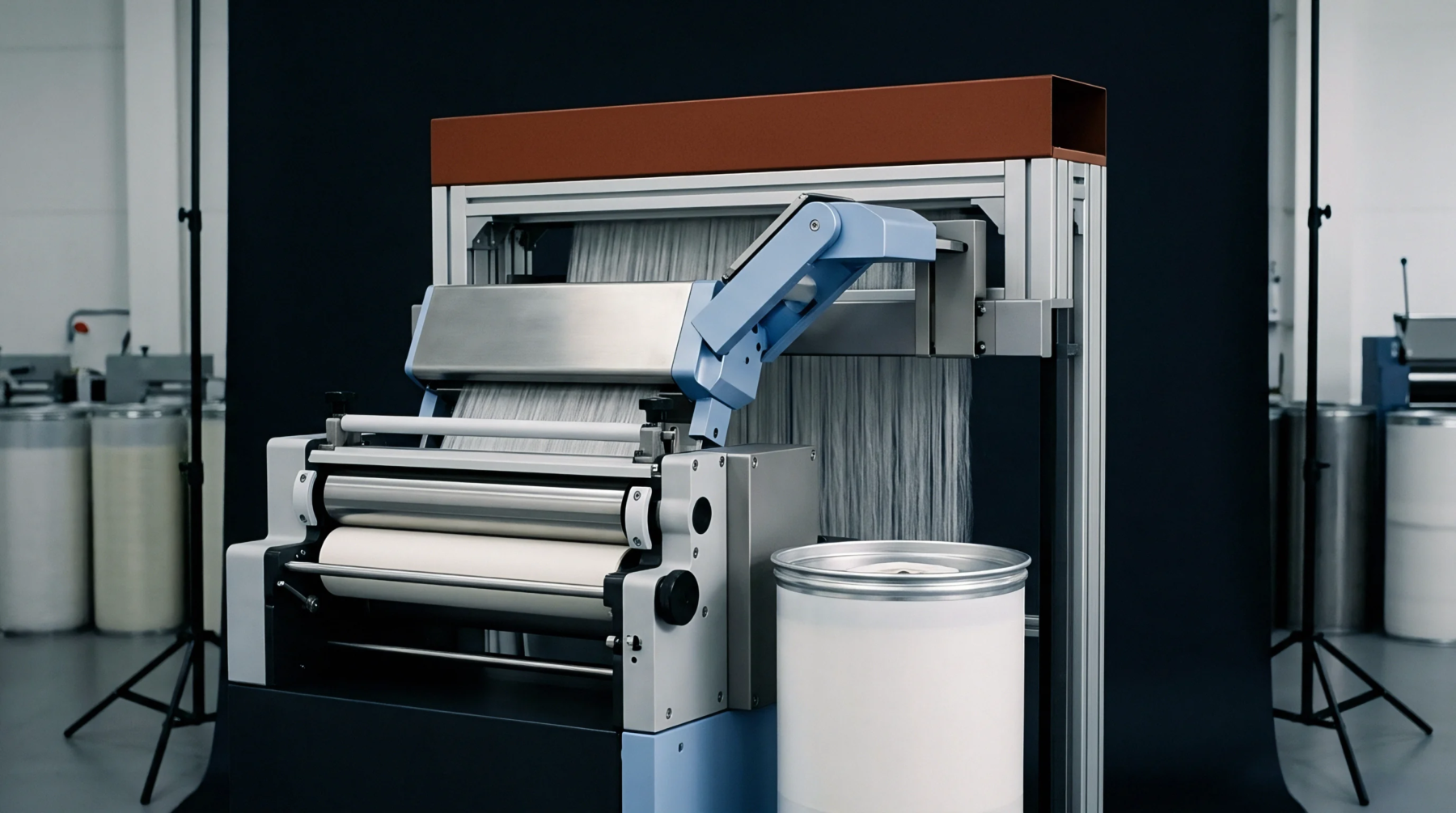
Declining repeat volume forces shifts from continuous to exhaust routes, driving up unit setup waste, expanding liquor ratios, and requiring wider shade tolerances.
High fluid shear compresses boundary layers, accelerating hydroxyl mass transfer and driving hydrolytic dyestuff loss in bifunctional reactive dyeing.
Controlled progressive alkali dosing matches jet fabric loop velocity to eliminate surface fixation spikes and secure level shade fixation on cellulosic cloth.
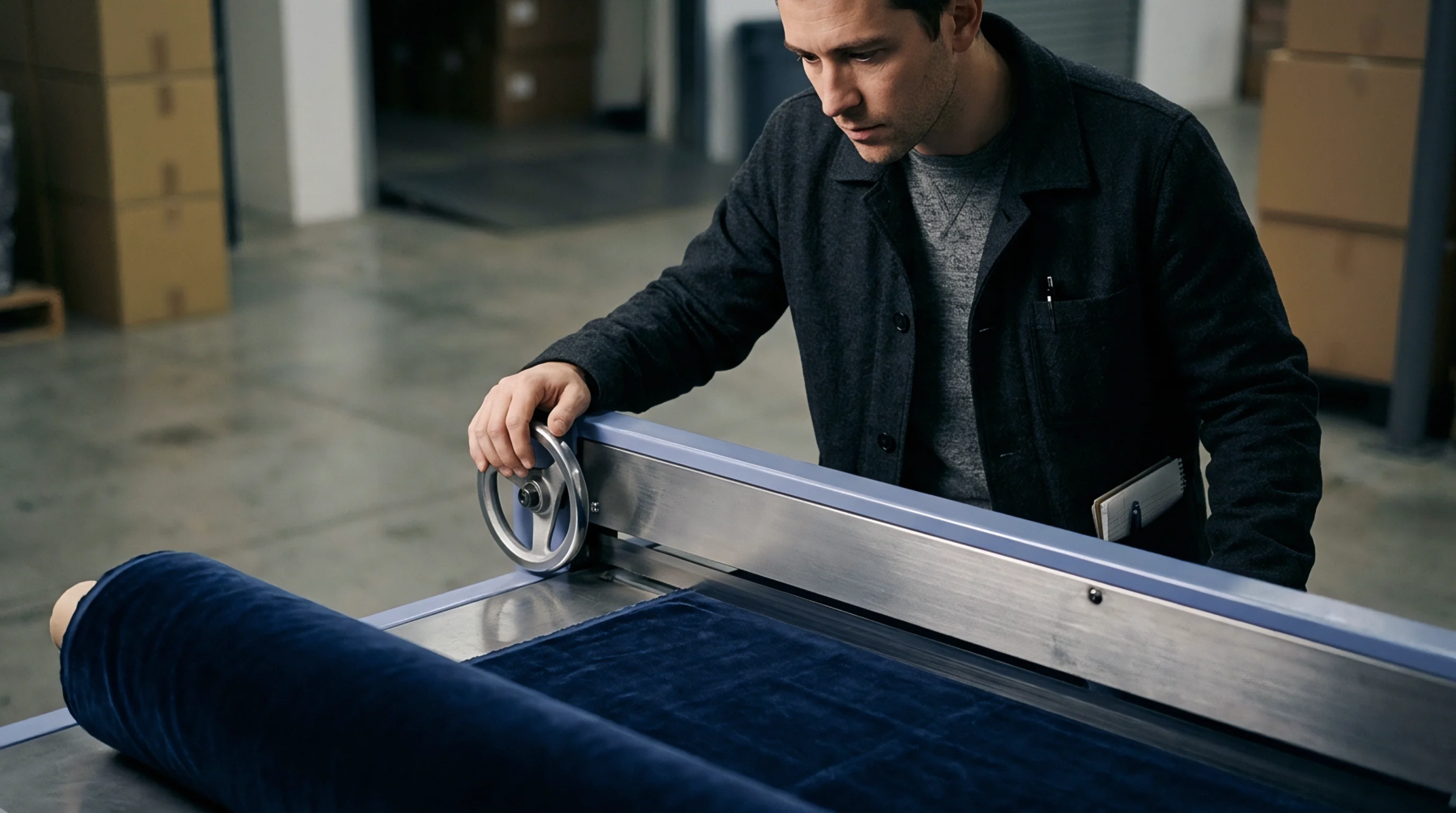
Enforce CIEDE2000 digital master tolerances with independent hue caps and multi-illuminant verification to maintain shade parity across split production runs.
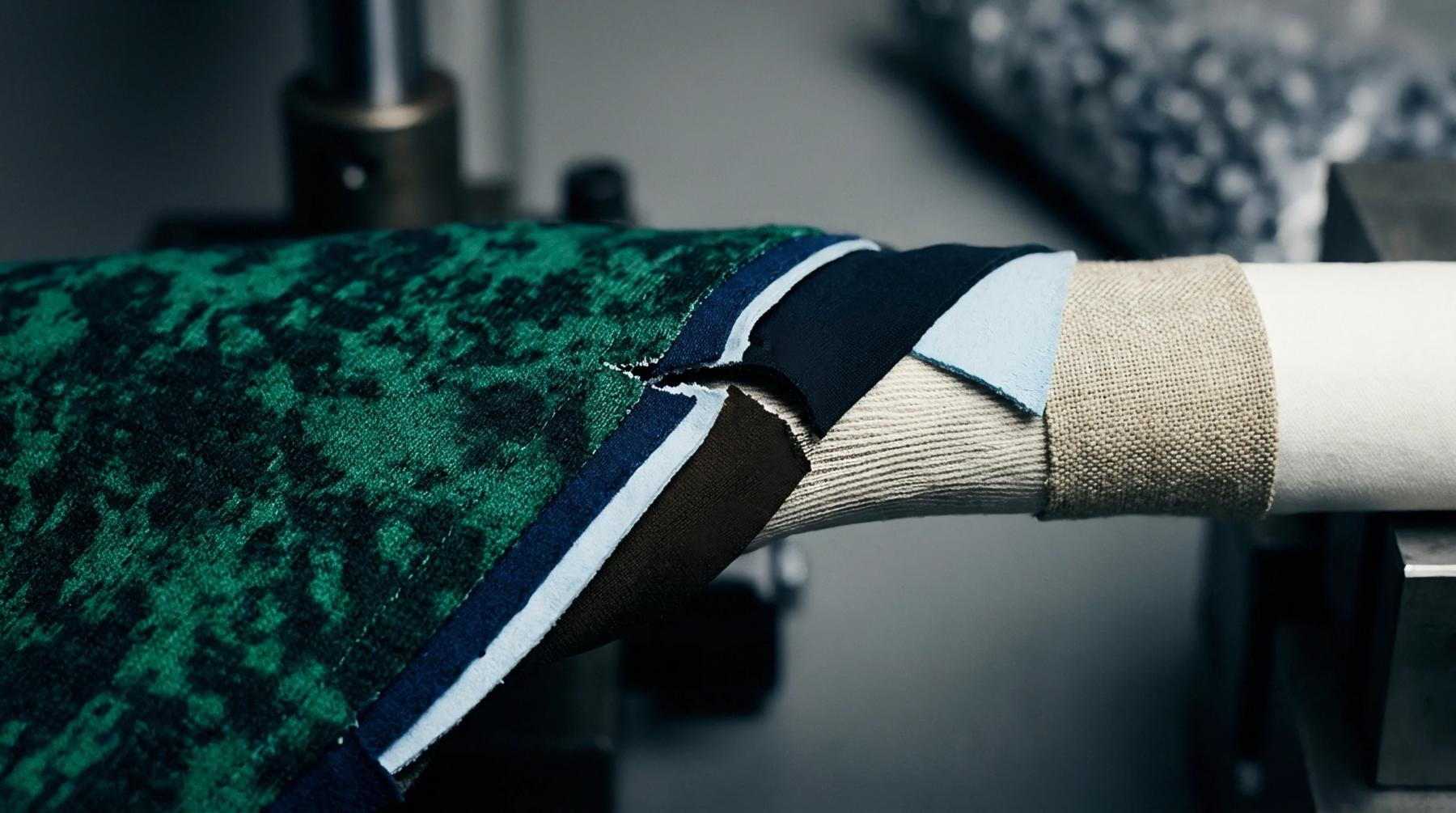
Calibrate stenter line speed to effective core dwell time above 190°C rather than total chamber residence to prevent spandex degradation and knit shrinkage.
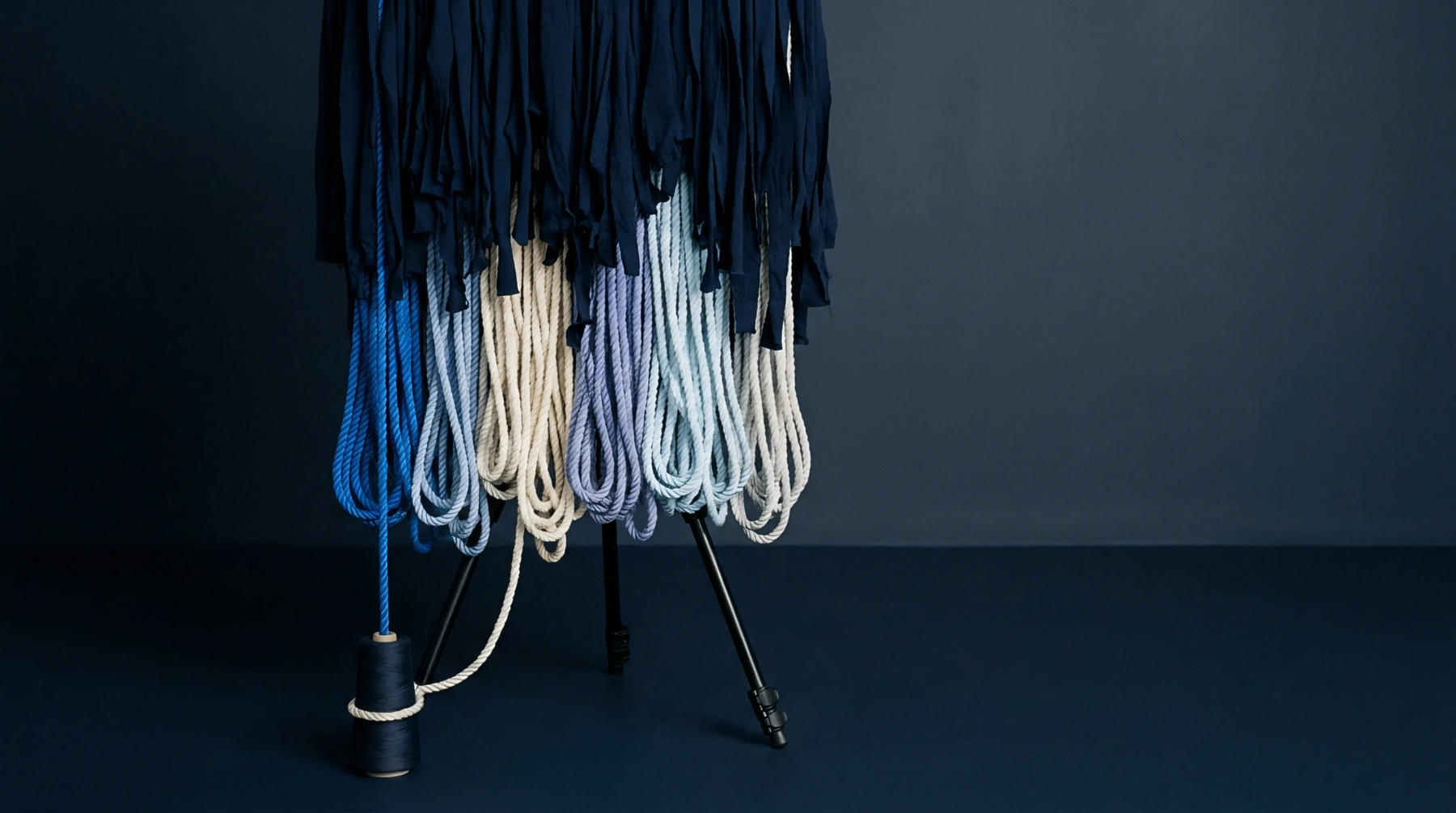
Heavy cotton duck dyeing requires progressive electrolyte dosing, high-pressure liquor penetration, and strict tension control to eliminate surface ring-dyeing.

Nozzle pressure limits in jet dyeing protect sensitive fiber strands from kinetic liquid shear abrasion while maintaining stable fabric propulsion speeds.

Optimizing continuous padding on mercerized heavy twills requires balancing 65% wet pick-up against dynamic surface tension to ensure complete core penetration.
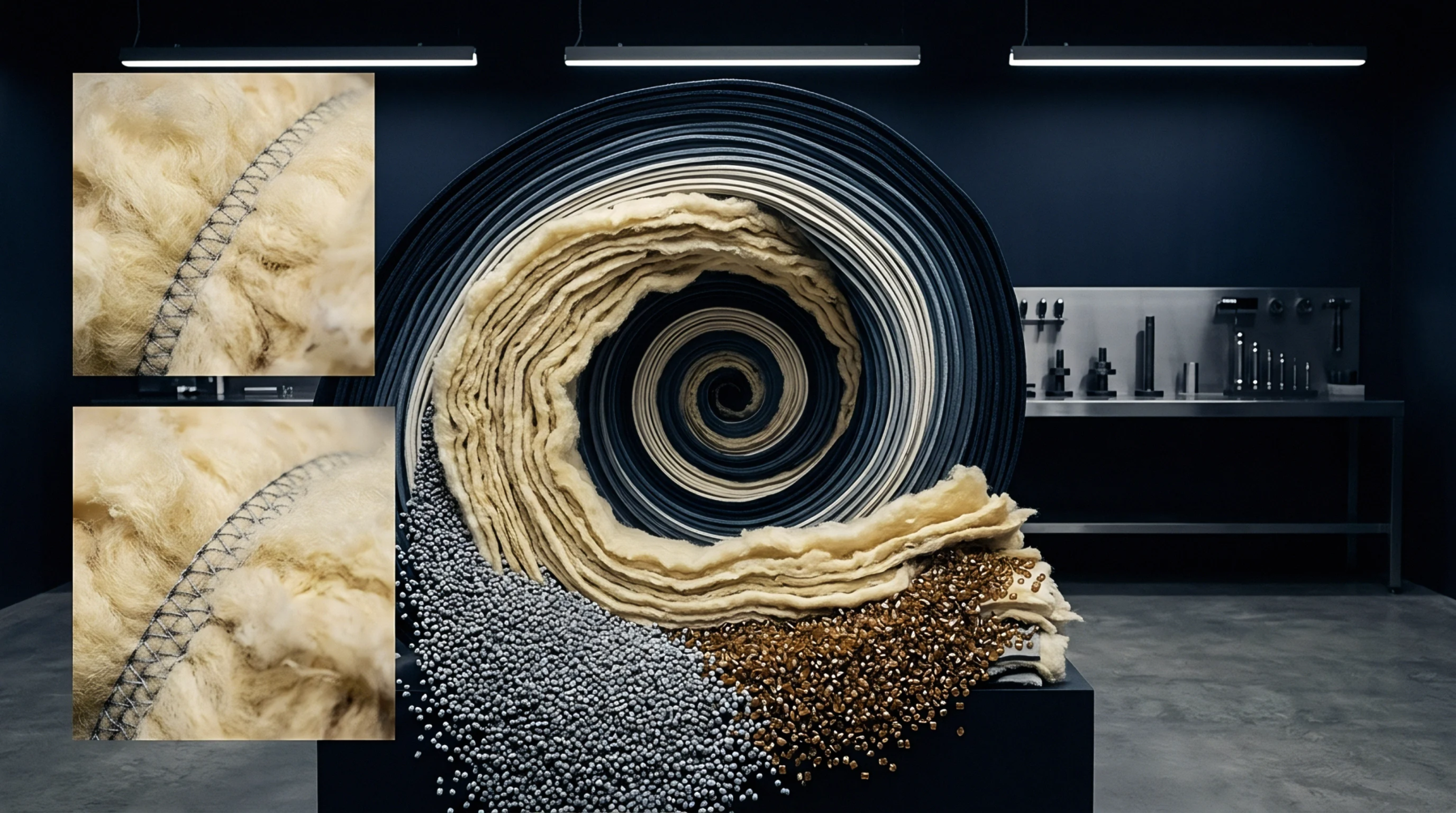
Structure extended shelf-life warranties and telemetric environmental covenants to shift polymer degradation losses from buyers to negligent warehouse bailees.

Unfinished greige fabric preservation demands humidity control between 50 and 65 percent relative humidity to prevent size retrogradation and oil oxidation.
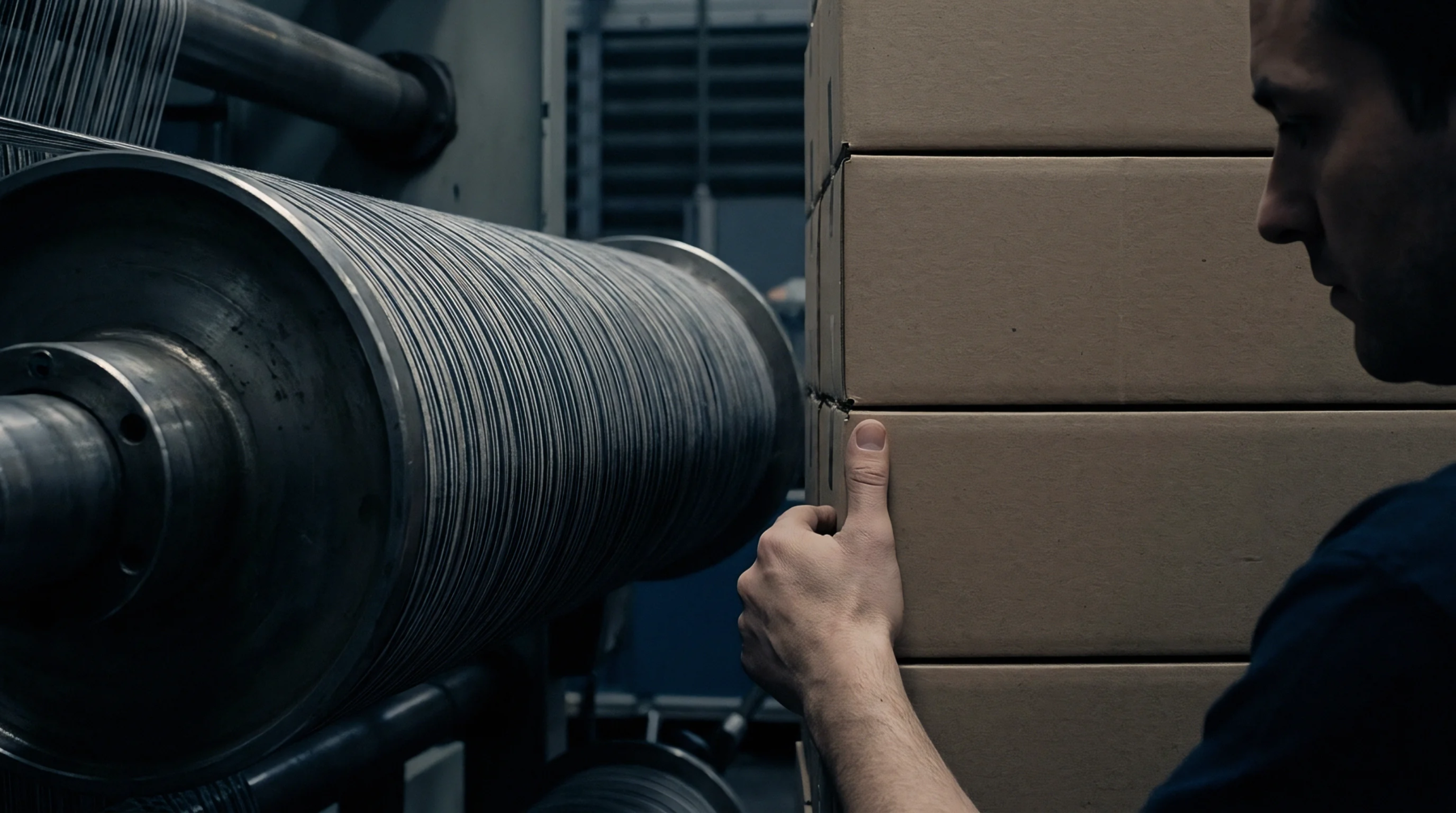
Creel position frictional differential and package diameter decay drive warp tension variance, requiring dynamic compensation to limit loom stoppage rates.

Linear salt dosing coupled with controlled liquor flow balances surface exhaustion and pore diffusion to eliminate core pale zones in heavy ring spun twills.
Commission dyeing defect liability requires contractual tripartite agreements, pre-process greige verification gates, and analytical fault isolation.

Greige qualification governs wet processing uptake through conditioned mass accounting, chemical size identification, capillary absorbency, and bow tolerances.
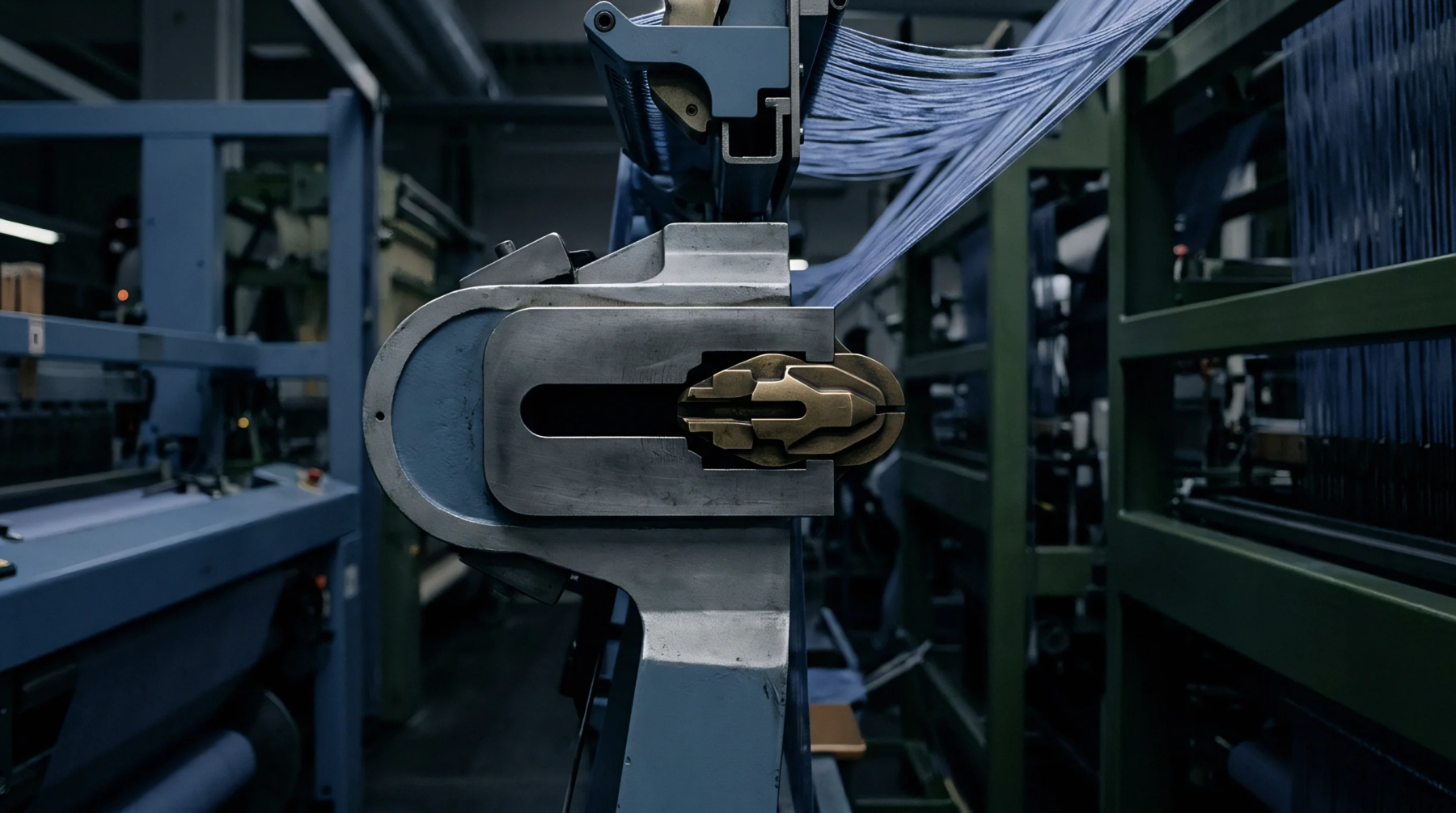
Warp and weft crimp exchange during wet finishing balances longitudinal overfeed and lateral rail draft to set fabric weight and arrest post-wash shrinkage.
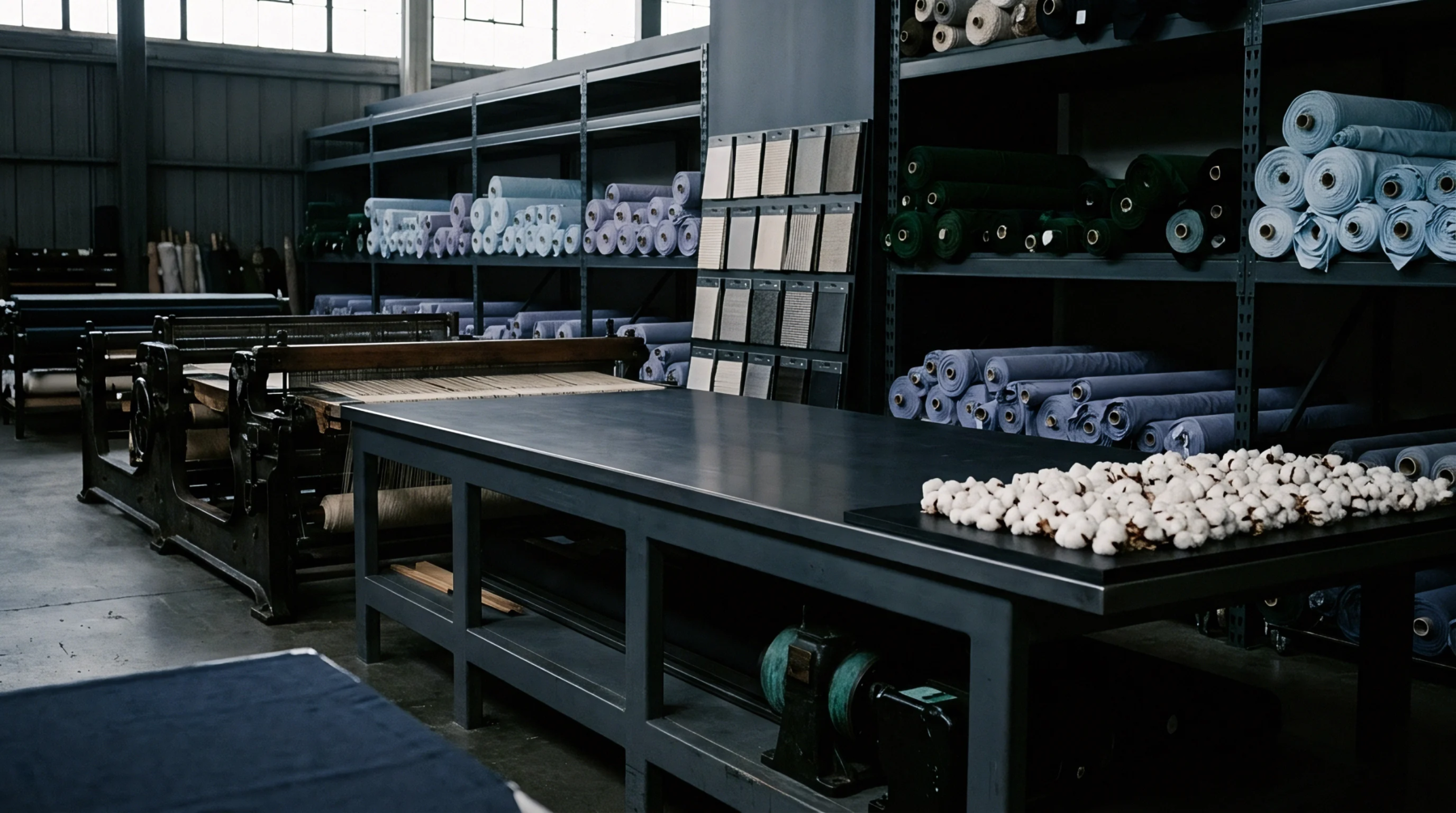
Preparation of heavy cotton twill requires 85-degree flame singeing, dual-dip enzymatic desizing, open-width alkaline scouring, and 28 Baumé mercerization.
Dimensional and cover loss disputes require binding retain-swatch testing under ISO 5077 to isolate mill finishing strain from spreading room tension.
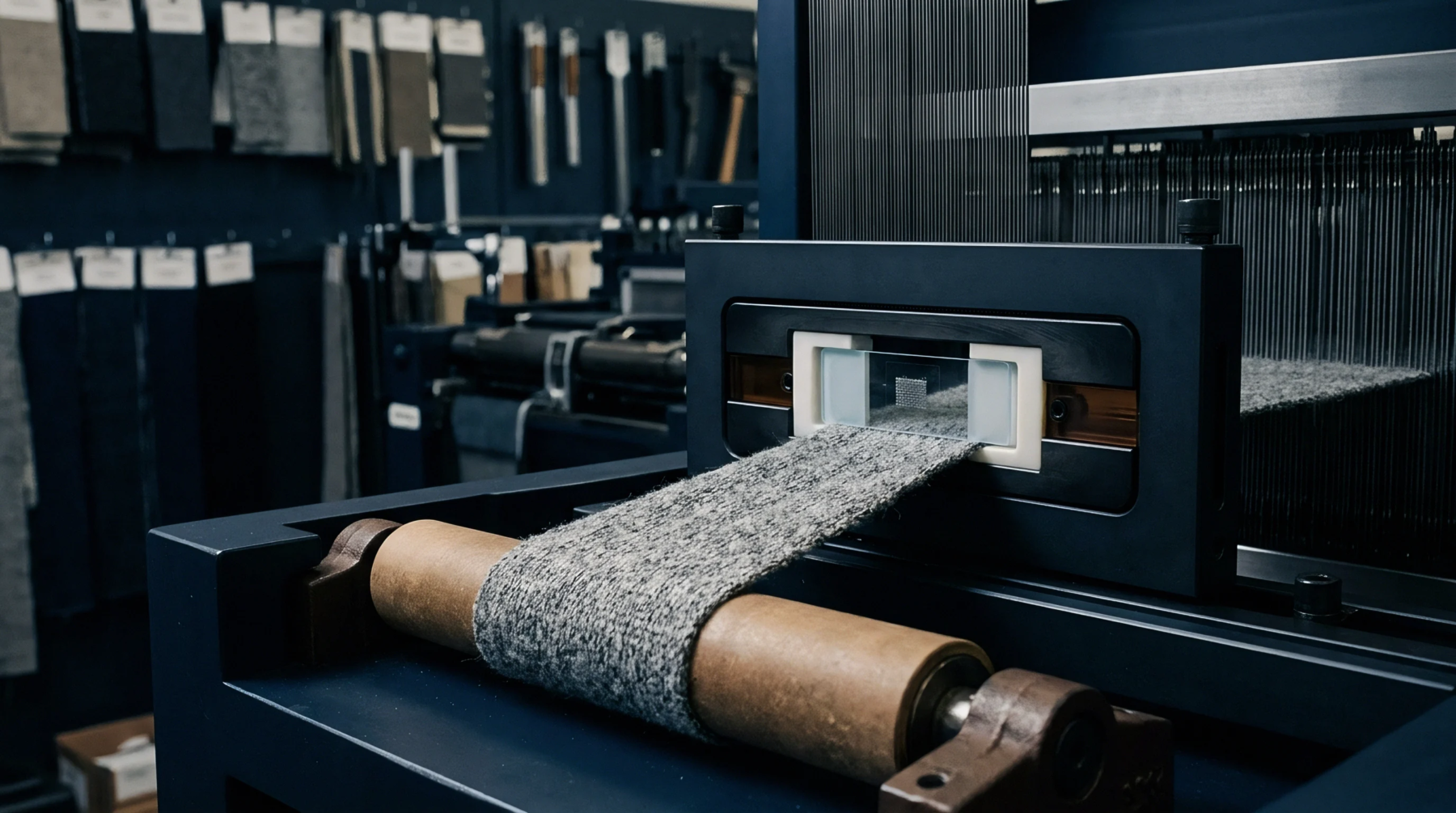
Standard atmospheric conditioning eliminates sorption hysteresis errors, securing accurate fabric weight, thread density, and commercial mass billing.

Controlling latent fabric skew and metamerism in subcontracted chains demands unified yarn torque standards, identical dye trichromies, and strict inter-mill dockets.
Tri-illuminant shade approval aligns lab dips with bulk by enforcing primary D65 visual matching alongside secondary TL84 and Illuminant A metameric tolerances.
Dynamic web tension locks yarn crossovers into high-resistance capillary slit pores, requiring controlled positive overfeed to maintain open fluid transport.
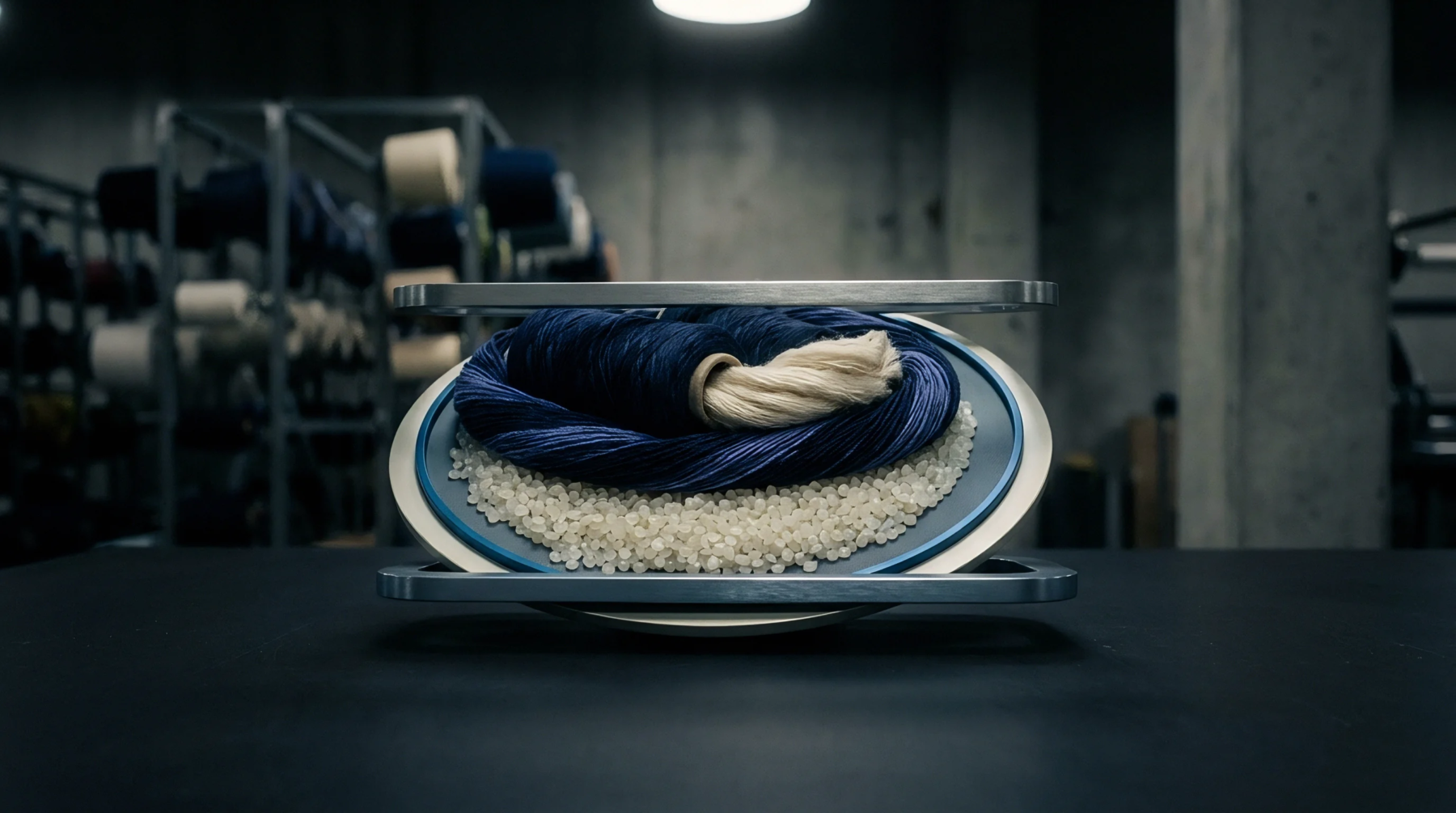
Determining required loom reed width requires converting unraveled weft yarn takeoff data into take-up fractions and adding wet processing shrinkage allowances.
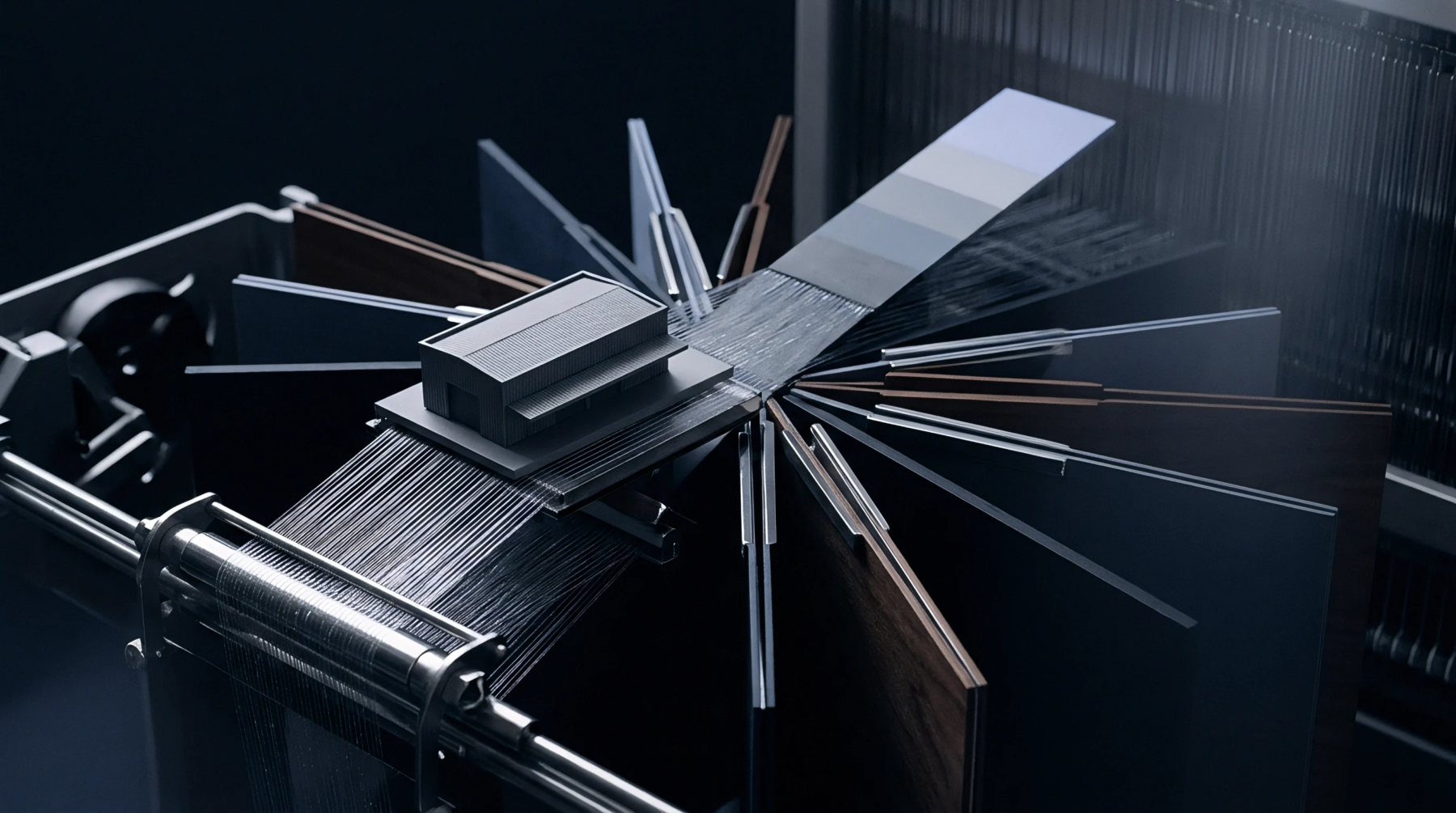
High warp cover factors drastically spike air jet loom beat-up forces, requiring optimized size films and asymmetric shed timing to prevent stop marks and yarn damage.
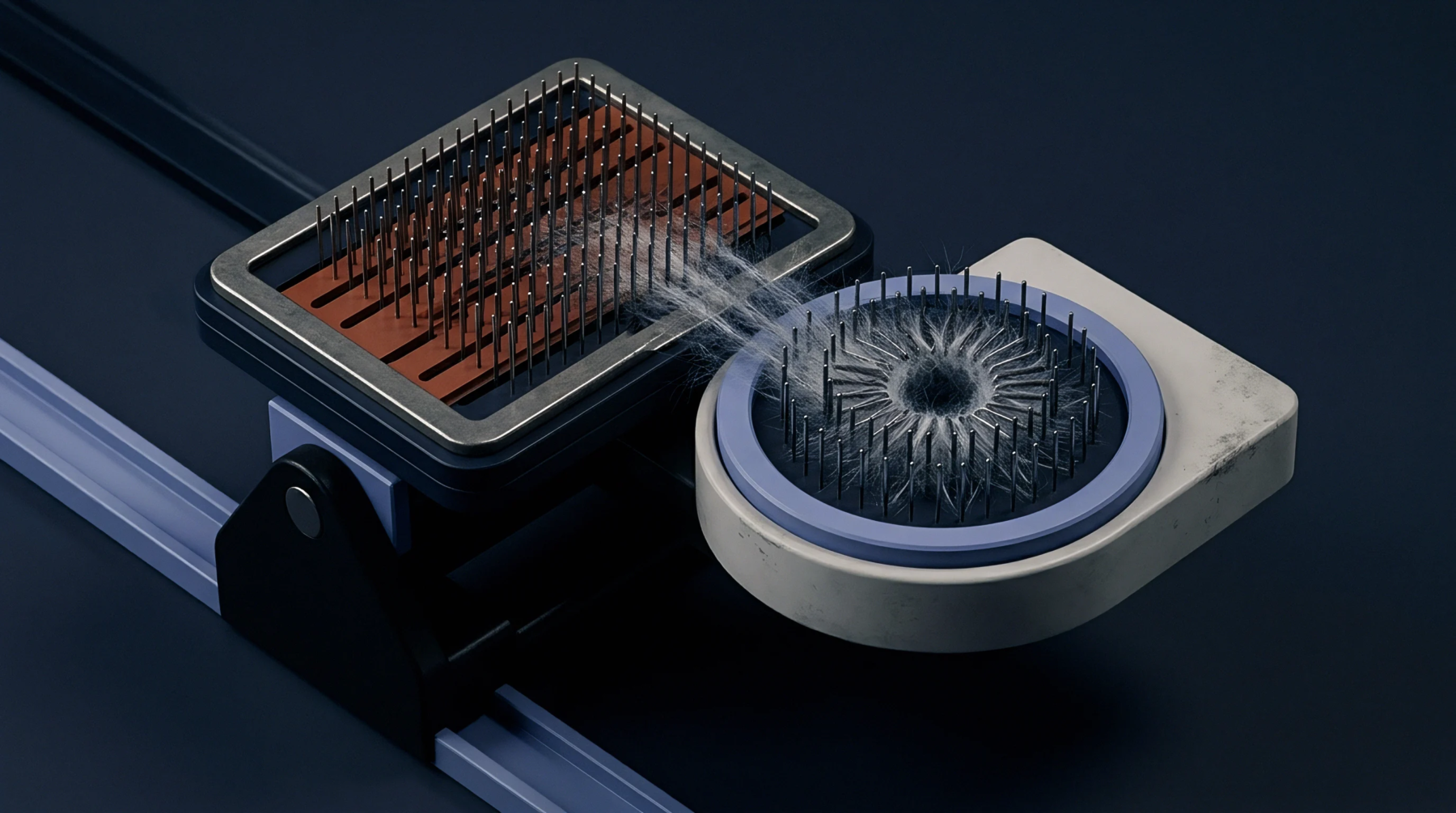
Single-pass printhead arrays incur higher capital depreciation and fluid purge waste than multi-pass engines, demanding strict contract coverage caps.
Expertise is a utility, not a secret. sentiention™ publishes its working knowledge as open reference: intelligence layer covering the materials it sources, the markets it enters, and the reference that serves both.