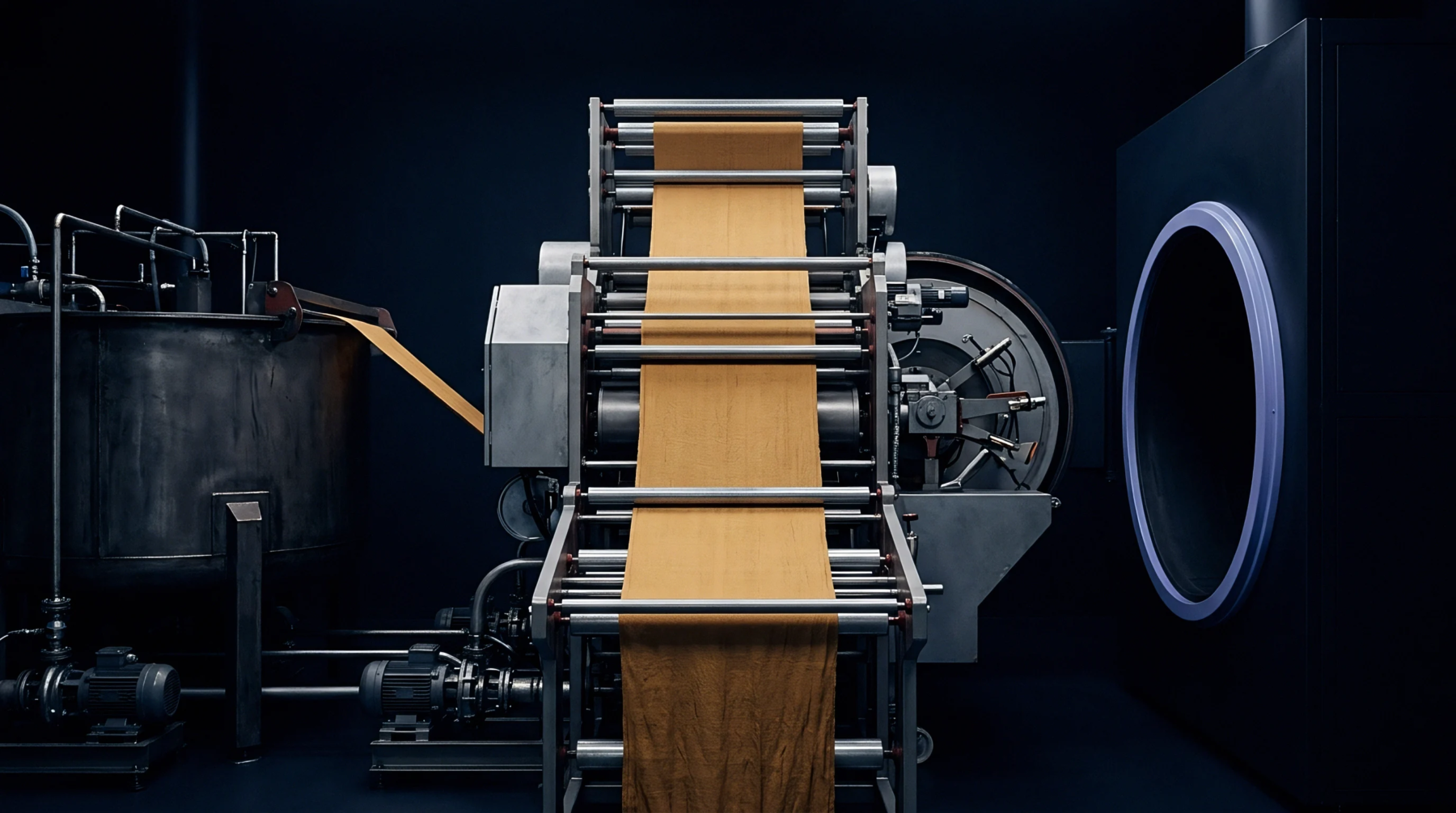
Determining Fabric Mass and Width Specifications in Woven Sourcing
Specify conditioned mass under ISO 3801 and minimum cuttable width excluding selvedges to lock in garment yield and protect unit production economics.
Specify conditioned mass under ISO 3801 and minimum cuttable width excluding selvedges to lock in garment yield and protect unit production economics.

Stabilizing hard segment crystallization via controlled thermal quenching and stenter dwell times eliminates elastomeric creep and width variation in stretch goods.
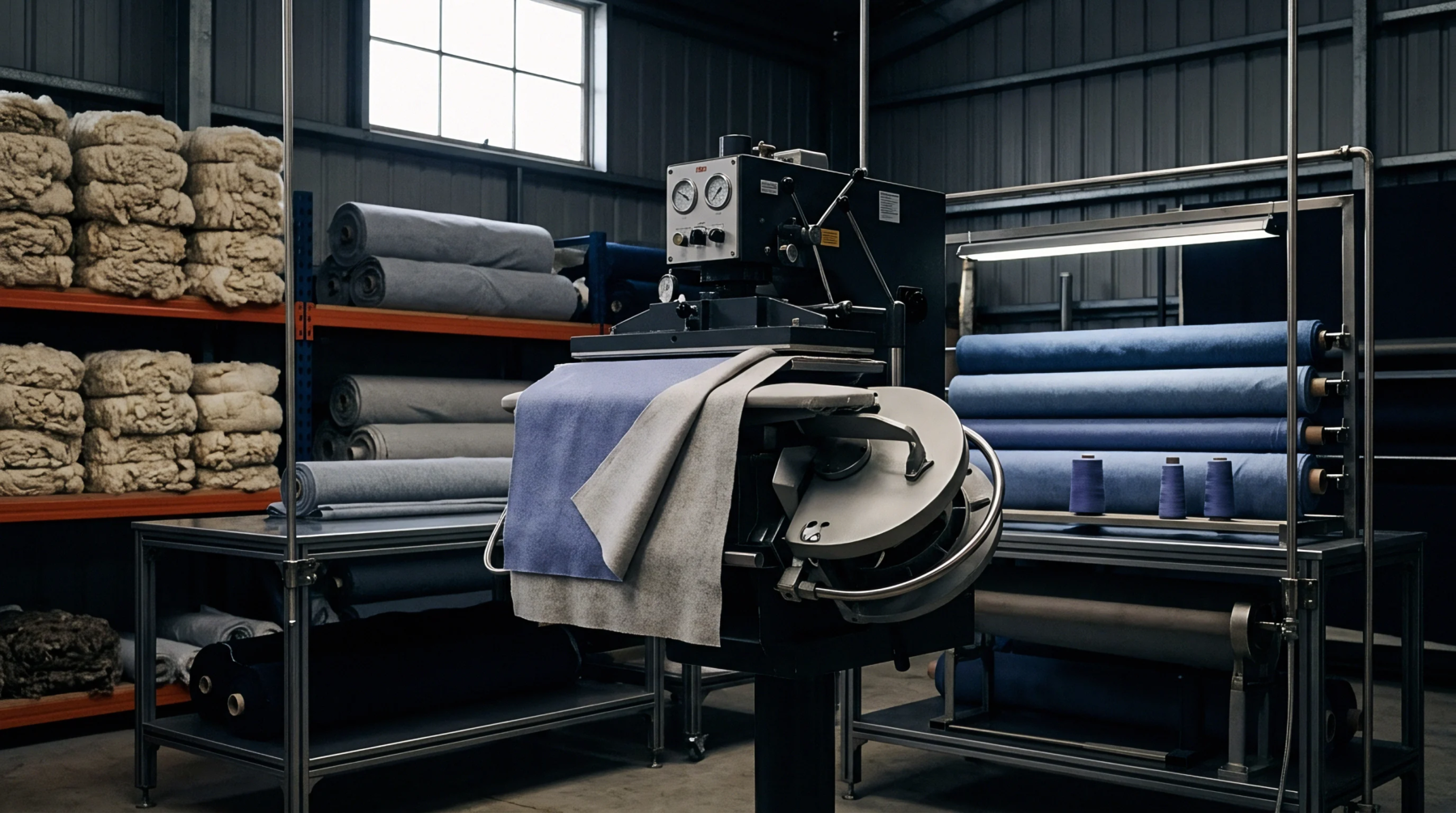
Controlled stenter dwell at 185-195°C stabilizes polyurethane hard segments to minimize viscoelastic force decay and garment bagging in stretch wovens.
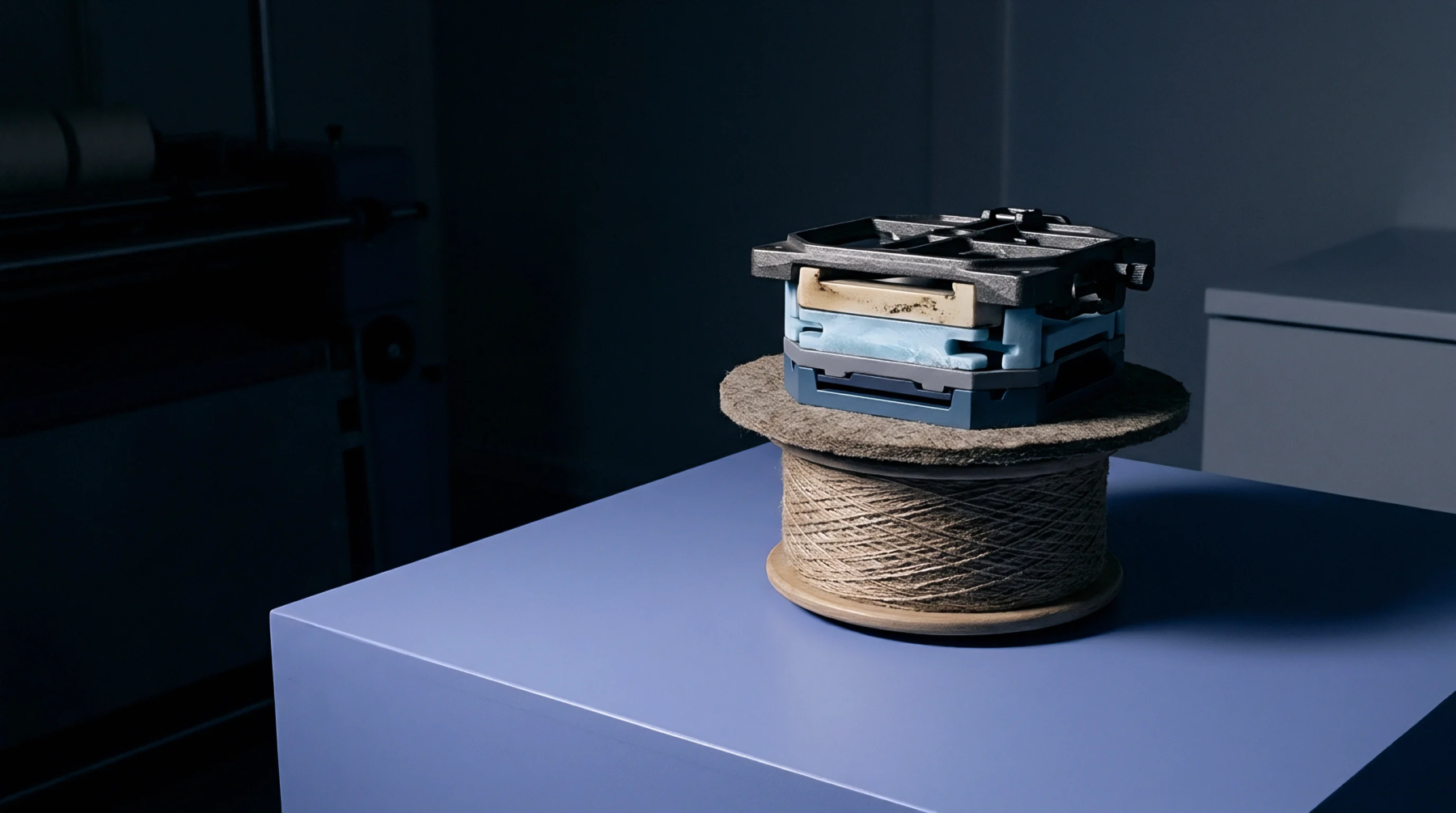
Air jet core-spun yarns deliver torque-free, pill-resistant elastic wovens by locking polyurethane filaments inside parallel staple cores bound by vortex wrappers.
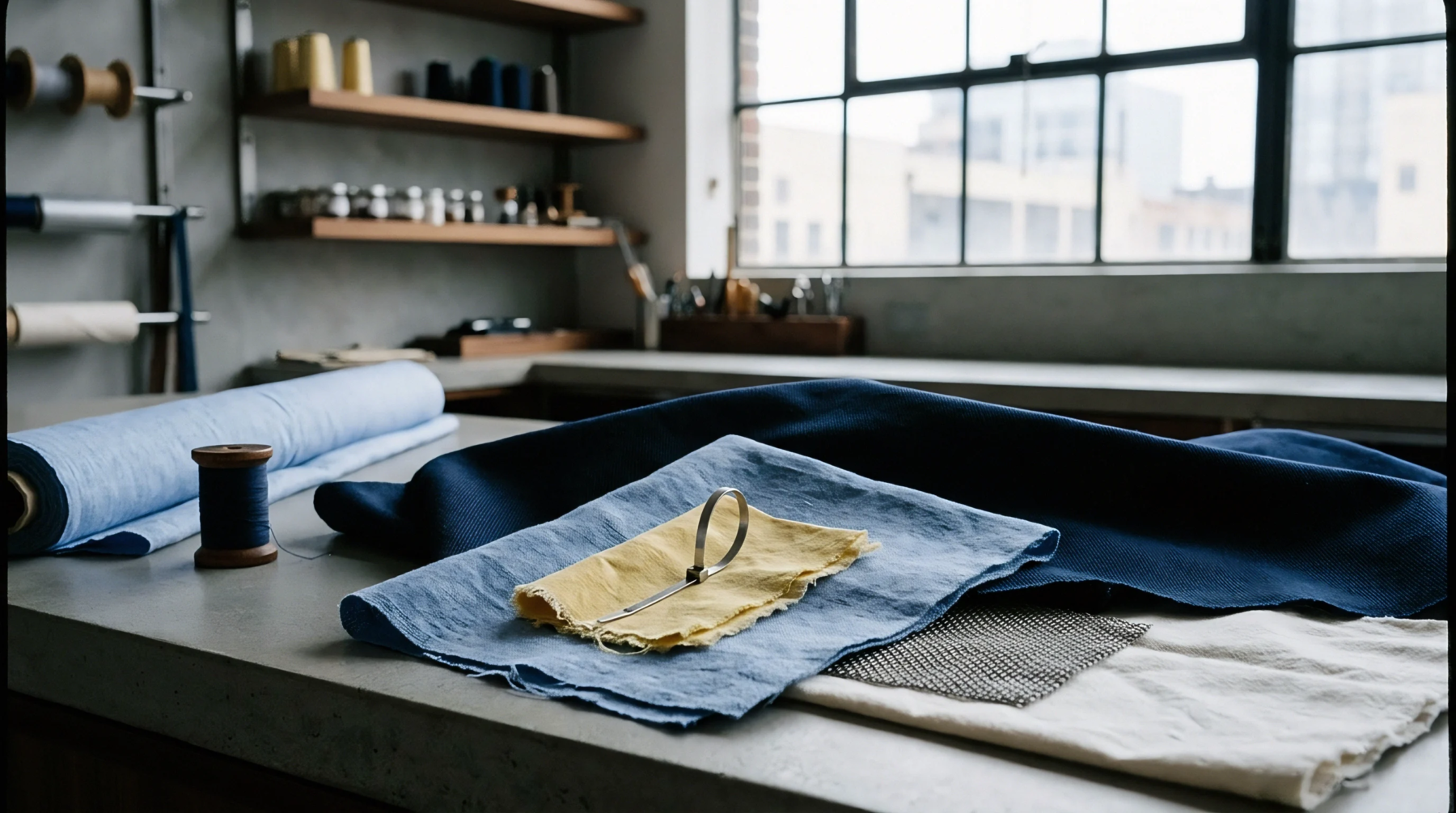
Synchronize multi-motor continuous dye drives to maintain warp tension under 1.8 N/cm, preventing twill skew, pick count loss, and face-to-back shading.
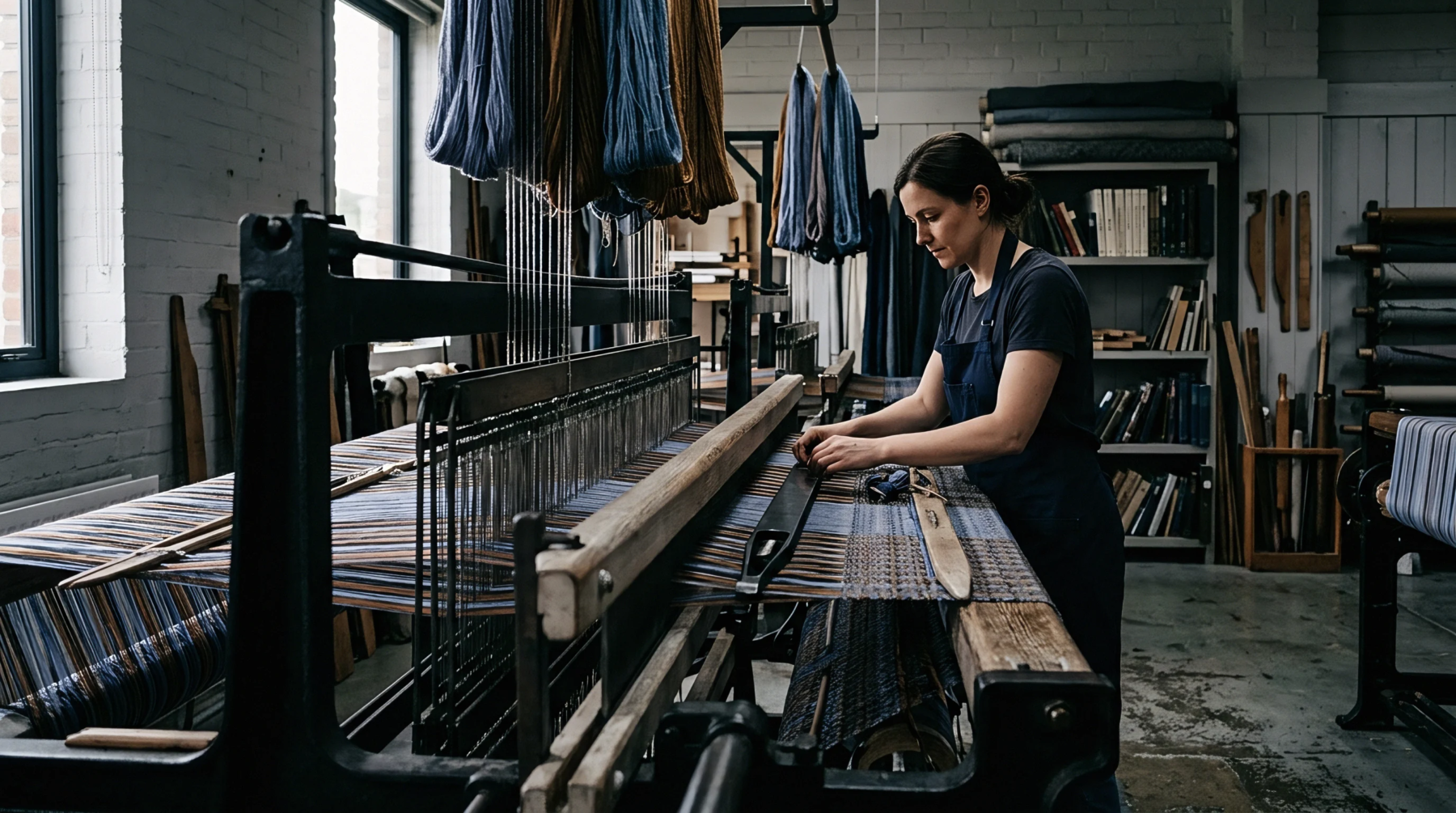
Quantifying greige crimp exchange and jamming limits prevents beat-up fabric defects, off-loom width loss, and incorrect finished weight calculations.
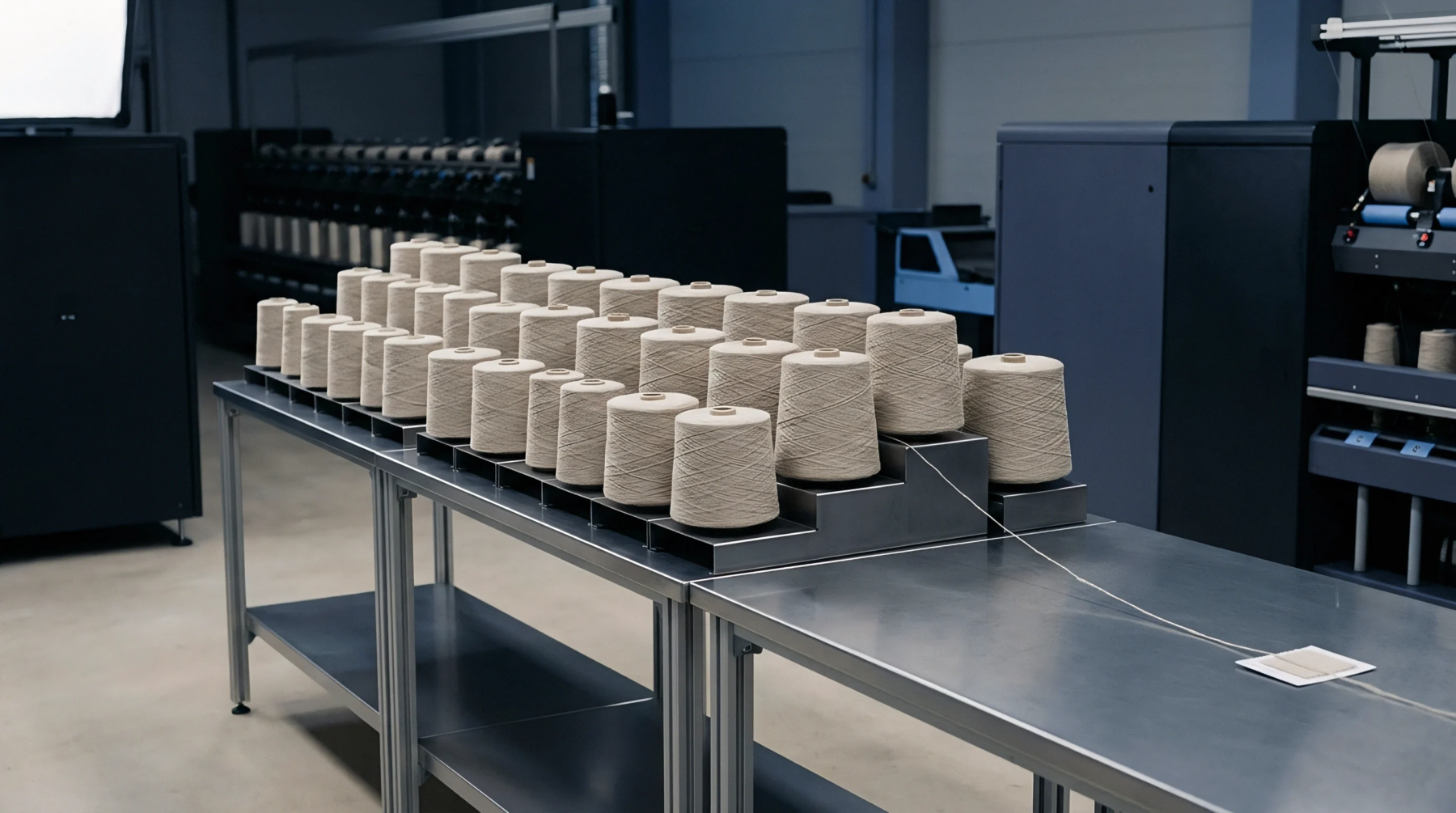
Predicting plain weave jamming limits prevents fabric distortion and secures dimensional stability across caustic mercerizing, dyeing, and wash finishing.
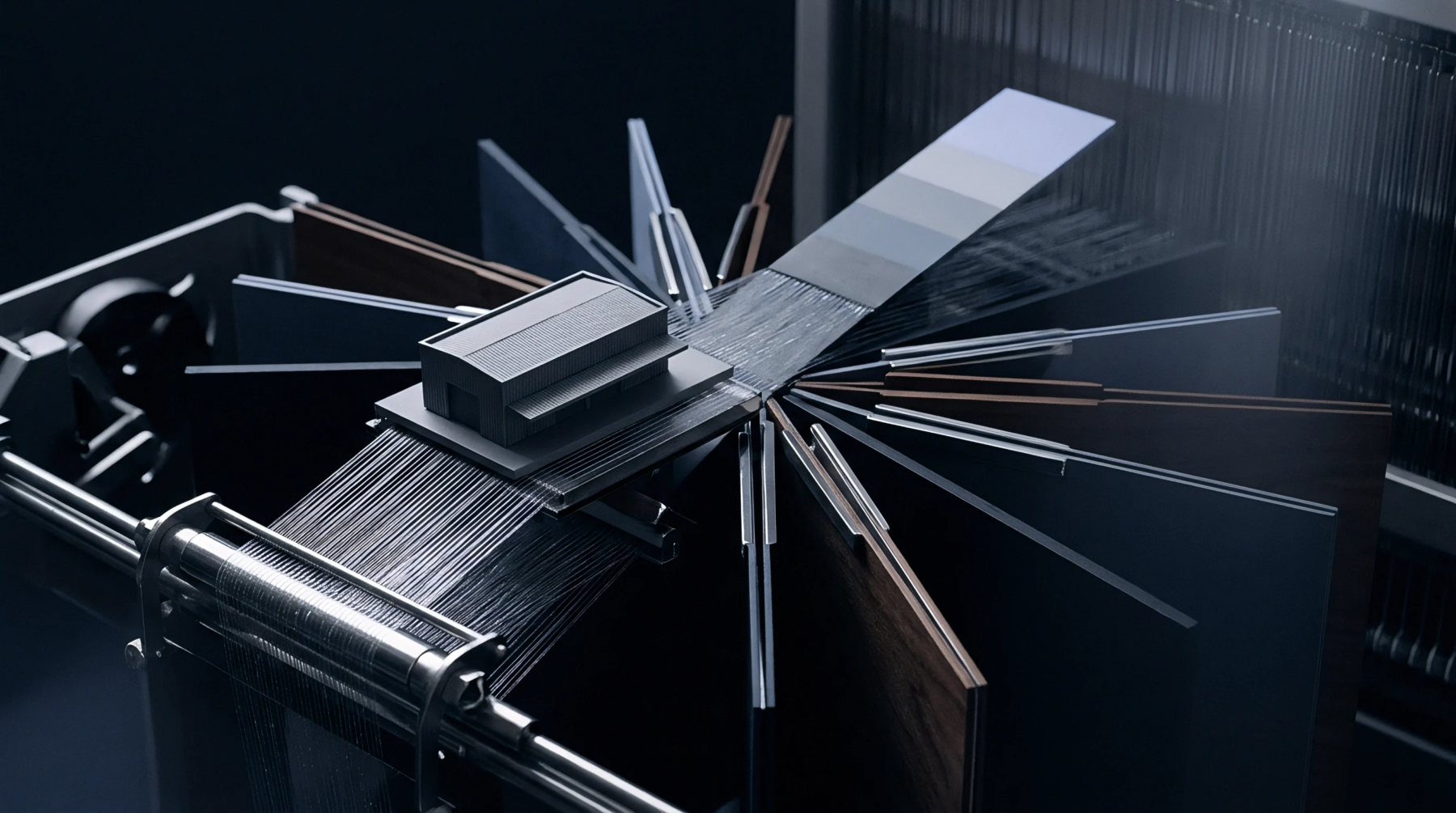
Warp and weft crimp exchange in high-density weaving shifts structural waviness across processing, dictating finished sett, shrinkage, and air permeability.
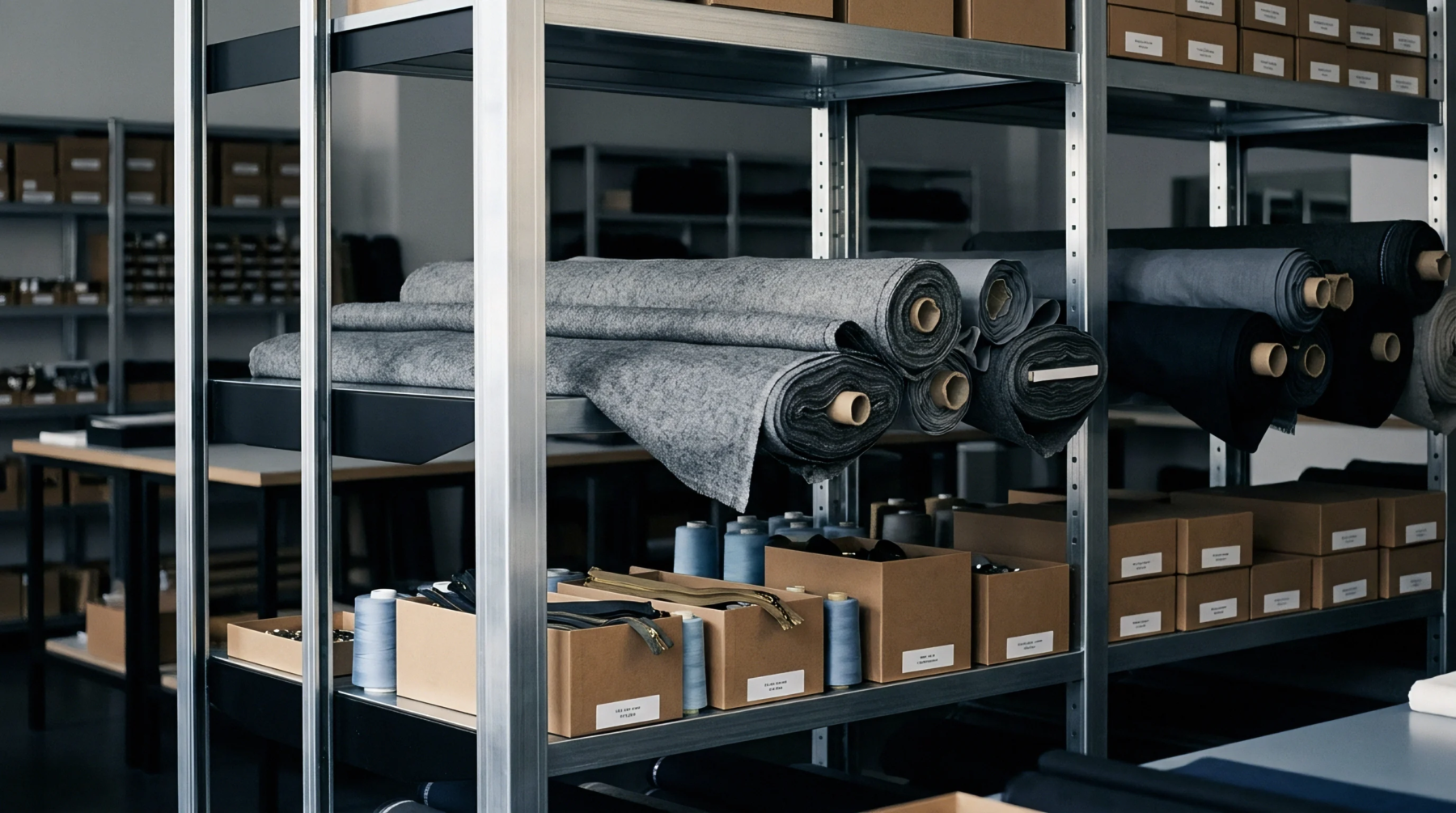
Pad box mass balance protocols adjust dye liquor dosing rates continuously against ambient humidity changes to maintain color yield within a Delta E of 0.5.
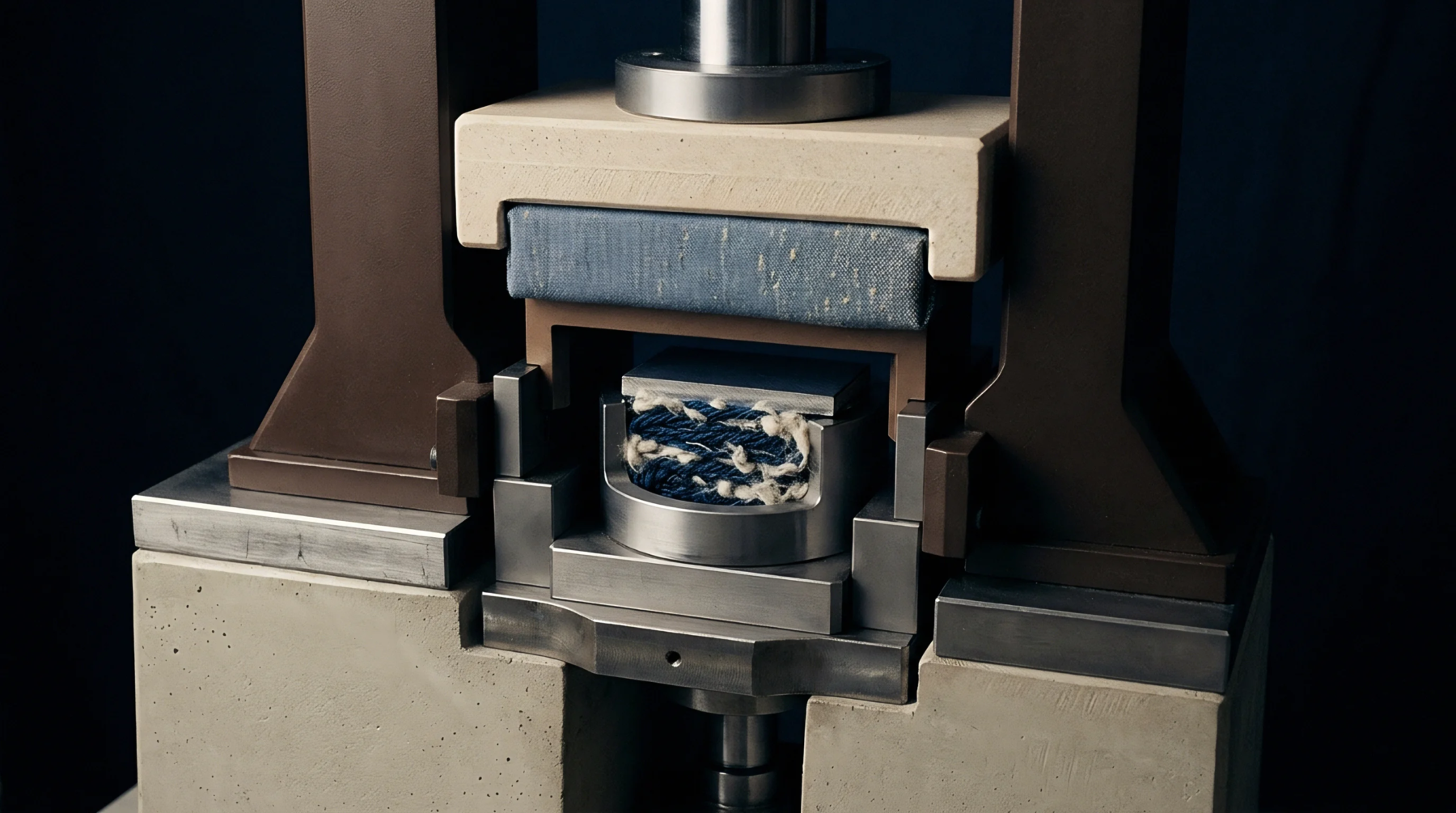
Relative humidity drops accelerate solvent evaporation in heated pad troughs, concentrating liquor and causing head-to-tail shade drift in continuous dyeing.

High-speed pad dyeing liquor control requires ultra-low volume troughs and closed-loop radar dosing to eliminate tailing and shade drift across bulk runs.
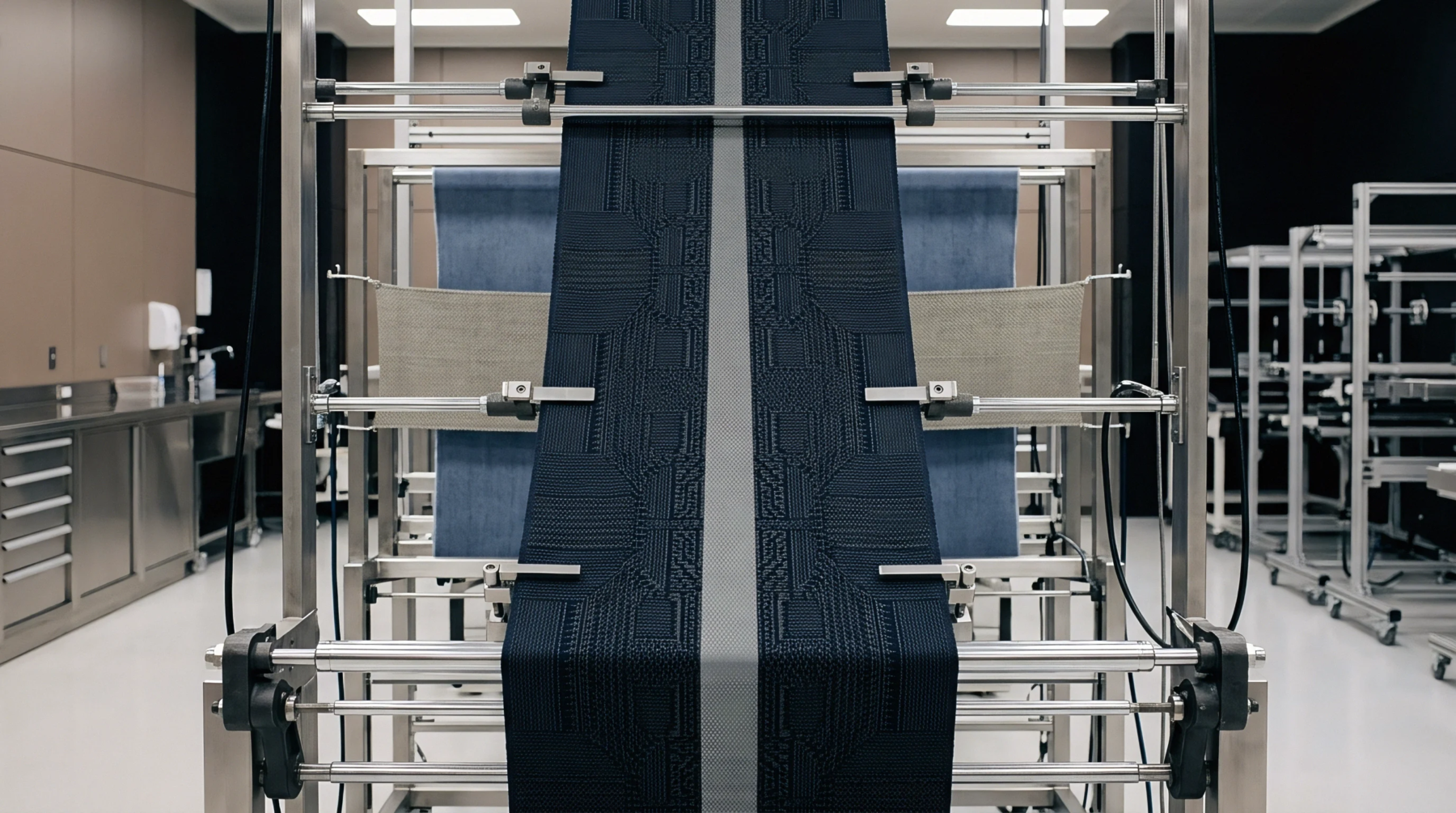
Predicting dynamic warp tension in asymmetric shedding requires combining geometric shaft extension formulas with non-linear yarn elastic modulus calculations.

Derive loom reed width by compounding greige take-up and wet finishing contraction percentages onto target cuttable width while balancing dent air space ratios.
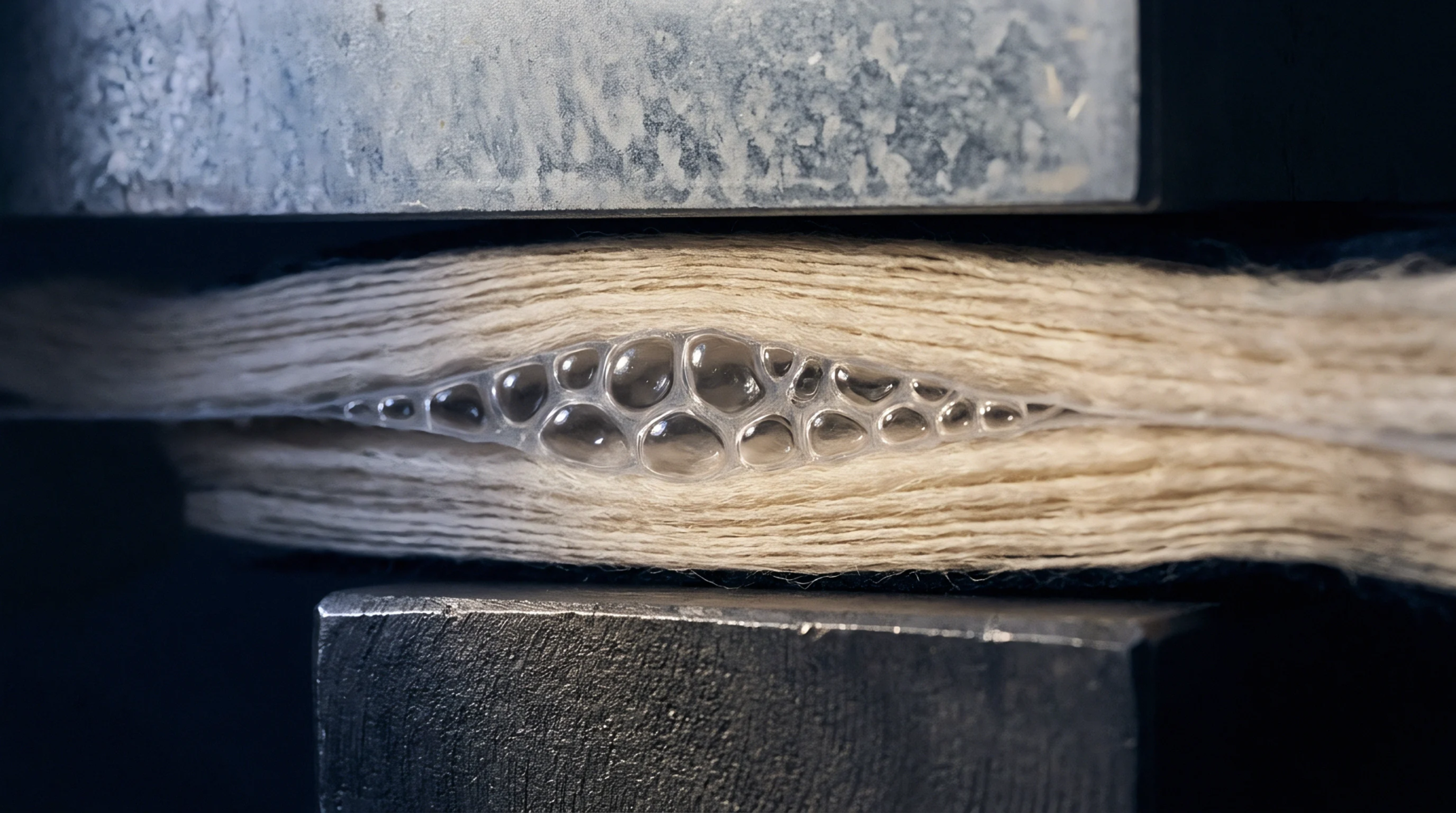
Biaxial thermal stenter extension alters yarn crimp balance through coupled viscoelastic relaxation and Peirce geometry shifts, dictating final fabric dimensional stability.
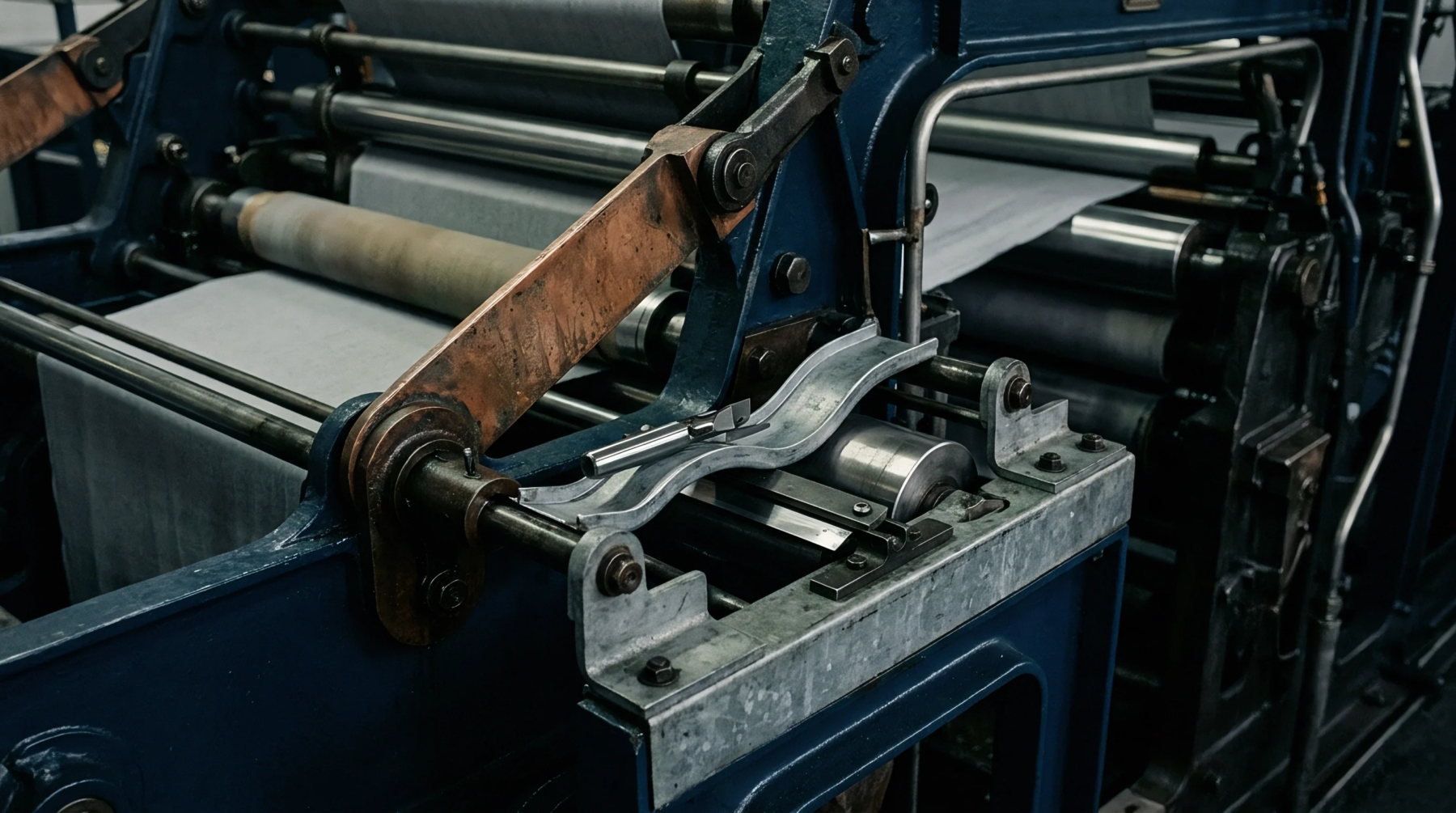
Continuous stenter overfeed forces must balance longitudinal yarn buckling thresholds against friction to set finished course density without cloth corrugation.
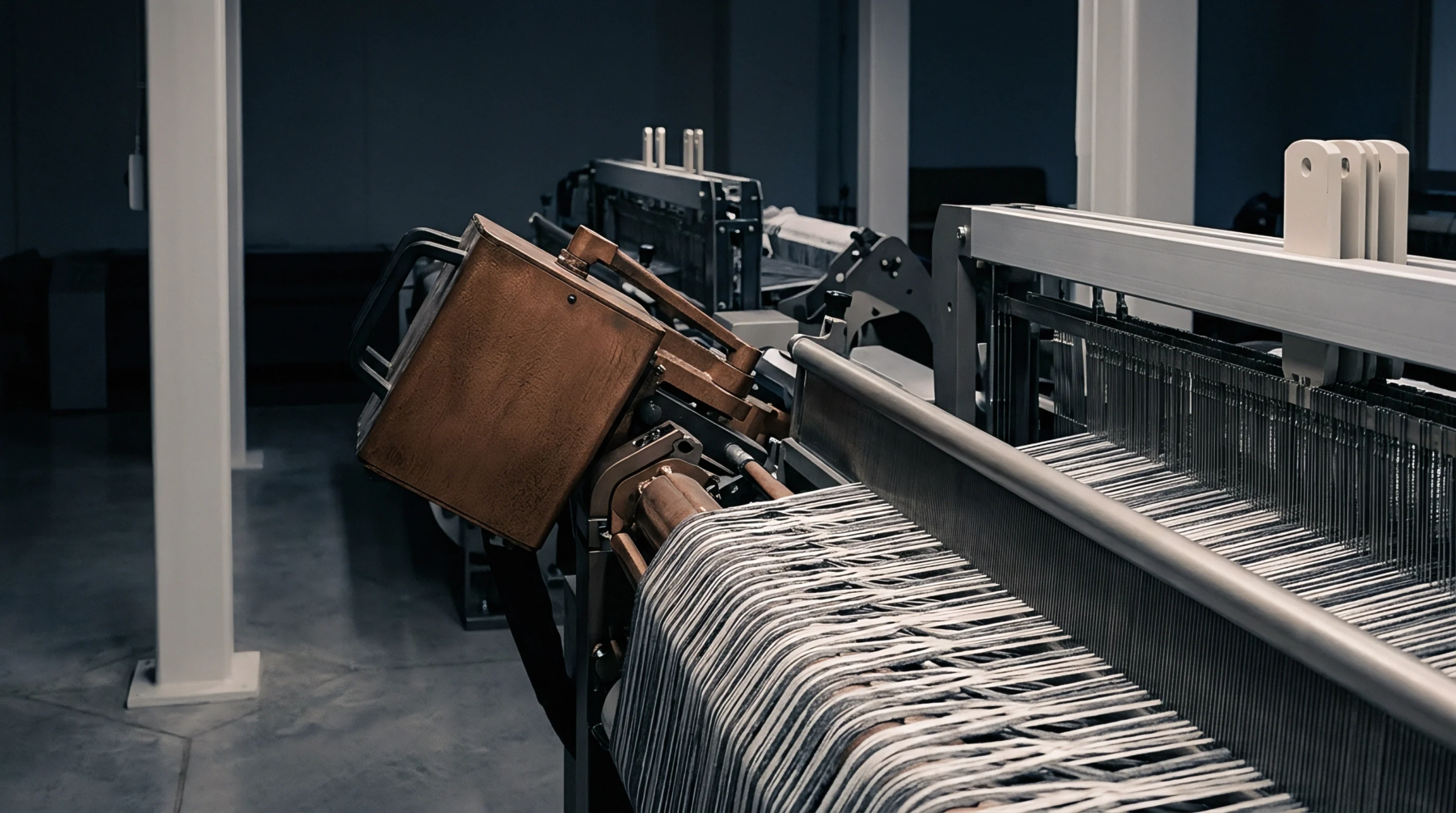
Woven yarn crimp mechanics derive from interlace curvature, where loom tension and yarn bending stiffness govern structural equilibrium and finished fabric width.
Harmonize inline cameras with benchtop spectrophotometers by pairing dynamic thermal-moisture compensation with matrix transforms aligned to ISO 105-J03.
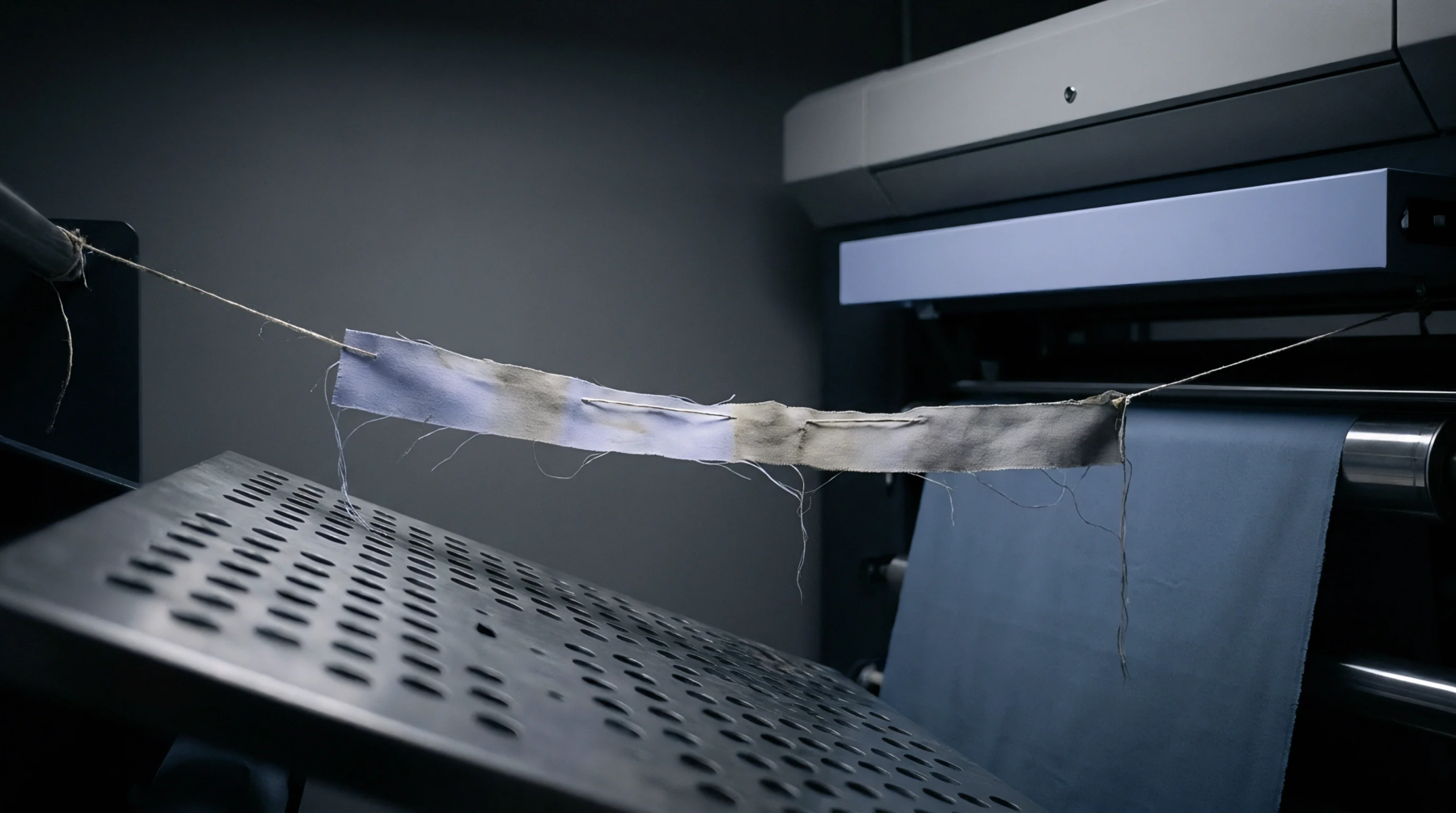
Aligning print technologies requires specifying CIEDE2000 tolerances below 0.8, capping metamerism indices under secondary illuminants, and adjusting wet crock floors.
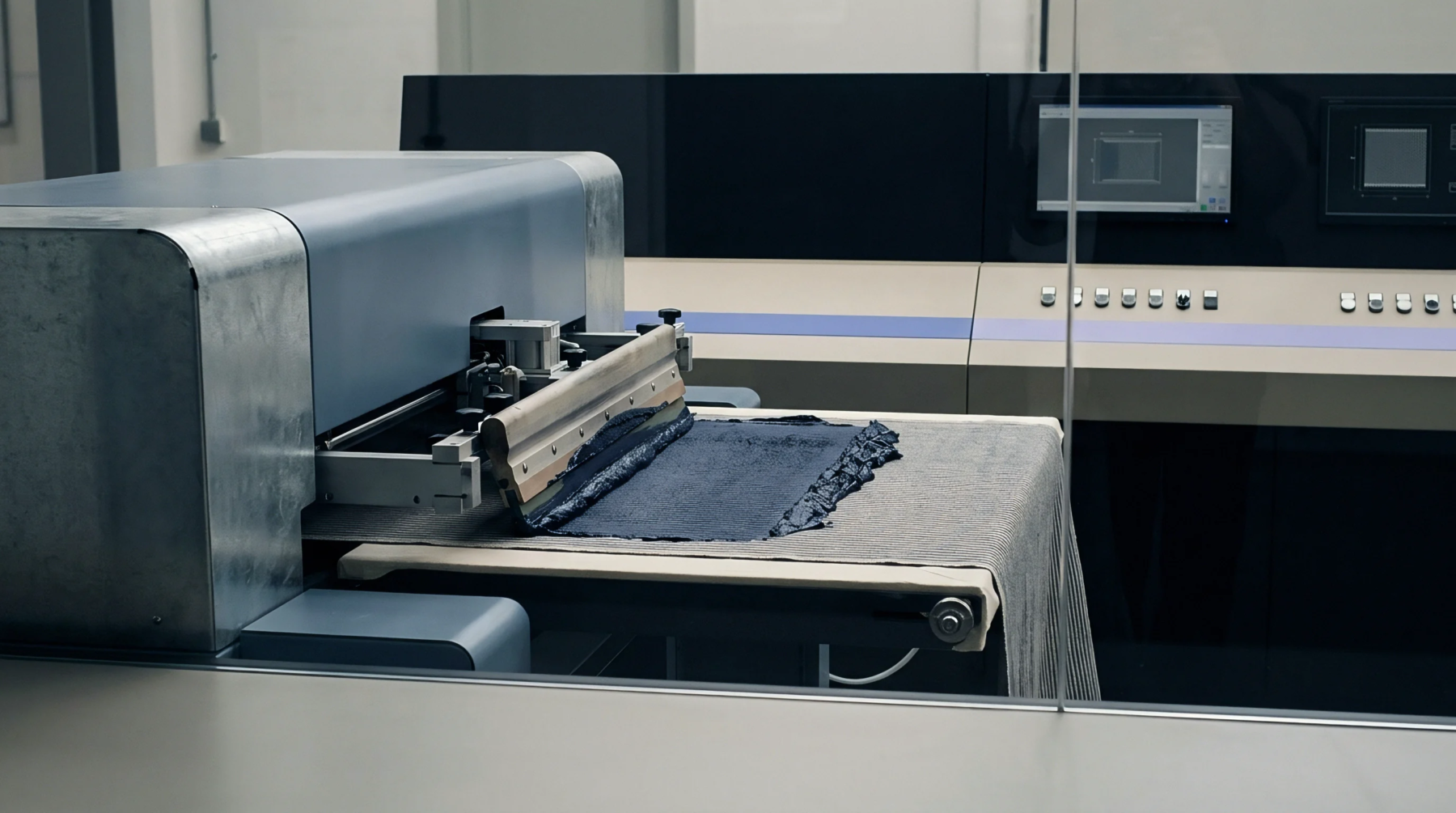
Dual-route spectrophotometric tolerances align inline continuous scanning with conditioned bench readings by establishing dynamic wavelength offset matrices.
Matching digital ink shear viscosity with controlled pad pick-up targets optimizes optical density and suppresses edge bleeding in high-speed printing.
Controlled progressive alkali dosing prevents premature vinyl sulfone hydrolysis and maximizes heterobifunctional reactive dye covalent fixation on cotton.
Exhaust cellulosic dyeing demands progressive alkali dosing and strict pH control to prevent glycosidic cleavage from destroying fabric bursting strength.
CIEDE2000 tolerances below 0.8 dE00 prevent visual metameric mismatches between garment shells and trims under D65 and retail LED illuminants.

Digital color exchange across mill networks requires profiled d/8° benchtop spectrophotometers, strict UV calibration, CxF3 metadata, and ISO 139 sample conditioning.
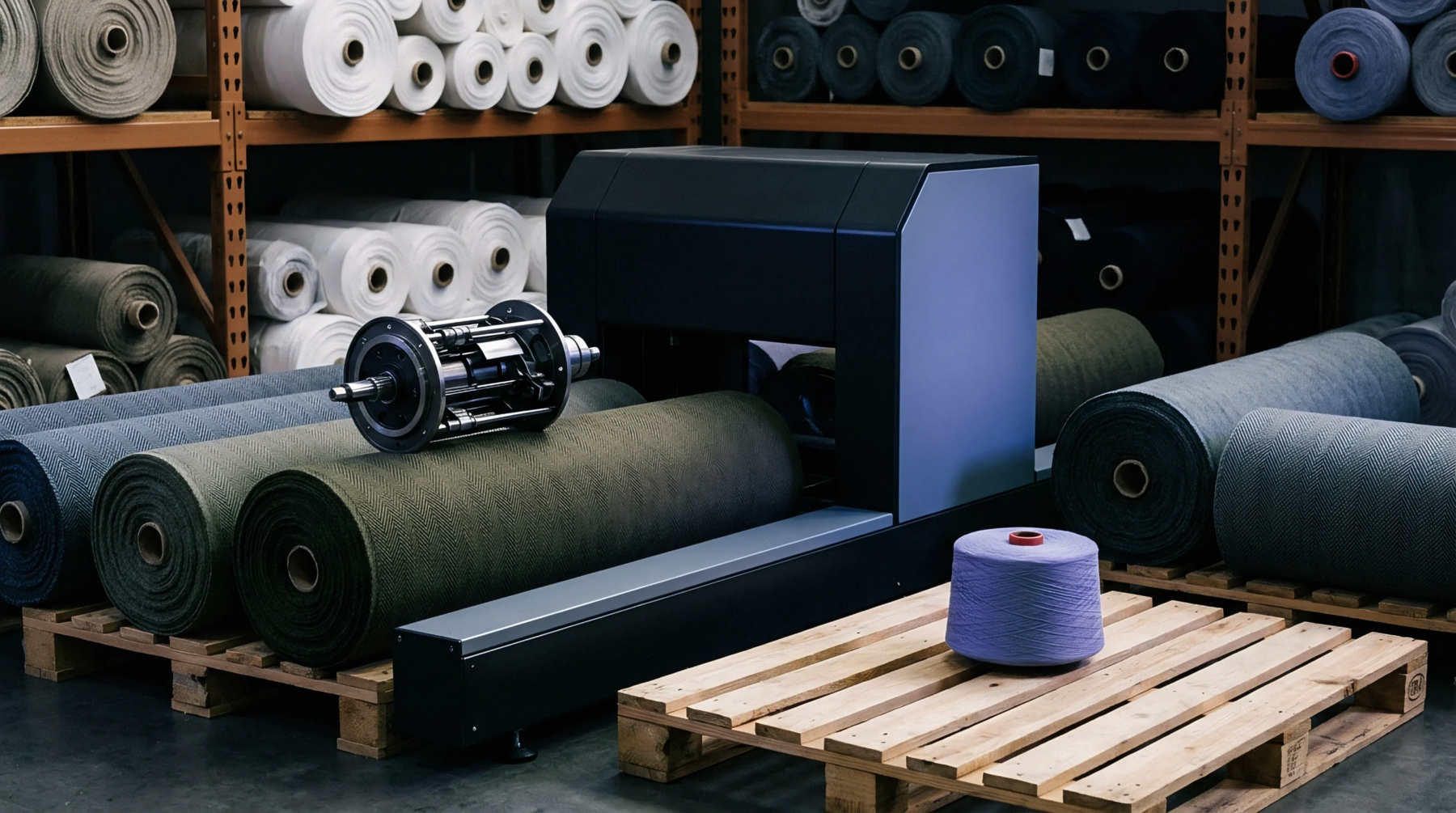
Daily spectrophotometer recalibration, clean tile standards, and matched apertures prevent shade rejection losses in industrial dyehouse operations.

Dense duck dyeing demands progressive salt dosing to suppress surface strike, allowing complete cross-sectional penetration before alkali fixation.
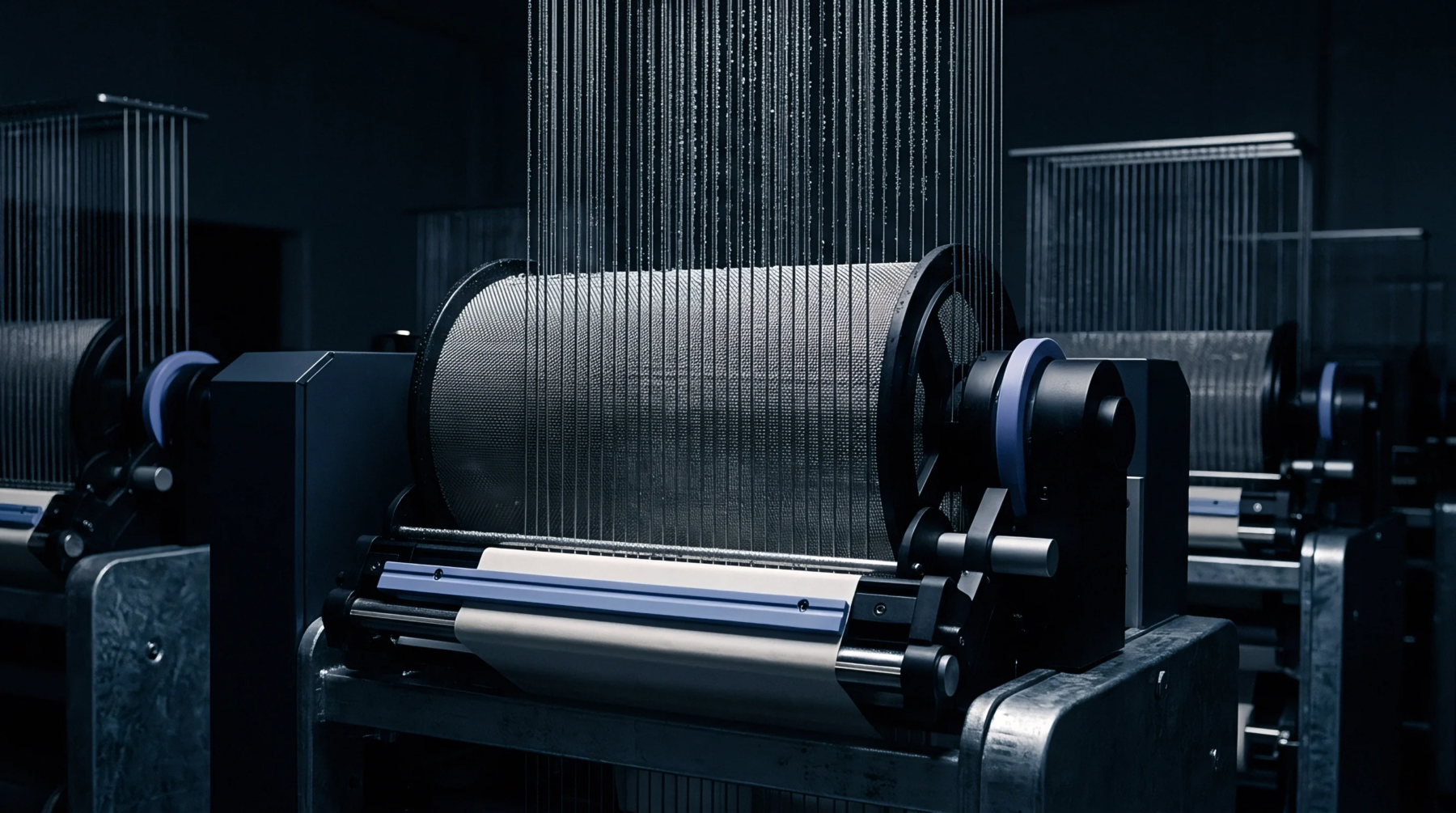
High warp density restricts transverse fluid penetration during continuous padding, requiring hard-roll high-pressure nips to prevent ring-dyeing.
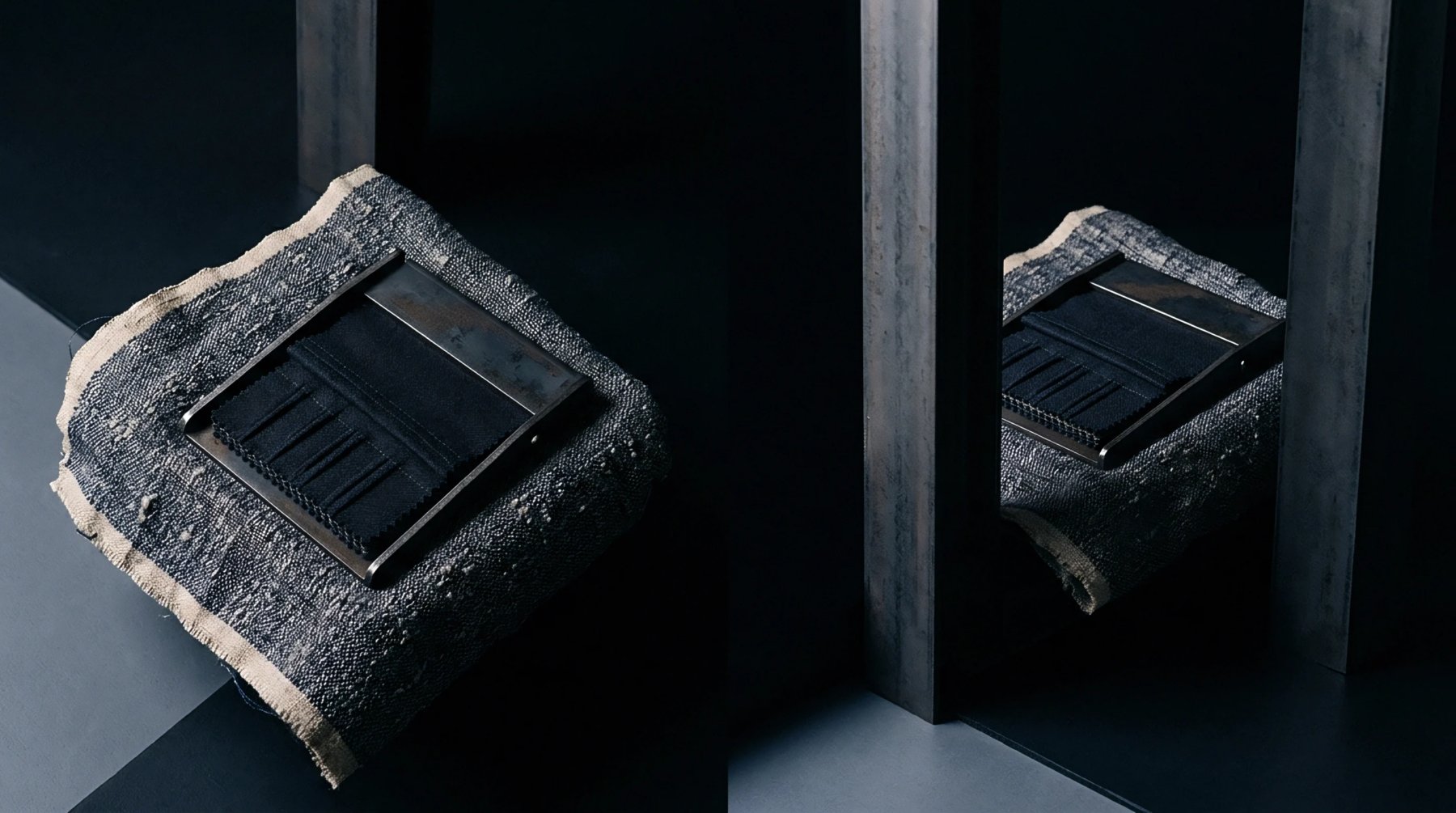
Verifying off-loom thread density after four hours of tension-free conditioning prevents bulk specification disputes and costly finished cloth rejections.
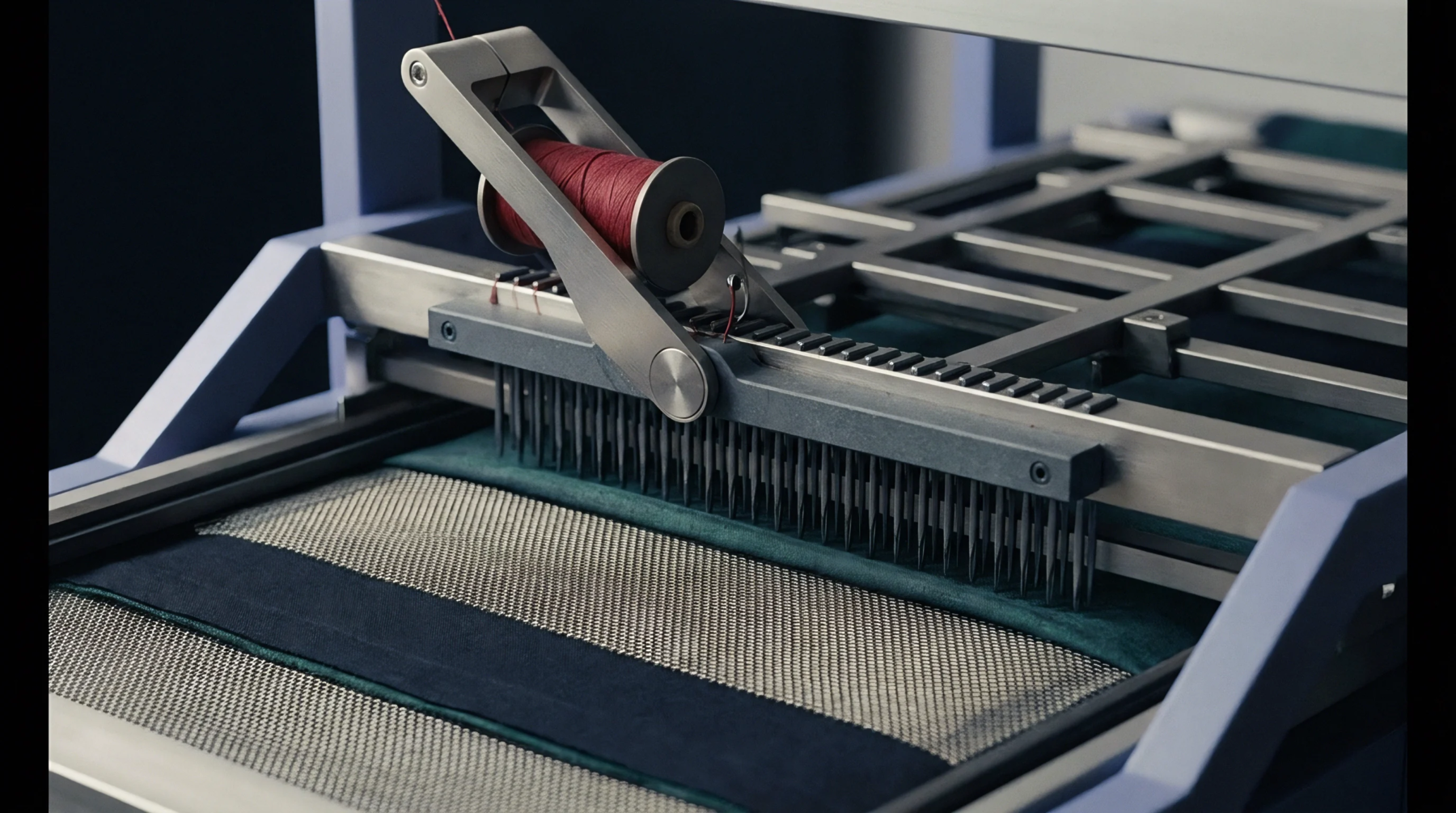
Preconditioning dispute samples at 50°C and 15% RH eliminates sorption hysteresis, ensuring repeatable multi-mill mass and physical testing acceptance.

Accounting for wet finishing mass additions separates greige fiber weight from chemical solids to prevent yield overbilling and structural fabric downgrades.
Expertise is a utility, not a secret. sentiention™ publishes its working knowledge as open reference: intelligence layer covering the materials it sources, the markets it enters, and the reference that serves both.