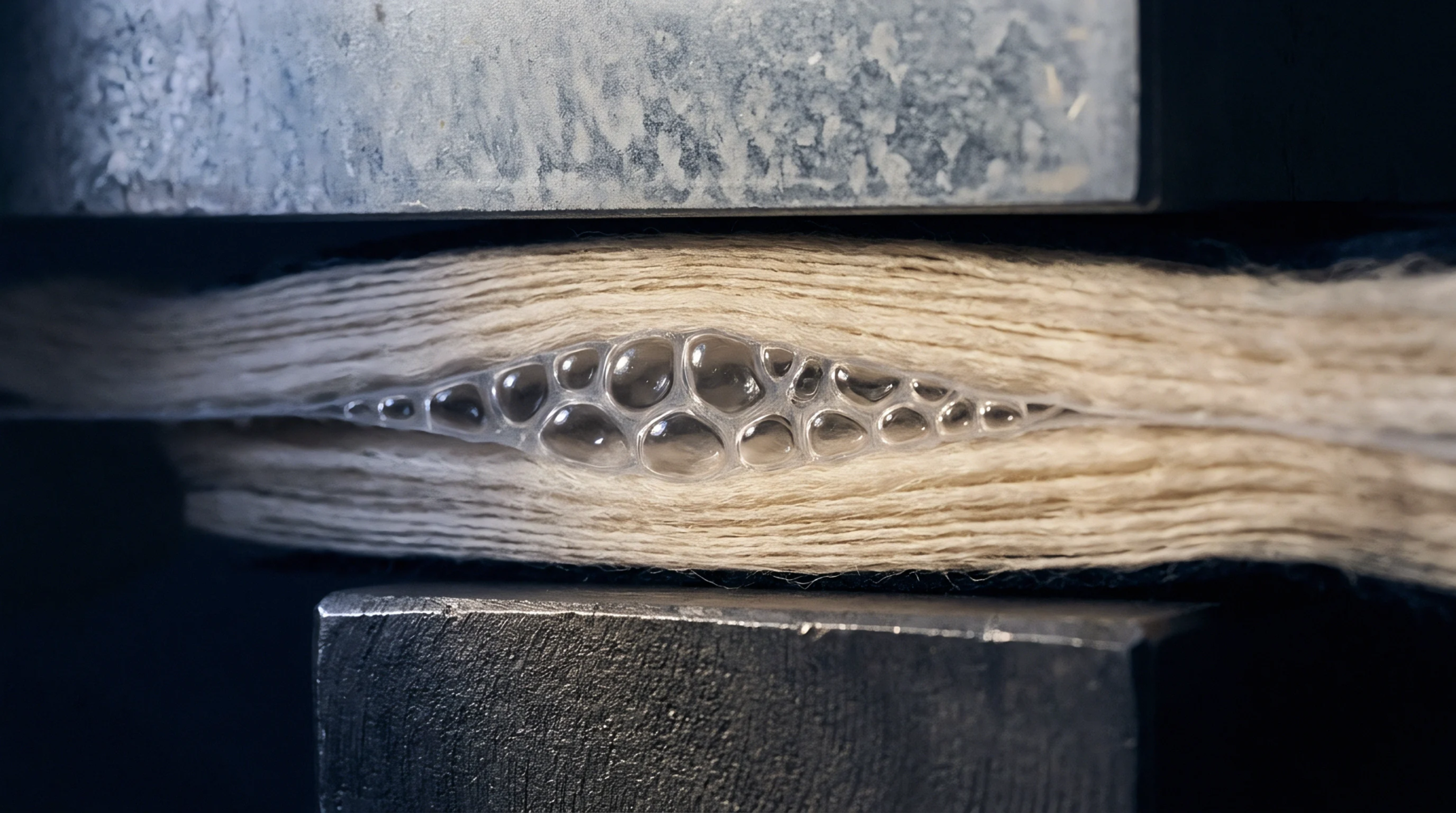
Heat Exposure
Duration of fabric exposure to a high-temperature zone in a stenter frame or oven governs the completion of thermal reactions. In industrial finishing, thermal dwell time determines whether synthetic fibers are successfully heat-set or if finishes are fully cured. This parameter is measured in seconds and depends directly on the speed of the fabric as it moves through the heating chambers.
Quality Balancing
If the time is too short, the fabric will suffer from poor dimensional stability and will shrink excessively when washed or pressed. Conversely, excessive exposure can cause fiber degradation, yellowing of white fabrics, and a harsh hand. Finishing mills must find the precise balance for each fabric weight and fiber blend to maintain quality.
Mill Calculation
Determining the correct exposure involves calculating the fabric’s heating rate alongside the temperature profile of the stenter. The fabric must reach its target temperature and remain there long enough to reorganize the polymer crystalline structure. This calculation is verified by running trial lots through the machine and testing their post-wash shrinkage.
It ensures that the fabric retains its soft feel while achieving excellent shape retention.
Speed Optimization
Process controllers monitor the fabric line speed continuously to prevent deviations from the set time. Even a minor speed reduction can overheat delicate synthetic blends. This control is the primary tool for preventing fabric damage in heat-setting.