Mechanical Stress
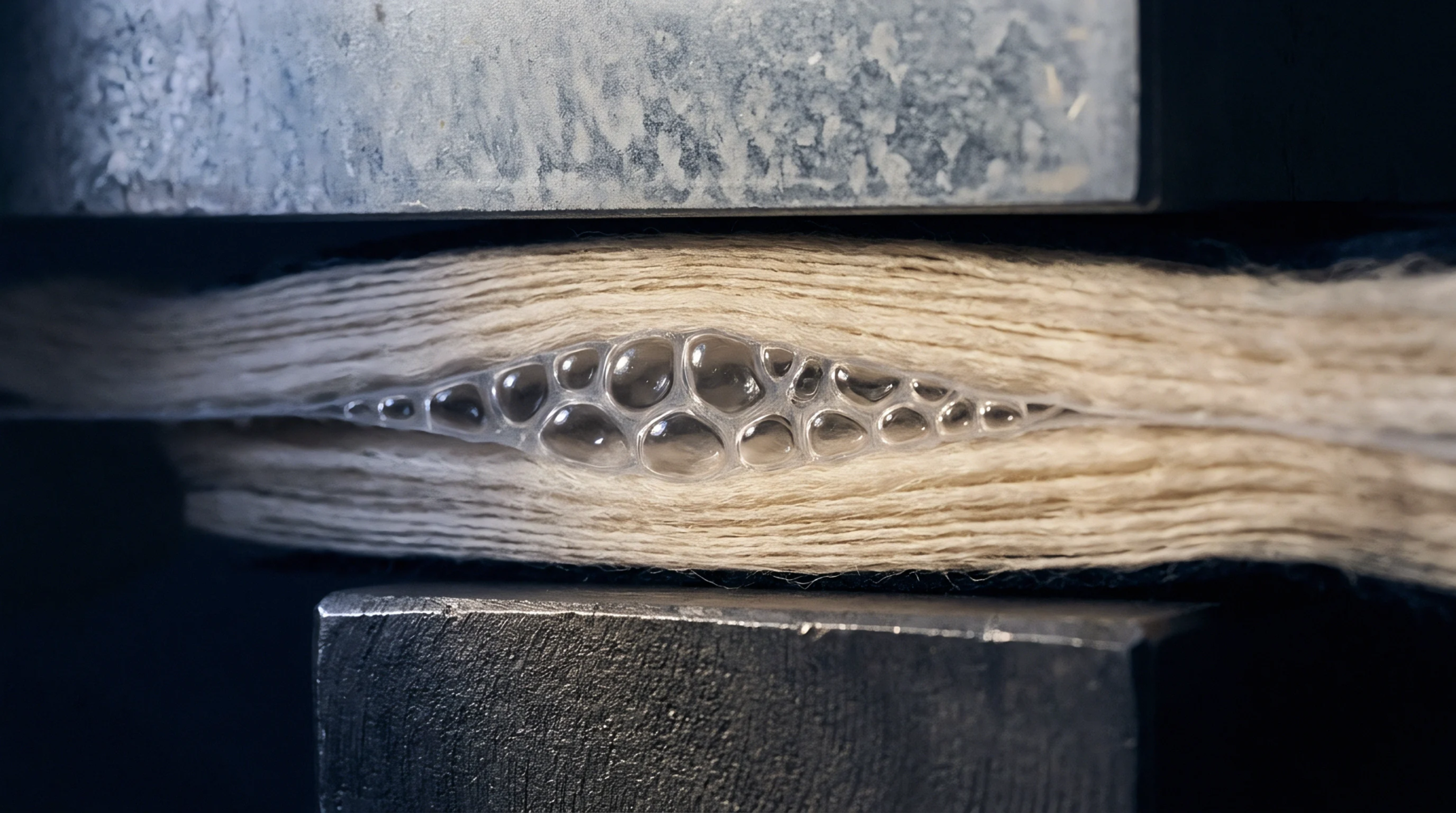
Multidirectional force applied to a fabric or membrane along two perpendicular axes simultaneously during performance testing. Biaxial tension simulates the complex loads a technical textile encounters when used in architectural structures or high performance sails. This method differs from standard uniaxial tests because it accounts for the interaction between warp and weft yarns under load.
Load Ratio
Laboratory equipment applies varying weights to the material to determine how it deforms under unequal pressure. A biaxial tension test provides the data needed to calculate the Poisson ratio and the shear modulus of a specific weave. These values help engineers predict how a fabric will stretch when it is fastened into a permanent frame.
Elastic Response
Woven structures often exhibit non linear behavior as the yarns crimp or straighten in response to external pull. Because the yarns are interlaced, biaxial tension in the warp direction significantly affects the stretch capacity of the weft. This interaction is the primary reason why simple strip tests fail to predict the behavior of heavy duty industrial fabrics in the field.
Performance Verification
Consistency in biaxial tension ensures that a batch of fabric will retain its shape under environmental stress. Inspection teams verify these results before accepting bulk shipments of architectural grade materials intended for permanent outdoor installation.