
Calibrating Stenter Dwell Times for Fine Gauge Polyamide Knitted Fabrics
Target fabric temperature determines dwell duration, balancing polyamide dimensional fixation against elastane degradation through verified chamber pyrometer tracking.
Target fabric temperature determines dwell duration, balancing polyamide dimensional fixation against elastane degradation through verified chamber pyrometer tracking.
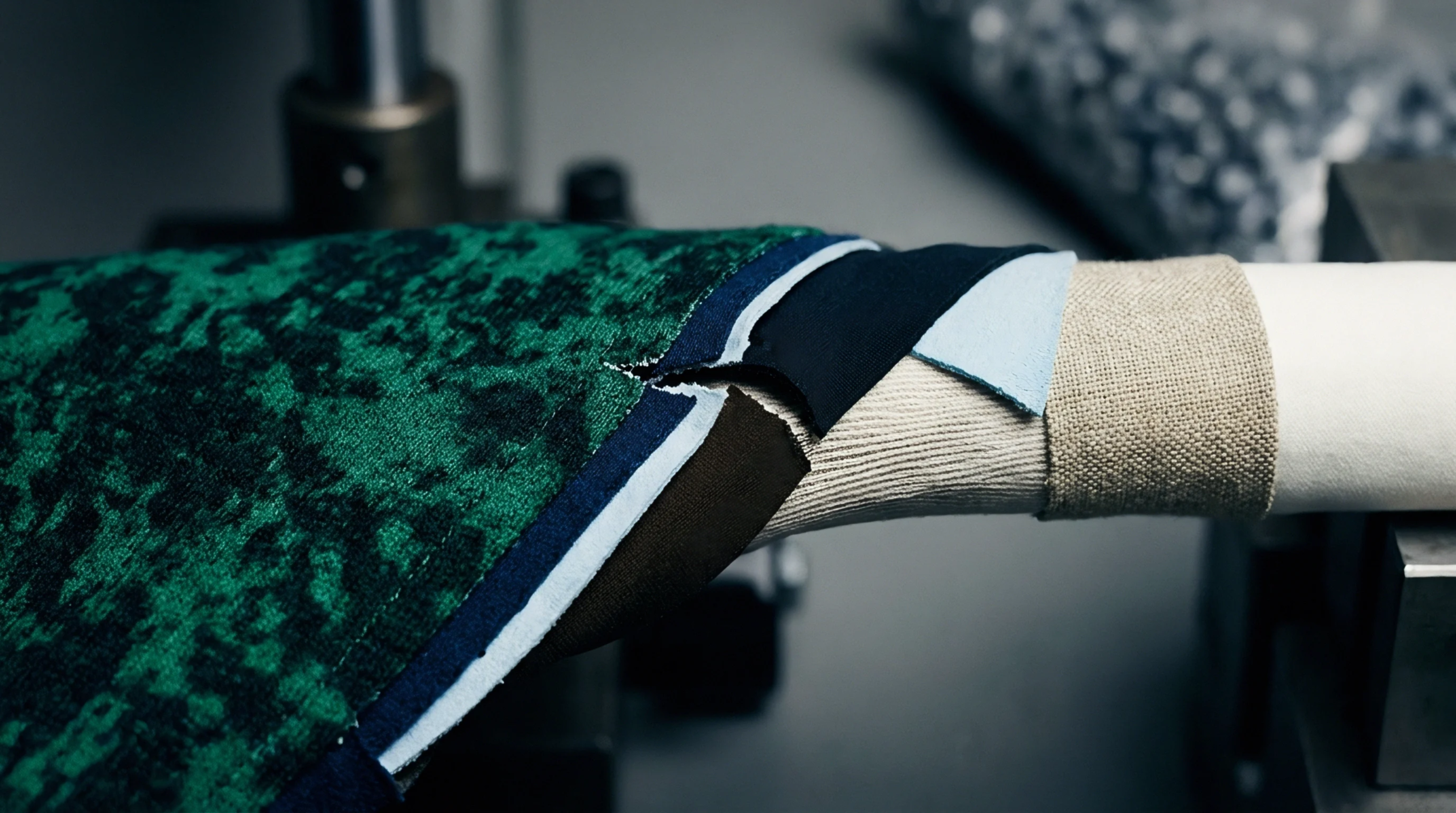
Presetting micro nylon spandex knits at precise temperatures balances crystalline stabilization against elastomeric degradation to secure dimensional stability.

Core fastness on heavy duck requires deep initial dye penetration, aggressive reduction clearing, and stepped stenter cooling to prevent finish-driven migration.
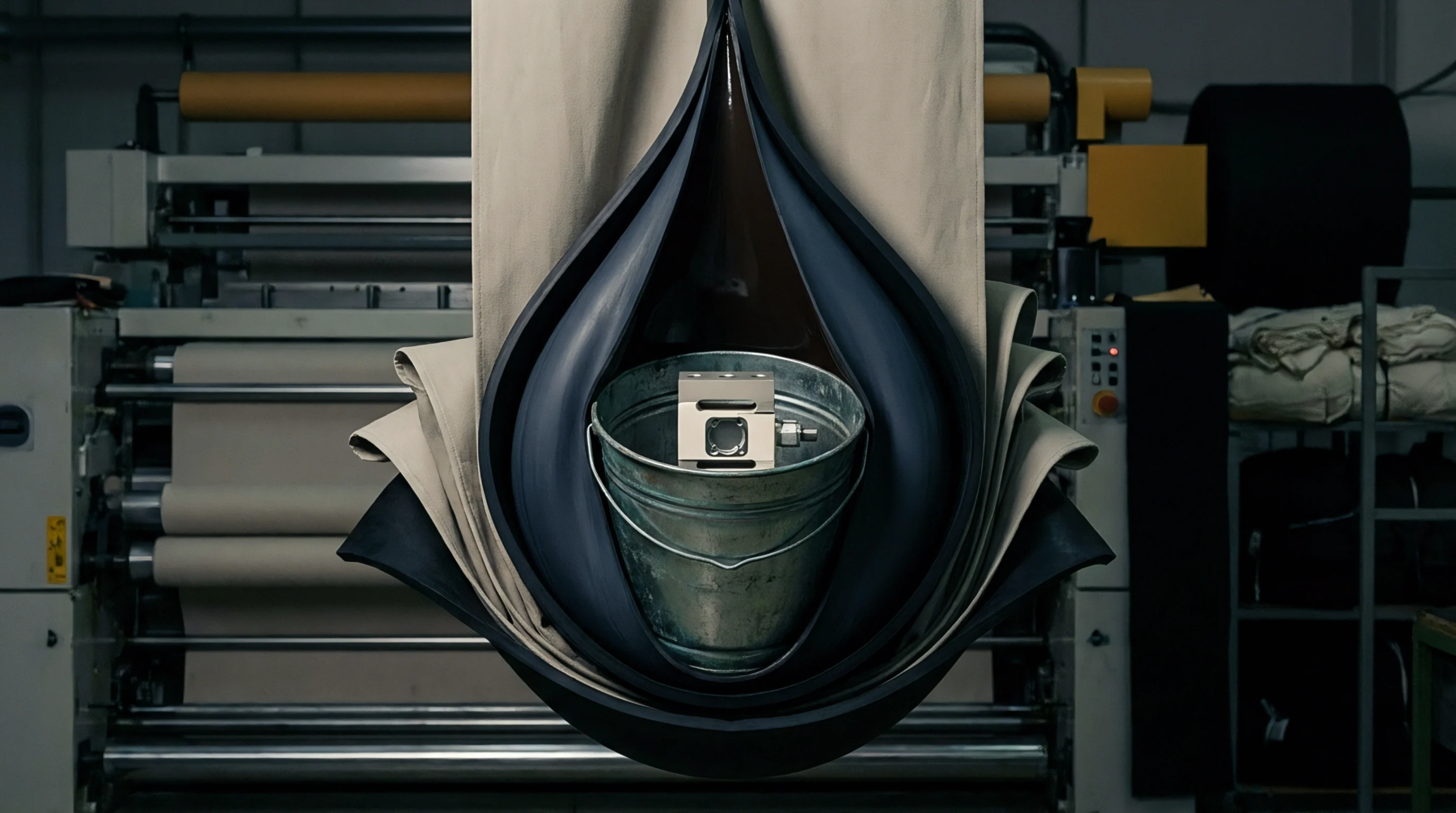
Core penetration in dense canvas requires high-tonnage pad nip extraction, de-aerating auxiliaries, and low-strike vat or bis-MCT reactives to prevent frosting.
Heavy cotton duck demands high-penetration singeing, enzymatic desizing, deep caustic scouring, and tensioned mercerization to clear core impurities.

Maintain jet dyeing fluid shear stress below 28 Pa for lyocell and 45 Pa for microfibers by capping nozzle pressure at 1.2 bar and relative velocity at 2.5 m/s.

Venturi throat diameter directly controls liquor velocity and mechanical shear stress, where undersized throats accelerate surface abrasion and pilling on knits.

Maximum allowable jet nozzle pressure depends on matching fluid shear velocity to fabric structural tension limits without exceeding filament yield thresholds.

Jacketing troughs at twenty degrees Celsius and balancing roll nip deflection prevent reactive dye hydrolysis and side-to-center shade listing in pad batch runs.

Controlling twill padding liquor absorption requires matching rapid-decay wetting chemistry with deflection-compensated squeeze rolls to displace core yarn air.
Calculating wet pick-up on mercerized wovens demands adjusting liquor volume formulas for Cellulose II capillary swelling and wet-on-wet bath dilution.

Predictive models fail when Arrhenius assumptions ignore non-linear volatilization, humidity-driven phosphite hydrolysis, and warehouse thermal stratification.
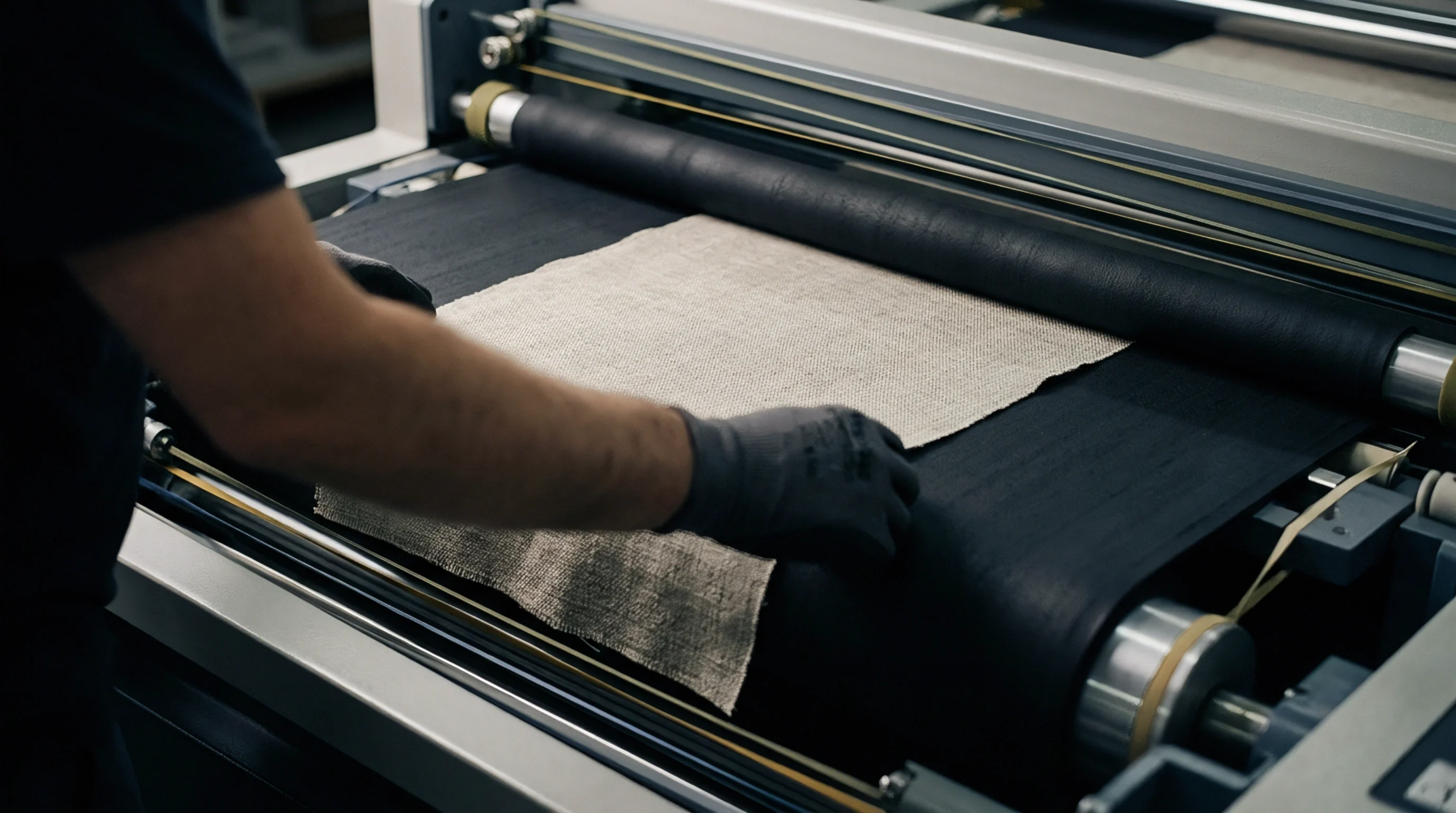
Transfer hydrolysis risk by specifying polyether chemistry, aluminum foil barrier wraps, ISO 1419 Method C testing, and 365-day latent defect escrow holdbacks.

Polymer degradation verification requires isolating molecular mass loss through solution viscometry and tear retention before processing aged inventory.
Staged titration of residual active oxygen and TEGEWA violet scale ratings above six prevent catalytic fiber tenderization in aged cotton prep.
Oxidized spin finish forms cross-linked insoluble varnishes during storage, elevating yarn friction and causing irreversible resist spots in wet processing.
Greige fabric moisture regain dictates invoice billing weight, desizing efficiency, and mold risk, requiring storage at 55 to 65 percent relative humidity.

Dynamic creel stretch variability stems from unequal yarn path lengths and friction points, producing permanent polymer draw and irreversible dyehouse barre.
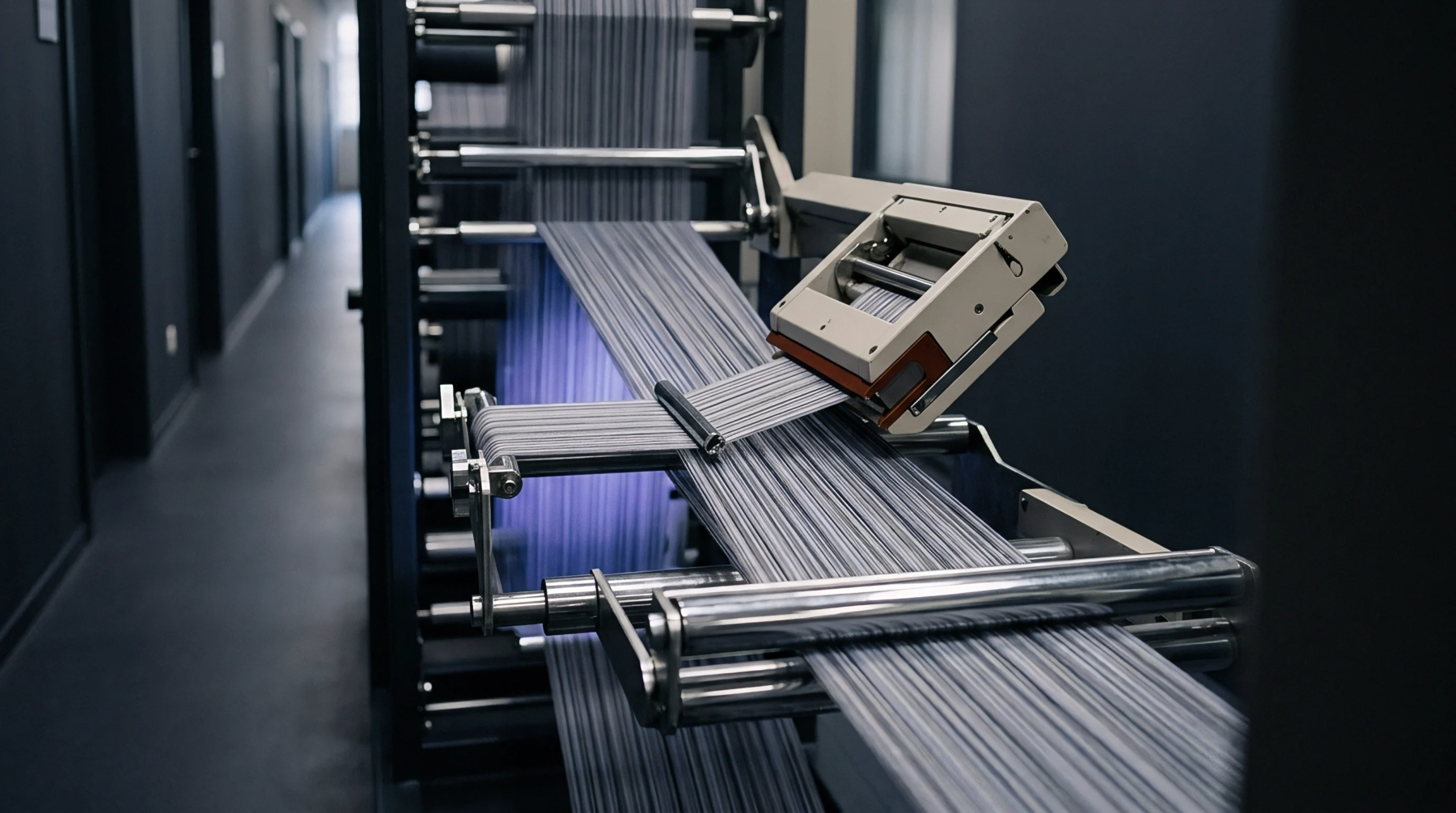
Calculating package friction curves links balloon collapse and capstan drag to calibrate creel tensioners, preventing streaks and warp stops across the beam.

Maintain creel tension variance under eight percent to eliminate differential yarn elongation and prevent warp barre across high-speed sectional beaming runs.
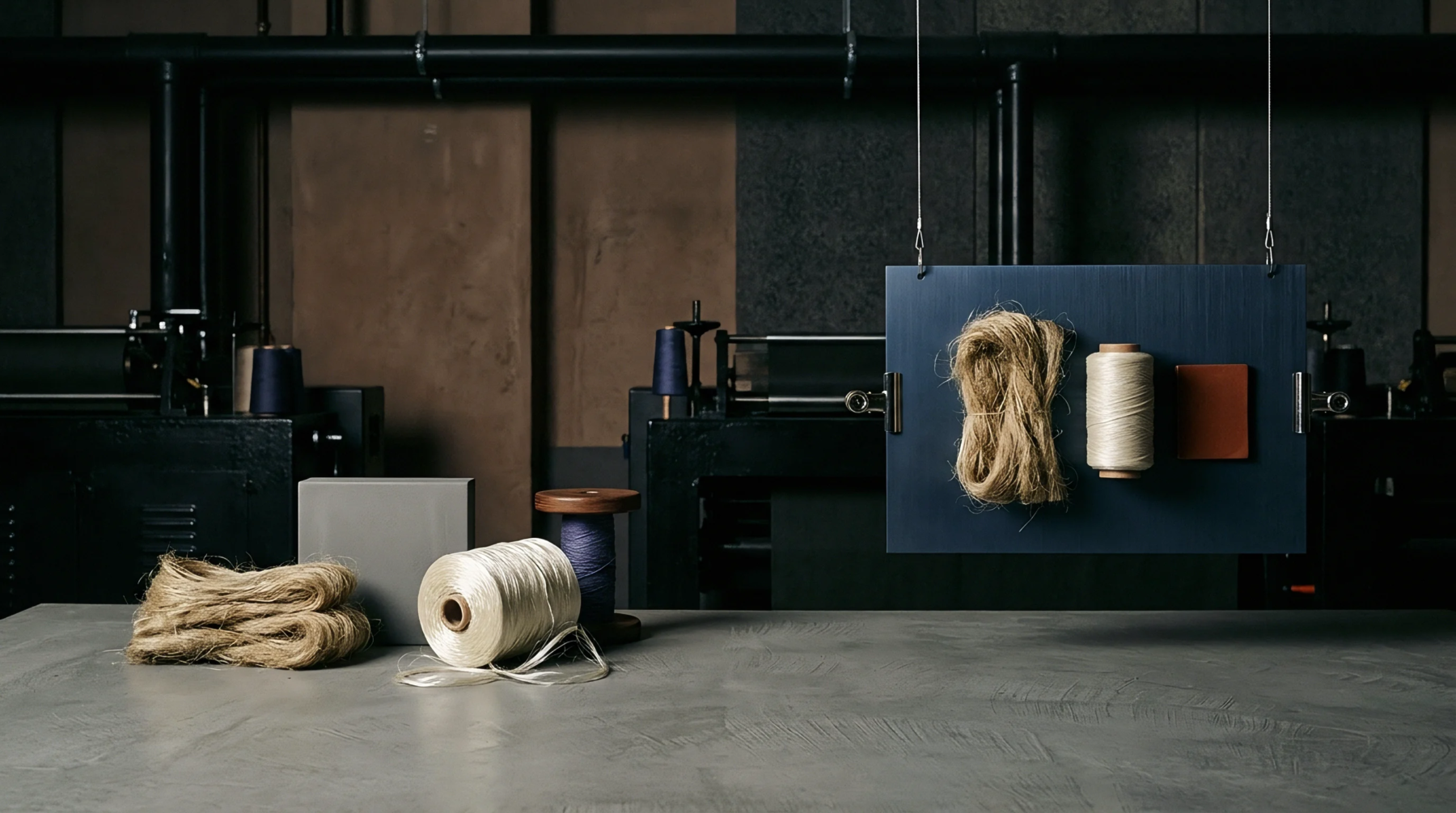
Dynamic boundary equations dictate progressive alkali dosing to prevent surface ring dyeing in heavy ring spun cottons.

Inter-yarn wicking in dense twills depends on float geometry and effective hydraulic radius, driving directional transport rates across woven structures.
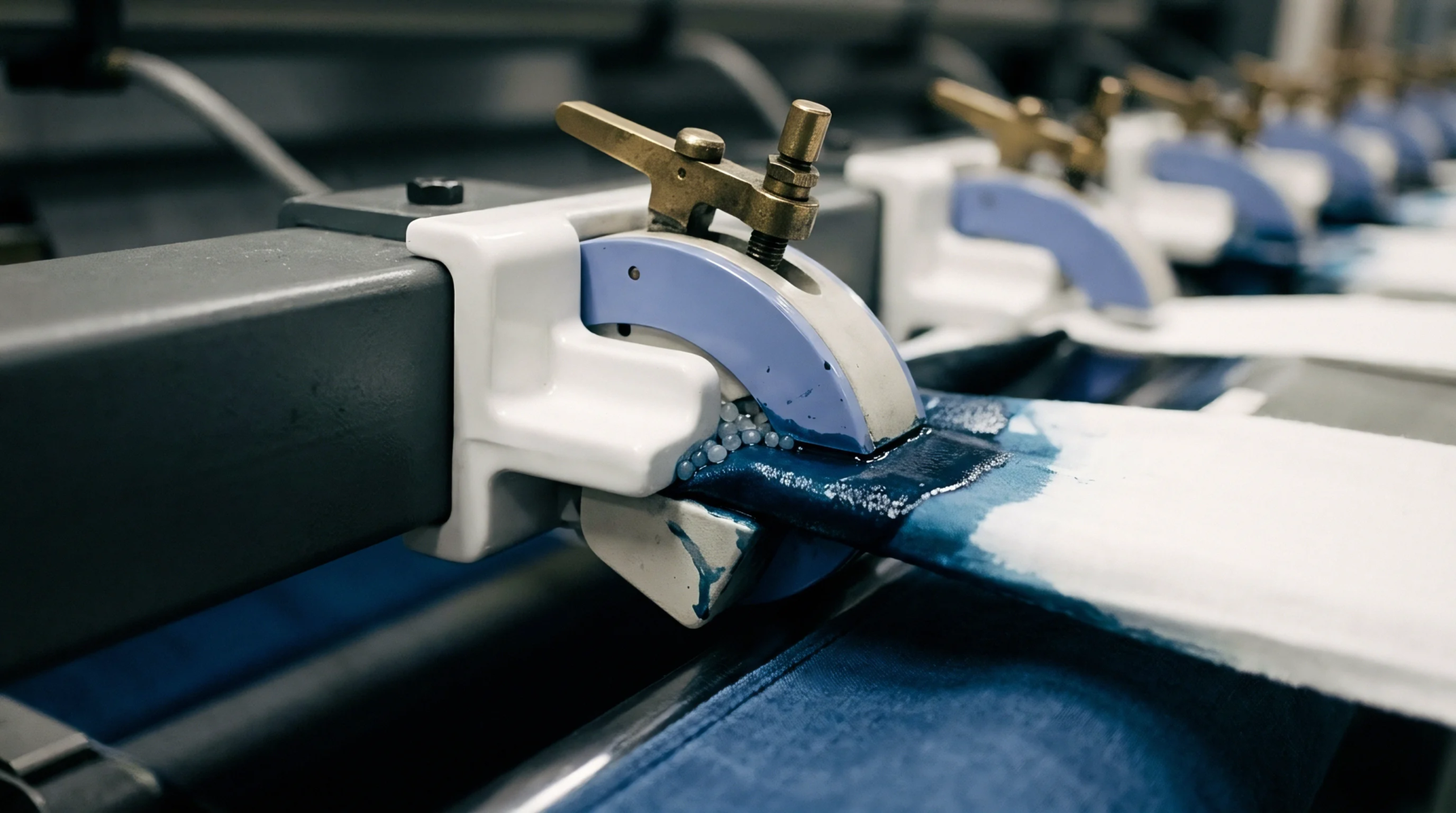
Graduated electrolyte dosing suppresses cellulosic surface repulsion, pacing dye uptake before alkali addition to prevent unlevel strike and costly re-dyeing.

Resolving chemical trace limits requires split greige sampling and mass balance washing audits before attributing parts-per-million residues to continuous dyers.

Verify raw fabric thread counts, sizing content, and four-point defect scores before wet processing to prevent irreversible dyeing failures and financial loss.

Commission textile contracts balance property risks and finishing specifications by linking bailed greige inventories directly to standardized lab test tolerances.
Dynamic boundary layers and Donnan potentials trap caustic in yarn interiors, requiring thermal desorption modeling rather than superficial bath pH monitoring.

High-alkali scouring gelates residual polyvinyl alcohol size; maintaining rinse temperatures above 85°C with polymeric dispersants prevents dye resist defects.

Greige inspection for continuous open-width preparation requires quantifying size add-on, loom defects, and oil content to prevent wet line tear.

Dynamic yarn interlocking controls dimensional stability by balancing line tension with rubber belt compaction to permanently lock relaxed crimp geometry.
Expertise is a utility, not a secret. sentiention™ publishes its working knowledge as open reference: intelligence layer covering the materials it sources, the markets it enters, and the reference that serves both.