
Minimum Colour Quantity Deciding a Range Plan before Design Does
Minimum colour quantities set dye vessel efficiency and enforce range plan fabric allocations long before garment sketches reach the pattern desk.
Minimum colour quantities set dye vessel efficiency and enforce range plan fabric allocations long before garment sketches reach the pattern desk.
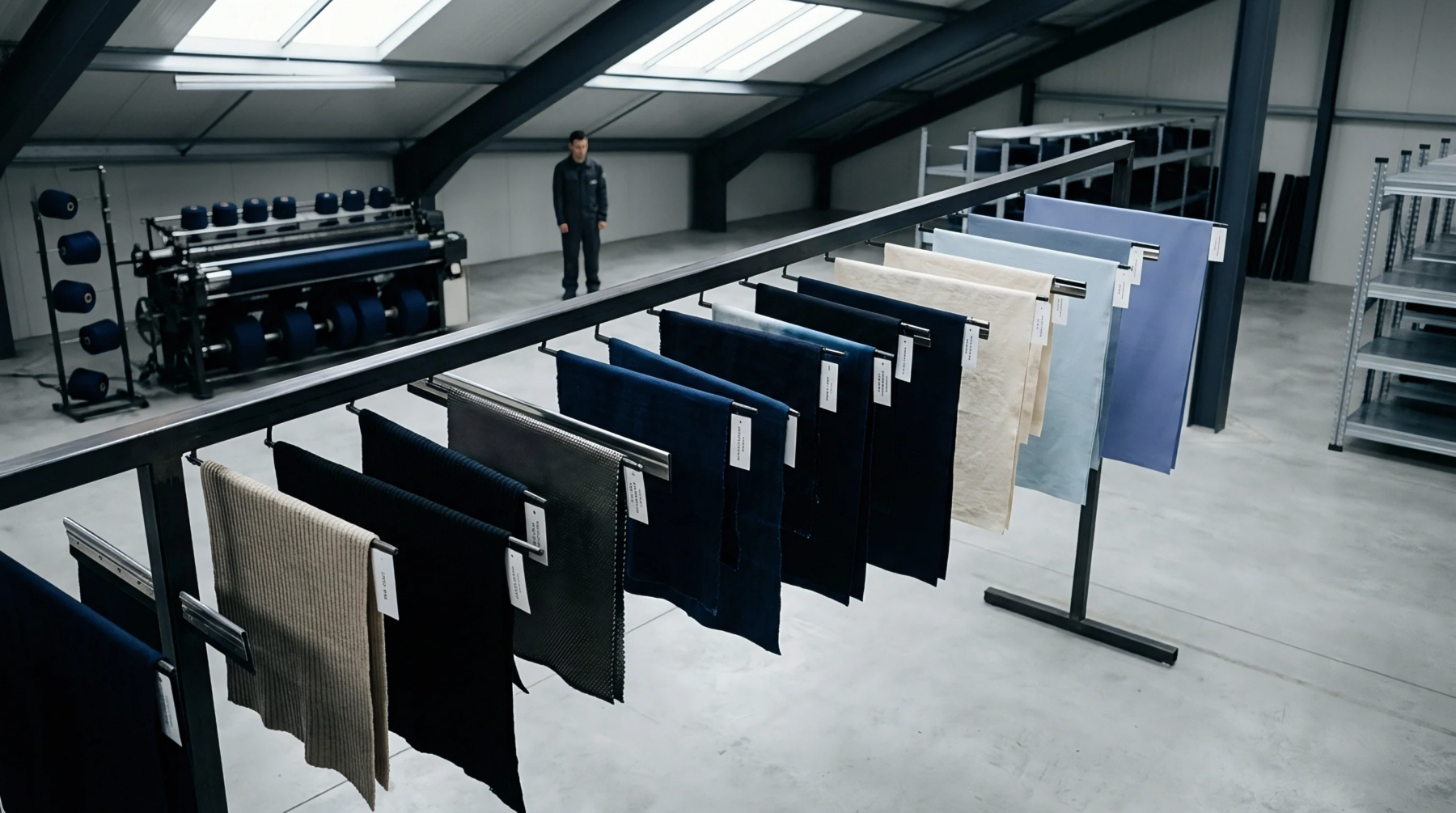
Fabric weight tolerance written as a mill range holds commercial validity only when tested under ISO 139 standard atmosphere using ISO 3801 methods.

Sett and cover factor define structural thread packing; maintaining high pick density and tight fractional cover locks yarn crowns to maximize abrasion life.

Standard one cycle wash tests hide progressive shrinkage; verifying dimensional stability requires multi cycle laundering data and mill finishing tension audits.
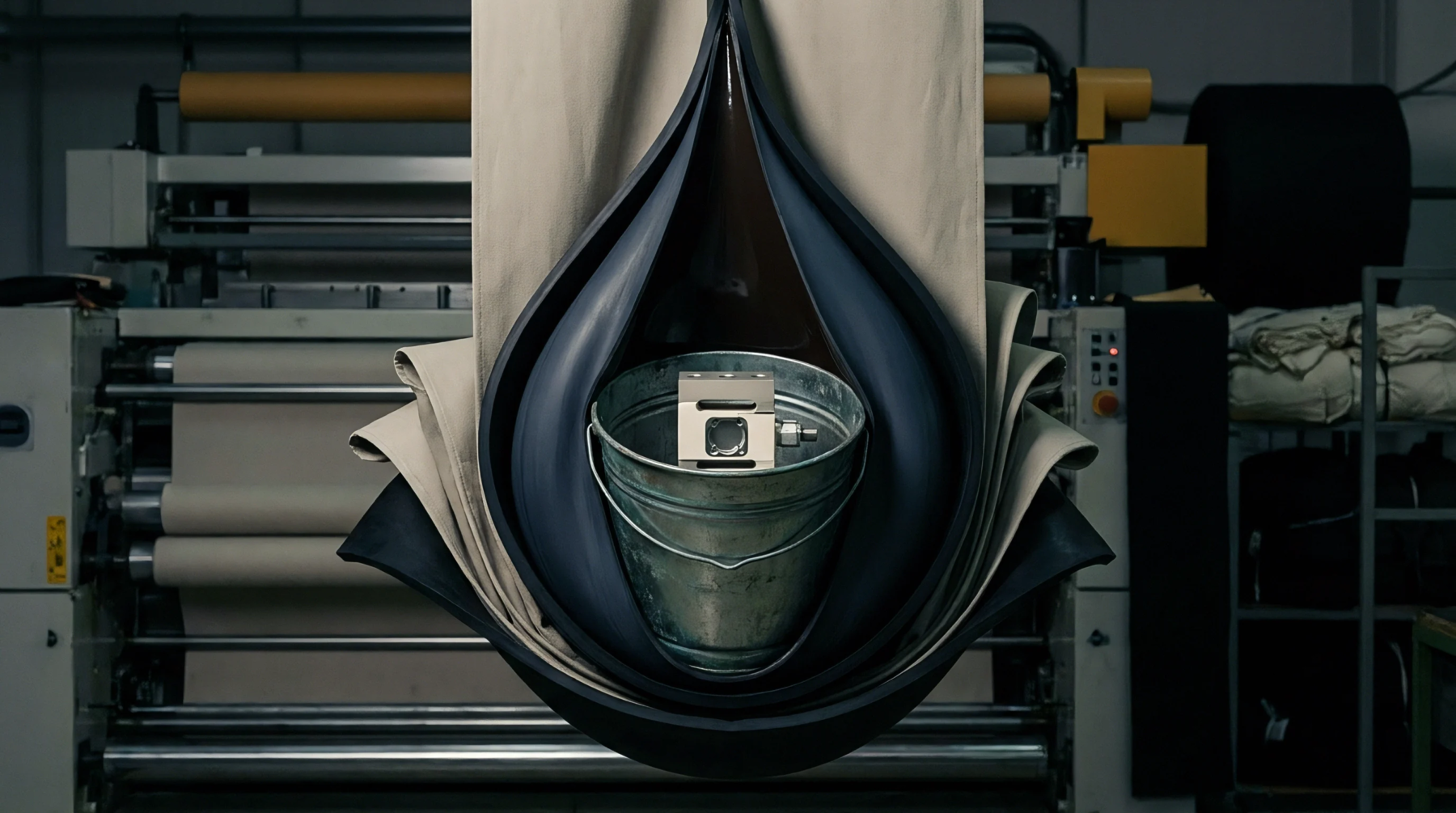
Verify coating weight stability and crosslinker kinetics to ensure peel strength exceeds ten Newtons per fifty millimetres after repeated washing cycles.
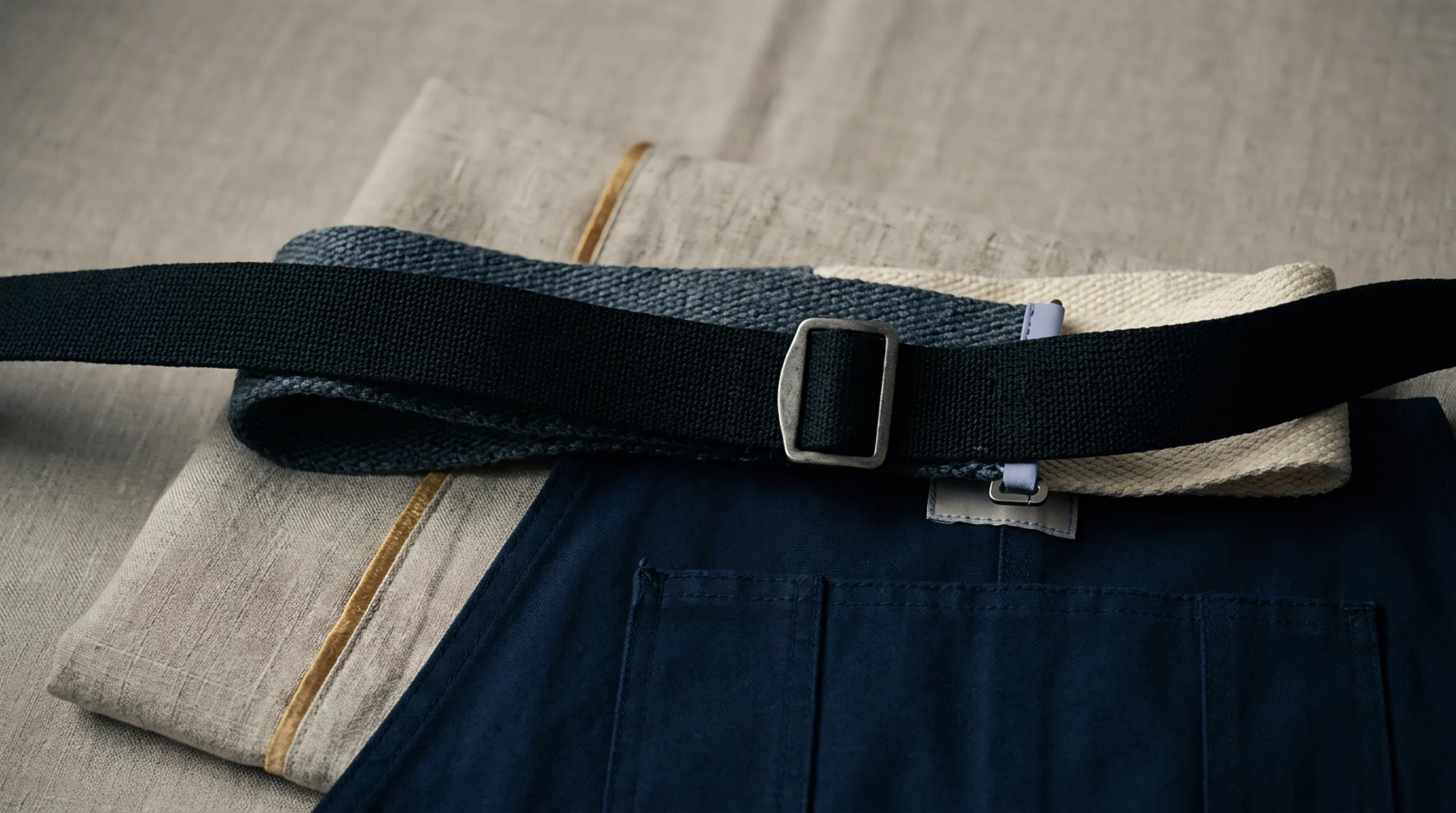
65/35 poly-cotton workwear performance relies on ring twist multipliers near 4.4 and early shed timing to maximize warp cover factor without pilling failure.

Cold pad-batch dyeing prevents crease marks and cuts energy costs on heavy cotton twill, whereas jet dyeing risks surface friction damage in dark shades.

Aligning woven greige warp minimums with dyehouse vessel capacities requires calculating dry mass yields and vessel fill limits to prevent shade variation.

Fabric mass per unit area is calculated by combining yarn linear density, thread count, and crimp factors across conditioned warp and weft system dimensions.

High MOQ fabric conversion risk management requires structuring contractual liability caps that cover raw substrate replacement costs when wet processing fails technical specs.

Fabric performance depends on greige interlacing geometry, wet processing relaxation, and multi-mill supply chain lead times.
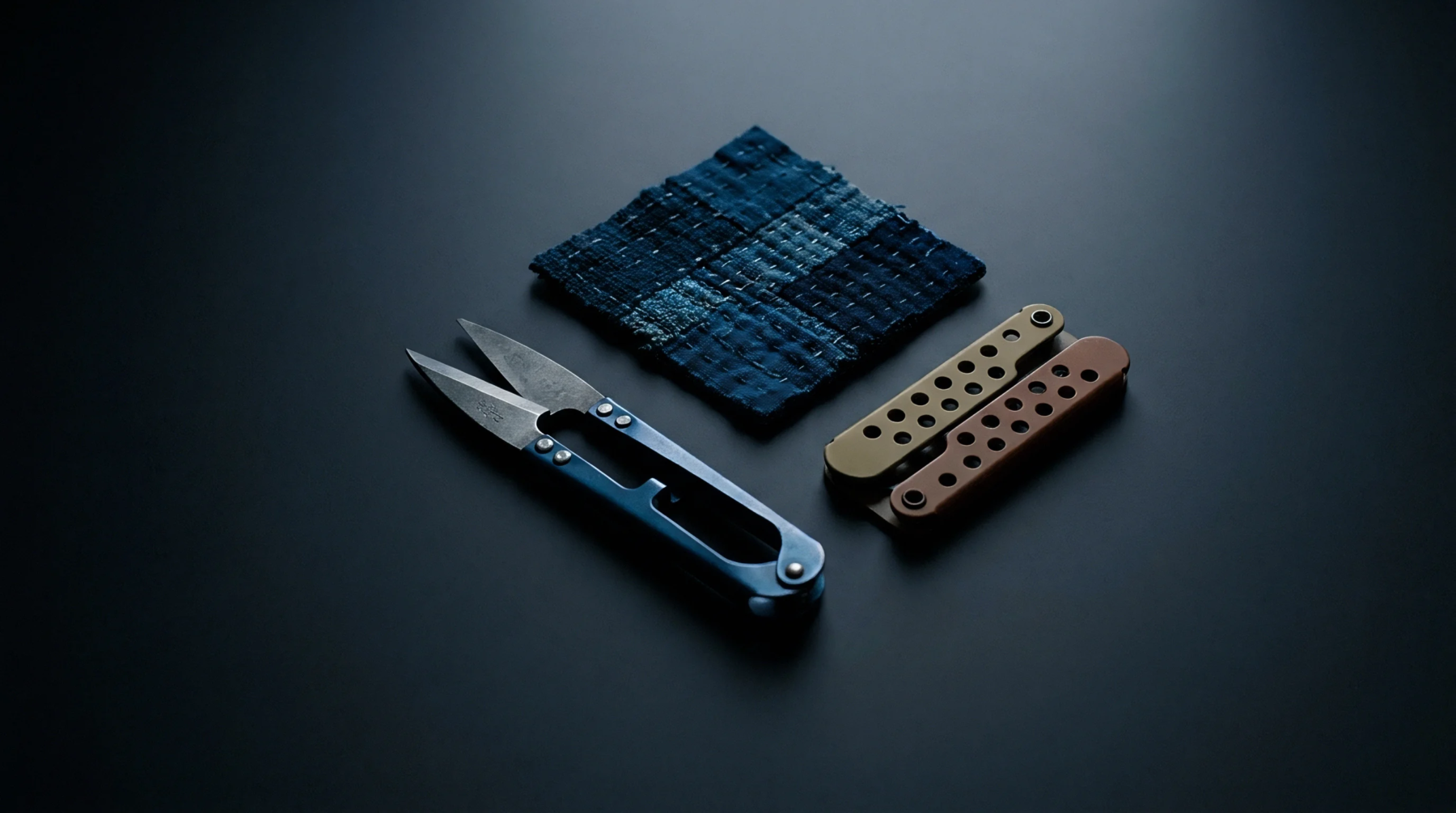
Lowering liquor ratios elevates dye exhaustion efficiency in heavy twills but demands precise flow control to prevent core-ring shading and crocking failure.
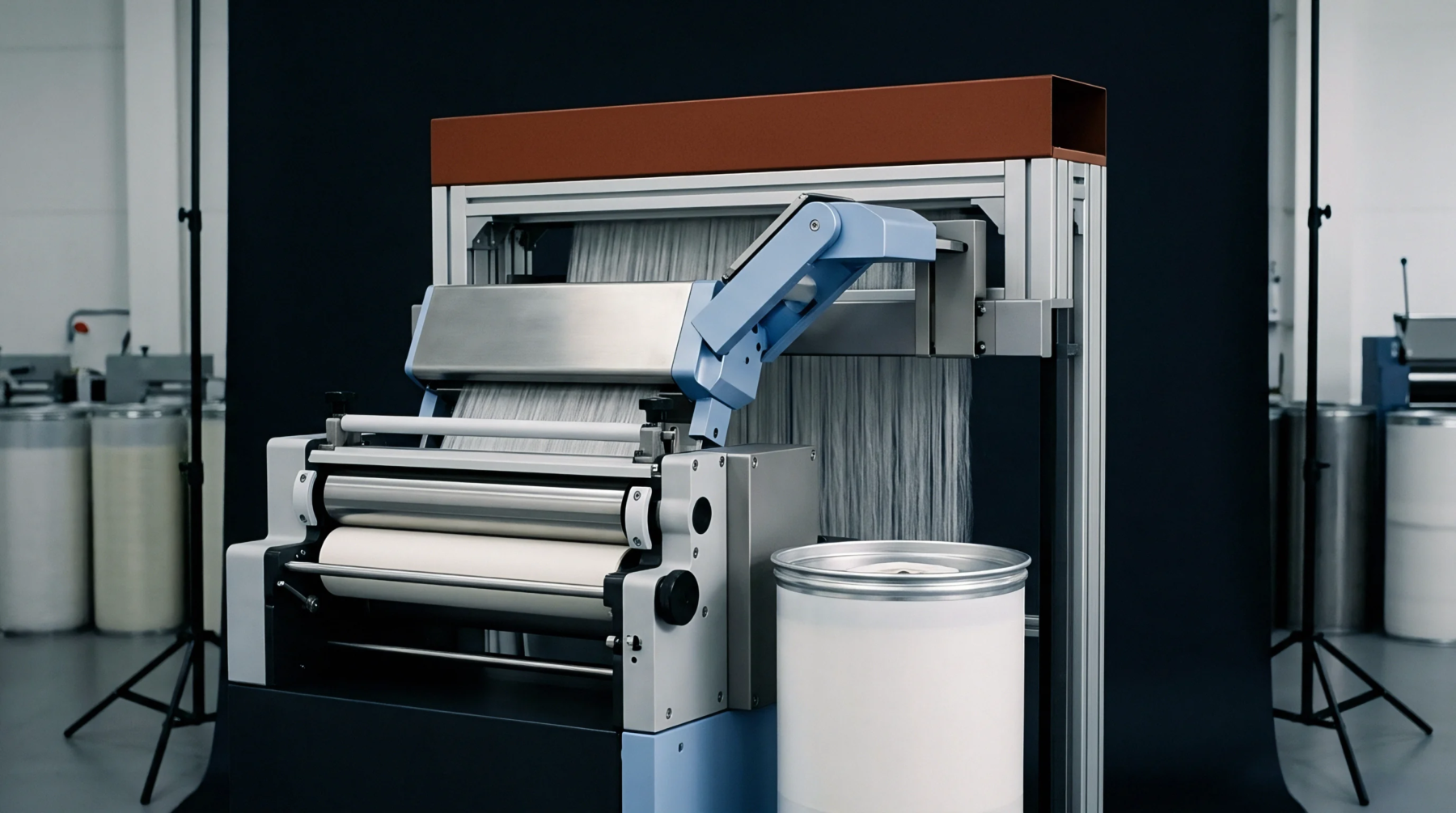
Greige warp beaming economics requires minimum 5000 metre set lengths to absorb fixed slasher setup losses, sizing waste, and creel remnant expenses.

Dye lot conversion schedule reconciliation requires matching greige bulk density and nozzle hydraulics to vessel capacity, preventing pump cavitation and shade drift.
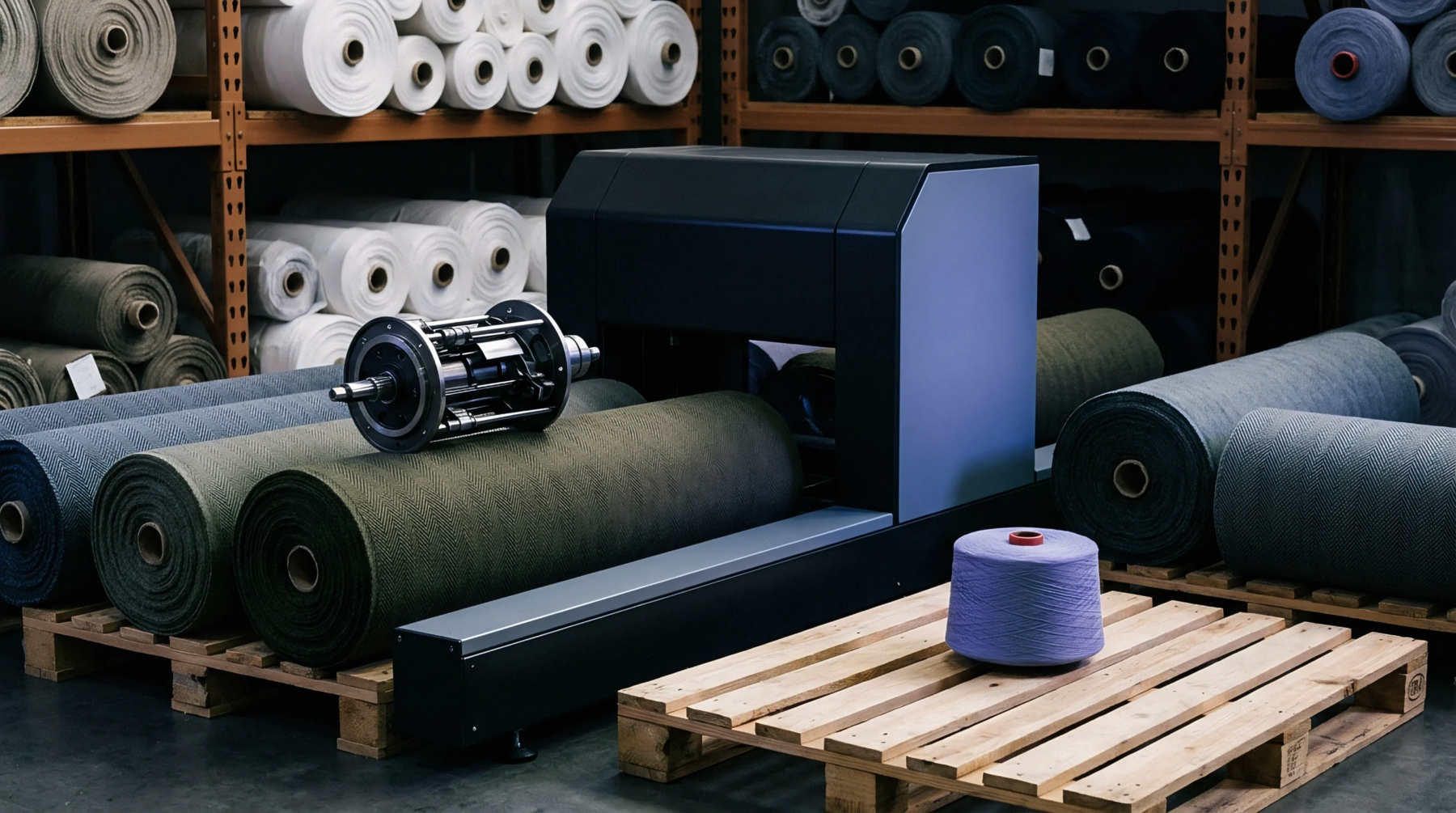
Long term greige storage transfers financial risk from yarn pricing to wet processing variance, requiring strict storage controls and clear dyehouse testing bounds.

Dynamic progressive salt and alkali dosing profiles prevent surface exhaustion and core shade variance in heavy cotton woven dyeing.
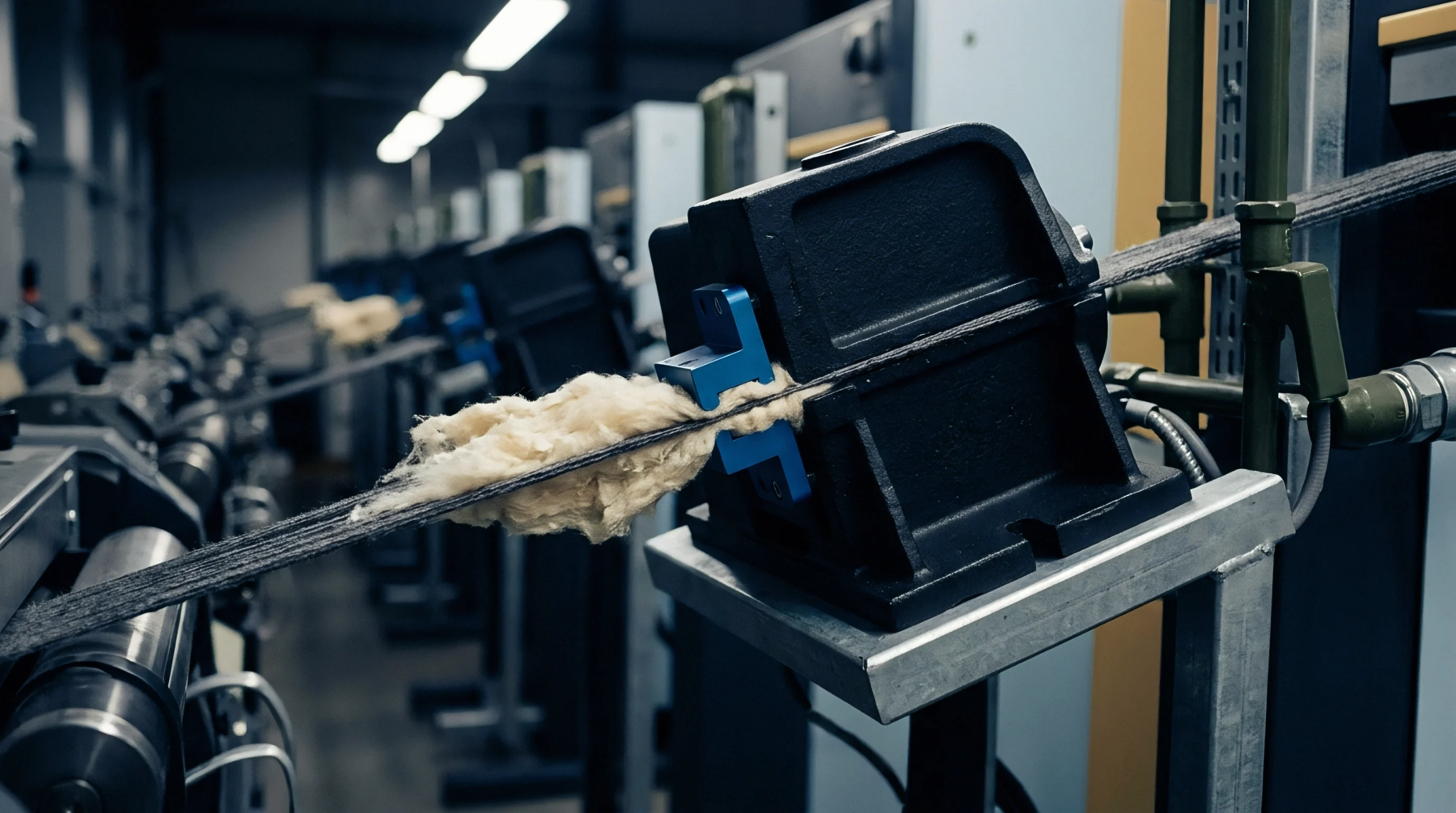
Exceeding 0.35 bar nozzle pressure in micro-denier elastomeric knits ruptures filaments and bare elastane; cap differential pressure to 0.22 bar on overflow jets.

Split dyeing aged greige requires pre-bleaching and low-tension wet processing to offset oxidation, equalizing dye uptake while preserving tensile strength.
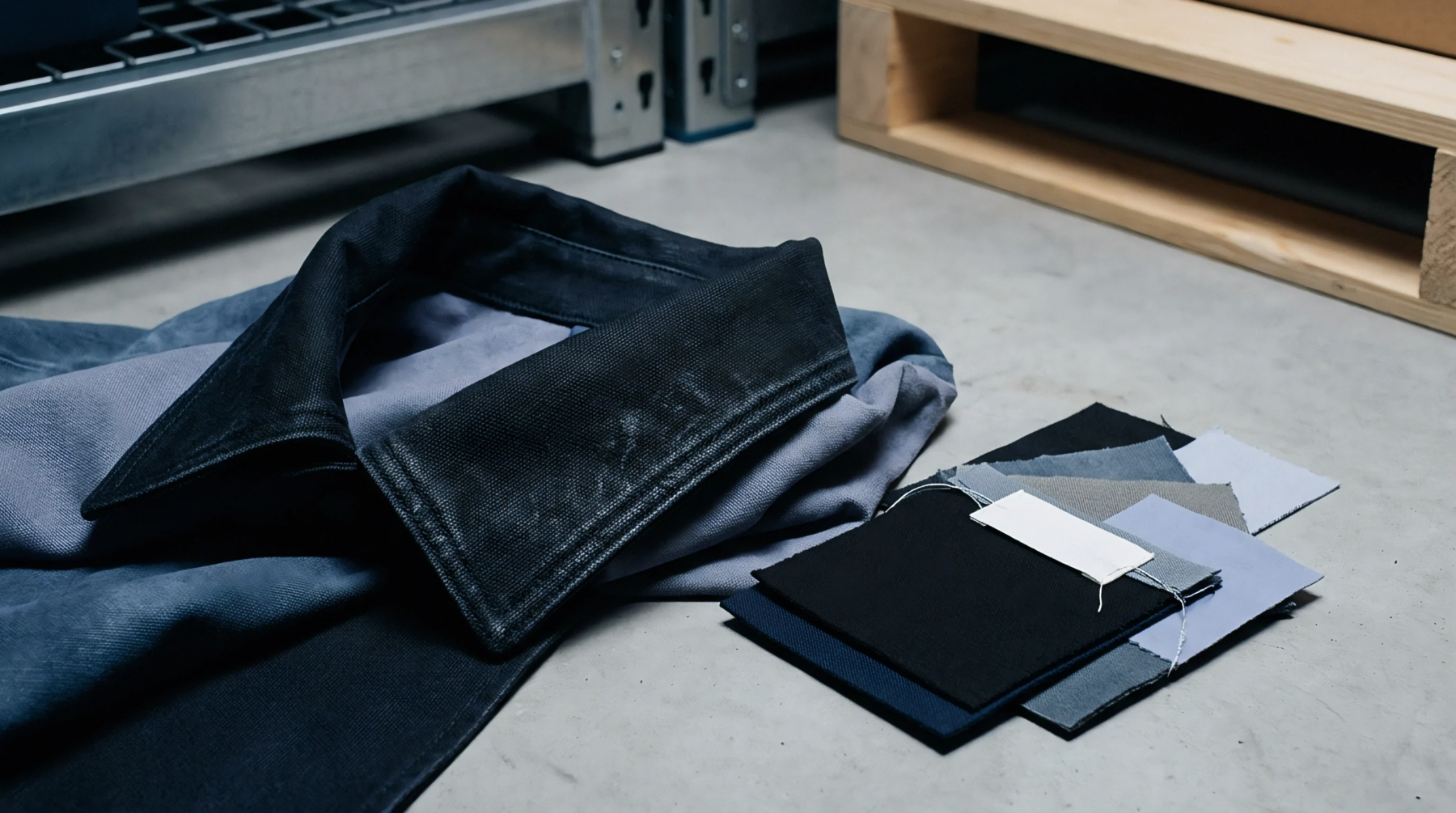
Progressive exponential salt dosing prevents surface strike spikes and forces reactive dye penetration into heavy cotton duck yarn cores.

Low liquor ratio jet dyeing accelerates reactive dye hydrolysis; controlling progressive alkali dosing and boundary layer velocity prevents fabric shade failure.

Preventing filament damage in micro denier elastomeric warp knits demands precise beam tension control, strict stenter thermal capping, and low-shear jet scouring.
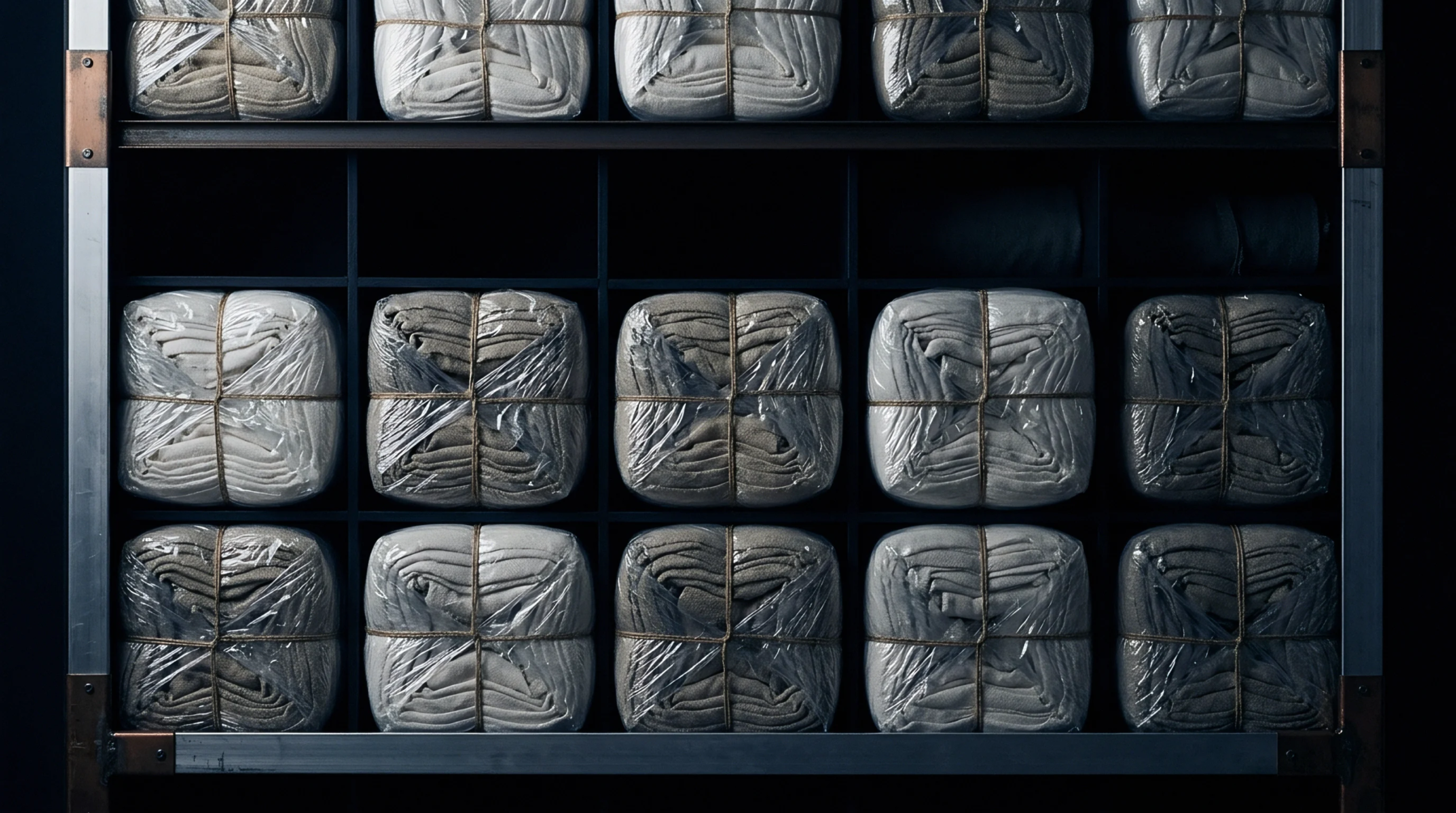
Split dyeing batch shade consistency depends on spectrophotometric reflectance curve matching across multiple illuminants and strict stenter thermal control.

Calculating reactive dye hydrolysis rates in jet dyeing requires tracking bath pH and absorbance over time to optimize alkali dosing and maximize color yield.

When repeat print orders fall below 800 metres, digital printing eliminates rotary screen setup fees and waste, cutting landed costs and lead time.

Enforce CIE DE2000 spectrophotometric shade tolerance limits under dual illuminants with strict fabric conditioning to prevent batch rejections.

Cold pad batch dyeing of dense twills requires low-volume trough turnover, dual-component alkali dosing, and precise rotation to eliminate tailing and core defects.
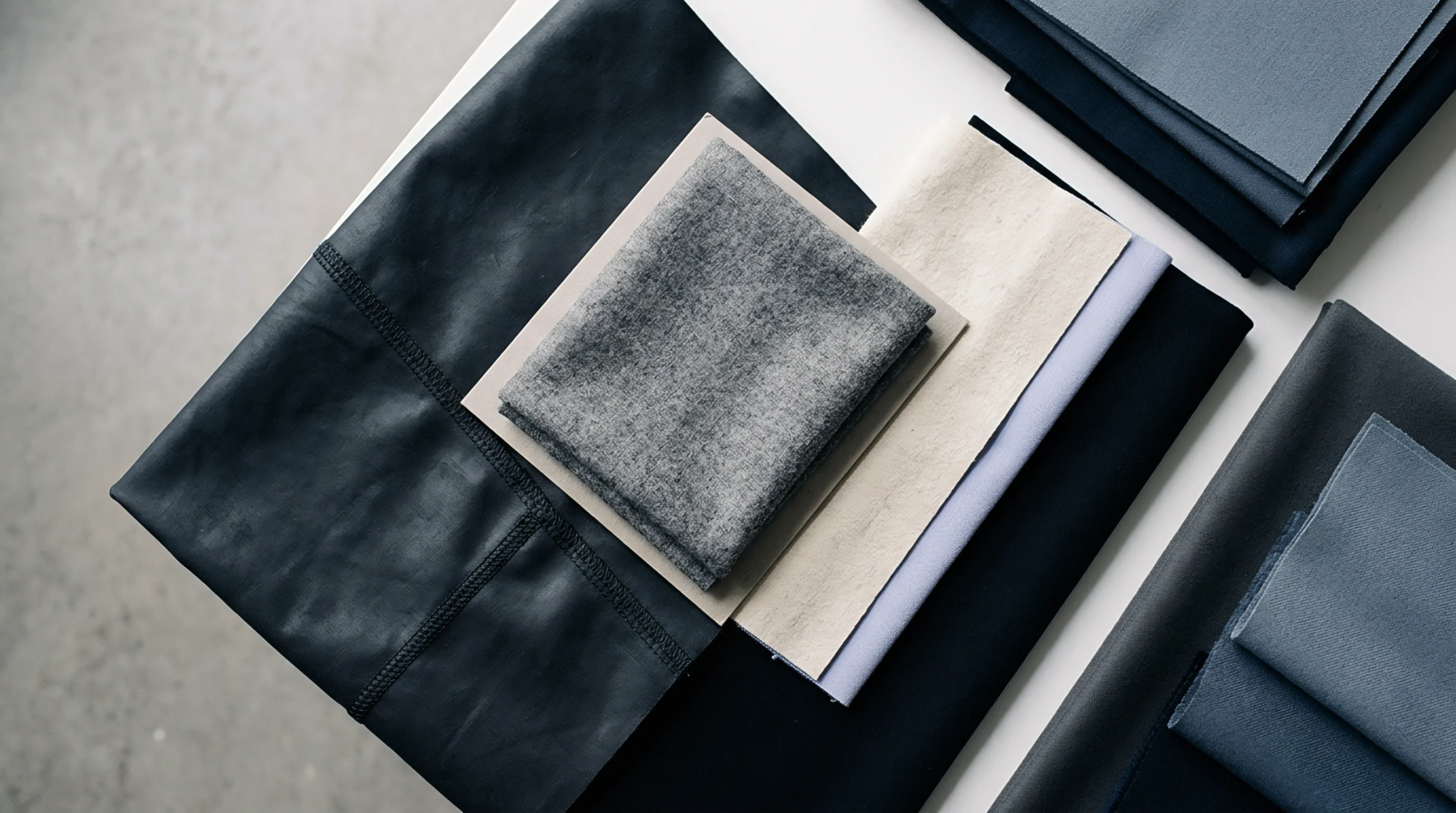
Accurate woven mass calculation requires modeling yarn counts, crimp percentages, sizing removal, and moisture regain across every step from loom shed to final invoice.
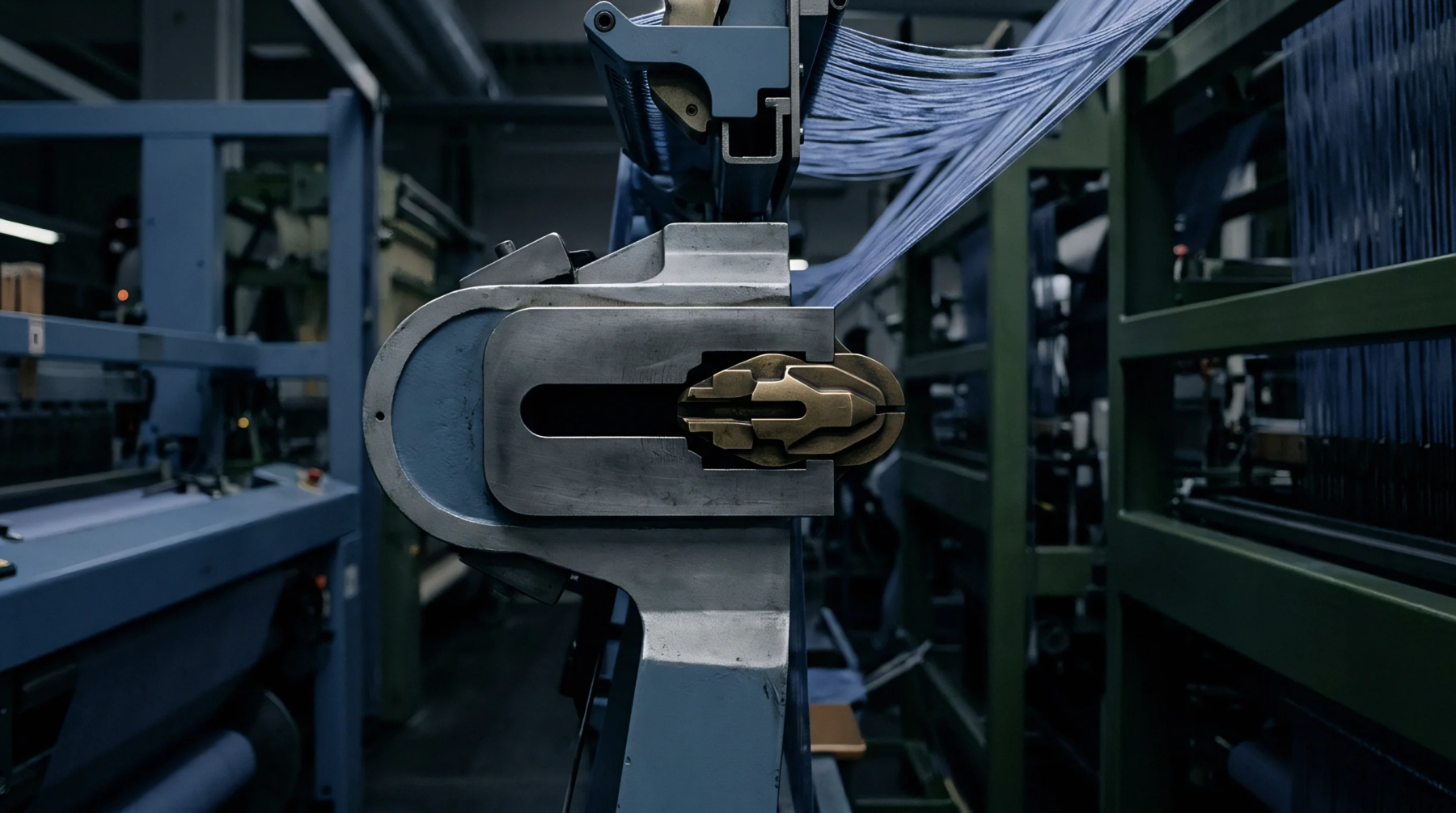
Correlating loom sett and machine gauge to wet shrinkage requires matching grey thread density and stitch length to wet relaxation limits before finishing.
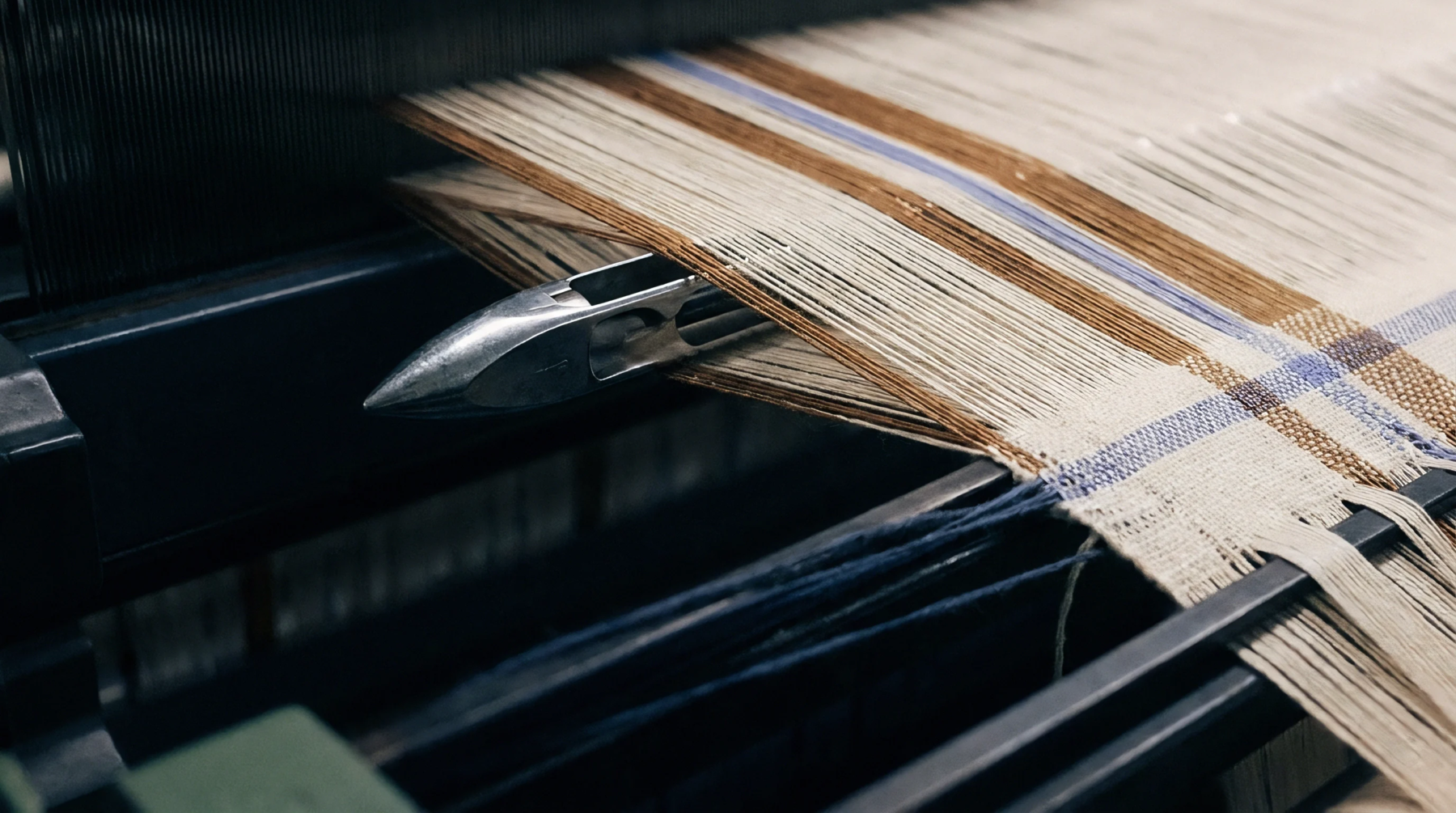
Greige warp set calculations must integrate reed width contraction, warp crimp, sizing stretch, and setup waste to establish accurate yarn purchase masses.
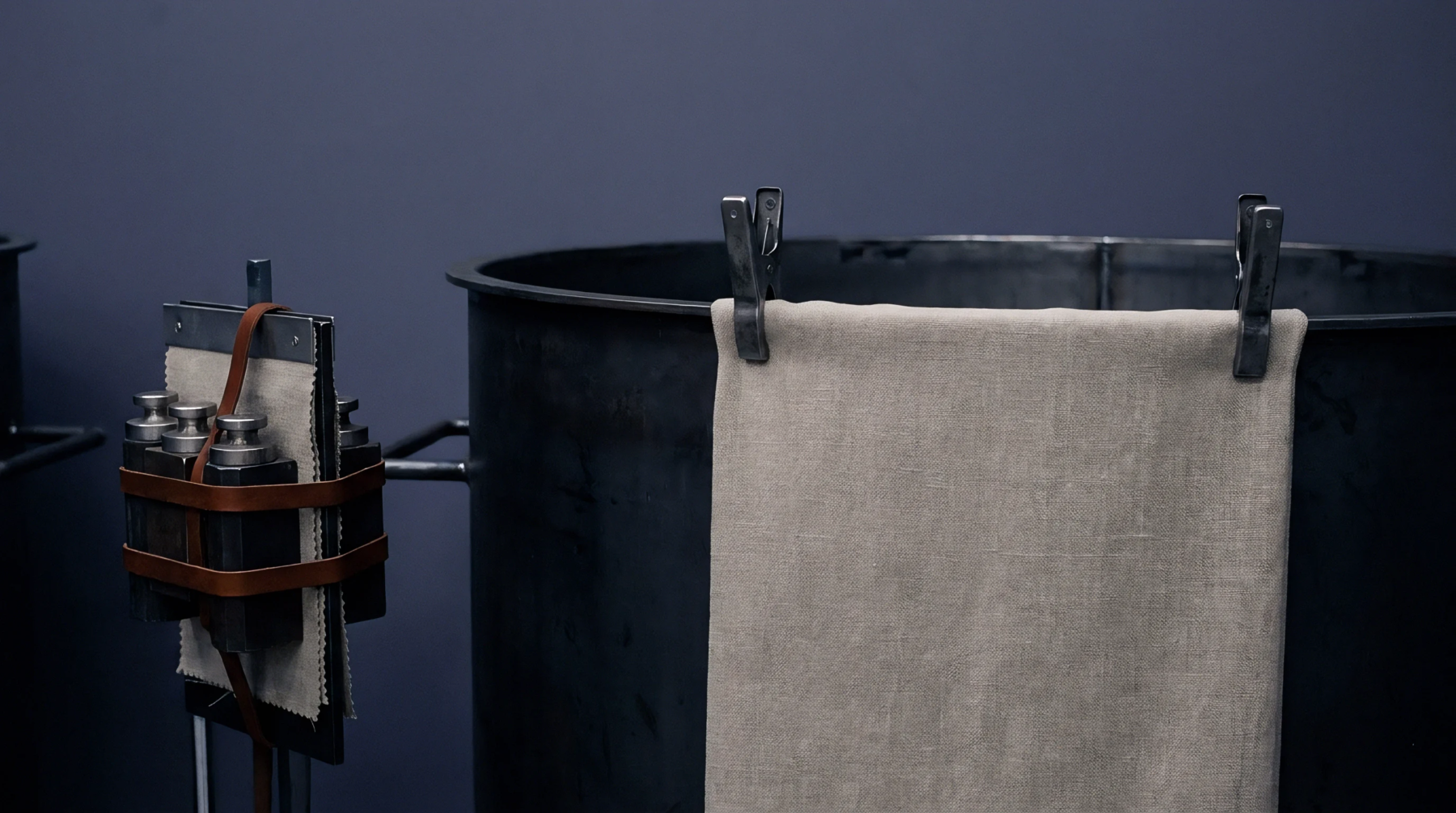
Reconciling master greige orders across multi-tube jet vessels requires matching greige linear mass to individual tube capacities while maintaining fixed liquor ratios across all operational runs.
Expertise is a utility, not a secret. sentiention™ publishes its working knowledge as open reference: intelligence layer covering the materials it sources, the markets it enters, and the reference that serves both.