
Evaluating Fabric Printing Machine Setup Costs and Changeover Times
Digital printing eliminates prepress screen charges and startup scrap, beating rotary economics below 2,000 metres before paste cost parity shifts at 6,000.
Digital printing eliminates prepress screen charges and startup scrap, beating rotary economics below 2,000 metres before paste cost parity shifts at 6,000.

Low liquor ratio dye extraction stalls unless thermal ramping is delayed until bath electrolyte drops below two grams per liter to enable desorptive diffusion.
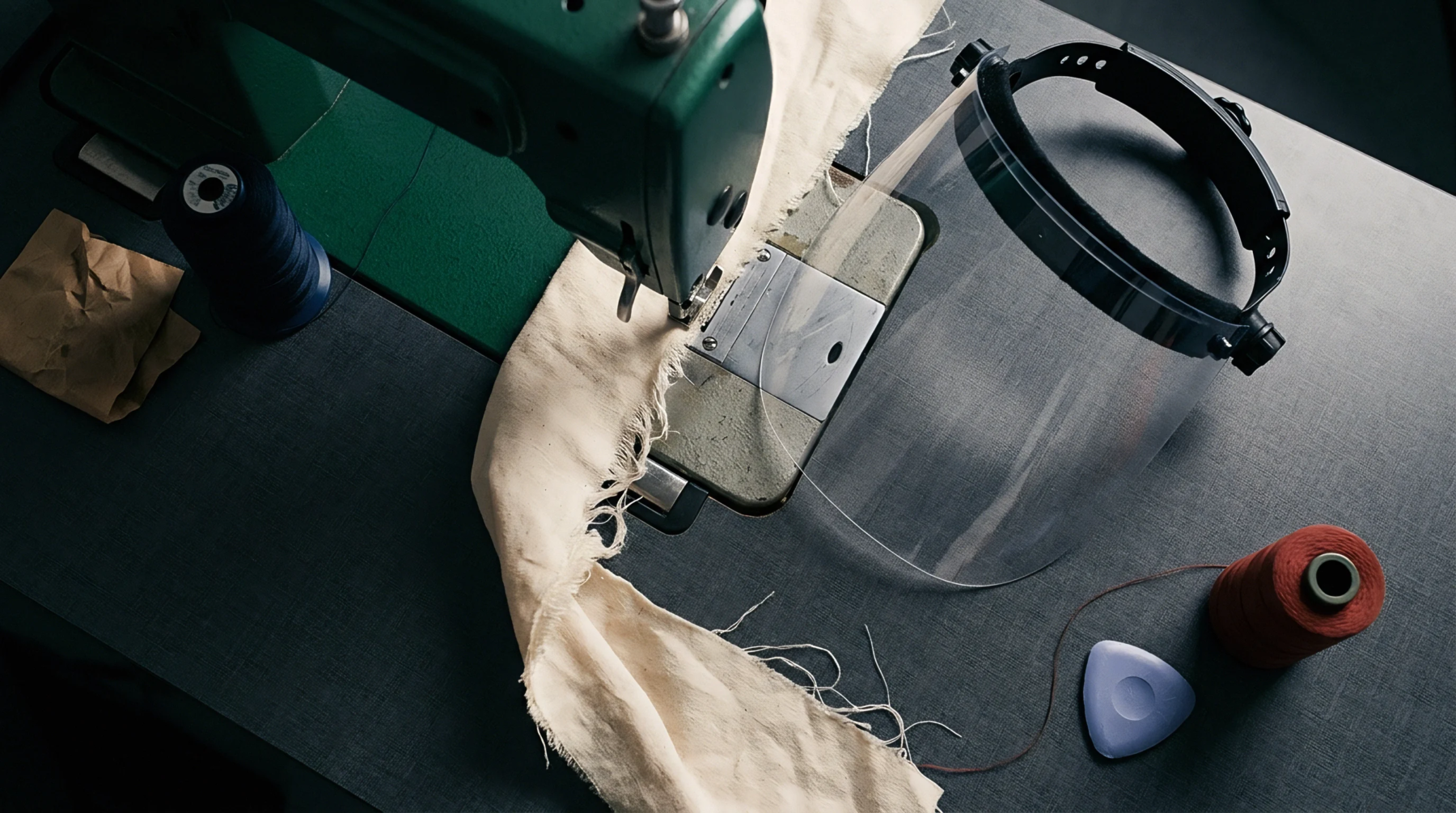
High-temperature water exchanges below electrolyte thresholds overcome dye affinity, removing hydrolyzed reactive chromophores to pass ISO 105-C06 wash tests.

Remove hydrolyzed reactive dye from cotton knits by dropping salt below 2 g/L, neutralizing to pH 6.5, and soaping at 95°C with polyacrylate dispersants.
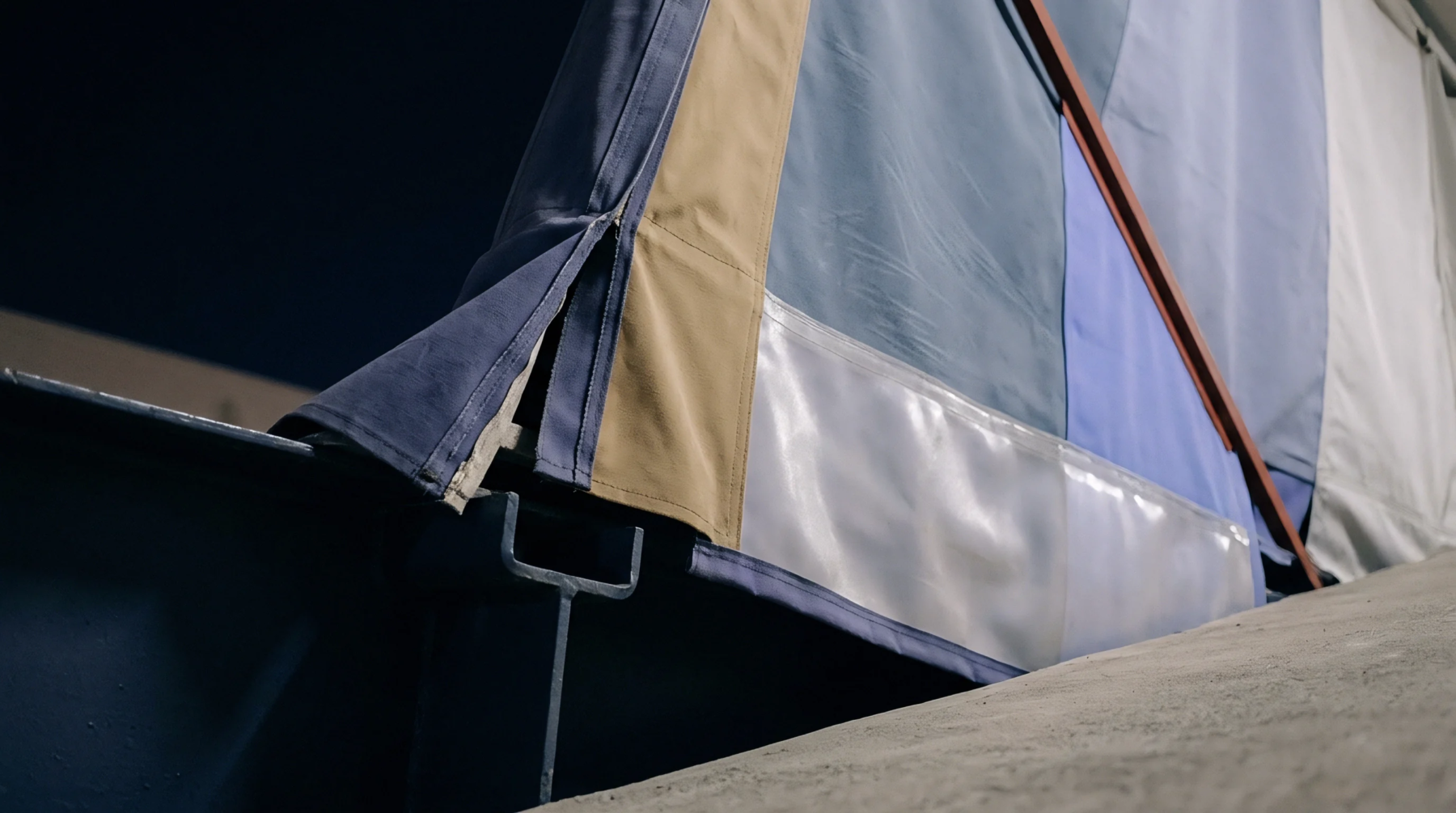
Balance venturi differential pressure with exponential salt dosing to force dye through dense multi-ply cotton plies, preventing ring dyeing and crock failures.
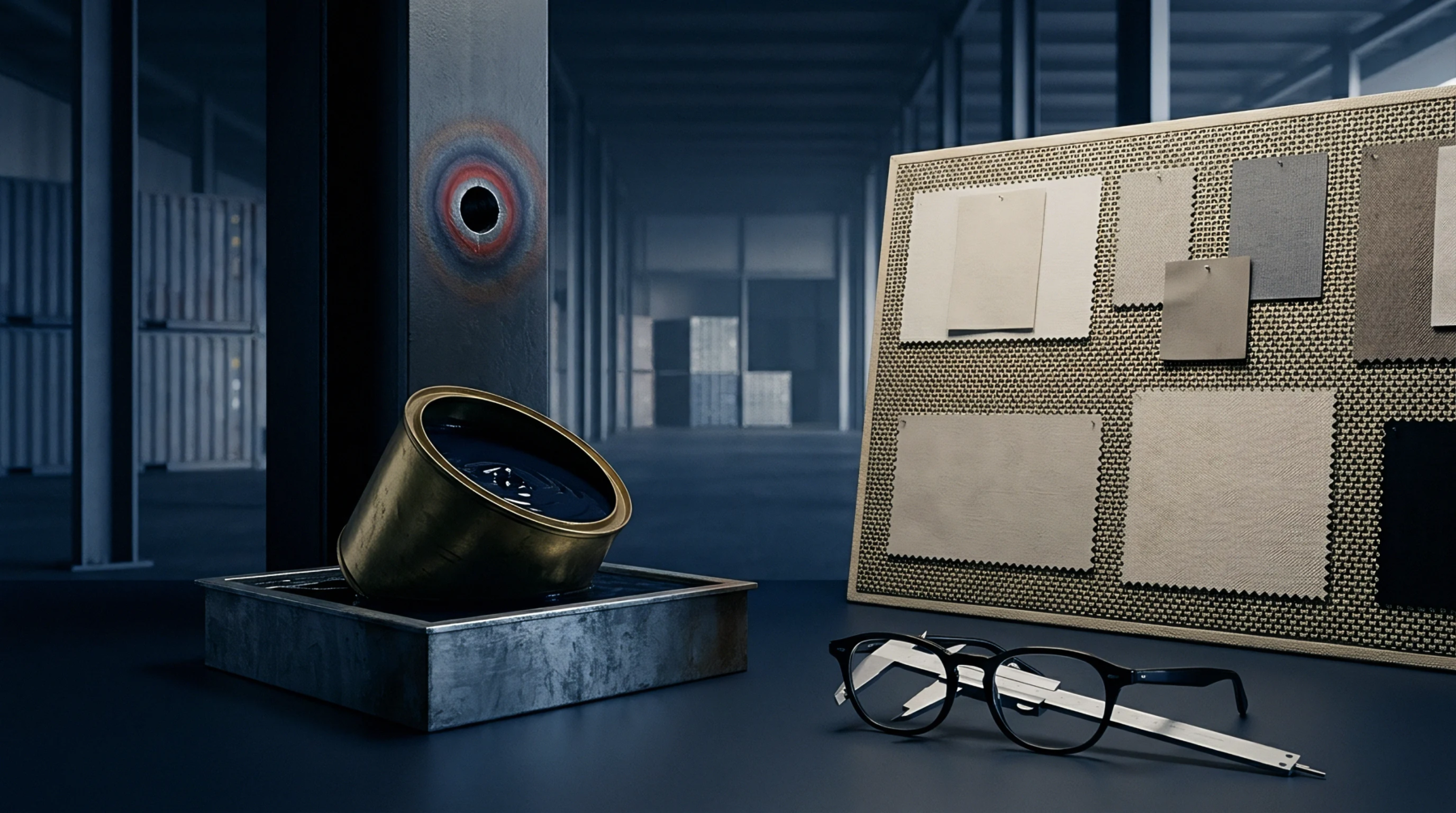
Controlled progressive electrolyte dosing prevents rapid surface strike and core starvation when reactive dyeing dense cotton duck at low liquor ratios.
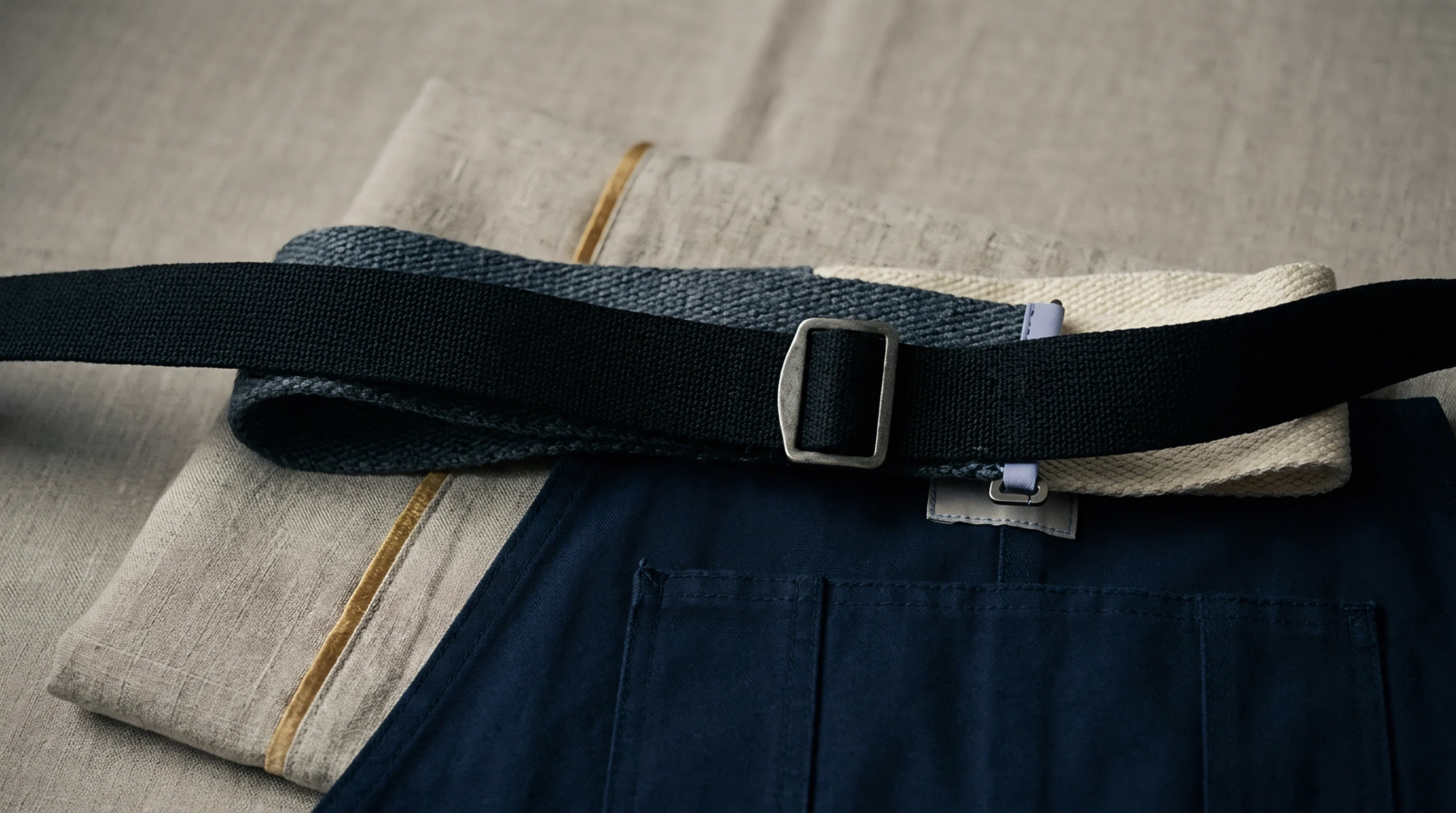
Low liquor jet dyeing of heavy duck yields ten cent per metre savings but demands precise nozzle sizing and metered dosing to prevent unfixable rope creases.

Hydraulic boundary layer shear in high-pressure jet throats strips microfilaments when liquor-to-rope relative velocity exceeds 3.8 metres per second.
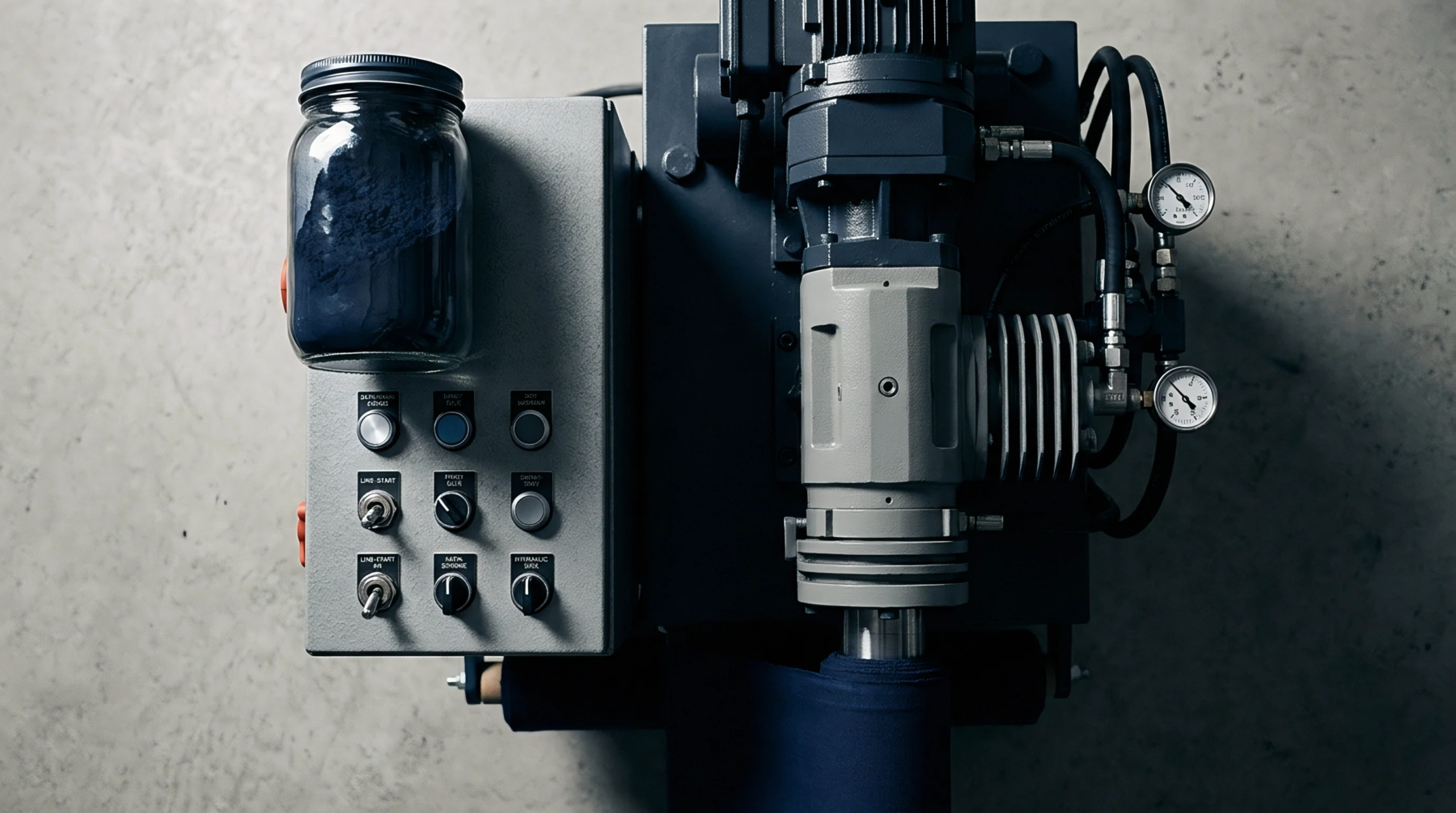
Dynamic pressure transducer calibration in jet vessels demands thermal sweep profiling to prevent inter-chamber flow imbalance and fabric unlevelness.
Determine light woven jet nozzle sizing by matching compressed rope cross-section plus forty percent liquor annulus area to prevent abrasion and creases.
Establishing gravimetric moisture correction limits requires adjusting commercial regain to 7.4-7.85% to account for hornification in shredded cotton yarns.
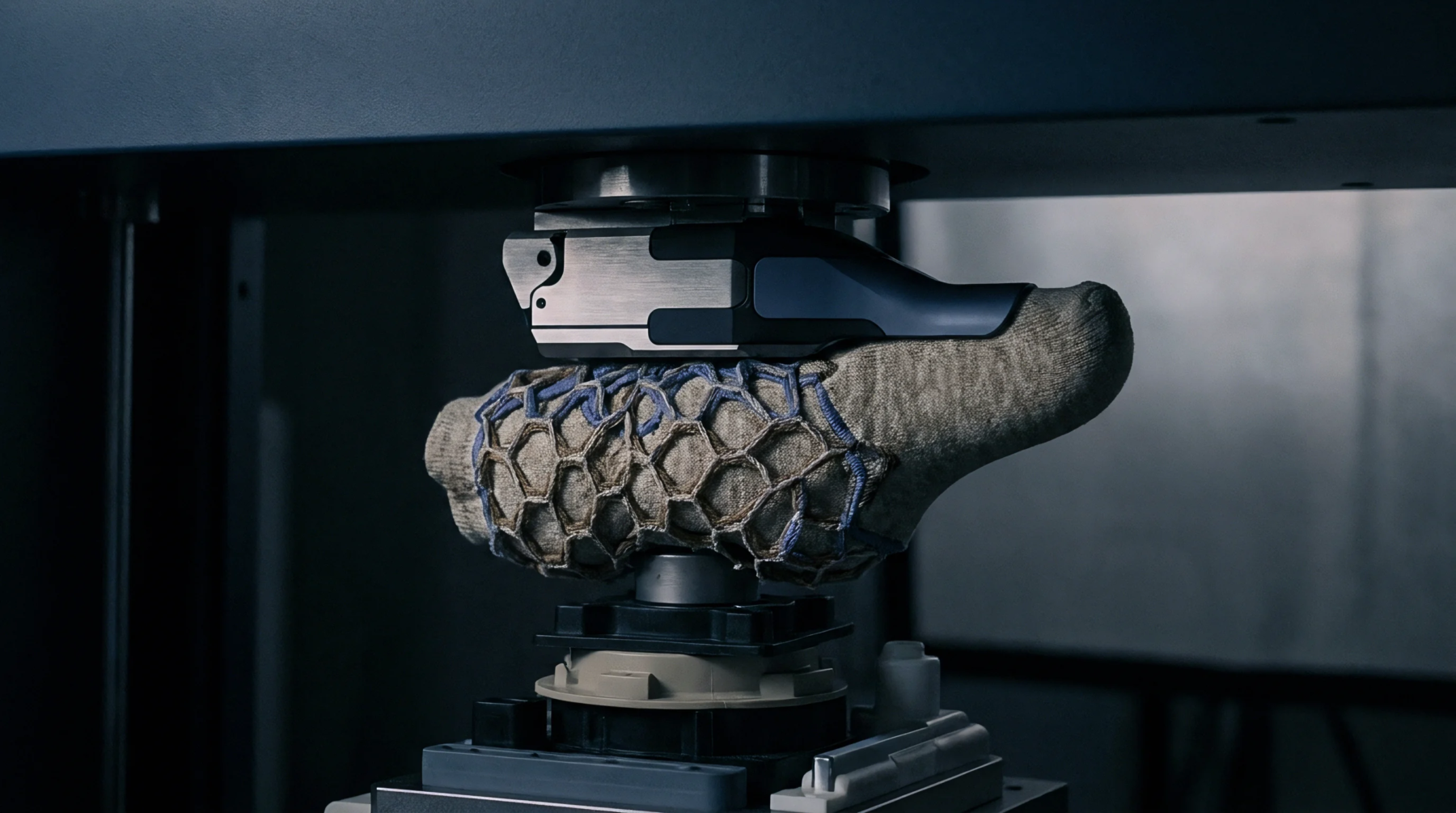
Solvent extraction on post-consumer yarn varies due to oligomer leaching and solvent choice; specify non-swelling solvents to isolate true topical oils.
Standardized solvent protocols require degradation-adjusted d-values and strict thermal boundaries to prevent non-target dissolution errors in complex blends.
Dynamic Fourier decomposition of high frequency mass spectra isolates mechanical unraveling artifacts from true filament periodicity defects to prevent barré.
Harmonize wrap reel and cut sample crimp contraction using empirical linear conversion models accounting for inter-filament friction and thermal relaxation.
Rotary punch cutters distort fabric mass testing via yarn severance and perimeter loss, demanding multi-radius mathematical correction or full-width sampling.

Controlling intermediate drying rates and multi-stage washing ensures high-speed pad steam lines reach grade 4 wash fastness on dense cotton wovens.
Fixing polyester cotton wovens at 215°C for 30–45 seconds maximizes high-energy disperse dye yield while avoiding cellulose depolymerization and tensile loss.

Continuous pad dyeing controls shade uniformity through roll deflection calibration, intermediate moisture reduction, and dynamic trough replenishment.
Continuous inline spectrophotometry replaces physical swatches by streaming verified spectral data to automate roll shade sorting across multi-tier apparel supply chains.

Metamerism index limits below 0.5 under secondary retail illuminants prevent shade rejection and dyestuff rework across global fabric supply chains.
Specify d/8° specular included for dye formulation and d/8° specular excluded or 45°/0° for bulk shade sorting to isolate surface texture from color yield.
Polyether elastane undergoes rapid hydrolytic urethane scission at 130C, cutting tenacity by thirty percent when jet nozzle shear accelerates degradation.

Quantifying polyurethane polyurea separation yields requires selective tetrahydrofuran Soxhlet extraction followed by high vacuum drying to close mass balances.
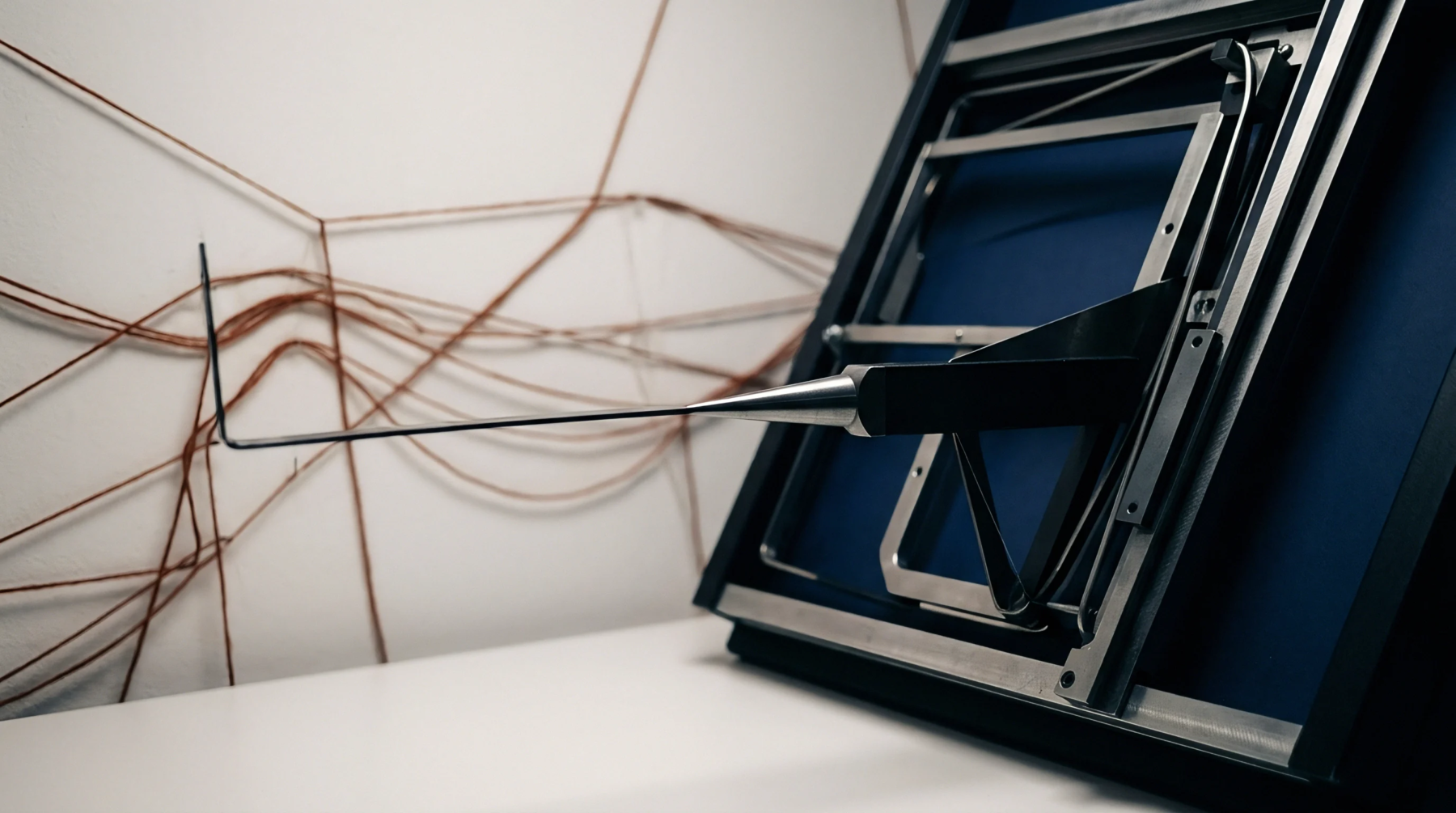
Tensile verification of elastomeric-centered yarns demands capstan clamps, 0.01 cN/tex pretension, and five-cycle hysteresis logging to catch slippage.

Dynamic tension compensation decouples beam inertia from asymmetric stitch kinematics in high gauge tricot, preventing barre and width-wise shade bands.

Tricot warp beam tension setup balances linear runner lengths per rack using calibrated let-off drives and spring rails to stabilize fabric loop geometry.
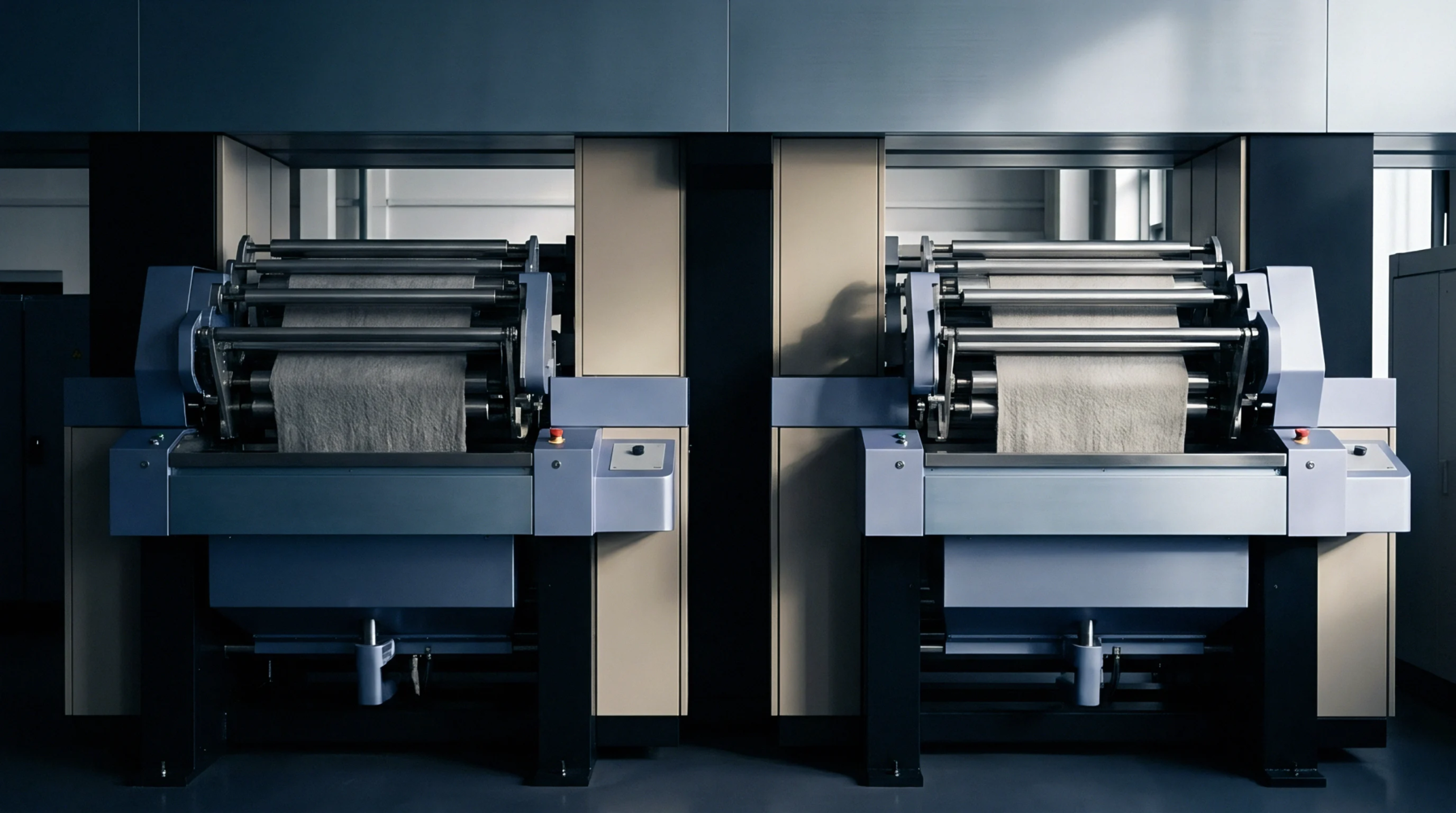
Continuous let-off tension control synchronizes beam spindle speed with needle consumption, preventing cyclic barré and mass variance in fine gauge tricot.

Ratiometric confocal microscopy measures real-time yarn core pH, proving S-curve alkali dosing prevents peripheral fiber swelling and shade ring-dyeing.
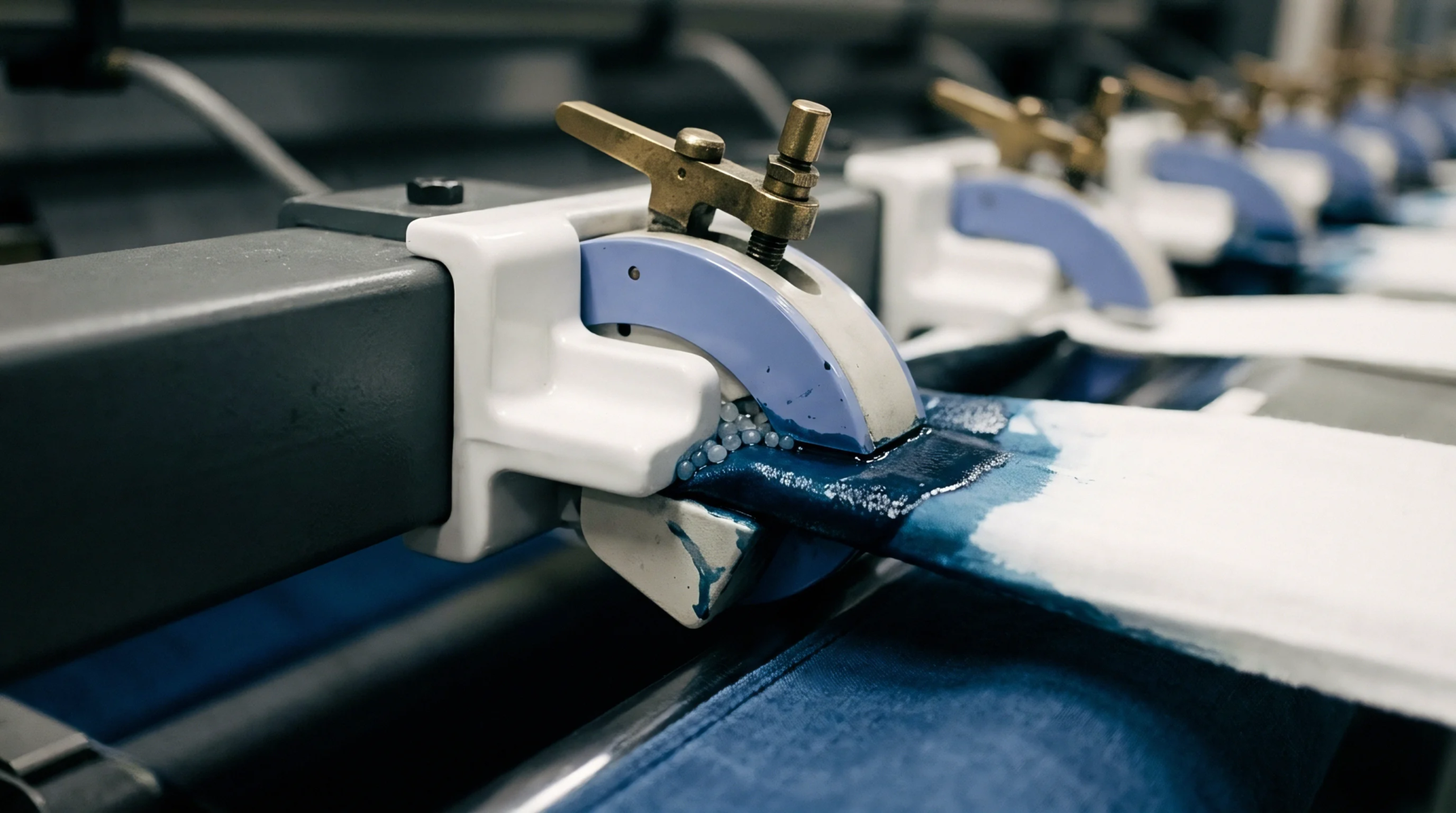
Maintain sodium carbonate bath concentrations between 24 and 28 g/L using hyperbolic dosing curves to balance buffer capacity and prevent dye strike shock.
Expertise is a utility, not a secret. sentiention™ publishes its working knowledge as open reference: intelligence layer covering the materials it sources, the markets it enters, and the reference that serves both.