Chemical Study
Chemical study of the rates of exhaustion and fixation reactions that occur between water-soluble reactive dyes and cellulosic fibres under alkaline conditions. Reactive dye kinetics involves the measurement of how quickly dye moves from the liquor to the fibre and how fast it forms a covalent bond. Understanding these rates is necessary for optimizing the dyeing cycle and ensuring consistent results.
The process is divided into several distinct phases, each with its own kinetic profile. Mills use this data to reduce processing times and improve the efficiency of their operations.
Reaction Rate
Speed of the bonding reaction is determined by the molecular structure of the dye and the chemical environment of the bath. In the study of reactive dye kinetics, researchers focus on the interaction between the reactive group and the cellulosate anions on the cotton. This reaction is competing with the hydrolysis of the dye, where the colorant reacts with water and becomes inactive.
The goal of a successful dyeing process is to maximize the rate of fixation while minimizing the rate of hydrolysis. Factors such as temperature, pH and electrolyte concentration all influence these kinetic values. A higher temperature generally increases the reaction rate but can also lead to more hydrolysis if not managed carefully.
The alkalinity of the bath acts as a catalyst for the fixation process, and the rate of bonding increases as the pH rises. Kinetic models allow dyers to predict the exhaustion and fixation curves for different dye combinations. This predictive power is essential for creating recipes that result in level dyeing without wasting expensive chemicals.
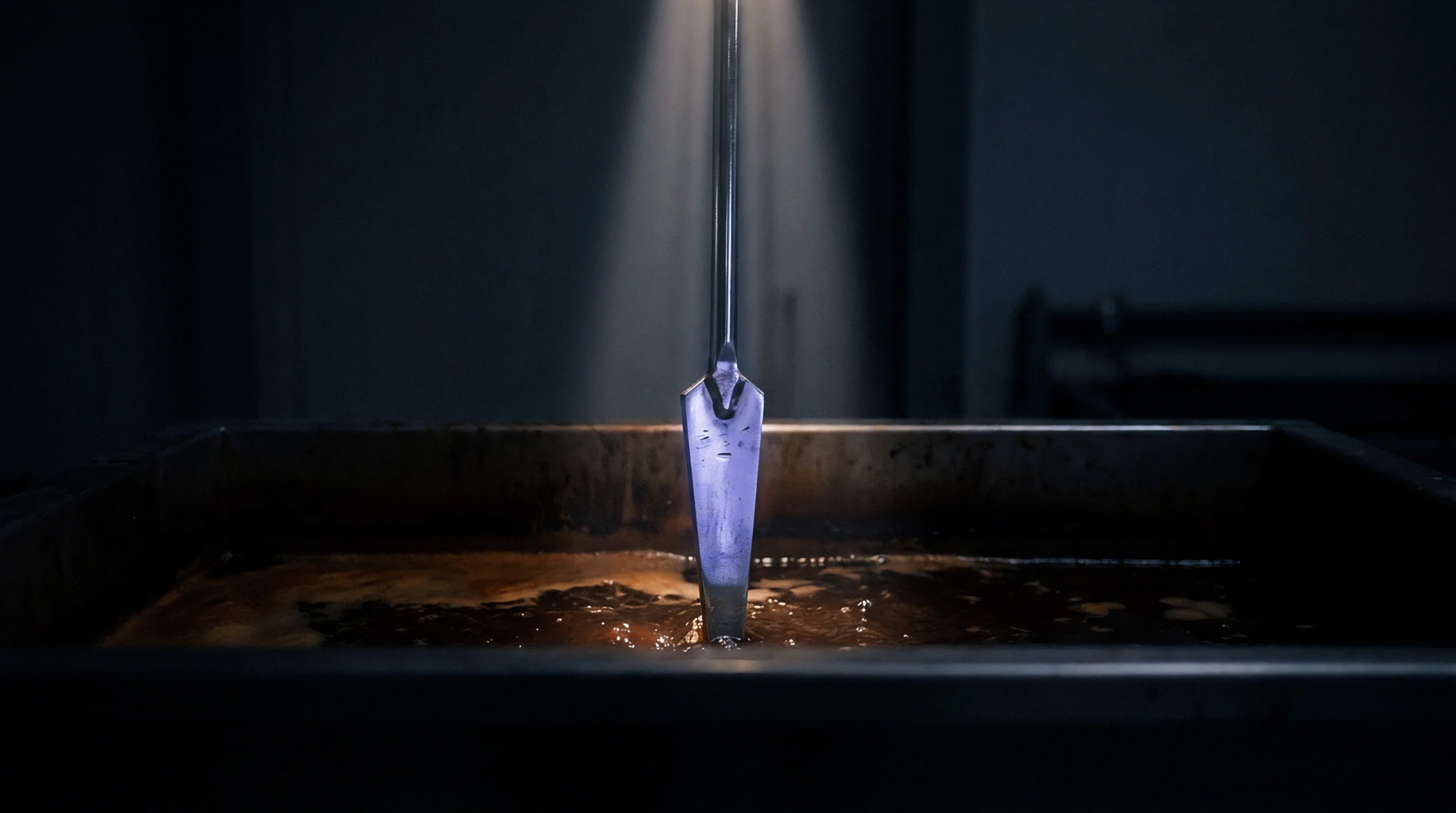
Advanced laboratory equipment is used to monitor the dye concentration in real-time to generate these kinetic maps.
Substrate Interaction
Diffusion of the dye into the amorphous regions of the cellulose is the first kinetic hurdle in the process. During the exhaustion phase, reactive dye kinetics are dominated by the movement of the molecules from the liquor to the surface and then into the fibre. The physical structure of the fabric, including the yarn count and weave density, affects the speed of this diffusion.
Smaller dye molecules tend to move faster and reach equilibrium more quickly than larger ones. The presence of salt in the bath reduces the electrostatic repulsion between the dye and the fibre, speeding up the exhaustion. Once the dye is inside the fibre, the focus shifts to the fixation kinetics.
The rate at which the dye bonds to the cellulose determines the final color yield of the batch.
Yield Optimization
Productivity in the dye house is directly linked to the mastery of these chemical reaction rates. By applying the principles of reactive dye kinetics, technicians can design shorter dyeing cycles that still achieve full fixation. This reduces the consumption of water, steam and electricity, making the process more sustainable.
Right-first-time production is only possible when the kinetics of every dye in a mixture are compatible. If one dye fixes much faster than another, the resulting shade will be unlevel and difficult to control. High-quality textile production relies on the precise application of these kinetic principles.
Final garment quality is a reflection of the carefully managed chemical reactions that take place within the dyeing vessel.