Operational Tension
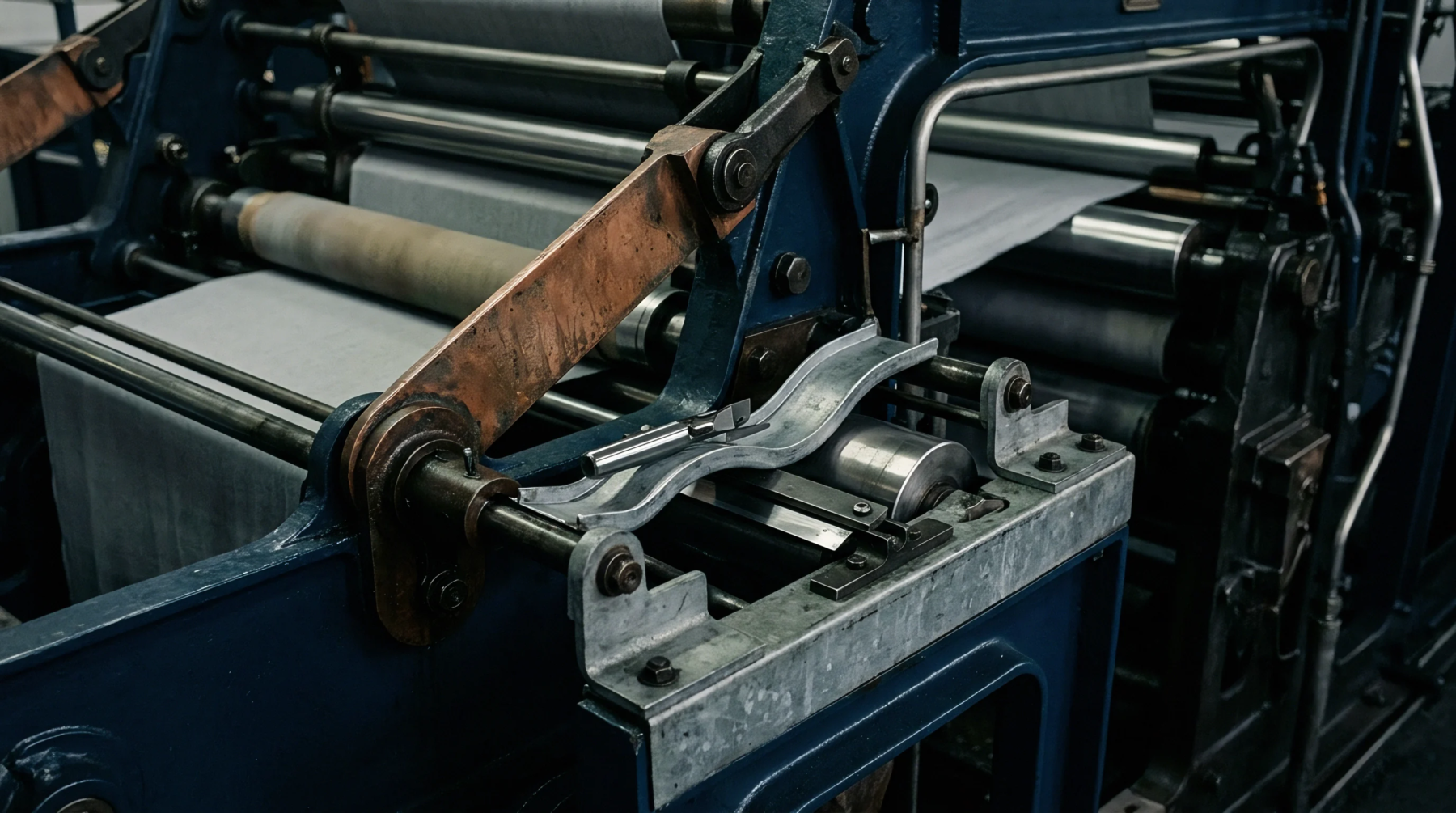
Feed rate regulation defines this function within stenter frames and knitting machinery to control the delivery speed of fabric through processing zones. A mechanical overfeed allows material to enter a machine faster than the take-up speed of the subsequent rollers or pins. Precise speed differentials prevent stretching of the fabric structure while allowing the yarn crimp to reset during heat setting or drying stages.
Excess length provided by this control enables the fabric to relax under controlled thermal conditions.
Fabric Shrinkage
Control of dimensional stability relies upon this adjustment to compensate for tension built up during earlier stages like dyeing or scouring. When a frame operator sets the speed of the entry rollers above the chain speed, the fabric gathers slightly on the needles. This accumulation permits the fibres to retract without pulling against the machine tension.
Shrinkage happens within the heat chamber rather than under the mechanical load of the transport system.
Process Calibration
Calibration of the overfeed mechanism requires a comparison between the encoder pulse of the entry roller and the actual chain velocity. Operators calculate the percentage of extra material feed by dividing the speed difference by the chain speed. If the machine lacks digital synchronization, technicians measure the distance between specific reference points on the fabric before and after entering the field.
Consistent results depend on the stability of the drive motor and the slip resistance of the feeding rollers against the cloth surface.
Density Management
Adjustment of this parameter governs the final stitch density in circular knitting or the pick count in woven goods after finishing. Excess material supplied by the mechanism fills the space created by the drying process which prevents permanent elongation of the structure. High values force a dense construction while lower values allow for lighter weights and open textures.
Proper management of this physical variable determines the width and weight consistency of every bolt processed in the finishing plant.