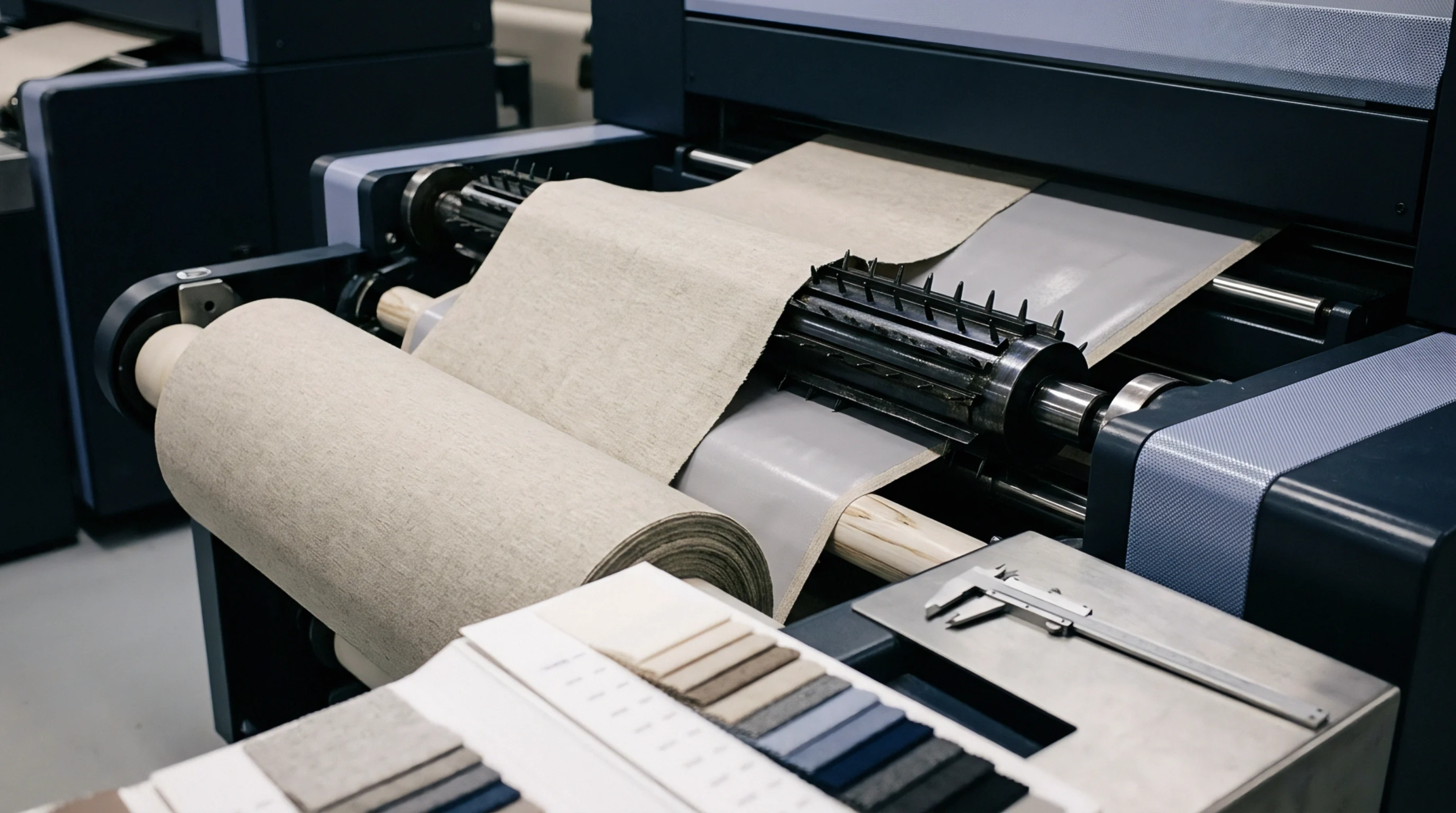
Inter Instrument Calibration Methods for Transmitting Digital Textile Color Standards
Digital textile standards require specular-included d/8 geometry, UV energy calibration, and matrix transformation to hold inter-instrument drift under 0.15 DE.
Digital textile standards require specular-included d/8 geometry, UV energy calibration, and matrix transformation to hold inter-instrument drift under 0.15 DE.
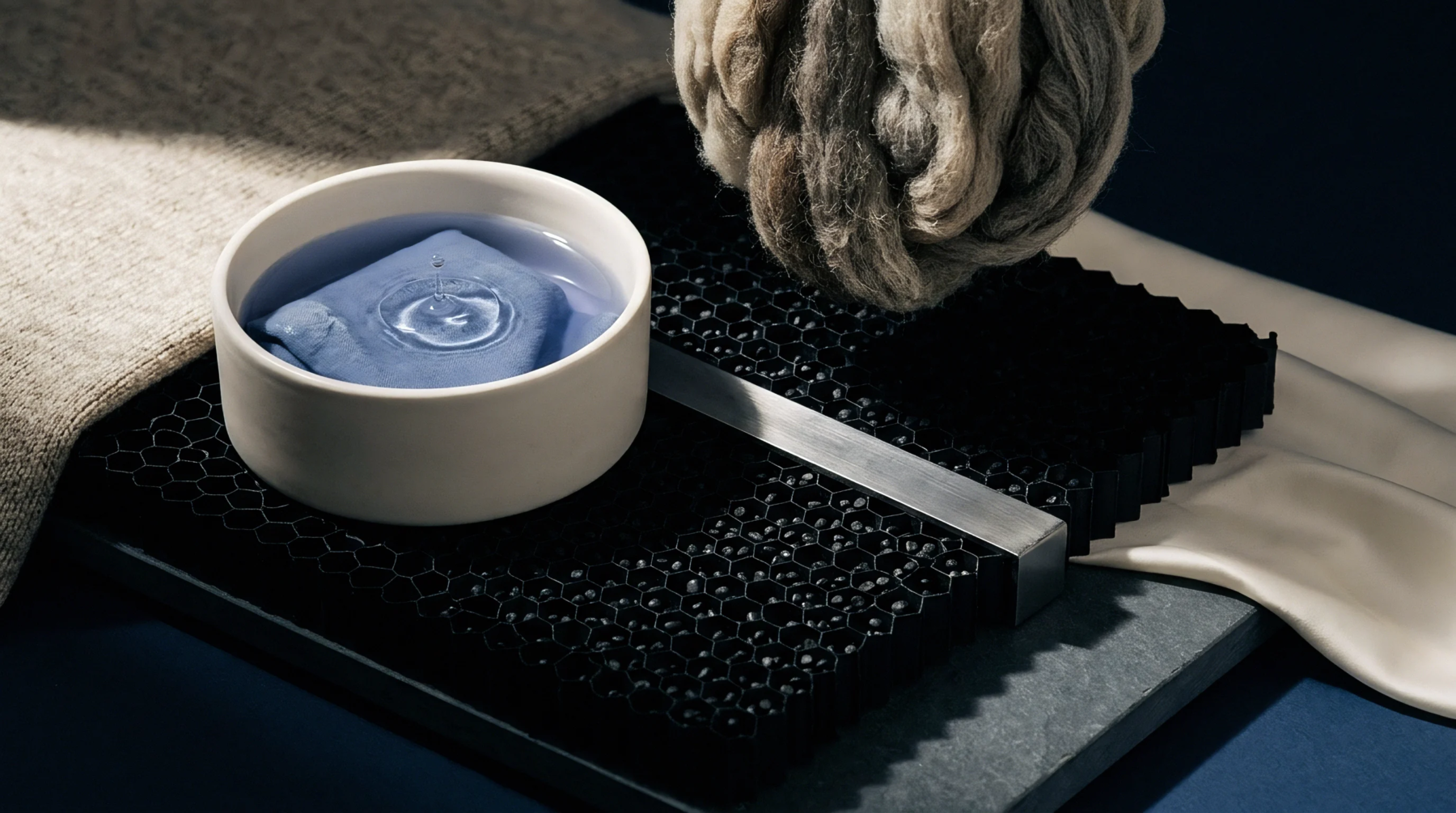
Partial load exhaust dyeing requires mechanical displacement or formula offsets to prevent bath dilution from altering exhaustion kinetics and lot colour.
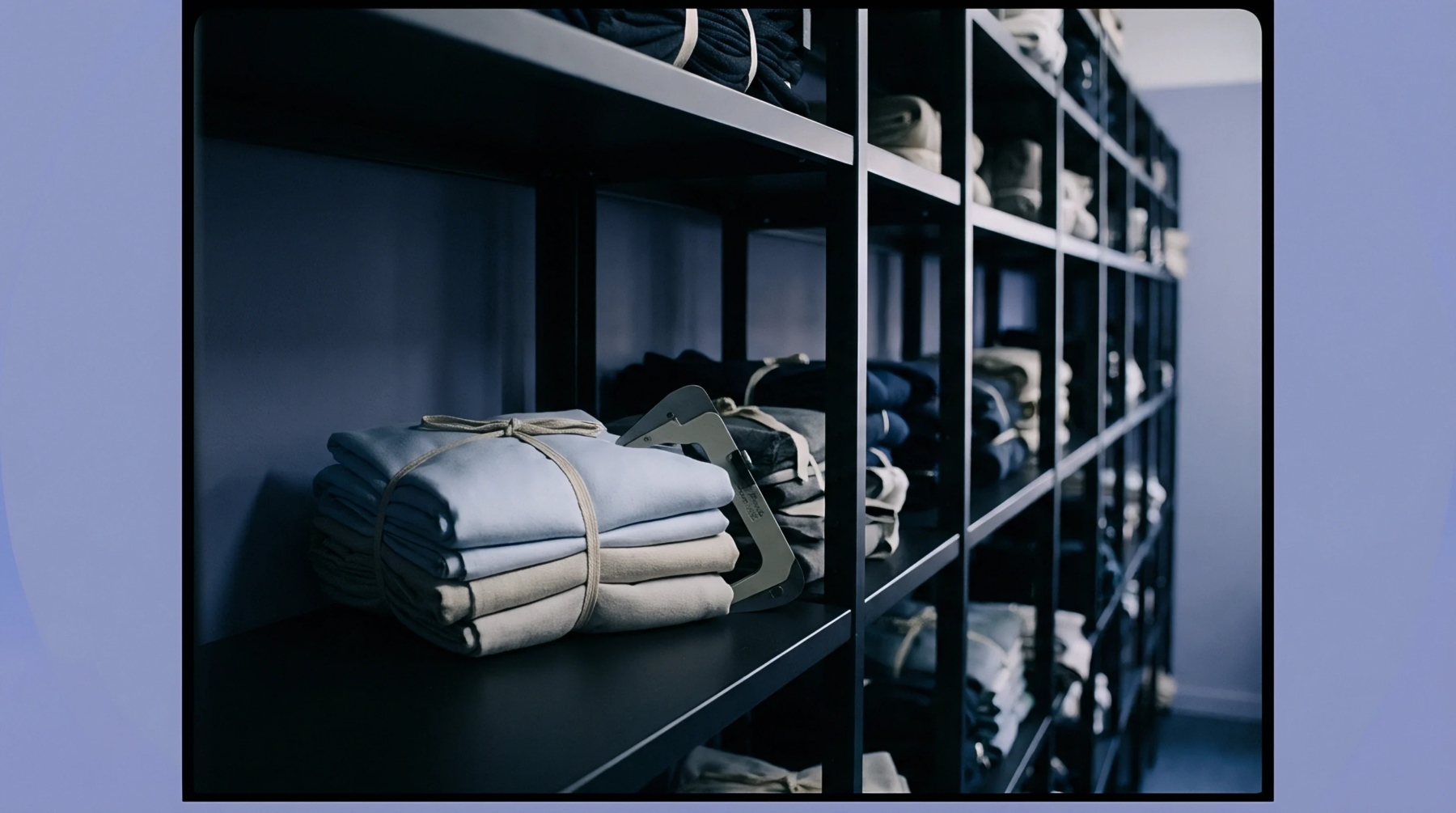
Repeat textile orders demand digital tolerance baselines, dynamic sampling intensity shifts, and batch-level chemical verification rather than physical samples.
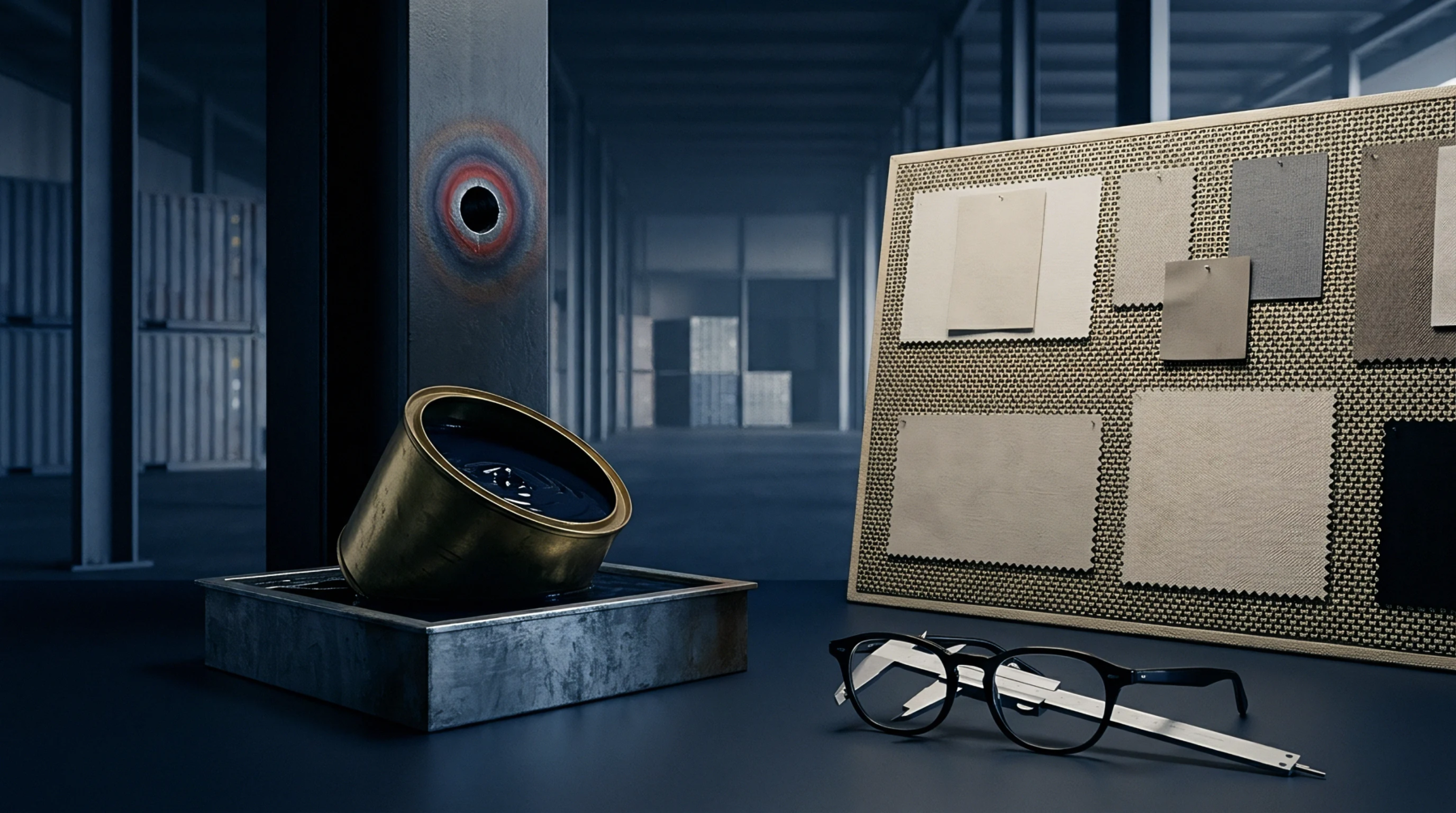
Heterobifunctional dye fixation on swollen cellulosic knits couples vinyl sulfone addition and triazine substitution to maximize wash fastness and loop stability.
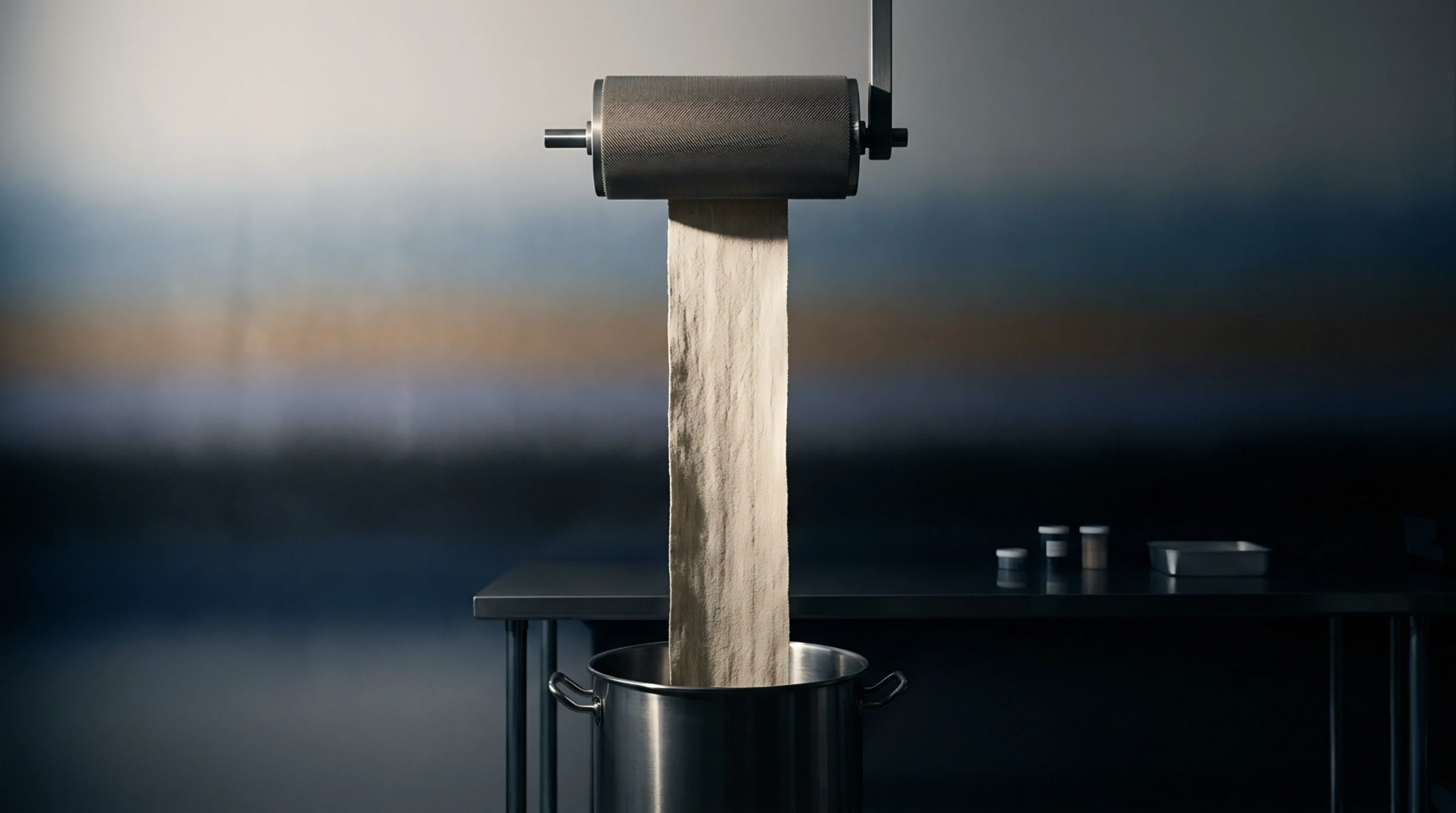
Controlling particulate migration requires stabilizing pad liquor viscosity, balancing wet pick-up, and managing non-contact pre-drying below critical moisture thresholds.
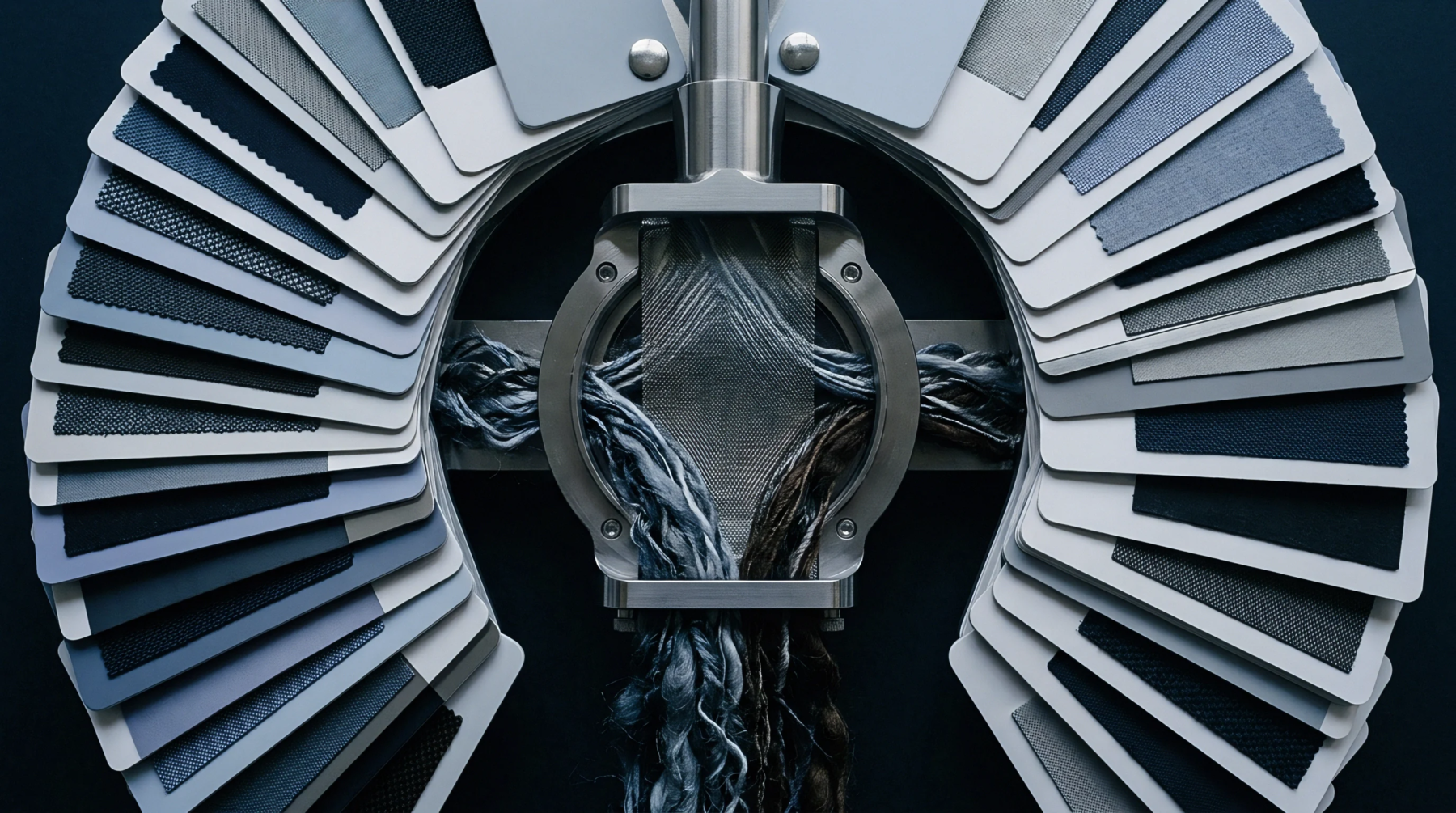
Enforce CIE DE2000 spectrophotometric shade tolerance limits under dual illuminants with strict fabric conditioning to prevent batch rejections.
Expertise is a utility, not a secret. sentiention™ publishes its working knowledge as open reference: intelligence layer covering the materials it sources, the markets it enters, and the reference that serves both.