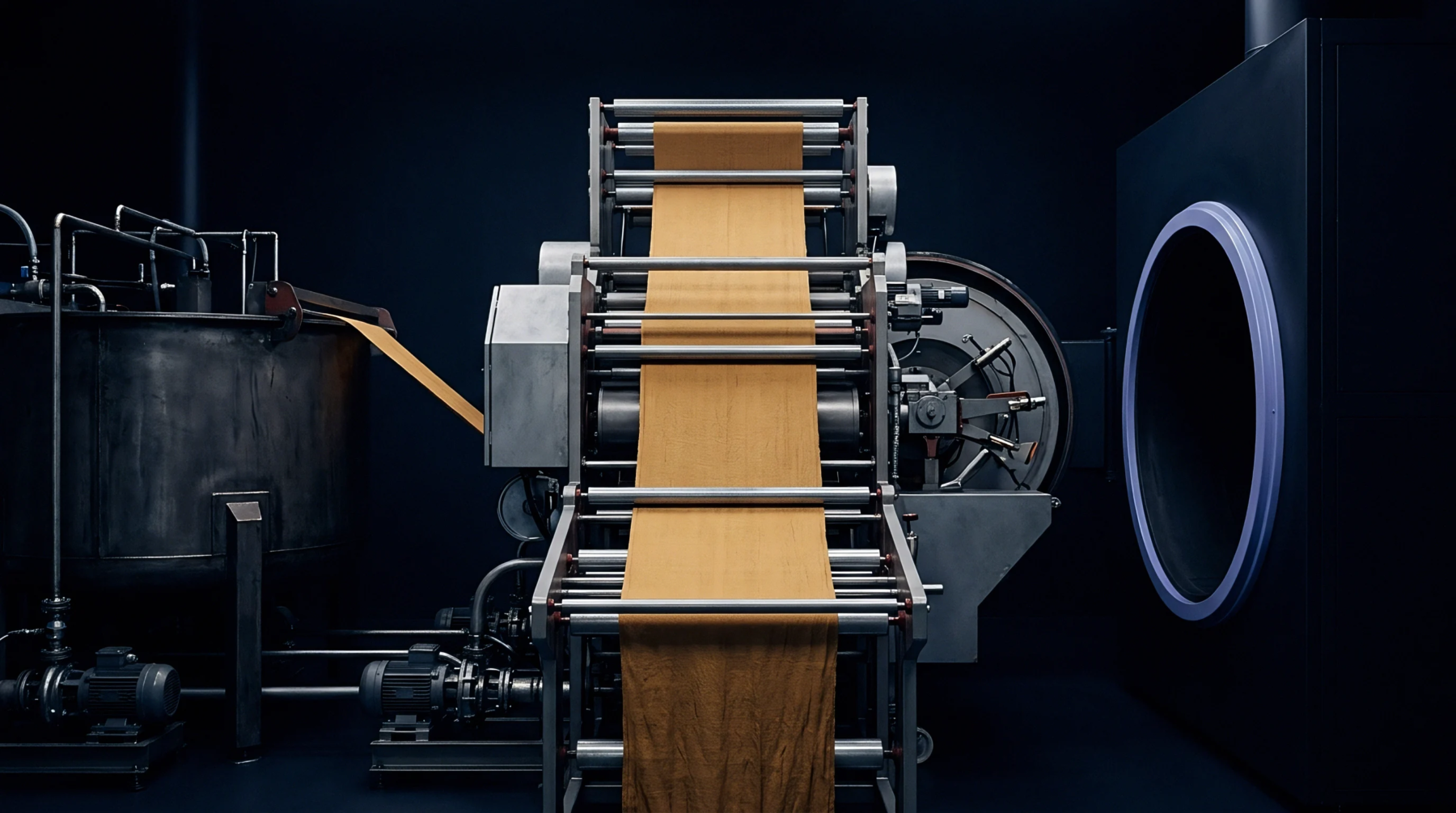
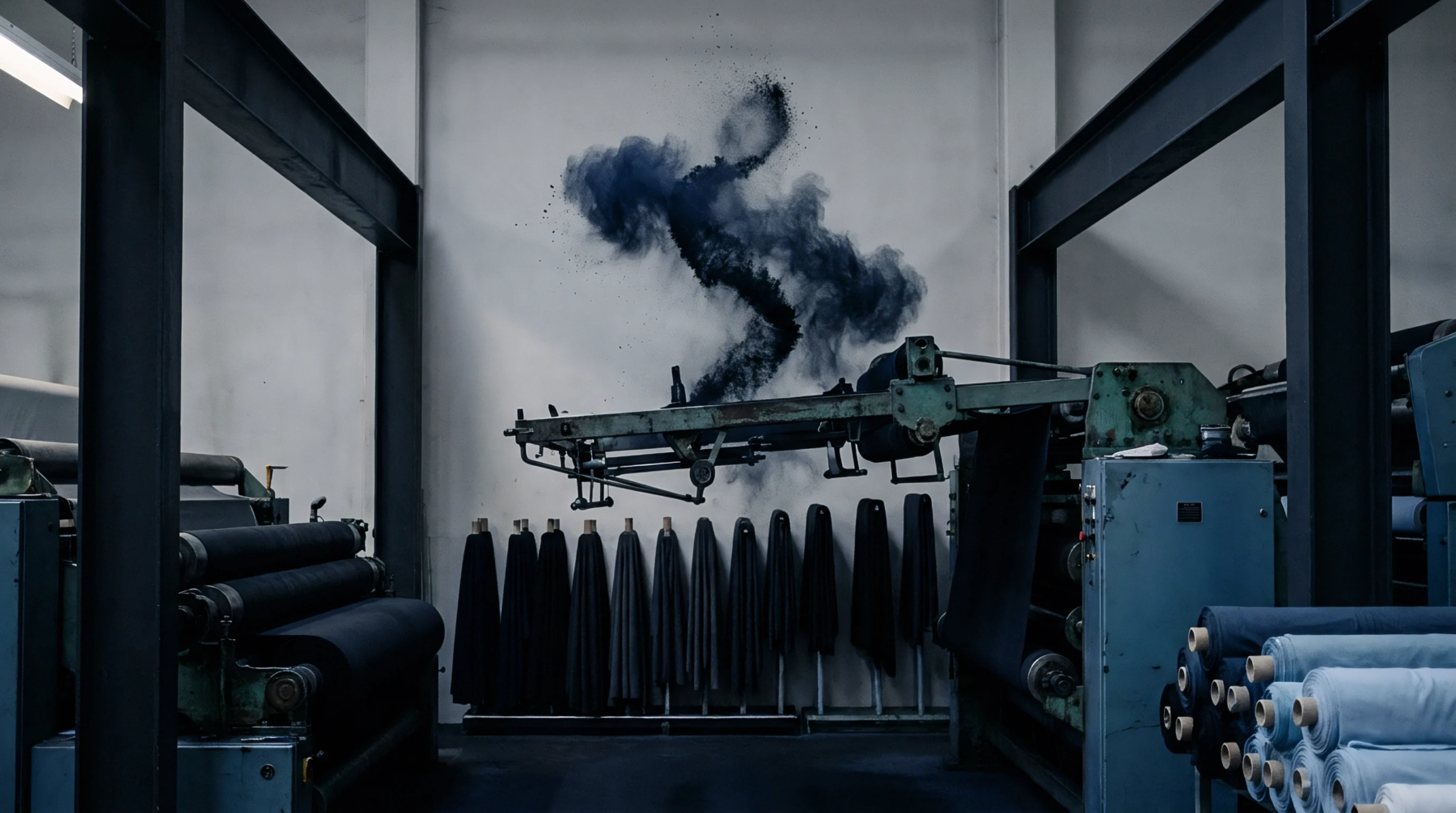
Fluid Dynamics
Spontaneous liquid migration along porous fibre bundles through surface tension and wetting characteristics defines the physical mechanism of movement within textile structures. Capillary transport governs how moisture travels across a garment or technical fabric when liquid contact occurs at a single point. This phenomenon depends on the pore size between filaments and the contact angle of the fiber surface against the liquid.
Natural fibres often display high affinity for water due to polar groups that lower surface tension and accelerate the wicking process. Synthetic polymers require chemical treatment or structural modifications to achieve similar results because their hydrophobic surfaces repel droplets. Liquid movement stops once the pressure gradient balances the adhesive forces or when the fabric reaches full saturation.
Moisture levels remain dependent on the architecture of the yarn twist and the tightness of the weave pattern.
Absorption Measurement
Gravimetric tests verify the rate of liquid progression through standard fabric strips suspended vertically in a controlled reservoir. Technicians measure the vertical climb of a dye front over specific time intervals to quantify the wicking velocity. Fiber diameter changes the void spaces available for flow and directly impacts the mass of water transferred per unit of time.
High porosity configurations allow faster transmission, whereas dense construction slows down the internal movement through increased frictional drag against the passage. Laboratories monitor environmental humidity during these tests because vapor pressure gradients alter the drying rate of the wetted area. Results serve as acceptance criteria for moisture management fabrics used in athletic apparel.
Producers document these figures to confirm that a finish performs within the expected parameters of the technical specification.
Material Interaction
Polymers with varied cross sections influence the path of liquid travel through distinct physical geometry. Trilobal or hollow fibers provide additional surface area and channels that facilitate rapid movement compared to circular profiles. Surface energy determines the spontaneity of wetting and dictates whether the fabric attracts or repels incoming fluid.
Finishing agents mask the intrinsic chemistry of the substrate to modify the contact angle without altering the base material density. Manufacturers apply these topical coatings to influence the behavior of garments during extended periods of wear in humid conditions. Precise control of these additives prevents excessive saturation or delayed drying that affects comfort for the wearer.
System Efficiency
Effective wicking designs reduce the weight of wet textiles by distributing moisture over a larger surface area to enhance evaporation rates. Apparel manufacturers integrate specific weave designs to direct fluids away from the skin toward the exterior layers. Engineering the internal structure of the yarn prevents localized pooling that leads to material breakdown or discomfort.
Proper management of liquid flow stabilizes the dimensional integrity of the goods under high sweat loads. Total moisture management relies on the compatibility between the fiber surface energy and the mechanical construction of the textile. Accurate prediction of this flow remains an essential indicator of fabric quality for performance applications.