Visual Color Discrepancy
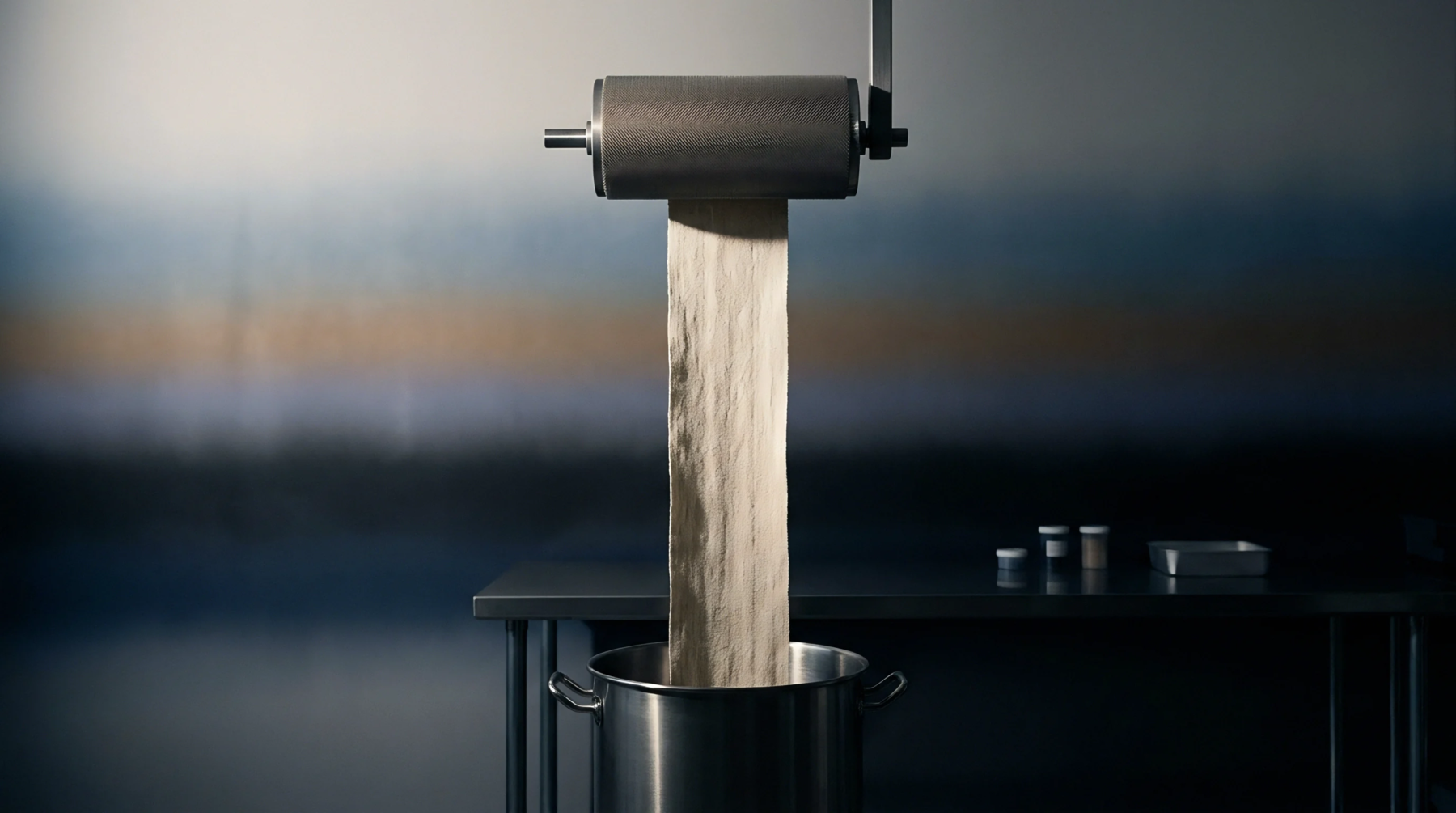
Color differences between different production rolls or within the same roll of fabric can lead to rejected garment shipments. This phenomenon, known as shade variation, represents the numerical or visual departure from the approved master standard. It is measured using colorimeters to ensure that panels of a single garment match when assembled.
Dyeing Process Causes
Uneven heating or inconsistent chemical concentrations during the dyeing and drying processes can cause non-uniform dye uptake across the fabric width. In industrial dyehouses, shade variation can develop from side to center or from the start to the end of a long production run. Controlling these variables requires regular calibration of the pad rolls, dye kitchen dosing pumps, and tenter frame air nozzles.
Garment Assembly Management
Garment factories must segregate rolls of fabric by shade group to avoid sewing mismatching panels into a single garment. Using fabric with high shade variation across its width forces the cutting room to adopt special layout patterns, which increases fabric consumption and waste. This separation is critical for keeping garment appearance uniform.
Quality Inspection Standards
Verification of shade uniformity uses international standards like the AATCC evaluation procedures to assign a numerical grade. Samples are viewed under standardized lighting cabinets to evaluate the color match under different light sources.