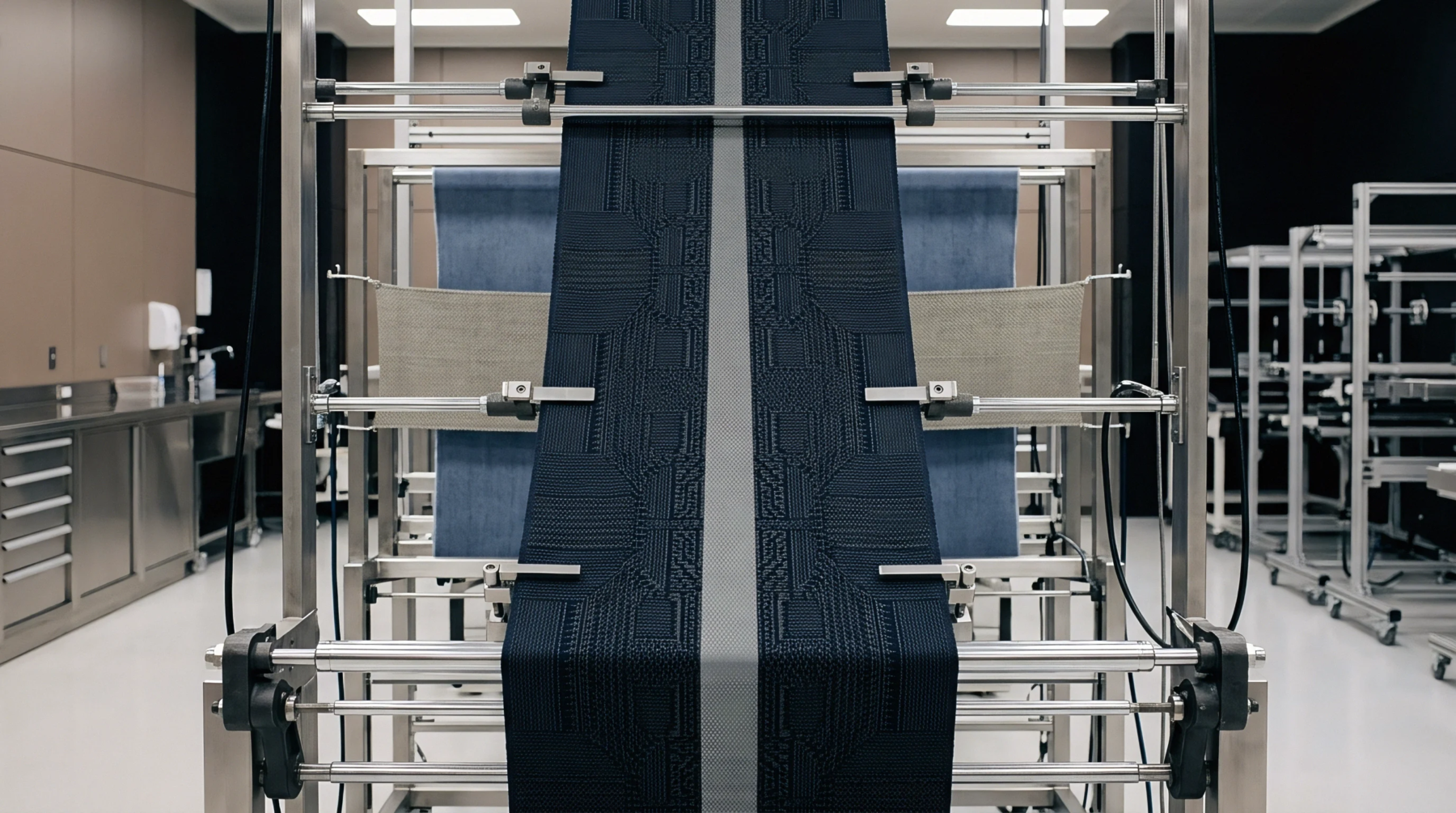
Shedding Control
Modern weaving equipment uses a rotating shaft and electromagnetic clutches to manage the movement of harness frames for complex patterns. A rotary electronic dobby replaces traditional mechanical lags and pegs with a digital interface that allows for rapid pattern changes.
Pattern Selection
The device operates by synchronizing the rotation of the main shaft with the selection of individual cams for each harness frame. In a rotary electronic dobby, the computer sends a signal to the clutch mechanism to engage or disengage the drive for the next pick. This eliminates the need for physical pattern chains and allows the loom to store thousands of different designs in its memory.
Because the selection happens at high speeds, the machine can maintain high production rates even with complex weave structures. The precision of the electronic control ensures that the harness frames move with perfect timing relative to the weft insertion.
Loom Efficiency
Setup times are greatly reduced because new designs are uploaded via a network or a USB drive. Using a rotary electronic dobby increases the flexibility of the weaving shed for small-batch fashion orders.
Mechanical Integrity
Regular lubrication and cooling are required to maintain the electronic components and the mechanical clutch assembly. The reliability of the rotary electronic dobby determines the overall uptime of the weaving machine.