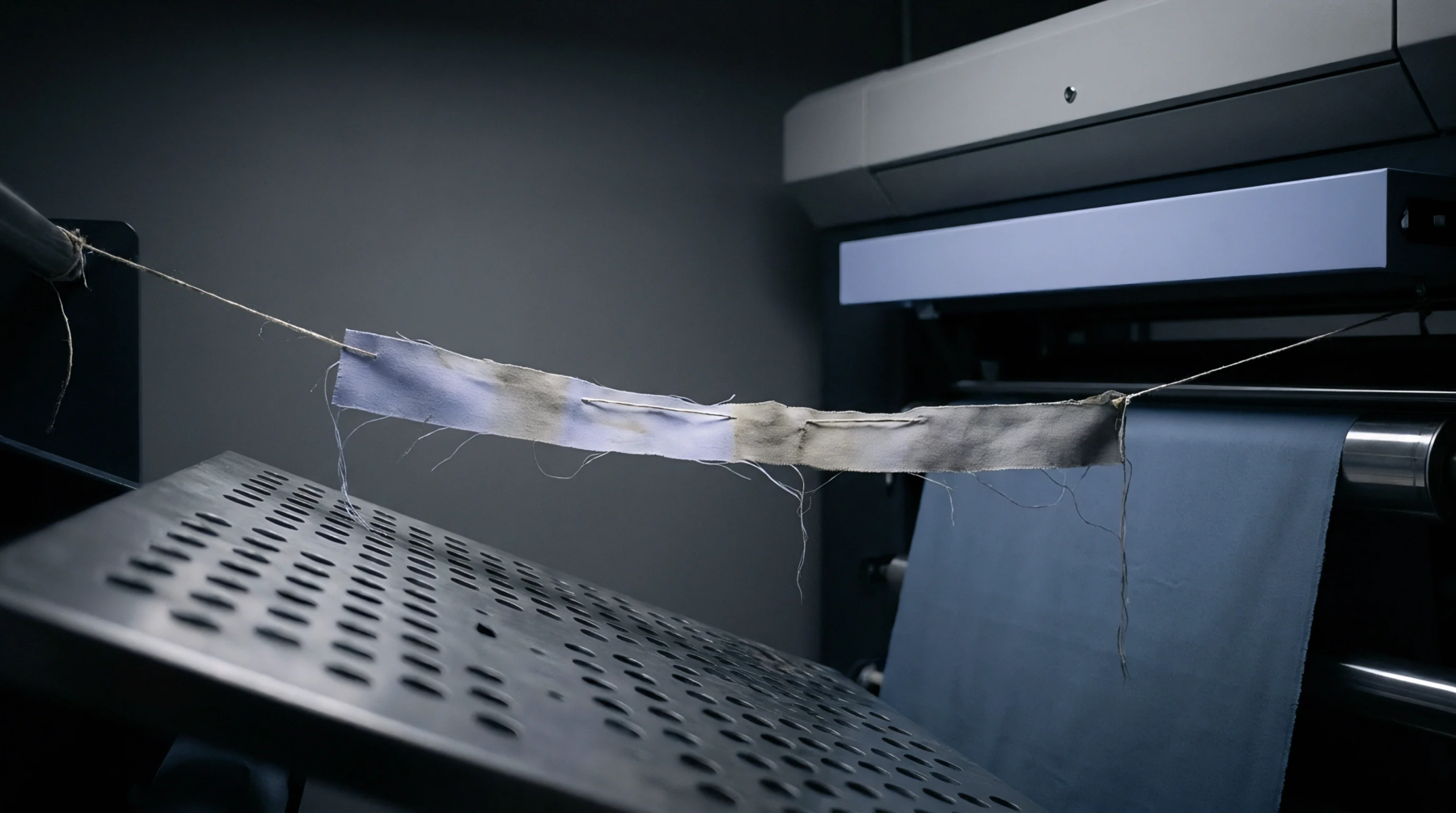
Aligning Spectral Reflectance and Fastness Metrics across Printing Technologies
Aligning print technologies requires specifying CIEDE2000 tolerances below 0.8, capping metamerism indices under secondary illuminants, and adjusting wet crock floors.
Aligning print technologies requires specifying CIEDE2000 tolerances below 0.8, capping metamerism indices under secondary illuminants, and adjusting wet crock floors.
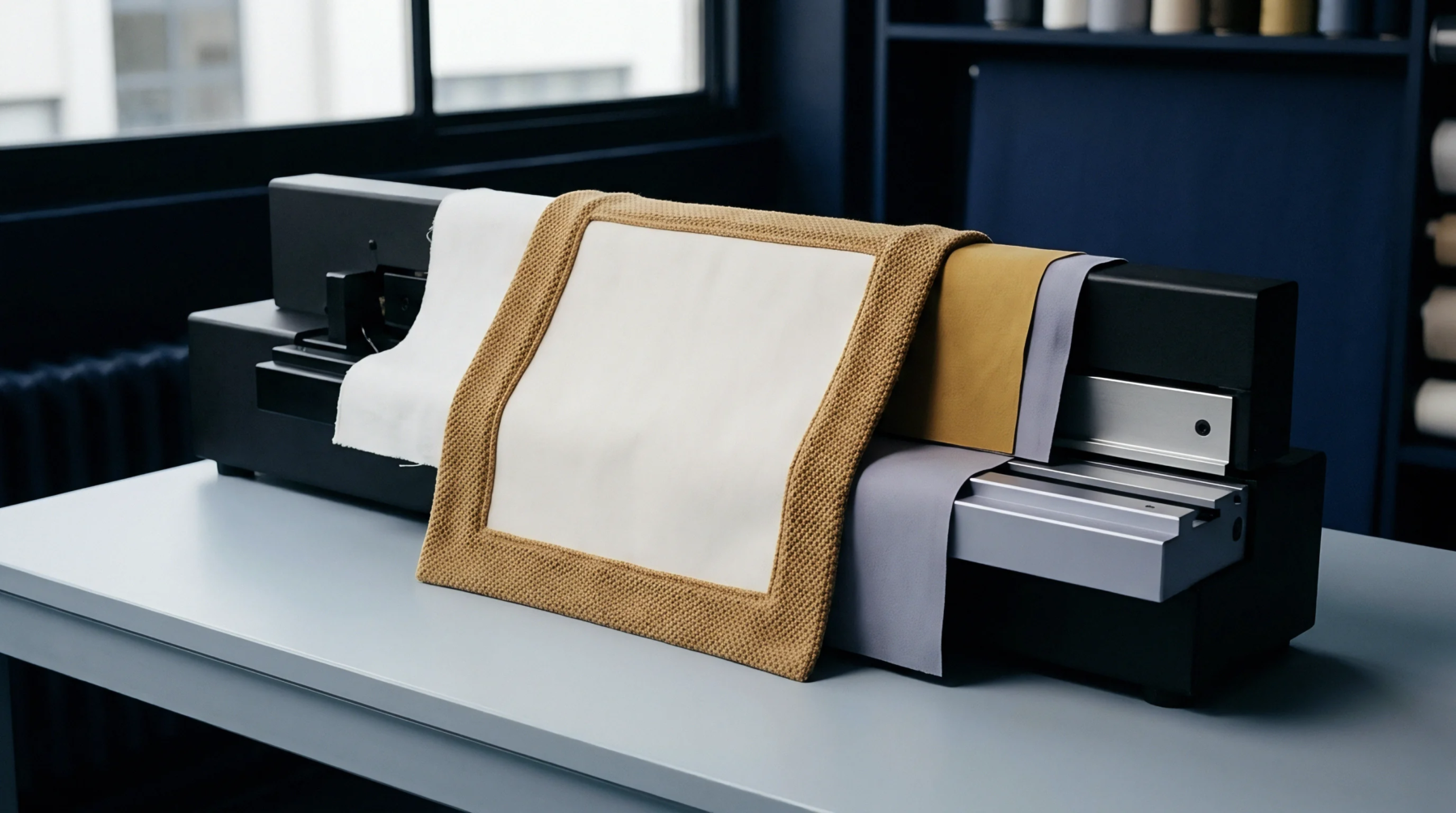
CIEDE2000 tolerances below 0.8 dE00 prevent visual metameric mismatches between garment shells and trims under D65 and retail LED illuminants.
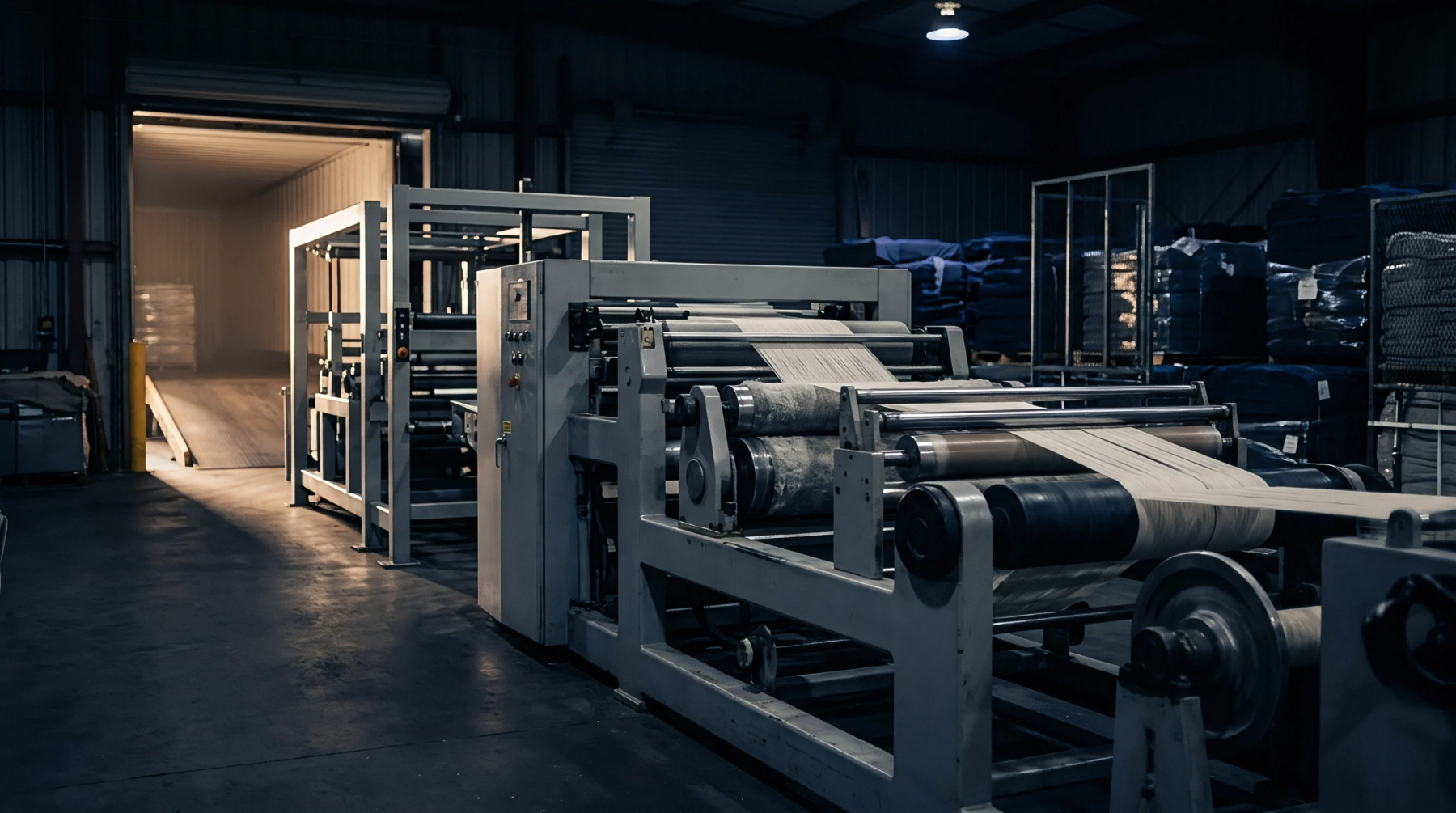
Industrial shade approval relies on daily white tile calibration, black trap zeroing, UV adjustments, and aperture matching across color measurement units.

Controlling multi-mill spectral reflectance variance requires standardized d/8° geometry, digital CxF3 master distribution, and strict CIEDE2000 tolerances.
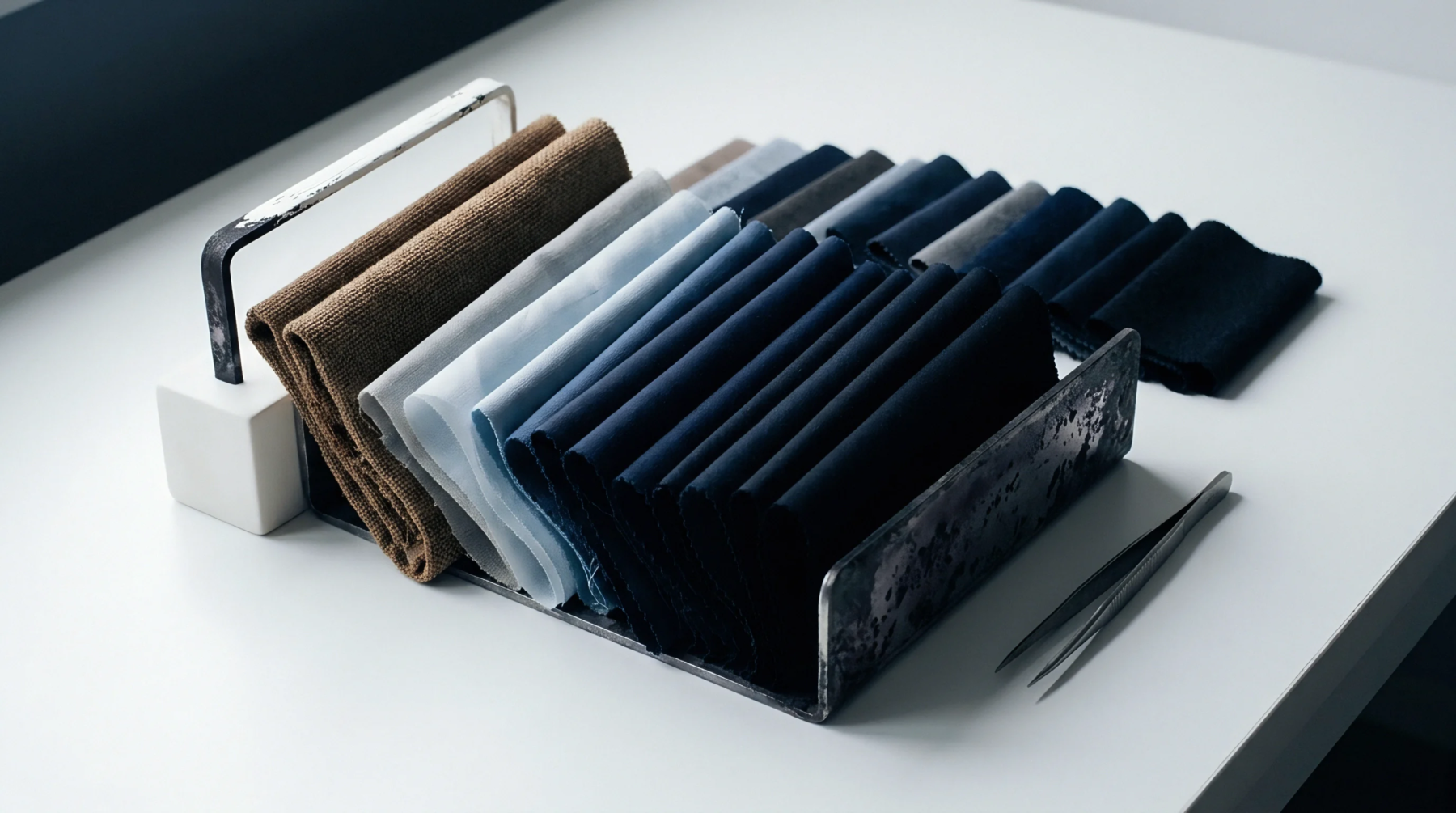
Spectrophotometric color tolerancing requires D65 optical calibration, CIEDE2000 ellipsoidal metrics, and strict substrate backing to ensure bulk dye batch agreement.

Establishing dual-route printing tolerances requires CIEDE2000 spectral limits under D65/TL84 illuminants paired with strict ISO 105 fastness verification.
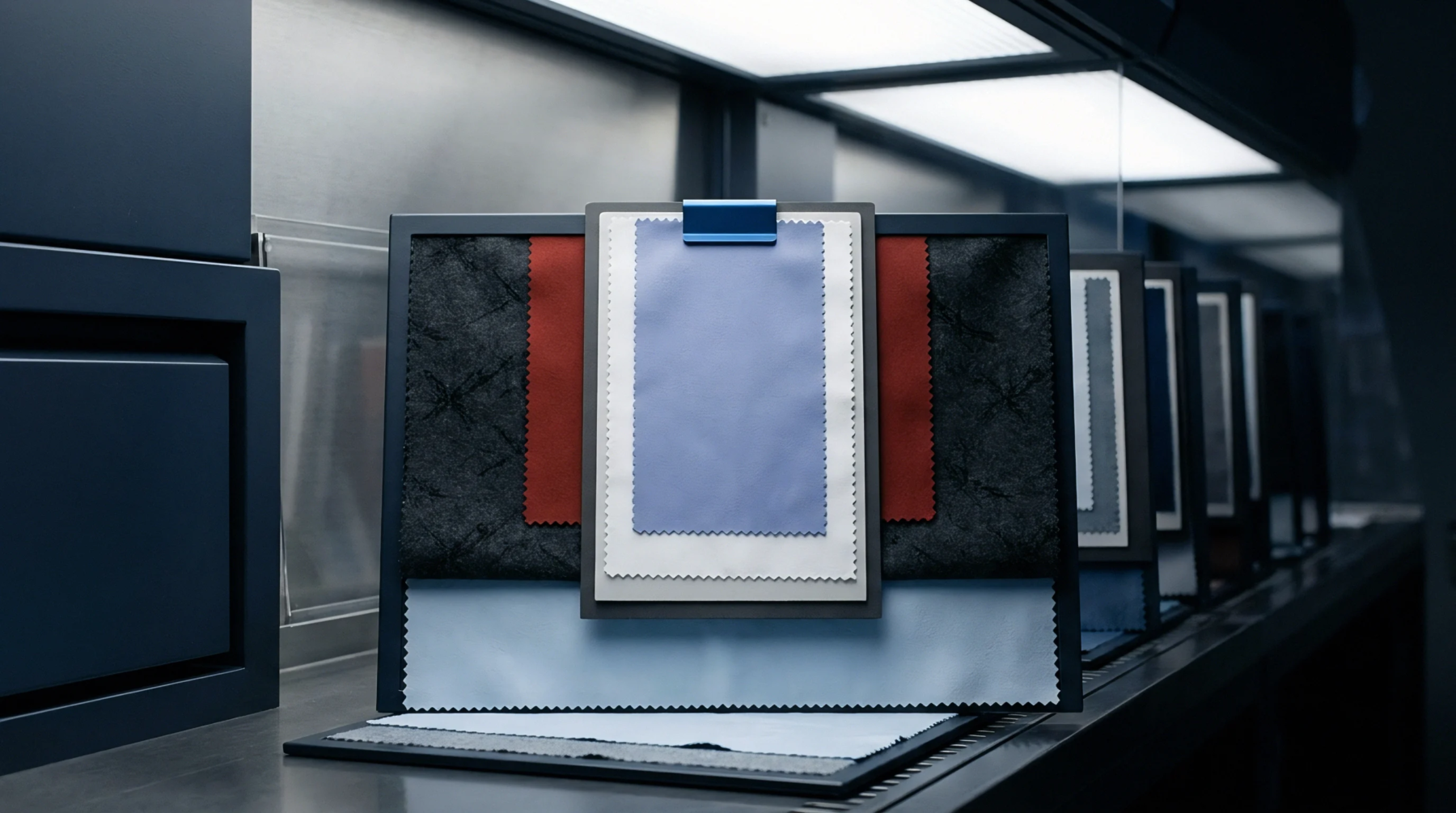
Standardizing instrument geometry, sample conditioning, and CIEDE2000 mathematical parameters establishes repeatable spectrophotometric shade clearance in bulk dyeing.

High warp cover factors reduce fabric liquid permeability, requiring wider rectangular nozzles and slower heating ramps to prevent surface shade unlevelness.
Split dyeing batch shade consistency depends on spectrophotometric reflectance curve matching across multiple illuminants and strict stenter thermal control.
Expertise is a utility, not a secret. sentiention™ publishes its working knowledge as open reference: intelligence layer covering the materials it sources, the markets it enters, and the reference that serves both.