Optimizing Fixation Yield in Jet Dyeing of Cellulosic Knits
Maximize reactive dye fixation on cellulosic knits by coupling short liquor ratios with progressive parabolic alkali dosing to suppress hydrolysate formation.
Anchor
Fixation yield governs reactive dye utilization on cellulosic knits, defining the fraction of applied dyestuff that forms an irreversible covalent bond with the cellulose matrix rather than hydrolyzing into an unreactive waste product. In exhaust jet dyeing, this parameter directly dictates process effluent loads, salt consumption, wash-off cycles, and finished shade reproducibility. When processing knit structures such as single jersey, interlock, or French terry, mechanical sensitivity compounds chemical complexity.
Excessive liquor turbulence or high reel speeds generate surface hairiness, enzyme-weakening abrasion, or rope marks, while insufficient agitation causes unlevel sorption across the substrate.
The primary target of any fixation program is driving the competitive reaction toward nucleophilic substitution or addition with cellulosate anions, suppressing the competing hydrolysis reaction with hydroxide ions in the bath. Cellulosate concentration depends strictly on bath alkalinity and temperature. Reactive dyes attach either through nucleophilic addition via vinyl sulfone groups or through nucleophilic substitution via heteroaromatic ring systems such as monochlorotriazine or fluorochloropyrimidine.
Each mechanism demonstrates distinct kinetics governed by the dye structure, electrolyte concentration, and liquor ratio. The dyer operates within narrow thermodynamic boundaries. High temperatures increase diffusion rates into the interior of cotton or regenerated cellulose fibres, yet simultaneously accelerate the rate of dye hydrolysis in alkaline media.
Low liquor ratios shift the thermodynamic partition coefficient toward the fibre, raising substantive exhaustion before alkali dosing begins.
The machinery configuration of modern soft-flow and hydraulic jets imposes physical constraints on this equilibrium. Short liquor operations run between 1:4 and 1:6 for synthetic-rich blends, whereas cellulosic knits frequently require 1:6 to 1:8 to preserve fabric surface appearance and avoid heavy friction marks. At a 1:6 liquor ratio, an 800-kilogram batch of 180 g/m² combed cotton single jersey circulates through 4,800 litres of liquor.
Every milligram of unreacted dye hydrolysate lingering in that volume requires thorough clearance in subsequent wash-off baths. Suppressing dye loss in the main exhaustion and fixation phases minimizes hot rinsing cycles, preserves tensile strength, and curbs cycle times.
Knitted tubular or open-width yardage demands strict cycle time synchronization. A single cycle of the fabric rope through the jet nozzle and storage J-box must take between 60 and 120 seconds. If the fabric completes a full circuit in 90 seconds while caustic or soda ash is metered over 20 minutes, each parcel of knit experiences identical, progressive exposure to the alkali front.
Discrepancies in nozzle pressure or cloth speed shift the levelness threshold, creating local fixation spikes that cannot be corrected by re-leveling agents once covalent fixation has occurred.
An unresolved question the section leaves open concerns whether real-time inline photometric monitoring of liquor concentration can dynamically govern alkali metering pumps faster than the mechanical circulation rate of heavy ropes.

Swelling
Cellulose accessibility controls the internal surface area presented to migrating reactive dye molecules. Raw greige cotton contains approximately 90 percent cellulose alongside non-cellulosic impurities including waxes, pectins, proteins, and hemicelluloses that impede water and dyestuff access. Caustic scouring and mercerization alter the physical lattice of the fibre.
Treatment with sodium hydroxide transforms native Cellulose I into Cellulose II, altering the crystalline-to-amorphous ratio from roughly 70:30 down to 50:50. This crystalline realignment expands the amorphous regions where dye diffusion takes place.
Mercerization under tension, while common for woven goods, requires specialized chainless or roller-type open-width ranges when applied to knits. Knitted tubes or open-width single jerseys subjected to 28 to 30 degrees Baumé caustic soda exhibit extensive longitudinal tension, risking stitch deformation and edge curling. Mills frequently substitute tensionless causticization at 16 to 20 degrees Baumé.
This milder alkali treatment provides sufficient fibre swelling to expand internal pore volume without inducing catastrophic knit elongation or skewing course lines.
Fibre pore size distribution dictates whether large polyfunctional dye molecules can enter the cell wall. In native unswollen cotton, the average pore diameter hovers near 2 to 4 nanometres, restricting bulky reactive dyes containing multi-ring chromophores or multiple reactive anchors. Swelling treatments enlarge these micropores beyond 5 nanometres, creating accessible channels that lower dye strike resistance during initial exhaustion.
Regenerated cellulosics such as modal and lyocell exhibit higher inherent accessible volume than natural cotton, yet lyocell presents fibrillation tendencies under jet mechanical action that require enzymatic defibrillation, altering the fibre exterior before the dye enters the vessel.
Tension imbalances across knitting feeds alter the internal pore geometry after caustic washing. Single jersey circular knits built from 30/1 Ne ring-spun yarn experience uneven structural compaction across alternate feeds if yarn storage feeders lose uniform tension. Densely compacted loops physically shield inner yarn segments from alkali penetration, establishing localized zones with lower pore accessibility.
Such variances lower fixation yield across the face of the loops, producing subtle light streaks often misidentified as yarn count variation.
A supplier excuse often heard is that strike variations and unlevel dye uptake in pale shades stem from upstream yarn blending inconsistencies rather than incomplete or non-uniform caustic swelling.

Chemistry
Reactive dyes derive fixation efficiency from their reactive anchor systems. The chemical structure of the reactive group determines the optimum balance between substantive exhaustion, diffusion, and covalent bonding. Bifunctional and polyfunctional reactive dyes dominate modern cellulosic knit dyeing, outperforming legacy monofunctional chemistries through elevated overall fixation yields.
A hetero-bifunctional dye containing both a monochlorotriazine (MCT) group and a sulfatoethylsulfone (SES, precursor to vinyl sulfone) group provides operational flexibility across varying temperatures and pH regimes.
Under alkaline conditions, the sulfatoethylsulfone group undergoes base-catalyzed beta-elimination to generate the active vinyl sulfone form. This species undergoes nucleophilic addition with the cellulosate anion at 60 degrees Celsius, establishing a stable ether linkage. Conversely, the monochlorotriazine anchor reacts via nucleophilic aromatic substitution, eliminating a chloride ion to form an ester-like amine linkage at 80 degrees Celsius.
In hetero-bifunctional systems, the vinyl sulfone component establishes early fixation at 60 degrees Celsius, while the triazine group ensures secondary fixation if temperatures drift upward, limiting dye loss to hydrolysis.
| Reactive Anchor System | Fixation Temperature | Fixation pH Range | Bond Type Formed | Typical Fixation Yield | Hydrolysis Reversibility |
|---|---|---|---|---|---|
| Monochlorotriazine (MCT) | 80 to 85 °C | 10.8 to 11.2 | Covalent aromatic ether | 60 to 70 % | Irreversible |
| Monofluorotriazine (MFT) | 40 to 60 °C | 9.2 to 9.8 | Covalent aromatic ether | 75 to 85 % | Irreversible |
| Sulfatoethylsulfone (SES) | 60 °C | 10.5 to 11.0 | Covalent aliphatic ether | 65 to 75 % | Reversible under boil |
| Hetero-bifunctional (MCT / SES) | 60 to 70 °C | 10.8 to 11.2 | Dual ether linkages | 80 to 88 % | Partial bond stability |
| Bis-monochlorotriazine | 80 to 85 °C | 10.8 to 11.4 | Dual aromatic ether | 78 to 85 % | Irreversible |
The fixation kinetics hinge on the ratio of active cellulosate ions (Cell-O⁻) to hydroxyl ions (OH⁻) present in the boundary layer adjacent to the fibre surface. Increasing the pH past the target threshold shifts bath hydroxyl concentration exponentially higher, elevating water attack on the reactive group and lowering net fixation. A pH drift of 0.5 units above the dye’s recommended operating envelope can drop fixation yield by 8 to 12 percent through accelerated hydrolysis.
Regenerated cellulosic fibres alter these parameters. Viscose and modal exhibit lower crystalline integrity, absorbing water rapidly and depressing internal electrolyte concentrations relative to the bulk bath. Lyocell demonstrates a crystalline arrangement that resists initial dye ingress, yet once swollen, displays extremely fast dye uptake.
Dyers working with lyocell lower electrolyte additions by 20 to 30 percent compared to upland cotton recipes to avoid premature surface aggregation before uniform liquor penetration occurs.
ISO 105-C06 wash fastness ratings directly reveal fixation failures, as hydrolysate remaining trapped in the yarn core transfers onto multi-fibre test strips during standard laundry cycles.
Electrolytes
Cellulose fibres suspended in neutral or alkaline aqueous solutions acquire a negative surface charge known as the zeta potential. This negative charge originates from the dissociation of acidic carboxyl groups present in the fibre matrix and the preferential adsorption of hydroxyl ions. Reactive dyes behave as anionic species in solution because of their solubilizing sulfonate groups (SO₃⁻).
Consequently, a substantial electrostatic repulsion barrier exists between the cellulose surface and the dye anions, preventing direct contact and subsequent covalent attachment.
Inorganic salts serve as shielding agents to neutralize this electrostatic barrier. Anhydrous sodium sulfate (Glauber’s salt) or sodium chloride dissociates completely in water, producing sodium cations (Na⁺) that compress the electrical double layer surrounding the cellulosic substrate. By shielding the negative zeta potential, salt allows dye molecules to approach within the range of short-range intermolecular forces, including van der Waals attractions and hydrogen bonds, enabling primary exhaustion.
A minimum electrolyte concentration of 50 grams per litre ensures primary exhaustion exceeds 70 percent on heavy shade recipes before alkali dosing begins.
Electrolyte purity dictates shade stability across bulk knit lots. Natural rock salt deposits contain calcium and magnesium divalent cations. Divalent ions form insoluble complexes with reactive dye sulfonates, causing dye precipitation, spotty unlevelness, and erratic strike rates.
Synthetic Glauber’s salt, or vacuum-evaporated refined salt with total hardness below 20 parts per million calculated as calcium carbonate, shields the electrical charge without cross-linking anionic dyes. High salt quantities in short-liquor jets also increase liquor viscosity marginally, which affects hydrodynamic drag against the moving knit rope.
- Electrolyte stratification occurs when salt is dumped directly into the addition tank without automated pre-dissolution, sending a dense, saturated slug through the heat exchanger into the J-box and generating instantaneous dye strike on the nearest fabric loops.
- Premature alkali introduction triggers rapid covalent reaction while dye molecules remain concentrated on loop crowns, locking in ring dyeing and causing severe surface frostiness upon dry rubbing tests.
- Incomplete exhaust monitoring before soda ash dosing results in unfixed dye concentrations above 30 percent remaining in the bath, drastically increasing post-dyeing wash cycles.
Progressive dosing protocols prevent rapid surface aggregation. Advanced jet controllers inject electrolyte along a parabolic curve, starting with micro-additions that slowly compress the double layer, followed by steeper dosage as the liquor concentration drops. This graduated addition maintains a steady, controlled rate of dye migration from the bath into the interior of the knit yarn cross-section.
Over-salting creates severe economic and mechanical hazards. When electrolyte concentrations exceed 90 grams per litre in deep shade black or navy formulations, reactive dyes with low solubility parameters undergo salting-out effects, aggregating into colloidal particles that deposit mechanically on the knit surface. These aggregates do not penetrate the fibre matrix, reducing overall fixation yield and requiring extensive scouring to prevent rubbing fastness failures.
Poor electrolyte management leads to unlevel strike marks that require stripping with sodium hydrosulfite and caustic soda, degrading cotton loop strength and causing irreparable fabric pilling.
Dosing
The introduction of alkali converts secondary exhaustion into irreversible chemical fixation. Uncontrolled alkali addition induces immediate dye strike, causing unlevelness that cannot be resolved without stripping the dyestuff. In a typical modern jet dyeing machine, alkali dosing utilizes linear, progressive, or segmented multi-stage dosing curves rather than single-stage additions.
Soda ash (sodium carbonate) combined with sodium hydroxide serves as the dominant alkali buffer system, stabilizing bath pH between 10.8 and 11.2 for vinyl sulfone and bifunctional chemistries.
Alkali dosing rate must synchronize with the fabric cycle time. If a soft-flow jet processes two 400-kilogram knit ropes at a rope speed of 300 metres per minute, with a rope length of 600 metres, each loop takes precisely 2 minutes to pass through the nozzle. Alkali dosing over 40 minutes ensures the fabric completes 20 full circulations during the transition from neutral exhaustion to alkaline fixation.
This guarantees that each segment of the knit receives an identical increment of alkali, maintaining uniform fixation kinetics across the length and width of the rope.
| Curve Profile | Dosing Duration | pH Progression Profile | Knit Construction Suitability | Fixation Yield Variance |
|---|---|---|---|---|
| Linear | 30 to 45 min | Rapid early jump (pH 7 to 9.5 in 10 min) | Heavy interlock, fleece, French terry | +/- 4.2 % across batch |
| Progressive (Parabolic) | 45 to 60 min | Slow initial drift (pH 7 to 8.8 in 25 min) | Single jersey, modal blends, viscose | +/- 1.5 % across batch |
| Segmented (Step-wise) | 40 to 50 min | Controlled plateau at pH 8.5, then 11.0 | High-twist yarns, mercerized knits | +/- 2.1 % across batch |
| Instantaneous Pulse | 10 to 15 min | Immediate alkaline shock to pH 11.5 | Coarse heavy ribs (unsuitable for light knits) | +/- 7.8 % across batch |
The internal buffering capacity of cotton alters the effective pH progression. Cotton contains weak organic acids and pectins that neutralize early portions of added alkali. A progressive dosing curve introduces 10 percent of total soda ash during the first 15 minutes, neutralizing fabric acidity and establishing a stable intermediate plateau near pH 8.5.
At this level, migration continues while minimal fixation initiates. The remaining 90 percent is delivered over the subsequent 30 minutes, driving the bath toward pH 11.0 to execute final covalent coupling.
Regenerated cellulosic knits require adjusted dosing curves. Lyocell and modal absorb alkali rapidly, accelerating fixation rates beyond the rate of internal dye diffusion. Dyers processing these fibres rely on slower parabolic curves, extending the alkali dosing time to 60 minutes while replacing caustic soda entirely with milder sodium bicarbonate and soda ash combinations to keep pH below 10.2.
The standard dyehouse rule of thumb is that dyers measure liquor pH directly at the jet sample port rather than relying on automated dosing software readouts.
Hydraulics
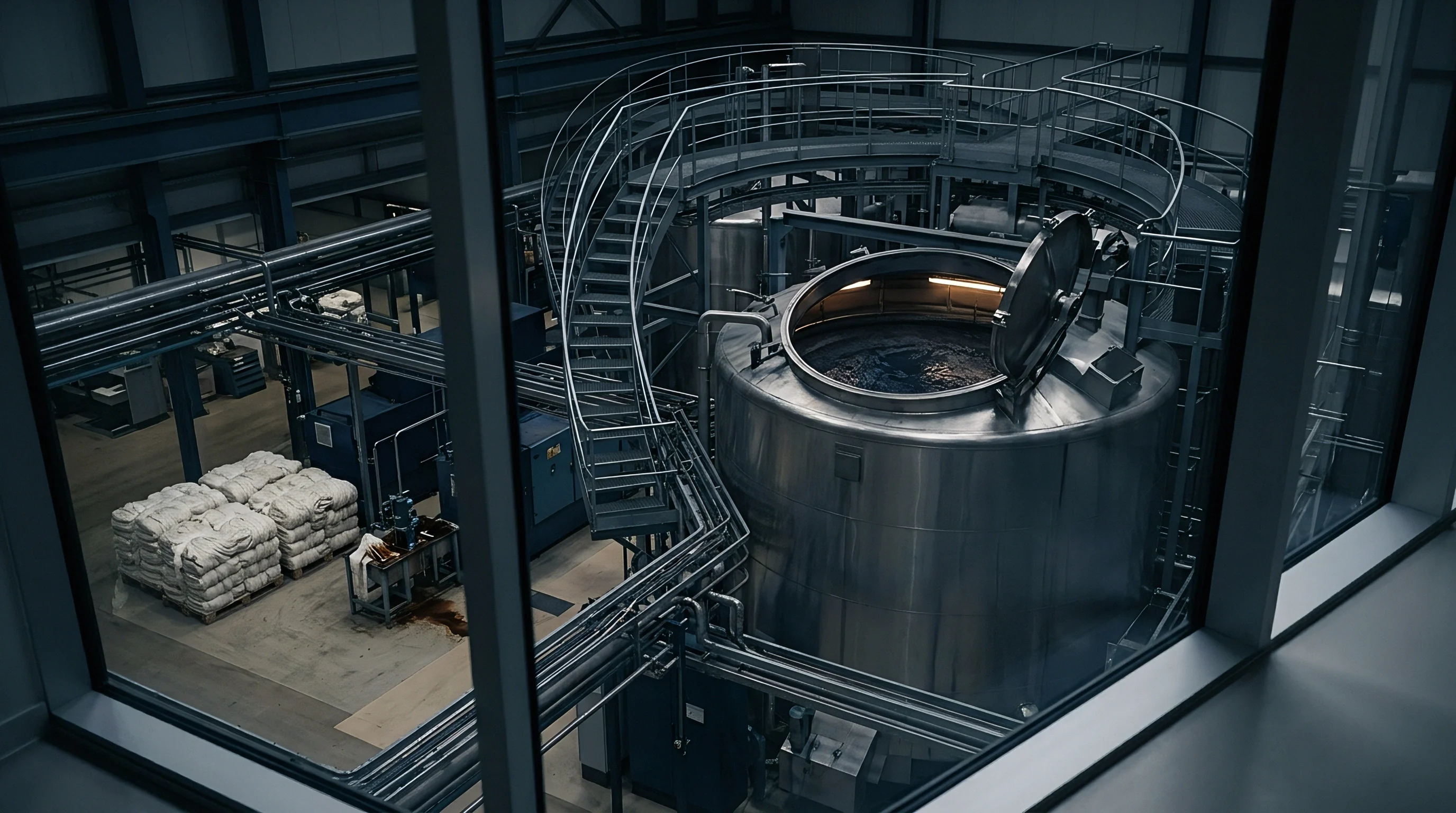
Hydrodynamic forces inside the jet vessel dictate whether liquor-to-fibre chemical transfer proceeds efficiently without destroying the knit surface. A soft-flow jet dyeing machine transports the circular knit rope using a combination of a driven transport reel and low-pressure liquor nozzles. The nozzle provides the sole accelerating force that propels the fabric forward into the J-box transport tube.
Nozzle diameter, liquor throughput, and internal chamber pressure define the shear forces applied to the wet loops.
For sensitive cellulosic knits such as 40/1 Ne combed cotton single jersey with elastane, excessive nozzle pressure causes filament rupture, fabric fuzziness, and surface pilling. The dyer selects nozzle diameters based on rope cross-sectional thickness. A typical open-width or tubular rope of 180 g/m² single jersey matches a nozzle diameter of 90 to 110 millimetres.
Installing an undersized nozzle forces high liquor velocity, generating friction against the inner walls of the chamber. An oversized nozzle drops liquor pressure, allowing the rope to slip on the transport reel, leading to mechanical chafe marks that fix dye unevenly.
- Chamber rope compaction occurs when the J-box speed fails to clear fabric from the lifter reel, creating high-friction knots that arrest circulation and scorch the loops under direct dye liquor impingement.
- Elastane fiber degradation happens when excessive nozzle shear combines with high fixation temperatures, breaking the core polyurethane filament and creating micro-puckering on the knit face.
- Crease line fixation develops when heavy-gauge French terry remains folded in the same configuration through multiple J-box cycles, causing differential fixation yields along rope edges.
- Hydrodynamic drag distortion occurs when high liquor flows stretch wet single jersey loops longitudinally, shifting wales-per-inch counts and creating irreversible dimensional spirality.
Liquor flow rate must maintain the critical liquor-to-fabric velocity differential inside the nozzle tube. As the rope enters the venturi zone, the surrounding liquor moves slightly faster than the fabric rope. This velocity difference opens the knitted loops, untangling the internal rope structure and forcing fresh dye liquor through the core of the yarn.
Without this momentary opening action, dye molecules rely exclusively on static boundary diffusion, depressing fixation yields inside dense yarn crossover points.
Short liquor machines running at 1:5 liquor ratios reduce total water volume, increasing dye concentration and driving higher chemical equilibrium yields. However, operating at these short ratios reduces total hydraulic lubrication within the machine J-box. To mitigate loop distortion, modern machines utilize Teflon-lined storage chambers and motorized plaiters that oscillate the rope systematically across the width of the J-box, preventing persistent folds and ensuring uniform dwell times for all sections of the batch.
Rope cycle time overrides all theoretical dosing calculations when balancing mechanical fabric preservation against fixation yield.
Clearing
Fixation reactions never achieve 100 percent conversion; a significant fraction of dye hydrolyzes in the bath or attaches via weak physical adsorption without forming covalent bonds. The clearing phase strips this hydrolysate from the cellulosic knit. Leaving hydrolyzed dye in the yarn matrix ruins wet fastness properties, causing failures in ISO 105-C06 commercial wash tests and ISO 105-E04 perspiration assessments.
Because hydrolysate possesses substantive affinity for cellulose, its removal requires systematically engineered temperature, pH, and mechanical rinsing profiles.
The clearing sequence begins with bath draining and neutral refilling to wash away bulk electrolytes. High electrolyte concentrations sustain substantive affinity between hydrolysate and cellulose; reducing salt levels below 2 grams per litre is required before thermal soaping can extract hydrolysate from the fibre interior. The bath then drops to pH 6.0 to 6.5 using acetic or citric acid, neutralizing lingering alkali and halting all further fixation or alkaline hydrolysis reactions.
Thermal soaping operates at 95 degrees Celsius for cotton and 85 to 90 degrees Celsius for regenerated cellulosics. Specialized polymeric clearing agents such as polyacrylates or modified polyvinylpyrrolidones act as hydrolysate dispersants, sequestering detached dye molecules in the bath and preventing their re-deposition onto the knit rope. For deep shades dyed with polyfunctional chemistries, two consecutive soaping baths are mandatory to clear the hydrolysate completely.
The rinse temperature gradient requires strict calibration. Dropping bath temperature abruptly from 95 degrees Celsius down to 40 degrees Celsius via cold-water replenishment thermal-shocks the cellulosic fibres. This sudden cooling closes internal fibre pores, trapping remaining hydrolysate inside the yarn core.
Progressive overflow rinsing or controlled drain-and-fill steps lower the bath temperature by no more than 2 to 3 degrees Celsius per minute, keeping pores accessible until the soaping agents extract the last traces of unreacted dye.
Contractual specifications under ISO 105-A05 require shade variation between dyehouse lab dips and finished knit yardage to stay within a Delta E of 0.8 under D65 illumination, an outcome entirely dependent on the complete removal of unstable hydrolysates during clearing.

Appraisal
Optimizing fixation yield balances chemical efficiency against finished fabric commercial viability. Higher fixation preserves chemistry and accelerates cycle times, but aggressive processing risks loop damage, pinholes, and excessive weight loss. In a vertical production facility, fixation yield must be tracked through physical yardage metrics: bursting strength under ISO 13938-2, pilling resistance via ISO 12945-2 Martindale methods, and course-line spirality per ISO 16322.

How Do Process Shifts Alter Commercial Yields?
Every process modification designed to force higher fixation carries financial and physical consequences across the entire textile manufacturing route. Elevating liquor temperatures to speed up covalent fixation can degrade accompanying elastane fibres, requiring the inclusion of expensive bath stabilizers. Similarly, dropping liquor ratios reduces salt and water bills, but increases mechanical friction inside the jet nozzle, driving up knit surface enzyme treatments that cause structural mass loss.
| Process Route Adjustment | Chemical Cost Impact | Cycle Time Variation | Bursting Strength Delta | Commercial Risk Factor |
|---|---|---|---|---|
| Ultra-short liquor (1:4.5 vs 1:7) | – 18 % salt and water | – 25 min wash-off | – 8 % from nozzle friction | Surface chafing, rope marks |
| Causticization pre-treatment | + $0.08 per kg processing | + 40 min preparation | + 5 % via structural swelling | Width contraction, edge curl |
| Hetero-bifunctional dye conversion | + 12 % dyestuff unit cost | – 35 min soaping | Neutral | Batch-to-batch metamerism |
| Progressive parabolic alkali dosing | Neutral | + 15 min dosing time | Neutral | Minimal (requires precise metering) |
| High-temperature soaping at 98 °C | + 6 % steam energy | – 20 min rinse cycle | – 4 % mass via fibre shedding | Thermal shock, dimensional distortion |
Consider a standard commercial dye lot of 1,000 kilograms of 200 g/m² 100 percent combed cotton interlock knit dyed to a 4 percent depth of shade reactive navy. Running this batch in a conventional jet at a 1:8 liquor ratio requires 8,000 litres of water, 640 kilograms of Glauber’s salt (at 80 g/L), and delivers an average fixation yield of 72 percent using standard vinyl sulfone dyes. Under these baseline conditions, 11.2 kilograms of dyestuff hydrolyzes into the bath, requiring four hot rinses and two soaping cycles to meet fastness targets, pushing cycle time to 410 minutes.
Shifting the same 1,000-kilogram lot to a modern soft-flow jet operating at a 1:5.5 liquor ratio using hetero-bifunctional dyes and parabolic alkali dosing transforms the production metrics. Total water volume falls to 5,500 litres, reducing salt demand to 385 kilograms (at 70 g/L) while fixation yield rises to 85 percent. Unfixed hydrolysate drops from 11.2 kilograms down to 6.0 kilograms.
The clearing sequence drops from six baths to three, cutting cycle time to 295 minutes. The 115-minute reduction in jet dwell time reduces mechanical loop abrasion, preserving finished fabric burst strength by an average of 15 kilopascals while saving energy and water across the wet processing plant.
A buyer who signs off on a lower-priced knit specification without demanding certified wash-off data and liquor-ratio guarantees accepts the financial risk of shade bleed claims on the cutting table.