Rope Speed
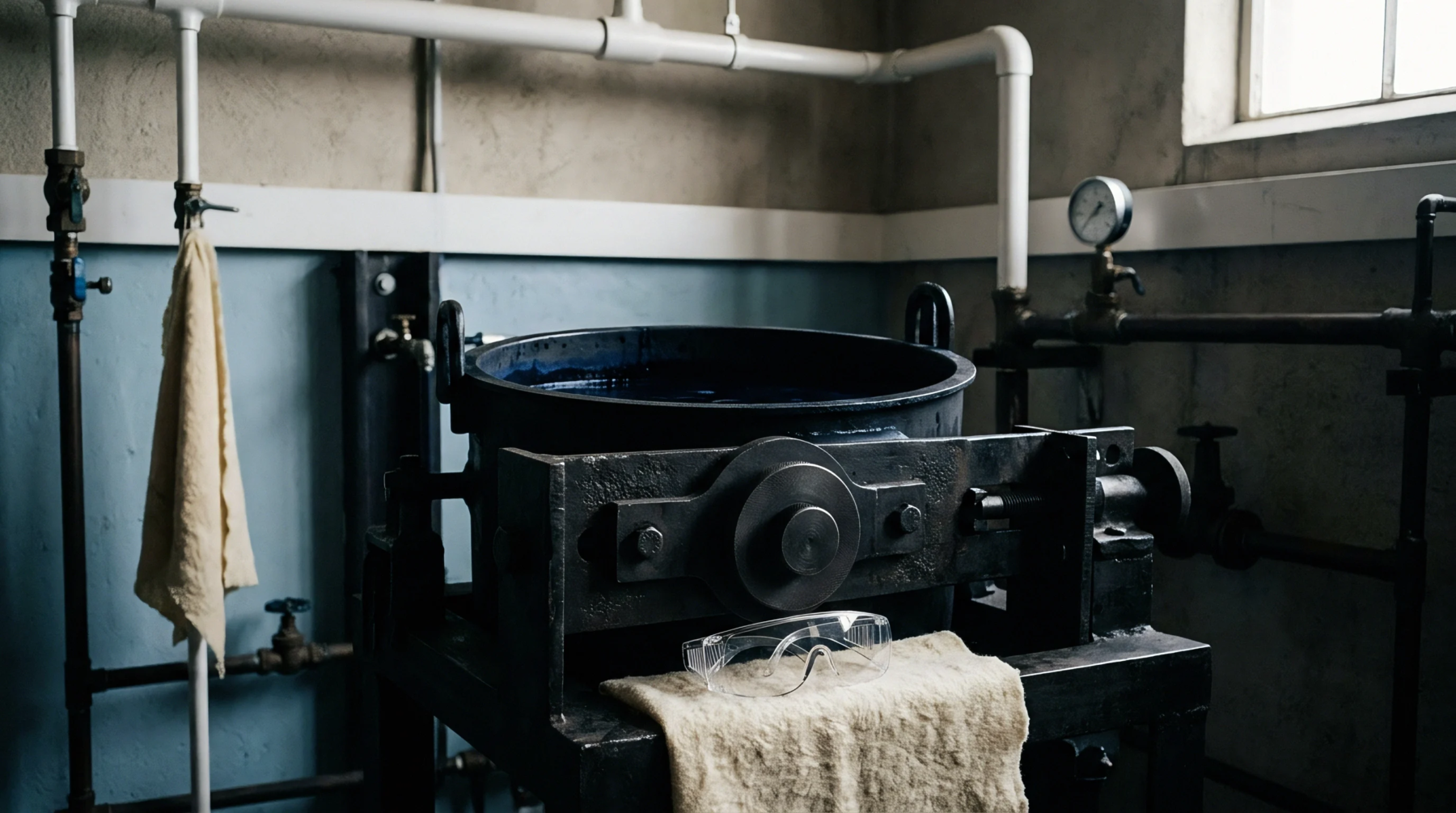
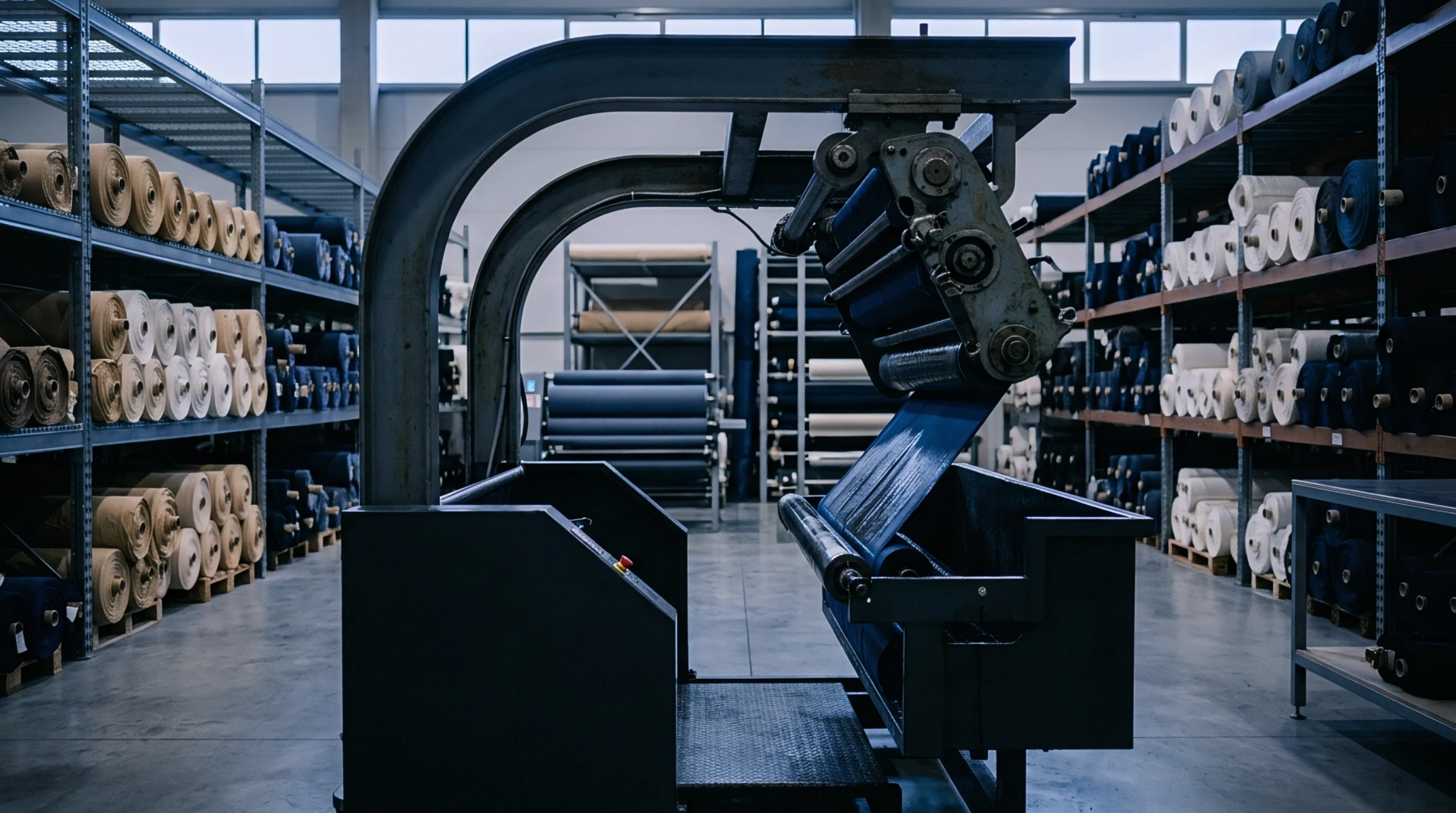
Linear transit velocity dictates the physical passage of textile rope forms through continuous wet processing machinery in industrial dyeing ranges. Fabric rope speed requires precise control to prevent excessive tension spikes during high temperature alkaline scouring or reactive dye fixation. Hydraulic transport systems generate forward momentum while mechanical lifter reels pull continuous loops through chemical liquor baths at regulated meters per minute.
Wound Tension
Excessive mechanical pulling force stretches elastomeric knit structures beyond recovery limits during cyclic passage through narrow guide rings and squeeze rolls. Excessive elongation induces permanent width loss and unrecoverable length distortion in finished tubular cotton jersey goods. Operator calibration procedures reconcile winch drum rotational velocity against pump discharge volume to maintain zero dimensional stress inside wet processing compartments.
Dwell Duration
Chemical reaction kinetics depend on precise exposure periods inside saturated steam chambers and high temperature dwelling compartments. Linear transit velocity directly governs chemical reaction duration because throughput speed determines contact time with reactive dye baths and bleaching agents. Shorter exposure windows reduce chemical fixation rates, leading to color yield deficits and uneven shade development across continuous production lots.
Kinetic Friction
Surface drag resistance against stainless steel guide tubes and ceramic immersion rollers escalates proportionally with linear transit velocity. Lubricating auxiliaries reduce boundary friction coefficients inside scour baths to prevent abrasion damage on delicate filament yarns. Finished goods inspection standards verify surface integrity by measuring pilling propensity after high speed rope processing cycles.