Ionic Concentration
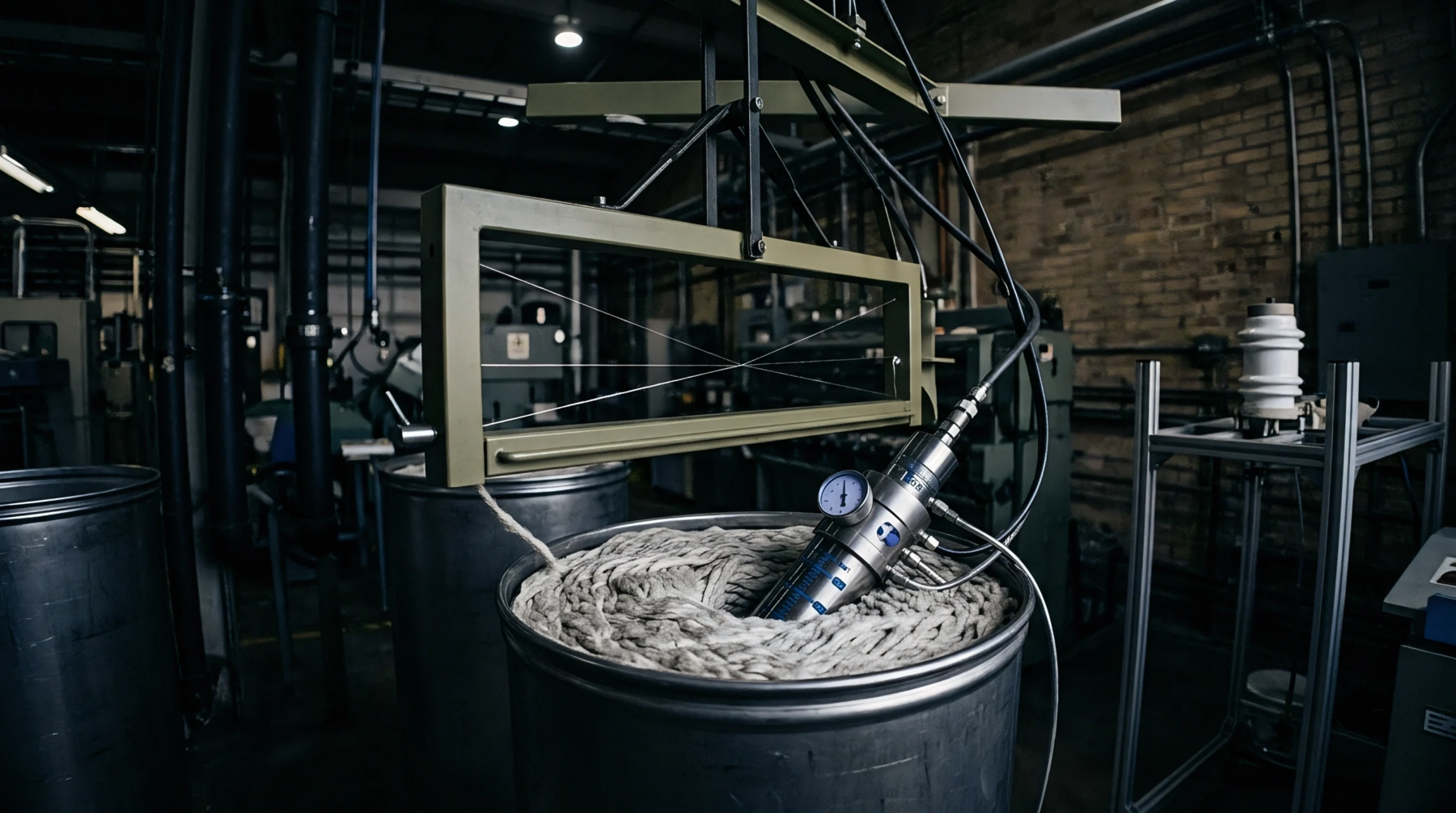
Ionized particles dissolved in aqueous processing solutions allow for precise control over the electrochemical environment within the textile dye house. Bath conductivity serves as a proxy for the total concentration of dissolved salts and acids present in the liquid medium. Textile engineers monitor this parameter to manage the rate of exhaustion during reactive dyeing processes on cellulosic fibers.
High levels of these dissolved species accelerate the migration of dye molecules toward the substrate, potentially causing uneven color distribution if left unmanaged. Excess salt accumulation limits the ability to achieve consistent shade depth across subsequent dye lots.
Standard Maintenance
Regular verification of the probe calibration prevents drift within the electronic measurement circuit. Maintenance staff clean the platinum electrodes to remove biofilm or mineral deposits that inhibit accurate current transmission through the water. Variations in temperature necessitate automatic compensation adjustments to ensure the reading corresponds to the standard reference conditions.
Precise sensors detect shifts in the ionic load during the addition of electrolyte agents or auxiliary chemicals. Operators maintain a stable environment by regulating the flow of feedstocks based on these data points.
Process Influence
Dyeing efficiency relies on the management of electrolyte levels as the textile substrate interacts with the liquor. Excessive conductivity during the initial heating phase leads to rapid and irregular dye uptake on cotton yarn. Reducing the ionic strength before the final wash stage assists in the efficient removal of unfixed dyestuff from the fiber surface.
Correcting the salinity balance provides a cost advantage by lowering the volume of water required for subsequent rinsing cycles. Achieving the correct balance avoids the necessity for chemical stripping or re-dyeing caused by faulty exhaustion.
Analytical Boundary
Measuring electrical current flow provides data about the mineral content rather than the specific identity of the dissolved substances. Ions contributing to the signal include sodium, chloride, sulfate, and various metal cations common in textile processing water. High alkalinity from caustic additives creates a significant signal shift that masks the presence of other electrolytic components.
Precise control of the dye cycle requires isolating the electrical signal from the interference caused by non-ionic surfactants or leveling agents. Conductivity values remain stable only when the chemical composition of the input water remains consistent over time.