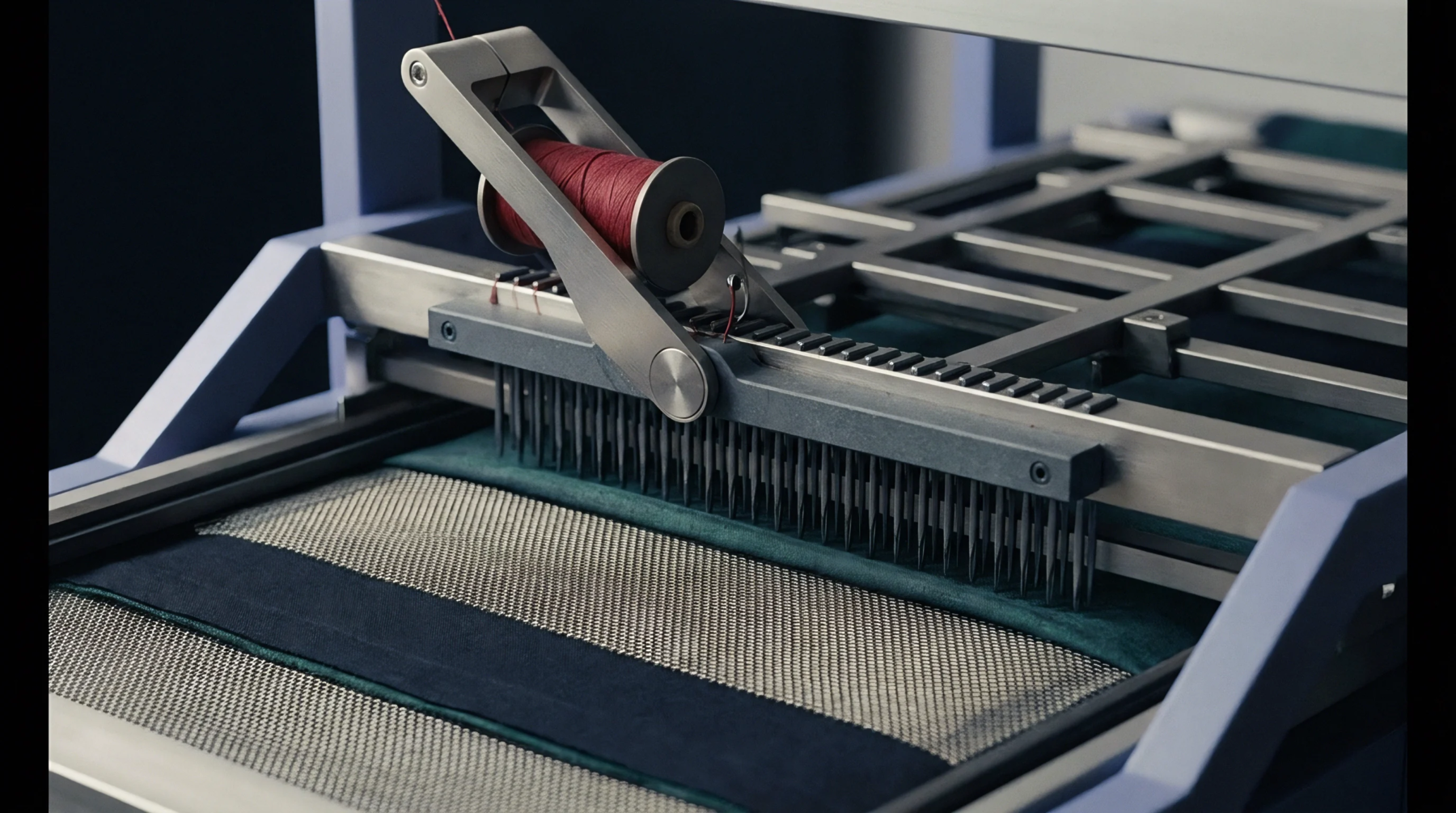
Greige Thread Density Influence on Wet Fabric Relaxation
Greige thread density limits wet fabric relaxation by establishing inter-yarn friction boundaries that block yarn swelling and crimp interchange during finishing.
Textile processing relies upon continuous open width scouring to strip natural waxes, pectin impurities, and residual spinning oils from greige woven fabrics prior to reactive dyeing stages. Caustic soda solution penetrates the flat fabric web inside reaction chambers maintained near boiling temperatures while high pressure spray nozzles displace loosened contaminants away from the cellulose polymer chains. Mechanical tension regulators govern the pull exerted across the guiding rollers to prevent warp distortion while the material passes through multiple washing compartments.
Mill operators monitor bath alkalinity concentrations continuously because excessive sodium hydroxide levels hydrolyse polyester blend components and weaken overall tensile strength parameters before finishing treatments begin. Hydrophobic impurities remain trapped inside hydrophobic cotton seed remnants when wetting agents fail to lower surface tension adequately during initial immersion phases.
Surfactants emulsify residual knitting lubricants and sizing starches within the alkaline liquor so that subsequent rinsing steps flush the suspended matter out of the textile substrate completely. Solution temperatures demand strict regulation because inadequate heat leaves residual paraffin waxes intact upon the cotton surface, which subsequently blocks dye penetration and causes uneven shade depth across finished rolls. Surfactant molecules attach to oil droplets while hydrophilic ends extend outward into the aqueous bath to maintain stable colloidal suspensions until filtration units remove the waste stream.
Rinsing zones follow immediately after chemical application compartments to halt alkaline degradation before cellulose degradation occurs on sensitive modal blends.
Roller synchronization maintains precise dimensional stability across the entire fabric width as wet goods travel from impregnation troughs toward drying cylinders. Variable speed drives adjust individual nip roller rotations to compensate for the natural elongation that occurs when cotton fibres swell under hot alkaline conditions. Edge guide sensors detect lateral wandering and adjust pneumatic cylinders dynamically to keep the fabric running flat without creasing or curling at the selvedges.
Slack zones between chemical treatment stages allow the material to relax internal stresses accumulated during high speed weaving operations in upstream mill departments.
Laboratory technicians extract dry samples from inspected bulk production lots to verify residual sizing content through iodine spot tests and residual oil extraction methods. Water absorbency drop tests measure the seconds required for a liquid droplet to sink into the scoured fabric surface, yielding a direct metric for wetting efficiency before goods proceed to bleaching ranges. Inspected lots failing the residual grease threshold return to the wet processing floor for secondary treatment cycles under adjusted chemical dosing schedules.
Final commercial acceptance depends upon uniform whiteness index values and complete removal of hydrophobic surface barriers across the entire shipment length.
Greige thread density limits wet fabric relaxation by establishing inter-yarn friction boundaries that block yarn swelling and crimp interchange during finishing.
Expertise is a utility, not a secret. sentiention™ publishes its working knowledge as open reference: intelligence layer covering the materials it sources, the markets it enters, and the reference that serves both.