Warp Cover Limits in Continuous Fabric Dyeing
High warp cover limits dye liquor core penetration in continuous padding, requiring lower line speeds, specialized wetting agents, and calibrated IR drying.
Capillarity
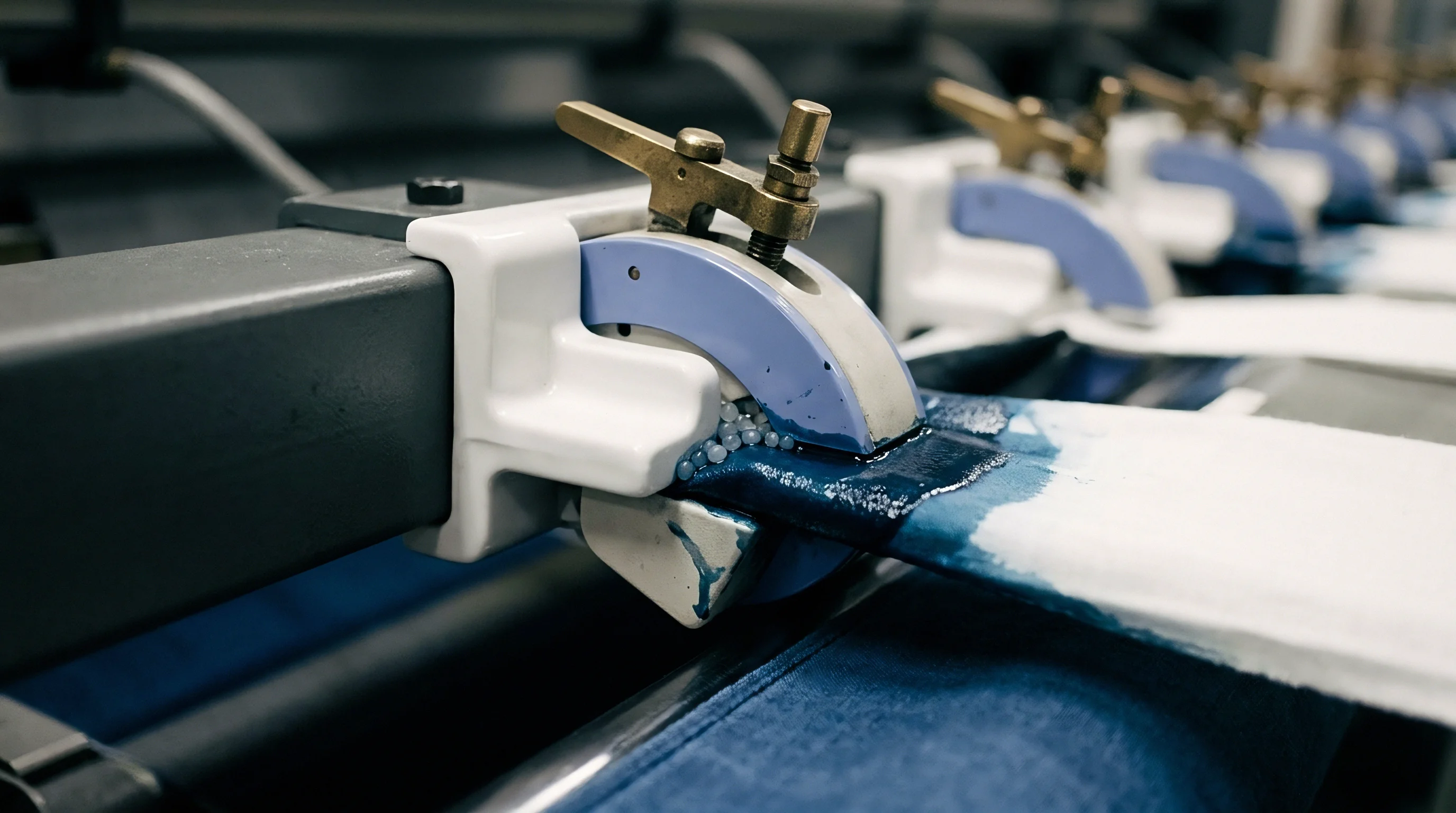
In continuous pad application, the pore geometry between dense warp yarns dictates how dye liquor is displaced. Beyond certain warp cover thresholds, adjacent ends press against one another and restrict the void volume between threads. This compression reduces the effective hydraulic radius through which liquid must pass during brief immersion in the pad trough, creating tight capillary channels that impede fluid flow into the core of the yarn bundle.
Calculating warp cover depends on the ratio of yarn diameter to thread spacing. For cotton systems, cover factors derived from Peirce formulas offer a direct measure of surface coverage. Fractional cover values above 0.75 in plain weaves or 0.82 in twill structures indicate tight mechanical packing, where loom tension causes adjacent warp ends to touch or deform.
This physical barrier restricts cross-sectional liquor movement, keeping the applied dye solution largely on the outer crowns of the warp sheet.
Structural Pore Geometry in High Sett Wovens
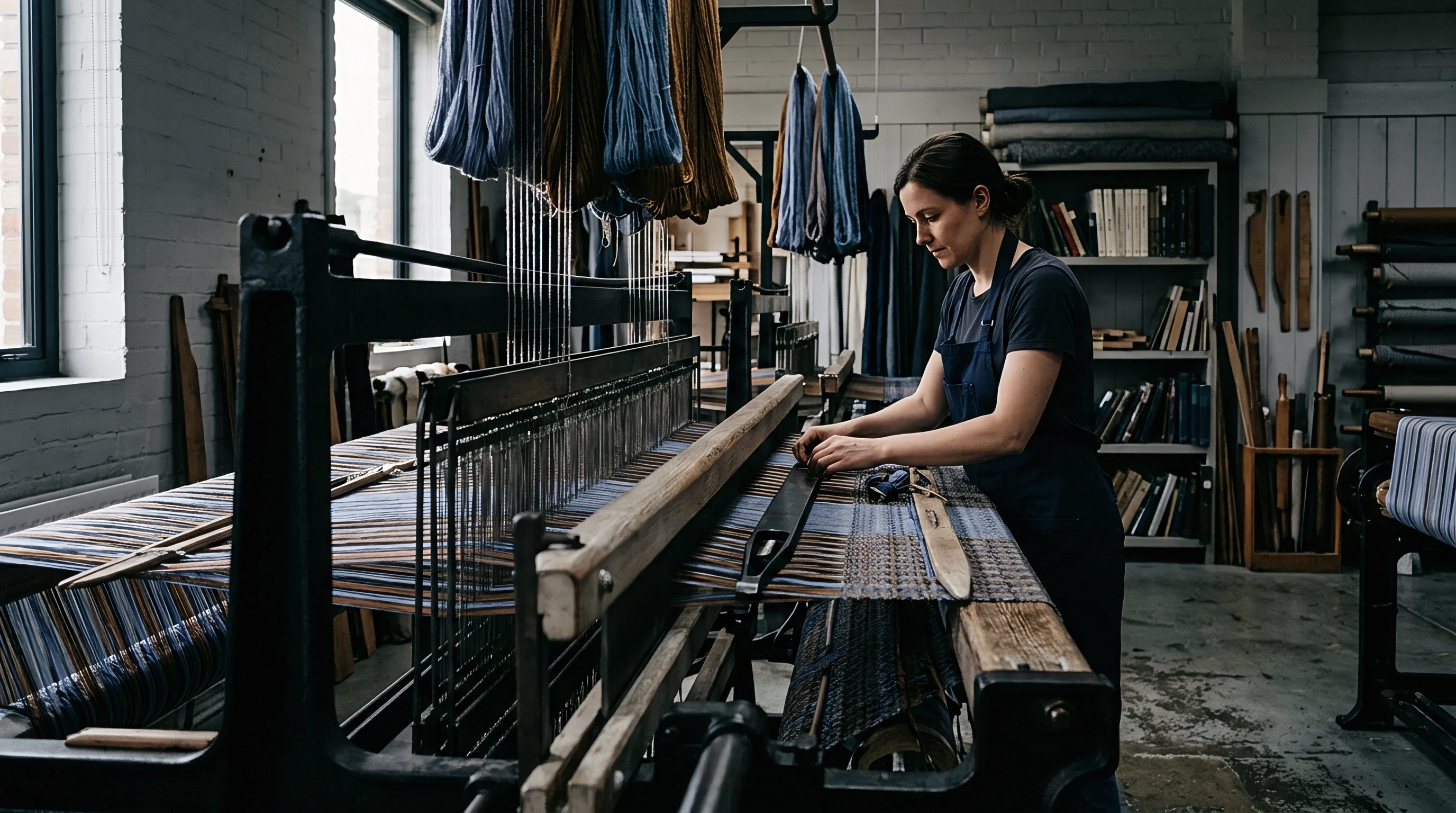
Pore dimensions in greige fabric shrink as the warp sett increases. In lightweight poplins made with fine combed yarns, high end counts narrow inter-yarn clearance below the capillary radius required for rapid wetting. Continuous dyeing ranges running at high speeds draw the web through the pad trough in under a second.
This brief exposure leaves little time to displace air from inner yarn capillaries unless chemical surface tension is reduced sharply.
- Warp shade frosting occurs when dye liquor remains on outer yarn surfaces because narrow spaces between warp ends prevent penetration to the core.
- Listing along selvedges develops when uneven tension compresses edge threads, blocking liquid entry into the structure.
- Face to back shade variance emerges when a dense thread arrangement prevents fluid from passing fully through the fabric thickness during padding.
- Skittery dye appearance happens when hydrophobic sizing residues stay trapped inside tightly packed warp bundle pores.
Wetting Kinetics during Sub Second Pad Submersion
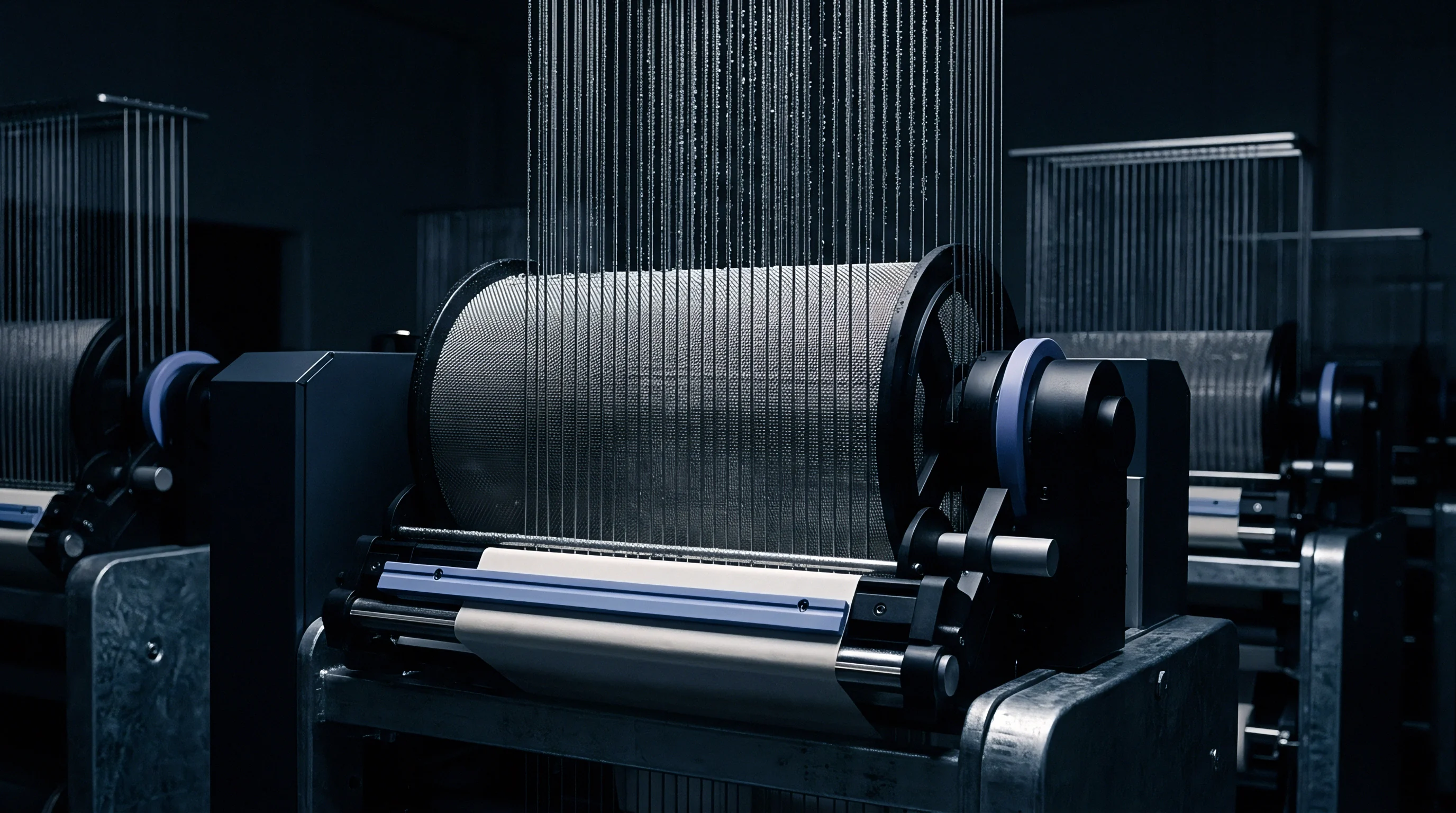
Capillary pressure in yarn bundles scales inversely with pore radius. Although small internal pores generate high theoretical capillary pressure, fluid velocity falls as hydrodynamic resistance increases in narrow channels. Continuous pad ranges operating at forty meters per minute yield roughly 0.3 seconds of immersion in the trough.
To overcome this resistance, wetting agents must lower liquor surface tension below 30 mN/m within milliseconds.
Padding continuous cotton poplin at cover factors above 0.78 reduces dye liquor core penetration depth by forty percent compared to looser structures.
Residual sizing materials further impede capillary action in dense warp sheets. Polyvinyl alcohol and carboxymethyl cellulose films clog interstitial voids whenever desizing operates below ninety-five percent efficiency. If dense warp ends trap unhydrated size, dye molecules cannot migrate into the amorphous regions of the cellulose.
The resulting shade appears pale and streaky, suffering marked wash-fastness loss under standard testing protocols.
Dyehouse managers frequently attribute resist spots and pale warp streaks to inconsistent yarn sizing rather than recognizing the hydraulic displacement barriers created by high ends per inch.
Nip
Hydrodynamic forces inside the liquor trough determine how deeply dye bath chemicals penetrate dense woven substrates. As the open web enters the bath, displaced air must escape upward while liquor moves inward. When warp cover approaches theoretical limits, escaping air forms micro-bubbles that block liquid channels.
Squeeze roll pressure applied immediately after immersion either forces liquid into the yarn cores or wipes surface liquor away entirely.
Padder roll hardness dictates the width of the contact zone where mechanical work takes place. Soft rubber coverings from 65 to 70 Shore A yield a wide nip contact area, extending dwell time under compression. Harder rolls at 80 to 85 Shore A concentrate force over a narrower strip, creating sharp pressure peaks that flatten warp crowns without driving fluid into inner capillaries.
Balancing roll hardness against linear pressure prevents structural distortion while maintaining uniform liquor pick-up.

Mechanical Pressure Gradient across High Density Yarns
Linear nip pressure, measured in Newtons per millimeter, dictates wet pick-up percentages across the woven sheet. On dense goods with warp cover exceeding 0.80, low pressure leaves excess liquor on the surface, triggering severe migration during early drying. High pressure, on the other hand, squeezes liquid out of the web and drops wet pick-up below the threshold needed for dye dissolution and level fixation.
| Warp Cover Tier | Ends per CM | Peirce Cover Factor | Target Pick-Up % | Bowl Hardness (Shore A) | Linear Pressure (N/mm) |
|---|---|---|---|---|---|
| Low Cover Plain | 28 | 0.62 | 68 – 72 | 75 | 12 – 15 |
| Medium Cover Twill | 42 | 0.74 | 62 – 65 | 70 | 18 – 22 |
| High Cover Gabardine | 56 | 0.83 | 52 – 56 | 65 | 25 – 30 |
| Limit Cover Down-Proof | 68 | 0.89 | 46 – 50 | 60 | 32 – 35 |
Formulating Liquor Baths for Low Permeability Shells
Auxiliaries added to the pad bath modify fluid dynamics under high mechanical pressure. Non-foaming anionic wetting agents paired with low-viscosity antimigrants prevent shade listing without generating foam at high running speeds. Sulfated alkanes combined with ethoxylated alcohol penetrants speed up surface wetting.
Bath temperatures require control within two degrees Celsius; while warmer liquor lowers viscosity and aids penetration, higher heat can destabilize certain reactive or disperse dye formulations.
- Measure greige yarn density and calculate warp cover factor to establish initial liquor trough dwell limits.
- Adjust non-foaming wetting agent concentration based on expected liquid displacement resistance within dense warp pores.
- Calibrate padder roll hardness and linear squeeze force to prevent surface dye pooling without crushing yarn crowns.
- Verify wet pick-up percentages across the full roll width prior to committing the bulk batch to the line.
Running a dye pad line with excessive squeeze bowl hardness on high-cover goods crushes warp crowns, inducing localized dye migration that causes uncorrectable listing across thousands of meters.
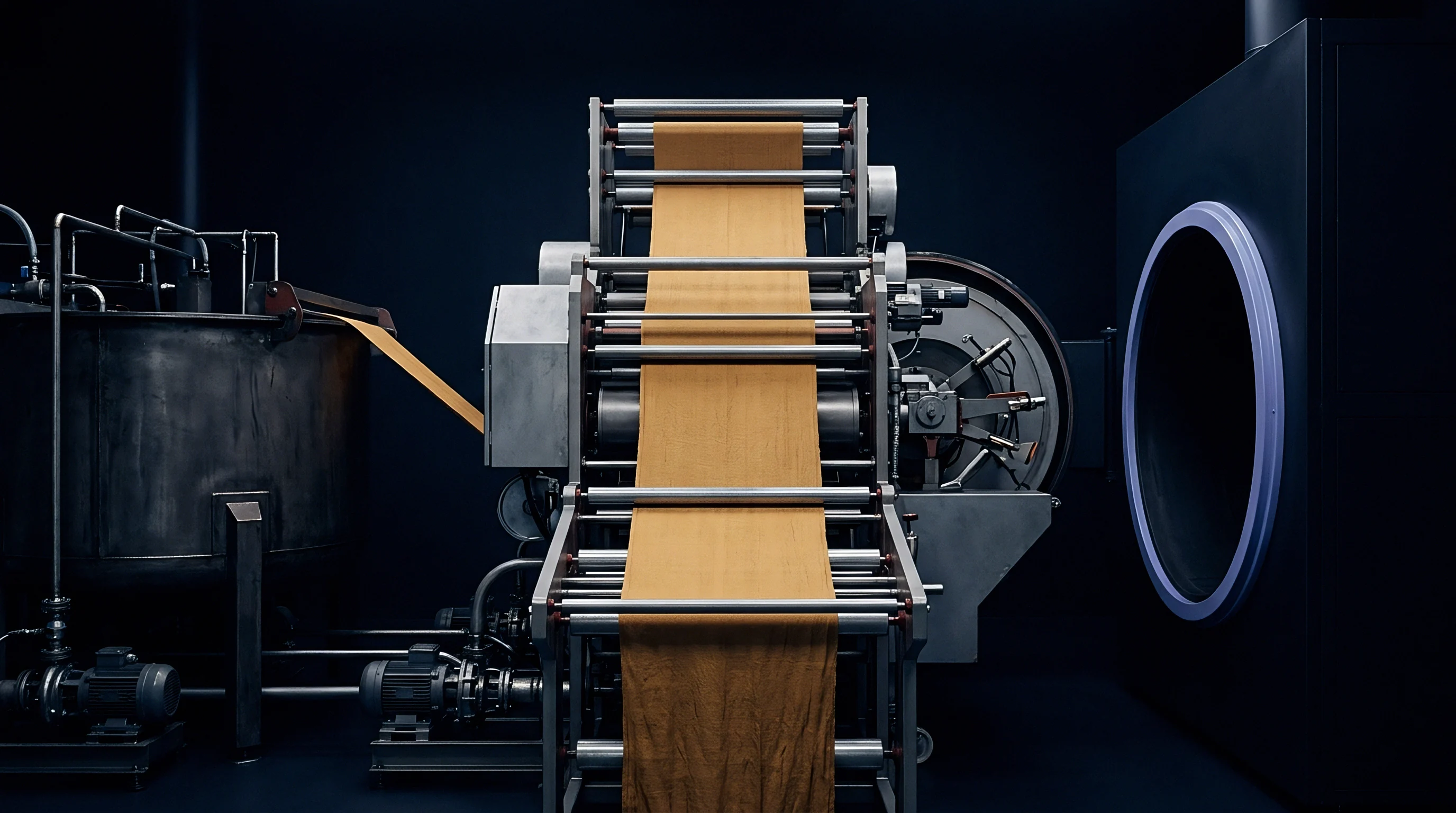
Thermodynamics
Applying thermal energy during intermediate drying controls liquid migration before dye molecules fix within warp and weft fibers. Water vaporizes first from the surface of the web, setting up a moisture gradient from core to face. Liquid water carrying dissolved dye then flows rapidly toward the hot exterior.
On dense warp structures, this capillary flow draws dye molecules directly to the warp crowns, producing severe shade differences between face and back.
Infrared pre-dryers positioned immediately after the padding mangle reduce surface migration by evaporating surface water quickly without air currents. Medium-wavelength infrared radiation penetrates the wet web evenly, heating water molecules throughout the fabric thickness at the same time. Maintaining IR pre-dryer output between 50 and 60 percent lowers web moisture to roughly 30 percent, locking dye particles in place before the fabric enters hot-air drying cylinders.

Intermediate Evaporation Dynamics and Particle Migration
Evaporation rates inside hot-flue dryers must balance against internal diffusion speeds. High-velocity hot air directed at dense warp goods strips surface water rapidly. If evaporation outpaces fluid movement from within, dye particles deposit exclusively on exposed warp surfaces, causing frosting, poor crocking fastness, and metameric shade shifts under different illuminants.
Exceeding a three percent shade variance between fabric face and back violates standard buyer specifications and forces full batch re-dyeing.
What Causes Face to Back Shade Discrepancies?
Unequal heat transfer between top and bottom dryer nozzles drives liquid toward the hotter side of the web. In dense twills where warp threads cover the face and weft dominates the back, differential capillary forces naturally pull liquor toward the denser face. Standard hot-flue systems operating at 120 degrees Celsius amplify this imbalance if nozzle air velocities differ by more than five percent top-to-bottom.
For example, a 100 percent cotton high-density twill with a warp cover factor of 0.82 running on a continuous pad-thermofix line at 40 meters per minute starts with a wet pick-up of 60 percent. Under standard hot-air drying without IR pre-heating, moisture evaporates from outer warp crowns at 1.4 liters per square meter per minute. Solubilized reactive dye migrates outward, leaving the yarn cores under-dyed and producing a face-to-back color difference (Δ Ecmc) of 1.45.
Introducing a zoned medium-wave IR pre-dryer at 60 percent power reduces wet pick-up to 32 percent before hot-flue entry. Outer evaporation speed then matches internal capillary delivery, bringing the face-to-back Δ Ecmc down to 0.32, well within commercial limits.
High web tension in hot-flue dryers stretches warp yarns, narrowing inter-warp spaces further during critical drying phases. Smaller pores accelerate capillary migration toward the surface, compromising shade levelness across the roll width.
Whether synthetic polymer anti-migration agents can fully eliminate micro-frosting in fine filament warp goods without stiffening the hand remains an open dispute among wet processing engineers.

Verification
Spectrophotometric measurement across the width of dyed rolls identifies shade shifts caused by uneven warp compaction. Quality checks evaluate center-to-selvedge variation, face-to-back ratios, and core penetration metrics on finished goods. Because single-point readings miss micro-listing induced by tight warp packing, multi-point scans taken every thirty centimeters across the usable width are required to qualify high-density continuous runs.
Cross-sectional microscopy confirms whether dye molecules penetrated the interior of individual warp yarns or remained on exterior walls. Slicing resin-embedded warp threads with a microtome for optical analysis reveals the dye distribution profile. Core penetration ratios below 70 percent point to poor liquor displacement during padding, leaving the fabric vulnerable to abrasion-induced shade loss during wear.
Spectrophotometric Metrics for Surface Dye Concentrating
Color difference evaluations rely on the DE cmc calculation method using a 2:1 ratio for lightness to chroma tolerances. High warp cover fabrics often pass overall color fastness checks while failing direction-dependent color consistency tests. Reading shade values both parallel and perpendicular to the warp direction separates surface dye orientation effects from true chemical shade variance.
| Performance Metric | Standard Test Method | Target Tolerance | Failure Indication |
|---|---|---|---|
| Selvedge-Center Delta E | ISO 105-J03 (D65/10 deg) | DE cmc <= 0.60 | Edge listing, pad roll crowning failure |
| Face-to-Back Delta E | ISO 105-J03 (D65/10 deg) | DE cmc <= 0.50 | Asymmetrical drying, IR pre-dryer imbalance |
| Warp Core Penetration Ratio | AATCC TM198 (Microscopy) | >= 75% depth | Hydrodynamic liquor rejection in pad trough |
| Wet Rubbing Fastness | ISO 105-X12 (Crockmeter) | Grade 3.5 or higher | Unfixed surface dye migration on warp crowns |
| Accelerated Wash Fastness | ISO 105-C06 (A2S test) | Grade 4.0 shade change | Shallow ring dyeing of high-sett warp yarns |
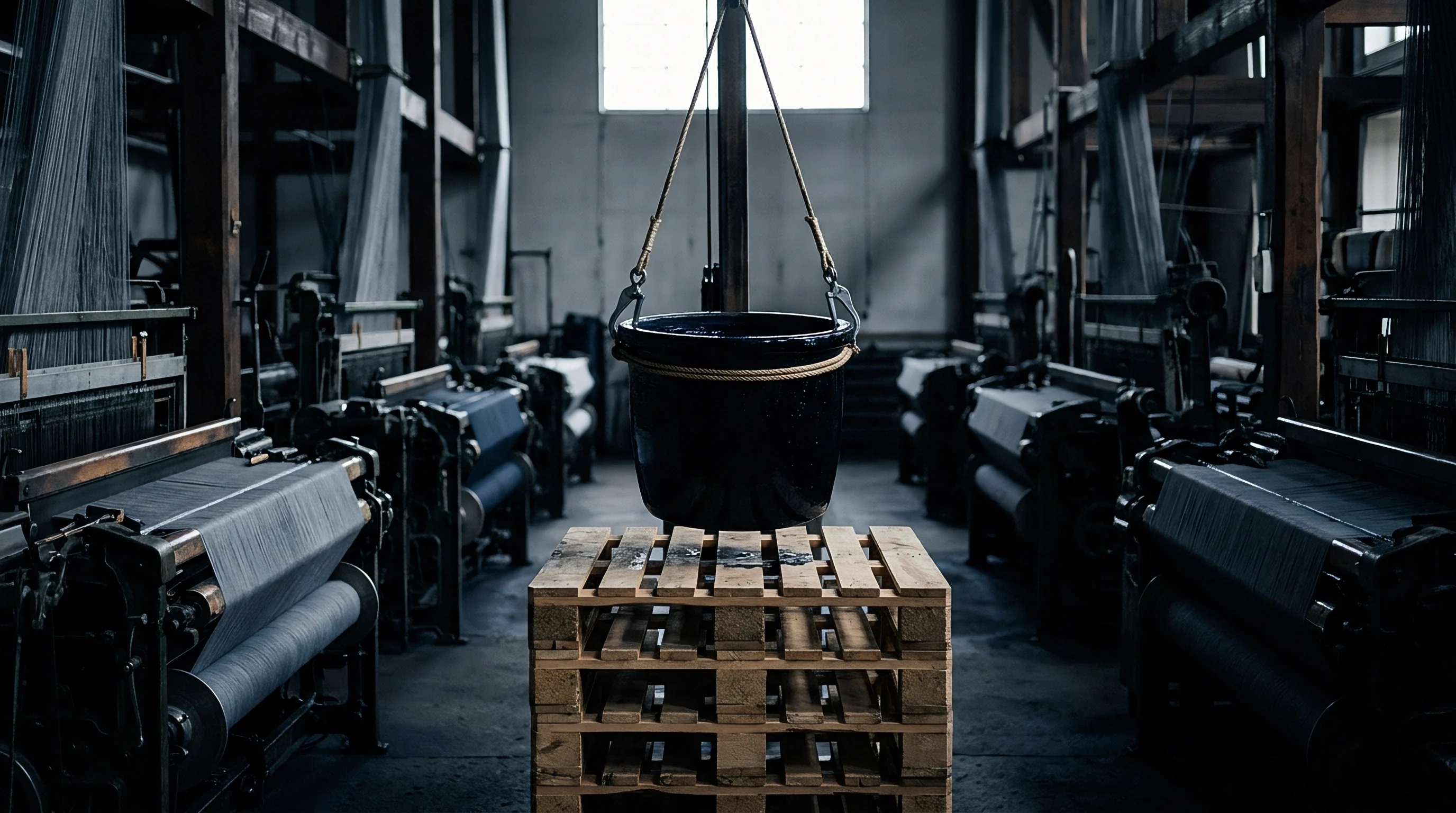
Cross Sectional Analysis of Core Penetration
Physical fastness testing validates microscopic and optical readings. Crockmeter friction testing highlights ring-dyeing defects: when dense warp packing prevents liquor from penetrating yarn cores, outer dye films rub off easily under wet abrasion. Grade 3.0 wet crocking results on dark poplins almost always stem from warp cover obstruction during initial padding rather than inadequate washing off.
- Cross sectional dye depth requires microscopic evaluation of sliced warp threads to confirm dye molecules reached the yarn core.
- Selvedge to center delta E demands spectrophotometric reads every fifty centimeters across the usable roll width under multiple light sources.
- Fastness to wet rubbing tests surface dye buildup resulting from incomplete dye bath penetration during continuous squeeze passes.
Continuous pad lines reveal yarn compaction defects that remain completely invisible on static laboratory dipping equipment.
Laboratory dip samples prepared on static equipment fail to replicate the rapid hydrodynamic forces present in continuous pad lines. Lab dips submerge goods for several minutes, allowing liquid to diffuse completely into dense warp structures. Continuous ranges process web at high speeds, exposing flaws that static tests hide.
Purchase specifications should mandate pilot-scale continuous padding trials for any woven construction with a warp cover factor over 0.78.
Incorporating ISO 105-J03 color difference criteria ~ DE cmc under 0.8 with a face-to-back delta threshold of 0.5 ~ into purchase agreements holds converters to strict trough chemistry standards.
Ledger
Production economics shift sharply when tight warp packing forces continuous pad lines to slow down. Dropping line speed from 45 meters per minute to 25 meters per minute doubles operating costs per meter processed, as longer dwell times are required to achieve acceptable liquor penetration through high-density warp structures.
Chemical costs escalate on high-cover constructions due to required bath additives. Formulating pad liquors with high concentrations of non-foaming wetting agents, specialized penetrants, and synthetic antimigrants adds 0.08 to 0.14 USD per linear meter. Omitting these auxiliaries causes high reject rates, leading to costly stripping and re-dyeing operations that degrade tensile strength beyond acceptable buyer tolerances.
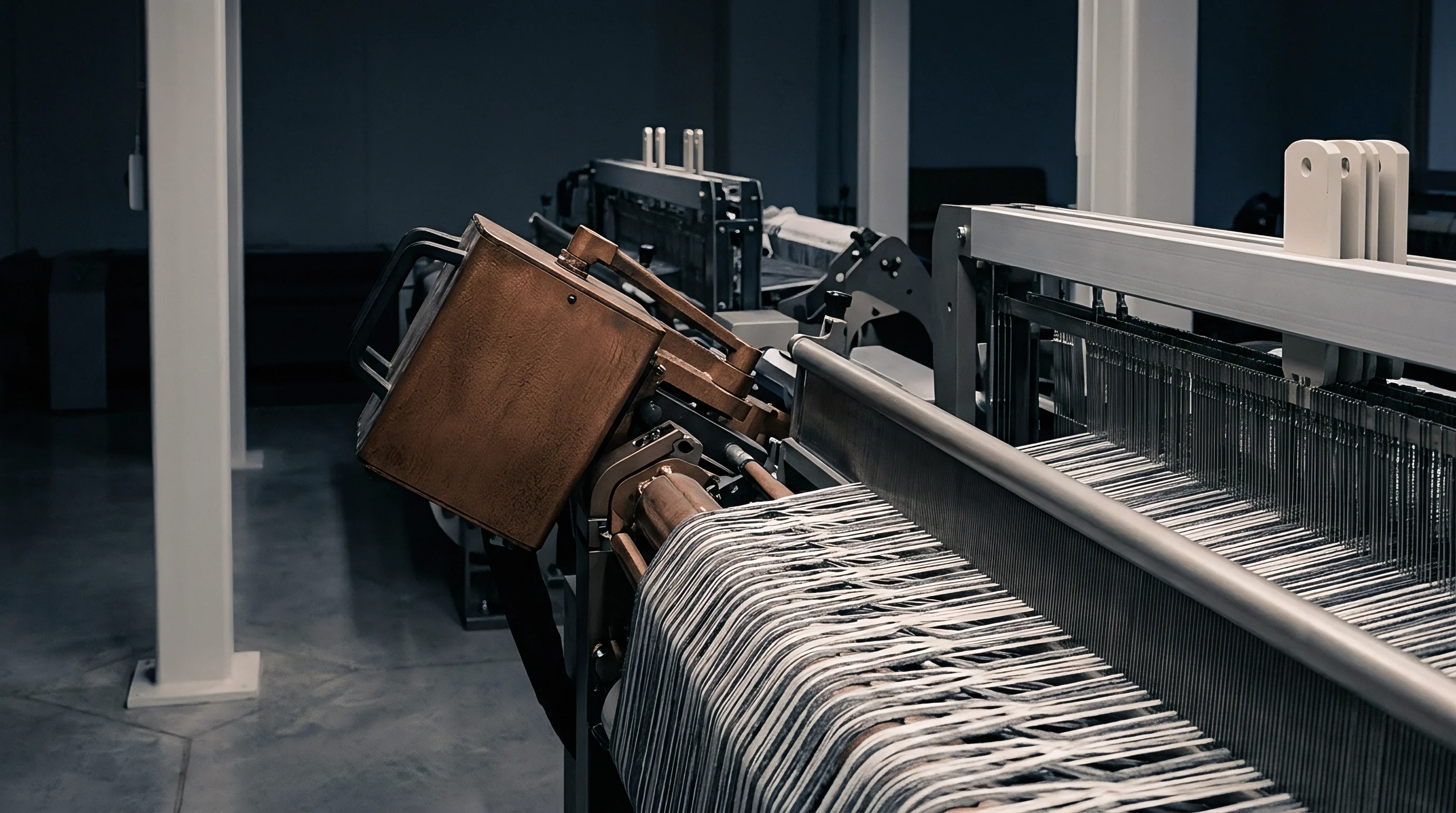
Operational Speed Reductions and Dwell Arithmetic
Batch sizes dictate continuous line feasibility when processing dense wovens. Running high-cover goods requires dedicated setup calibration, including pad roll pressure mapping and IR pre-dryer balancing. Setting up a continuous pad-steam or pad-thermofix line consumes up to 300 meters of leader cloth and two hours of downtime.
Minimum color quantities (MCQ) must scale upward for dense constructions to amortize these fixed setup costs effectively.
High warp cover always trades running speed for shade evenness on continuous pad ranges.
Shade rejections on high-density continuous dyeing runs carry severe commercial penalties. Re-dyeing dense goods requires chemical stripping with hydrosulfite and sodium hydroxide, followed by re-padding at reduced speeds. Stripping weakens high-tension warp yarns, reducing tensile strength by 12 to 18 percent.
Damaged lots fail ISO 13934 tensile requirements, forcing mills to sell bulk rolls to off-price liquidators at a fraction of their cost.
Cost Allocation for Shade Rejections and Stripping
Converters processing high warp cover constructions routinely build re-work allowances into landed cost quotes. Standard plain weaves carry a two percent re-work margin, whereas gabardines and down-proof ticking with cover factors above 0.82 carry six to eight percent buffers. Sourcing executives who identify hidden risk buffers in converter pricing can negotiate lower rates by providing pre-cleared greige specs with optimized cover factors.
Sourcing managers who evaluate greige construction specs alongside pad line dwell capacity prevent bulk shade rejections before yarn ever enters the loom.