Finishing Waste Measurement
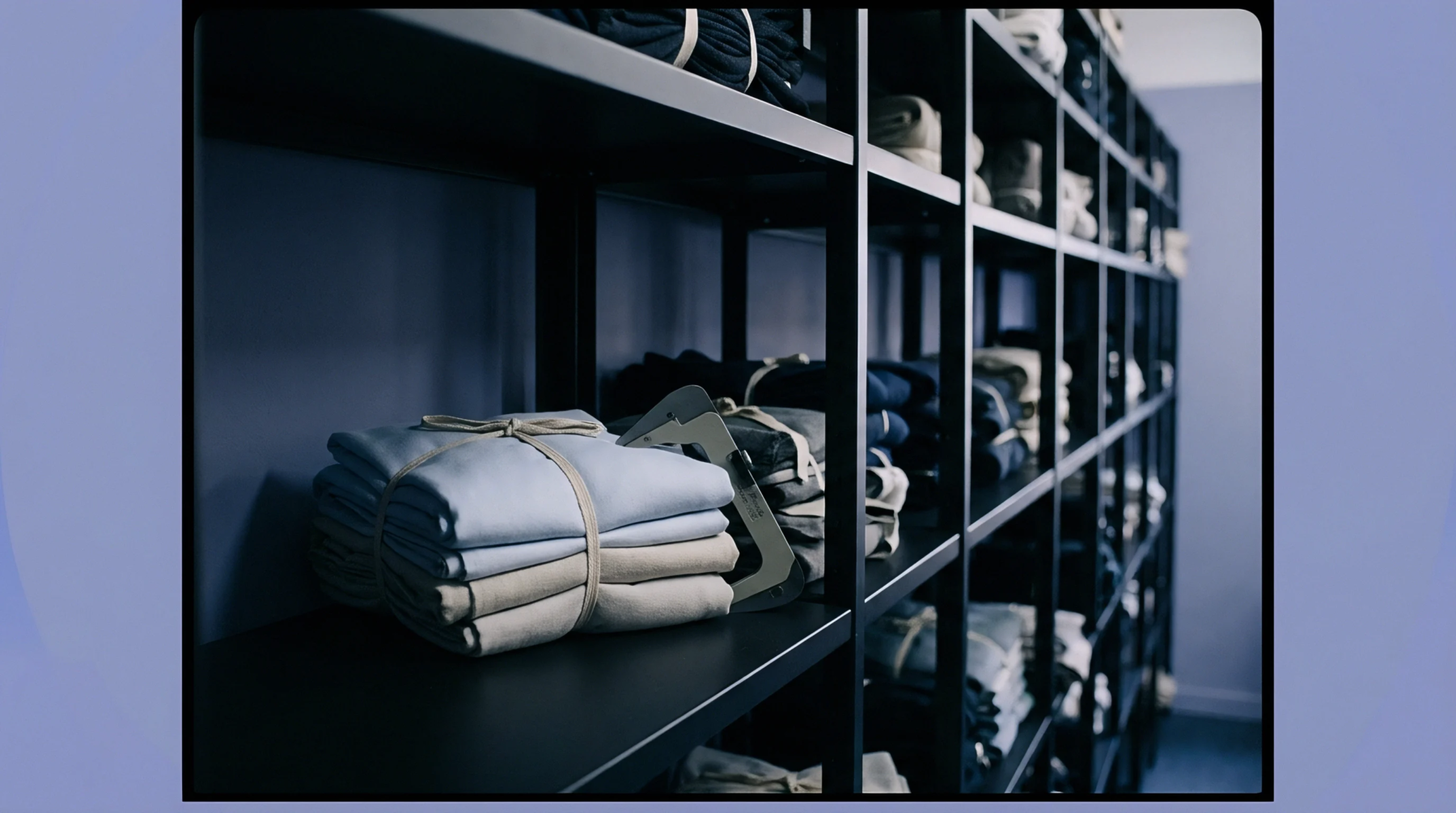
Analytical tests determine the percentage of weight removed from a grey fabric during the process of stripping away protective starch or synthetic lubricants. The desizing mass loss calculation identifies how much of the original loom state material consisted of temporary additives rather than permanent fibre. It involves weighing a specimen before and after a standardized cleaning procedure.
This value helps mills calculate the actual yield of finished fabric from a given weight of raw cloth.
Process Efficiency
Removing the sizing agents is a mandatory step before dyeing or printing can occur. If the desizing mass loss is lower than expected, it suggests that some chemicals remain on the fibres, which will block the penetration of dyes. This leads to blotchy colours or poor wash fastness in the final garment.
Technicians use enzymatic or chemical baths to ensure all starches are fully dissolved. They then rinse and dry the fabric to get a clean final weight for the calculation.
Commercial Significance
Buyers use the results of this test to verify that they are paying for fibre rather than excessive chemicals. While some sizing is necessary to protect the warp yarns during weaving, an unusually high percentage increases the cost of the raw fabric without adding value to the finished product. A typical range for cotton fabrics is between four and eight percent.
If the desizing mass loss exceeds the agreed limit, the mill may be required to offer a price adjustment. This ensures that the buyer is not subsidizing the supplier’s chemical usage. Accurate testing protects the buyer’s financial interest.
Environmental Factor
High levels of waste material in the wash water require extensive treatment before discharge. Reducing the amount of sizing used on the loom lowers the burden on the factory’s effluent treatment plant. Monitoring this loss helps the facility track its environmental impact.
It also points toward opportunities for chemical recovery.