Boundary Movement
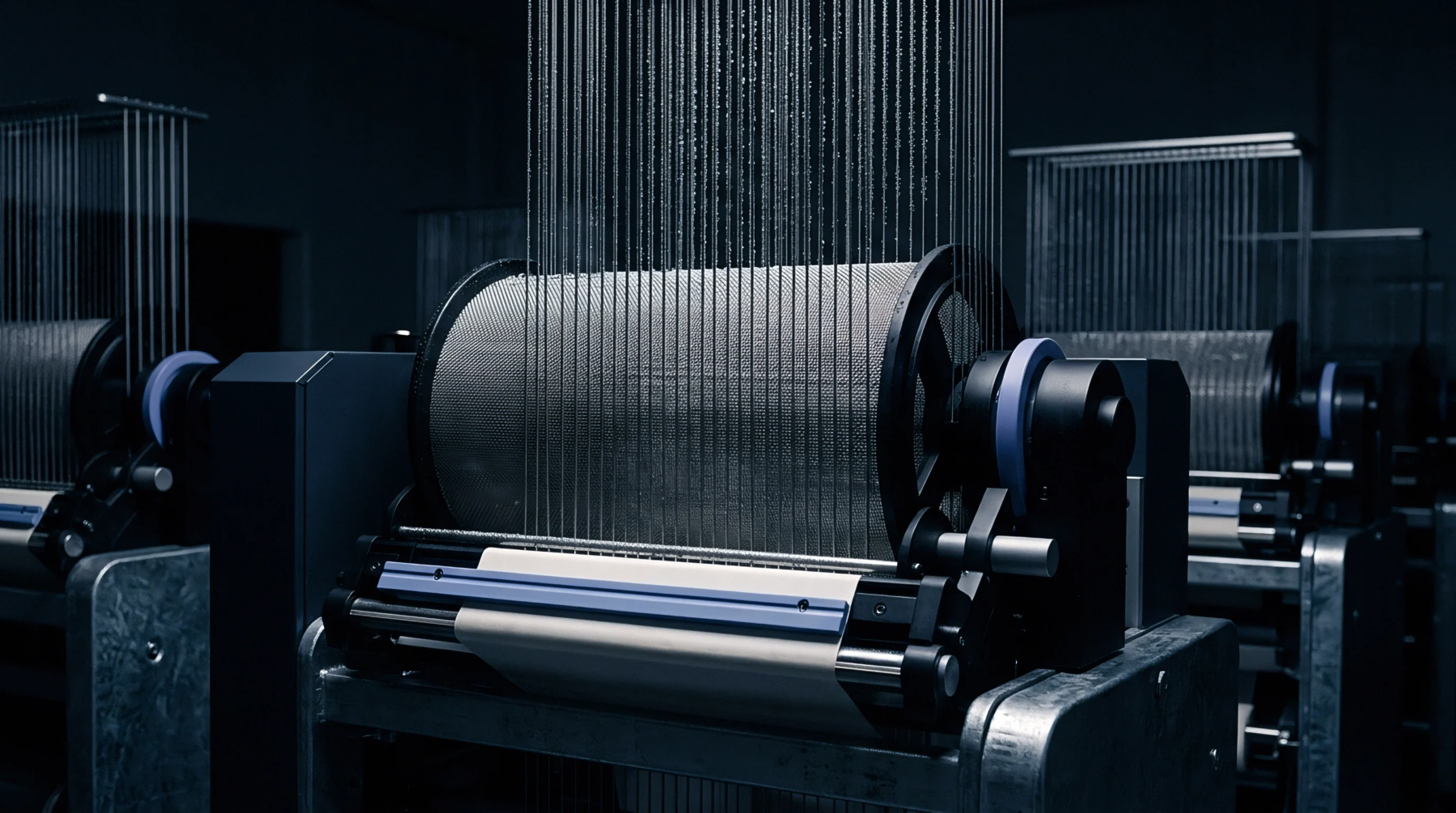
Agitation of dye baths creates movement of the liquid boundary layer next to the fabric during batch dyeing. This mechanical action, known as liquor surface displacement, ensures that fresh dye molecules are constantly brought into contact with the fiber surface. Inadequate flow speeds cause local exhaustion of dye molecules, leaving light spots in the fabric.
The flow must be maintained at a steady rate to ensure even chemical exposure.
Dyeing Uniformity
Microscopic variations in shade are eliminated when dye solution moves dynamically through the fabric package or yarn beam. This liquor surface displacement helps prevent channeling, where the liquid takes the path of least resistance. Yarn packages must be wound uniformly to allow equal flow in all directions.
Channeling results in poorly dyed centers in yarn cones.
Operational Control
Pump speed settings are regulated based on the fabric weight and yarn density of each batch. Dense fabrics require higher pump pressure. This pressure must not exceed the limit that would cause physical distortion of the fibers.
Monitoring System
Flow meters and differential pressure sensors track the liquid movement across the dye chamber to verify correct processing conditions. If the flow drops, the automated controller adjusts the pump frequency to restore correct pressure. Real-time data keeps the run stable and prevents ruined batches.
Wet processing supervisors rely on these computerized readouts to sign off on completed cycles.