Classification Methods for Raw Cotton Botanical Contaminants
Optical scanning measures two-dimensional contaminant surface area while gravimetric mechanical extraction measures true non-lint mass that governs card waste.

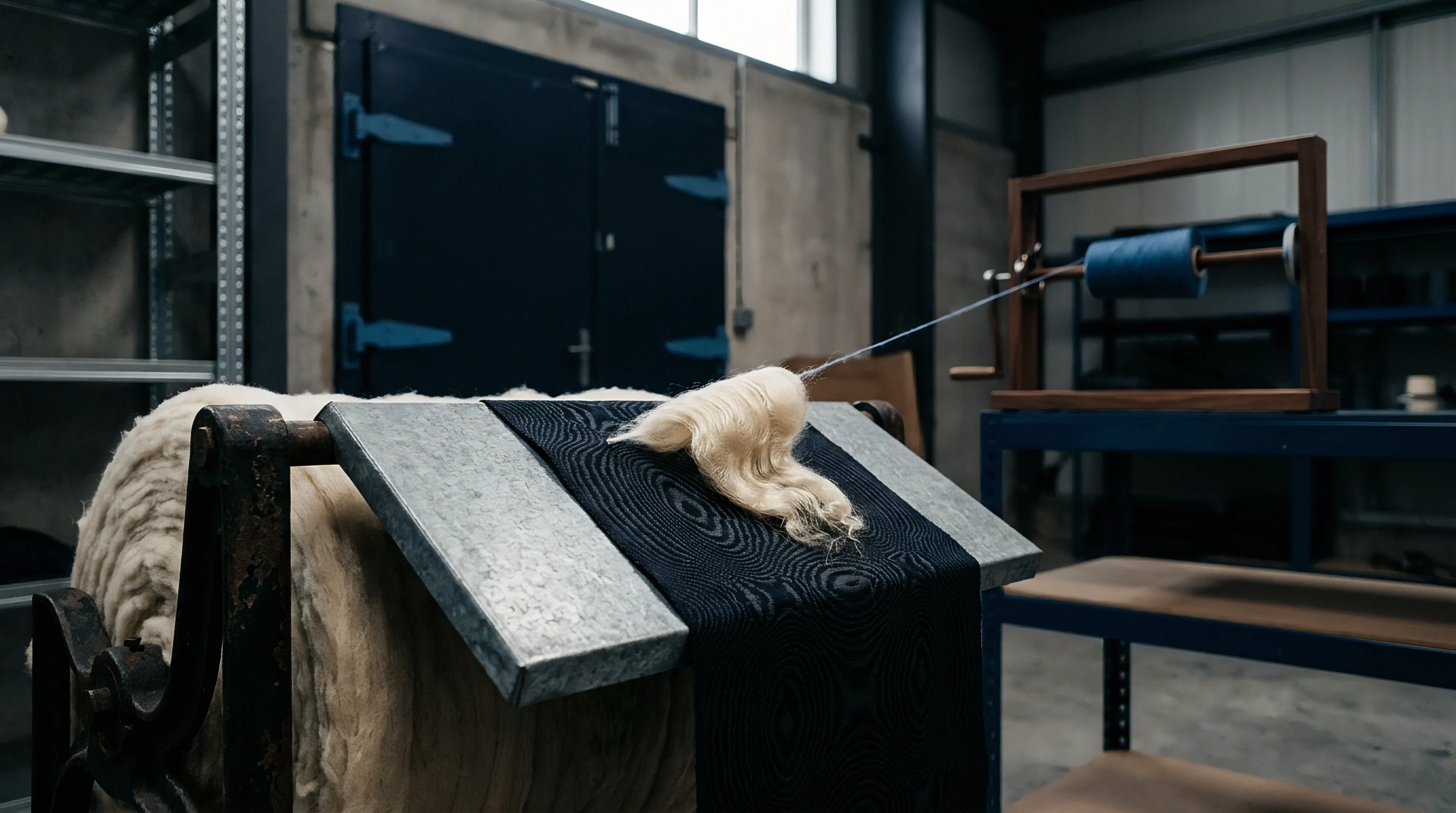
Morphology
Raw cotton bolls accumulate foreign botanical matter throughout field maturation, chemical defoliation, and mechanical harvesting. Machine harvesting gathers mature seed cotton alongside desiccated plant organs, weed tissues, and protective outer structures. The resulting mass enters ginning facilities as an uneven mixture of pure cellulosic lint and brittle plant fractions that govern subsequent industrial processing efficiency.
Botanical contaminants exhibit distinct cellular compositions that influence how particles shatter during ginning and opening operations. Leaf fragments originate from the cotton plant foliage, containing parenchyma tissue with low structural lignification. Bract tissues, derived from the three leaf-like involucres enclosing the boll base, present serrated borders and brittle cell walls that fracture into small polygonal flakes.
Stems and branches carry rigid vascular bundles rich in lignin that resist shatter, remaining as dense cylindrical chunks. Weeds such as cocklebur, morning glory, and careless weed contribute specialized vegetative structures that defy conventional gin grid-bar extraction.
Under standard testing conditions at sixty-five percent relative humidity, dried leaf lamina shatters into particles below two hundred microns during lint cleaning.
Broken bracts crumble into fine dust. The anatomical structure of each plant fraction dictates its interaction with mechanical cleaning beaters, card clothing teeth, and optical classing sensors.

Cellular Structures of Harvest Trash
Plant tissues from Gossypium species exhibit distinct lignification levels that dictate their physical fragmentation during saw ginning. Thin lamina layers of the cotton leaf detach during desiccation, producing broad surface flakes with minimal volumetric mass. Secondary cell walls in leaf veins feature helical xylem vessels that maintain structural integrity under tension, preventing total pulverization during mechanical harvesting passes.
Dry bract disintegrates under high velocity. Bract margins possess sharp serrations that wedge between adjacent cotton staples, resisting centrifugal ejection during seed separation.
Weed residues introduce foreign botanical cells with divergent mechanical properties into raw cotton inventory. Monocotyledon grasses contribute fibrous leaves containing parallel veins and high silica concentrations that dull card clothing wires. Dicotyledonous weeds yield woody core stems that shatter into sharp splinters under saw-tooth impact.
These alien plant tissues introduce chemical dyes, natural waxes, and uneven cellular moisture profiles that disrupt downstream alkaline scouring baths.
| Botanical Fraction | Anatomical Origin | Lignin Content Mass Fraction | Fragmentation Tendency | Processing Vulnerability |
|---|---|---|---|---|
| True Leaf | Foliar lamina and petiole | 0.08 to 0.14 | Moderate fragmentation | Dull specks in bleached yarns |
| Bract | Involucre surrounding flower bud | 0.05 to 0.10 | Severe pulverization into pepper trash | Airborne micro-dust generation |
| Stem and Branch | Main stalk and fruiting branches | 0.22 to 0.32 | Splinters into dense slivers | Opening beater damage |
| Seed Coat Fragment | Outer ovule integument | 0.18 to 0.26 | Chalazal chipping under saw impact | Card nep creation and yarn breaks |
| Grass Weed | Extraneous field vegetation | 0.12 to 0.18 | Fibrous shredding without detachment | Spinning rotor groove clogging |
Microscopic bracts evade mechanical grid bars. Carding flats jam on woody splinters.

Seed Coat Fragments and Moting
Ovule abortion and saw blade impact generate small chalazal chips with attached fiber tails. When cotton seeds fail to mature due to nutritional deficiency or environmental stress, they form shriveled motes that fracture under the mechanical shearing action of gin saw teeth. The chalazal region at the rounded base of the seed possesses weaker vascular connections than the micropylar end, causing this portion to break away with adhering fibers.
Roller gins preserve delicate seed coats. Saw gins exert high-speed shear forces that rip the chalaza free, creating irregular dark hulls enveloped in tangled lint.
Seed hulls shatter into minute fragments. The remaining seed-coat fragments behave differently from pure leaf matter during spinning operations because the attached fibers prevent aerodynamic separation in blowroom cleaners.
- Chalazal fragments carry stubborn tufts of true lint that drag the dense hull tissue through mechanical beating zones into card sliver.
- Aborted motes lack mature secondary wall cellulose, creating flat collapsed structures that mimic normal fiber neps under mechanical compression.
- Cracked whole seeds release inner embryonic oils directly into surrounding staple bunches when crushed by high-pressure calender rolls.
- Inner funiculus remnants form fibrous pedicels that snag on rotor navels during open end yarn formation, inducing immediate ends-down events.
- Pulverized hull dust adheres to sticky honeydew secretions, creating stubborn composite residues that foul spinning drafting aprons.
Microscopic inspection demonstrates that seed coat fragments account for more than sixty percent of visible dark defects in bleached ring-spun yarns. The classification procedure leaves open whether chalazal fragments with adhering fibers should be tracked as botanical trash or classified under nep-forming structural anomalies.


Bark
Stripper harvesting machines rip entire branch sections from desiccated cotton plants across arid production zones. Unlike spindle pickers that extract individual seed-cotton locks from open bolls, mechanical strippers utilize revolving brush rolls and paddle batts that strip all vegetative growth from the stalk. The harvested load contains mature bolls, unopened bolls, cracked branches, and shredded outer bark layers from the main plant stem.
Bark splinters cling to cotton staples.
Bark tissues divide into an outer protective rhytidome layer and an inner fibrous bast phloem layer. Inner bast tissues consist of elongated, thick-walled sclerenchyma cells bonded by pectinaceous and hemicellulosic matrices. These bast fibers possess high tensile strength comparable to flax or hemp, preventing their disintegration during opening and cleaning passes.
Bark slivers cling to raw lint. When saw teeth strike these fibrous bands, the bark shreds into flexible ribbons that entangle tenaciously within surrounding mature cotton fibers.

Fibrous Strands and Mechanical Entanglement
Xylem and bast tissues peel away in elongated ribbons that interlock with mature lint loops. Mechanical beaters cannot unwrap bark fibres. Mechanical cleaners exploit specific gravity differences between light cotton lint and dense spherical debris.
Elongated bark ribbons present a high aerodynamic surface area relative to their weight, enabling them to travel alongside genuine cotton staples through suction ducts and condenser cages. The flexible strands pass through mote knives without being ejected, entering the bale packaging press as entrenched foreign bodies.
Lint cleaners generate nep clusters. As tangled bark ribbons traverse multiple saw-type lint cleaners, the rotating wire saws comb the outer surface of the contaminant, splitting the woody core into thousands of microscopic hair-like splinters. These individual bast fibrils embed themselves across multiple neighboring fibers, forming tight mechanical knots.
Foreign vegetation damages spinning ring travelers.
- Bale opening platens pluck compressed lint bundles containing embedded bark ribbons, conveying the entangled mass directly to coarse ax-flow cleaners.
- Blowroom beaters strike the rigid bark inclusions against cleaning grid bars, fracturing the woody exterior while driving fibrous inner strands deeper into fiber tufts.
- Revolving carding flats fail to strip the flexible bast ribbons because the contaminant lies parallel to the cylinder wire teeth, evading top flat action.
- Rotor spinning grooves accumulate residual micro-bark splinters at centrifugal acceleration rates exceeding fifty thousand gravities, forcing yarn breaks.
Bast fibers ruin open end rotors. The progressive fragmentation of bark through sequential mechanical stages increases the total defect count while reducing the average particle size below the detection threshold of conventional blowroom ejectors.

Can Optical Scanning Differentiate Leaf from Bark?
Conventional line-scan cameras quantify silhouette perimeter ratios without measuring internal structural density. Video trash meters classify particles by projecting a two-dimensional shadow across a charge-coupled device array. Spherical leaf fragments generate low perimeter-to-area ratios, yielding compact geometric footprints.
Bark contaminants generate high perimeter-to-area ratios characterized by irregular, elongated shapes with jagged boundaries. When thin leaf blades curl during drying, their projected silhouette mimics the narrow aspect ratio of bast ribbons, triggering false bark classifications in optical classification software.
Color grading channels fail to resolve the distinction when harvest trash experiences weathering in field modules. Darkened, decomposed leaf matter exhibits low reflectance values identical to weathered outer rhytidome bark. True differentiation requires measuring fibrous orientation, edge frayedness, and mechanical flexibility under air flow.
Failure to correctly classify bark contamination leads to unmanageable spinning ends-down rates, ruined rotor navels, and rejected finished cloth lots.


Optics
Automated video inspection benches evaluate cotton samples under controlled halogen lighting assemblies. Automated classing equipment utilizes high-resolution digital cameras positioned over a glass measurement platen to scan raw cotton surfaces. Optical cameras record surface silhouettes.
The illumination system delivers uniform diffuse light across the viewing field, minimizing directional shadows created by surface fiber ripples. Reflected light values are captured across calibrated charge-coupled sensors, separating the visual spectrum into distinct color and brightness parameters.
Digital image processing converts continuous grayscale images into binary maps through automated thresholding algorithms. The system designates pixels above a specific lightness threshold as clean cotton matrix, while darker pixels are registered as botanical contamination. Particle size distorts reflectance calibrations.
The instrument calculates two primary values: the trash particle count, representing the total number of distinct dark spots identified, and the percentage trash area, which quantifies the cumulative surface area occupied by dark pixels relative to the total viewing window.
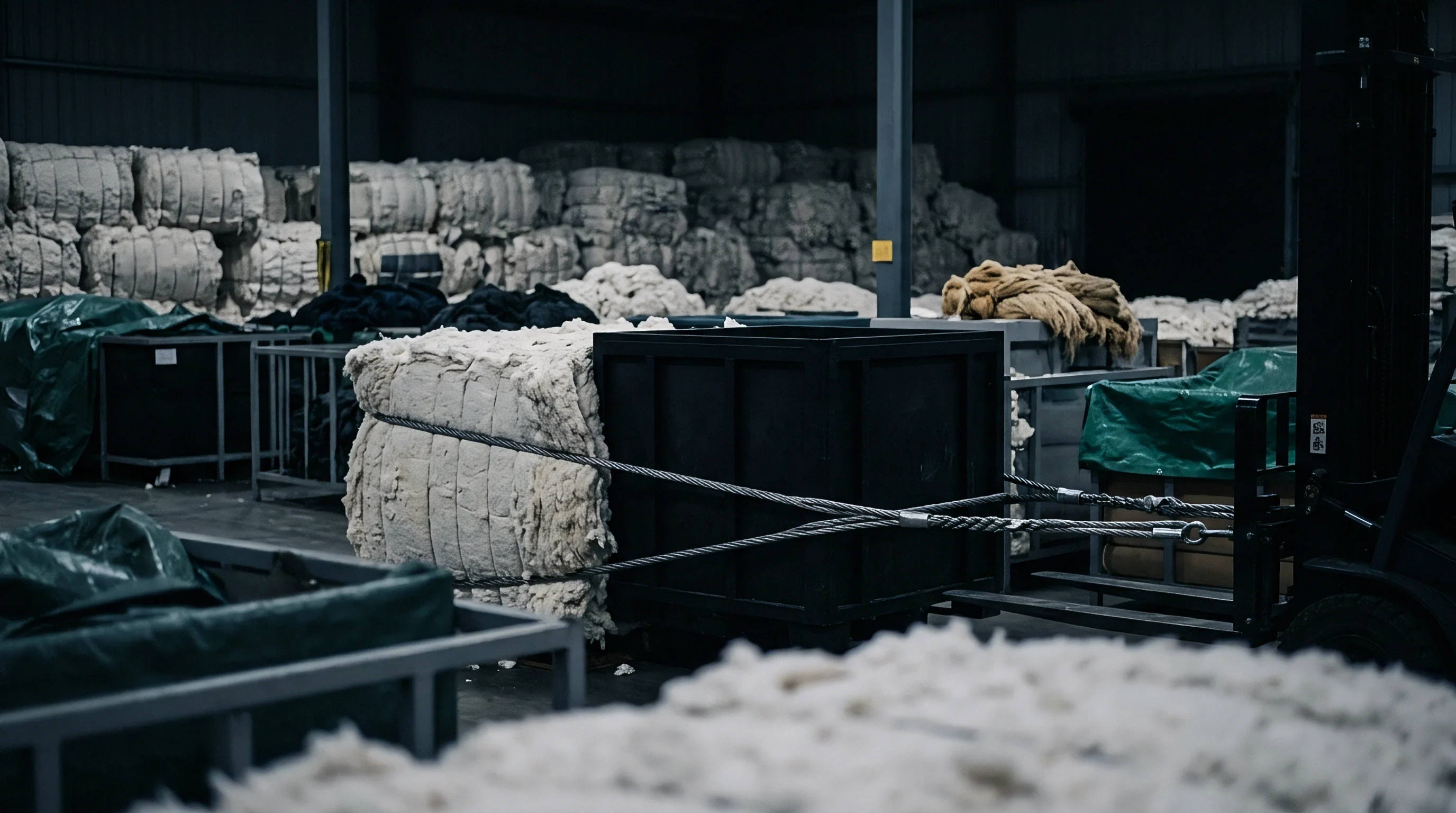
High Volume Instrument Video Imaging
A pneumatic piston compresses two hundred grams of raw lint against a polished sapphire window. A consistent compressive force of sixty kilopascals flattens the fiber specimen, removing optical depth variations and establishing a uniform focal plane for the imaging system. Dual camera assemblies capture two independent sub-samples from opposite sides of the classing sample, averaging four distinct exposures to generate the final reported values.
Standard High Volume Instrument trash meters operate in compliance with ASTM D5867 standard test methods. Particle detection relies on contrast gradients between the contaminant edge and the background fiber matrix. The sensor classifies particles into predefined size categories ranging from microscopic pepper trash to large foliar debris.
The optical camera cannot peer into the internal mass of the compressed sample; only contaminants touching or lying within fifty microns of the sapphire glass surface register on the camera sensor.
ASTM D5867 mandates that optical trash meters maintain calibration tolerances within plus or minus 0.05 percent area using standard ceramic reference tiles.
| Measurement Parameter | Sensor System | Standard Designation | Measurement Unit | Working Resolution |
|---|---|---|---|---|
| Trash Percent Area | CCD Video Line Scan | ASTM D5867 / ISO 13904 | Percentage surface area | 0.01 percent of viewing field |
| Trash Particle Count | Digital Threshold Array | ASTM D5867 | Integer particle count | Individual particles > 100 μm |
| AFIS Dust Count | Aeromechanical Optical Sensor | ISO 12027 | Particles per gram | Particles |
| AFIS Trash Count | Individual Tuft Photodiode | ISO 12027 | Particles per gram | Particles > 500 μm diameter |
| Seed Coat Nep Count | Dual Optical Scattering Beam | ASTM D5866 | Neps per gram | Hull fragments with fibers attached |
| Calibrations verified using USDA HVI Universal Trash Standards and standard ceramic photographic tiles under controlled atmospheric conditions. | ||||
Trash counts alter downstream yarn tenacity. Optical measurements perform rapidly during automated marketing runs, providing instantaneous data streams for high-speed commercial bale trading.
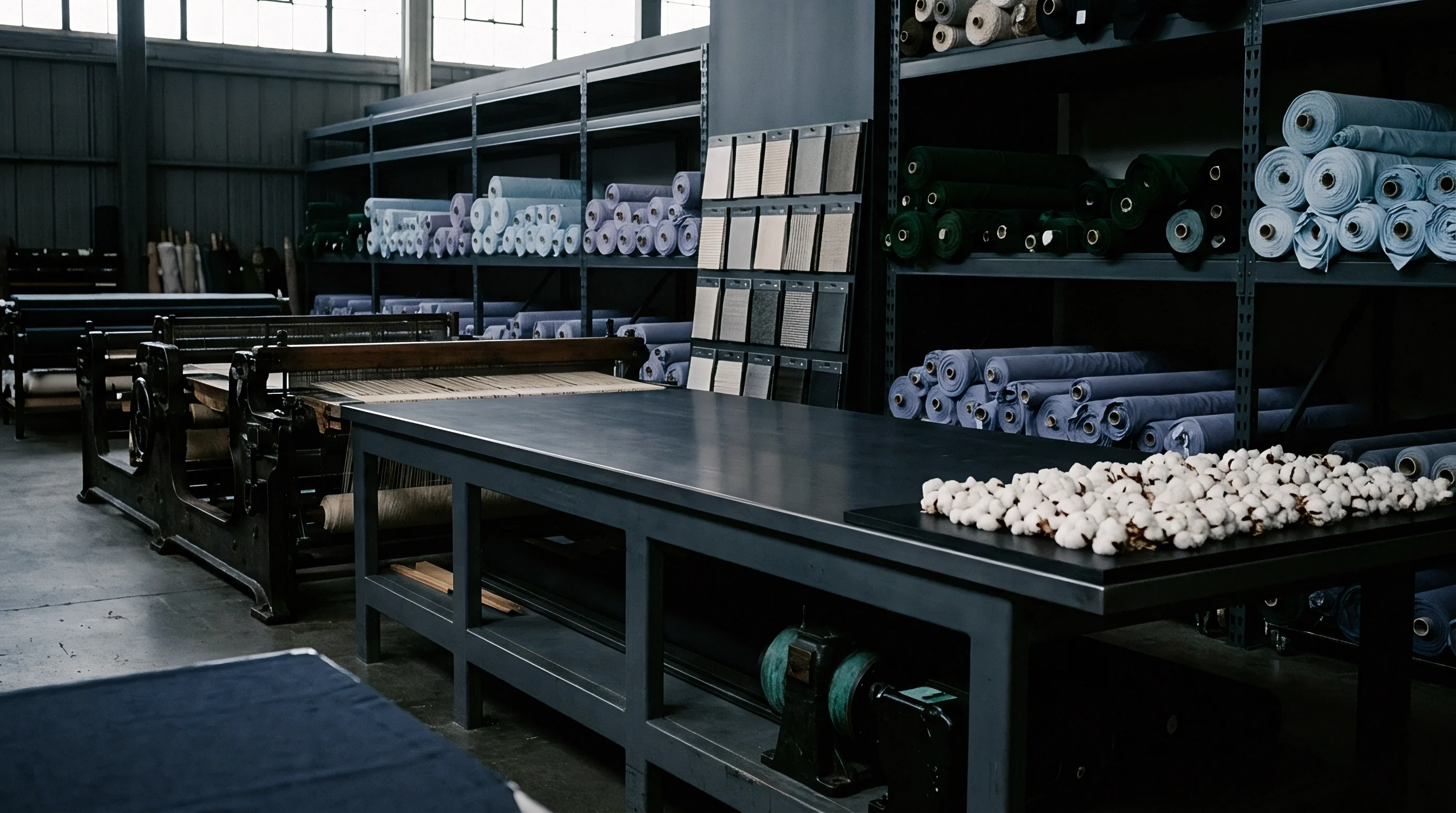
Where Do Color Differences Skew Area Measurements?
Spectral reflectance shifts between yellowed bract and darkened leaf blades create thresholding errors in two-dimensional pixel arrays. When botanical tissues decompose under ambient moisture within compressed harvest modules, their chemical reflectance changes. Fresh green leaves contain chlorophyll compounds that absorb red spectra, creating sharp contrast against white lint.
Weathered leaf matter oxidizes into pale tan structures that reflect light in wavelengths close to yellowness coordinates (+b) of the surrounding fiber matrix. The camera algorithm interprets pale tan bract borders as clean fiber, systematically undercounting the physical area of degraded vegetative contaminants.
Color variations within the cotton lint matrix compound this diagnostic error. Cotton grown in arid climates under late-season rainfall develops grey fungal stains or deep yellow discolorations that depress base reflectance (Rd) values. The optical contrast between the stained background lint and dark botanical contaminants shrinks.
Pixels on the perimeter of genuine leaf particles register intermediate grayscale values that fall above the static threshold limit, artificially reducing the recorded contaminant perimeter.
- Static grayscale thresholds drop low-contrast tan contaminants from the registered area report when background lint exhibits high natural yellow coloration.
- Dynamic gradient algorithms struggle when diffuse gray mold patches on fiber tufts mimic the feathered boundaries of pulverized leaf dust.
- Variable pixel resolution limits the detection of fine pepper trash fragments smaller than one hundred microns, omitting micro-particles that cause yarn dye resist spots.
- Specular reflections off the smooth waxy surfaces of fresh green leaves create bright spots that dissect single large particles into multiple micro-counts.
The vendor reported that optical trash area measurements dropped because the field had dried thoroughly before harvest, omitting that late rains had bleached the broken leaf particles to match the lint color.

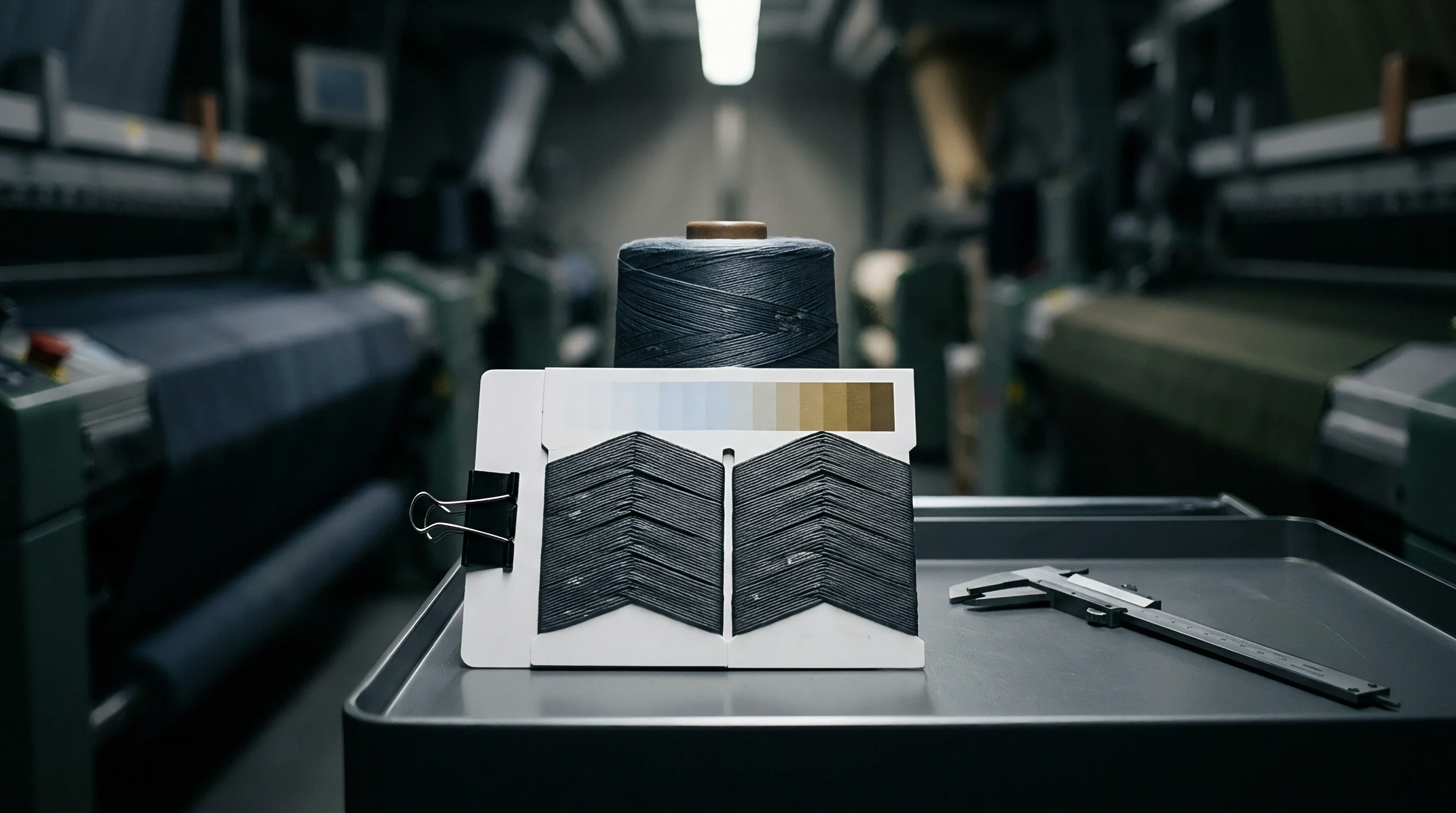
Gravimetry
Aero-mechanical separators rely on mass density differentials between cellulose fibers and rigid botanical contaminants. Optical methods evaluate surface projection without measuring density or internal volume. Mass differs from optical surface area.
Gravimetric separation isolates the physical weight fraction of extraneous matter, providing the primary technical reference for carding and spinning waste prediction. The Shirley Analyzer represents the classical benchmark apparatus for quantitative non-lint mass determination.
Testing proceeds according to ASTM D2812 standard procedures. The operator conditions raw cotton stock inside standard testing atmospheres before weighing an exact test portion of one hundred grams. The test material passes through a controlled feed roller assembly that presents a thin fiber fringe to a high-speed licker-in cylinder covered with hardened metallic teeth.
Shirley analyzers extract pure non-lint mass. The saw teeth comb through the fiber mass, dislodging heavy non-lint particles and casting them downward through mechanical inertia.

Shirley Analyzer Mechanical Extraction
Air currents carry loose lint past a delivery cylinder while heavier vegetative debris drops into a collection tray. As the revolving licker-in cylinder accelerates lint tufts to peripheral speeds exceeding fifteen meters per second, an aerodynamically balanced boundary air stream guides the low-density cotton fibers toward a perforated cage condenser. Heavy botanical particles, including seed coats, woody stems, and dense leaf clusters, possess excessive momentum to navigate the curved trajectory.
These dense particles fly tangentially off the cylinder teeth, striking adjustable knife edges that separate them into an isolated settling chamber.
The separation process divides the gross sample mass into three distinct output fractions: clean lint content, visible foreign matter mass, and invisible air-exhaust loss consisting of microscopic dust and evaporated volatile moisture. The test operator repeats the mechanical cycle by passing the collected clean lint through the Shirley Analyzer a second time, stripping residual pinned contaminants to establish complete extraction. Shirley analyzers isolate total non-lint fraction.
ASTM D2812 specifies that two successive Shirley analyzer passes on a one-hundred-gram raw cotton sample must show an invisible loss variance under 0.35 grams to validate the run.
Leaf particles shatter during aggressive opening. The mechanical action of the licker-in cylinder exerts aggressive shear forces that fragment delicate seed coats, slightly inflating the non-lint mass fraction by including fractured hull bits that would otherwise remain bound to staple fibers during mild commercial processing.

Non-Lint Content Mass Balances
Laboratory technicians measure tare weights across analytical balances calibrated to three decimal places. The isolated visible trash fraction and the lint output are weighed immediately following the extraction cycle to prevent moisture absorption errors. The technician calculates the non-lint content as a gravimetric percentage of the initial conditioned raw cotton weight.
Discrepancies between optical area percentages and gravimetric mass fractions stem directly from contaminant density variations. High Volume Instrument video scans measure two-dimensional surface shadows, while the Shirley Analyzer measures three-dimensional physical mass. A large, tissue-thin bract leaf particle creates a massive shadow on the optical window, yielding an elevated trash area percentage despite contributing negligible weight to the gravimetric balance.
A dense, compact seed coat fragment presents a minute optical footprint, yet contributes substantial gravimetric weight.
| USDA Leaf Grade | HVI Trash Area Mean Percent | HVI Particle Count Mean | Shirley Analyzer Non-Lint Percent | Blowroom Cleaning Waste Mass Percent |
|---|---|---|---|---|
| Leaf Grade 1 (Good Middling) | 0.12 | 12 | 1.20 to 1.80 | 2.10 |
| Leaf Grade 2 (Strict Middling) | 0.20 | 18 | 1.60 to 2.40 | 2.80 |
| Leaf Grade 3 (Middling) | 0.33 | 28 | 2.20 to 3.20 | 3.60 |
| Leaf Grade 4 (Strict Low Middling) | 0.52 | 42 | 3.10 to 4.30 | 4.70 |
| Leaf Grade 5 (Low Middling) | 0.74 | 58 | 4.20 to 5.60 | 6.10 |
| Leaf Grade 6 (Strict Good Ordinary) | 1.02 | 76 | 5.40 to 7.10 | 7.80 |
| Leaf Grade 7 (Good Ordinary) | 1.45 | 98 | 6.80 to 9.20 | 9.90 |
Cleaning rolls crush dry hulls. Moisture softens botanical cell walls.
When mass calculations must guide commercial blowroom machinery settings, the gravimetric yield balances out the misleading surface illusions of optical cameras.


Discount
Commercial transactions settle base purchase agreements against formal physical grading reports issued by authorized classification facilities. The market value of raw cotton lint balances upon the grade sheet, where fiber length, strength, micronaire, and extraneous botanical matter dictate final invoice tallies. Leaf grades govern cotton invoice settlements.
Commercial trading operations rely on standardized Leaf Grade scales established by the United States Department of Agriculture, ranging from Leaf Grade 1 through Leaf Grade 7. Bales exhibiting excessive extraneous vegetative matter incur immediate monetary penalties deducted from the contract basis price.
Consider a practical commercial settlement calculation for a standard forty-metric-ton raw cotton procurement contract representing approximately one hundred seventy-six standard export bales. The base contract specifies Strict Middling grade, staple length 36 (1-1/8 inch), micronaire 3.8 to 4.6, with Leaf Grade 2 at a basis price of 86.50 US cents per pound gross weight. The delivery arrives with an official classification report showing that eighty bales grade at Leaf Grade 4, while the remaining ninety-six bales carry an extraneous matter notation of Bark Level 1 alongside Leaf Grade 3.
The pricing engine applies established merchant settlement tables to determine the total financial penalty. Standard commercial schedules establish a deduction of 1.75 cents per pound for dropping from Leaf Grade 2 to Leaf Grade 4. The bark callout introduces an independent extraneous matter penalty of 3.25 cents per pound on the affected ninety-six bales, alongside a 0.85 cent deduction for the Leaf Grade 3 classification.
The combined value loss reflects both direct invoice price reductions and anticipated mill yield losses during opening and carding sequences.
The eighty bales at Leaf Grade 4 incur a total discount calculated across forty thousand pounds: forty thousand multiplied by 0.0175 dollars yields a deduction of 700.00 dollars. The ninety-six bark-contaminated bales encompass forty-eight thousand pounds: forty-eight thousand multiplied by the combined discount of 0.0410 dollars generates a financial reduction of 1,968.00 dollars. The buyer deducts a total of 2,668.00 dollars directly from the commercial invoice before clearing shipping documents through trade finance channels.

Leaf Grade Premium and Penalty Scales
Standard USDA classification schedules benchmark leaf values against official physical standard boxes. Classers downgrade bales carrying visible bark. Human classers observe lint surfaces under standardized color-matching lighting lamps that deliver a correlated color temperature of 7500 Kelvin.
When visual observation reveals plant particles exceeding the physical grade boundary, the classer lowers the assigned leaf number. Visual classing integrates particle distribution, surface clumpiness, and contrast intensity across the opened sample faces.
Extraneous matter designations function as commercial penalty multipliers that override base leaf numbers. When an inspector identifies abnormal concentrations of bark, grass, or spindle twist, the lot receives an Extraneous Matter Code. Level 1 indicates moderate contamination that will degrade carding performance; Level 2 represents severe contamination that forces the spinning mill to alter blowroom beaters and reduce card production rates by ten to twenty percent.
Classing offices assign these codes based on physical inspection, triggering non-negotiable contract deductions.

Arbitration Clauses for Extraneous Matter
International Cotton Association rules prescribe distinct appeal windows for lots contaminated with abnormal vegetative substances. Spinning operations discovering excessive bark or grass during bale laydown must halt processing immediately to preserve evidence. ICA Bylaws state that claims regarding extraneous matter must be declared within twenty-one days of landing at the port of destination, or within forty-two days of warehouse delivery.
The buyer must segregate the rejected bales with intact bands and original warehouse lot tags.
Bales displaying unclassifiable botanical contaminants incur full commercial rejection under standard international arbitration contracts.
Contamination arbitration requires independent resampling overseen by sworn controllers. Two fresh samples of five hundred grams each are drawn from opposite sides of the disputed bales, packaged in airtight moisture-proof envelopes, and dispatched to a recognized arbitral laboratory for definitive gravimetric and optical evaluation. The laboratory determination of non-lint content and extraneous matter categorization supersedes the initial gin point classification, establishing the binding financial resolution for the trading partners.
Under International Cotton Association Rule 227, the buyer retains the right to reject any bale carrying Level 2 extraneous bark contamination, which forces the seller to replace the rejected volume with conforming growth or pay cash compensation based on the prevailing spot market replacement cost.