Determination of Extractable Matter in Synthetic Filament Yarns
Solvent extraction isolates surface lubricants and processing oils from synthetic filament yarns to verify commercial billing weight and prevent dyehouse defects.

Extraction
A laboratory report returns zero point eight four percent non-volatile residue by weight on a forty-denier drawn textured nylon 6.6 delivery. That single decimal dictates whether a four-hundred-thousand-dollar synthetic yarn parcel clears incoming inspection or stalls in commercial arbitration. Extrusion plants coat synthetic filaments with oil-in-water emulsions immediately after molten polymer emerges from spinneret orifices.
These chemical preparations impart lubricity, suppress electrostatic charging, and provide filament cohesion during draw-texturing and package winding. When a buyer receives continuous filament yarn, that chemical package constitutes a measurable fraction of billed mass.
Analytical determination isolates surface-applied finishes and internal solvent-soluble polymers from the parent synthetic filament. Unwashed spin finishes lower boundary friction. Without that chemical boundary layer, continuous filament yarns disintegrate across ceramic eyelets under commercial knitting tensions.
Secondary coning oils applied during winding add further non-aqueous mass. The laboratory washes the yarn sample with an organic solvent, distills the resulting leachate, and weighs the non-volatile residue. The ratio of residue mass to initial clean dry yarn mass defines the extractable content.
Under ASTM D2257, petroleum-ether residues exceeding one percent trigger immediate batch rejection on wet-processing contracts.
Solvent choice dictates gravimetric yield. Standard test specifications designate selective boiling points and chemical affinities to prevent dissolution of the synthetic polymer substrate while stripping surface-applied chemistry. Standard testing methods across ASTM D2257, ISO 1833-1, and BISFA guidelines specify distinct extraction chemistries that generate divergent analytical outcomes on identical yarn bobbins.

Topical Preparations and Continuous Strands
Extrusion plants apply liquid formulations to mitigate friction between moving polymer strands and ceramic guides. Primary spin finishes contain mineral oils, ester lubricants, polyoxyethylene surfactants, and antistatic quaternary ammonium salts. Texturing plants apply secondary coning lubricants composed of low-viscosity white mineral oils and ethoxylated fatty alcohols to assist downstream knitting or weaving operations.
Surface lubricants evaporate during high-temperature tenter drying. The non-volatile portion remains bound to the filament surface until scouring.
Residual surface preparations induce severe processing defects in downstream operations when concentration drifts outside tight specification windows:
- Excessive coning oil accumulation generates rapid buildup on knitting needles, promoting yarn snagging, drop stitches, and unlevel disperse dye uptake across seamless apparel goods.
- Deficient boundary lubrication causes yarn filaments to abrade against guide surfaces, producing filament breakage, persistent static charges, and loose filament bundles during warping.
- Volatile surfactant condensation creates toxic smoking in high-temperature heat-setting frames, contaminating tenter stenter chambers and creating oil spotting on finished cloth.
- Uneven emulsifier washability blocks level dyestuff penetration during package dyeing operations, generating horizontal barré banding across finished circular knit substrates.

Standardized Extraction Regimes across Testing Bodies
National and international standards organizations diverge in their designation of primary extraction solvents. ASTM D2257 designates petroleum ether or technical grade hexane for general textile finish isolation. International BISFA rules for polyester, polyamide, and polypropylene filament yarns specify petroleum ether boiling between forty and sixty degrees Celsius or analytical-grade diethyl ether.
Petroleum ether leaves polar surfactants. Hydrocarbon solvents dissolve non-polar hydrocarbon oils while leaving polar antistatic agents partially bonded to synthetic polymer chains.
Ethanol or methanol stripping dissolves polar surfactants alongside residual low-weight polymer fractions. Selecting an aggressive solvent yields inflated extractable figures that penalize the yarn manufacturer for polymer matrix constituents rather than topical processing lubricants. Controlled laboratory conditions isolate distinct chemical components based on solvent polarity, boiling range, and reflux duration.
| Extraction Solvent | Boiling Point | Targeted Surface Finish | Polymer Matrix Interference | Standard Designation |
|---|---|---|---|---|
| Petroleum Ether | 40 to 60 °C | Mineral oils, non-polar esters | Negligible on PET, PA, and PP | ASTM D2257, BISFA |
| Hexane (n-Hexane) | 68 to 69 °C | Paraffinic lubricants, coning oils | Negligible extraction on polyesters | ISO 1833-1 |
| Diethyl Ether | 34 to 35 °C | Fatty acid esters, wax dispersions | Minor monomer leaching in PA6 | BISFA PA Rules |
| Dichloromethane | 39 to 40 °C | Total finish, silicones, fluorochemicals | High cyclic oligomer extraction in PET | DIN 54278 |
| Methanol | 64 to 65 °C | Polar surfactants, antistatic salts | Extracts caprolactam from PA6 | Internal Quality Control |
When an import laboratory selects dichloromethane instead of petroleum ether on textured polyester, the analytical outcome measures both surface oil and internal oligomers. The dyehouse calculates chemical recipe dosages based on flawed assumptions, producing oil spotting and patchy disperse dye coverage across thousands of finished linear metres.


Bobbin
Sampling precision governs the commercial legitimacy of any extraction test report. Continuous synthetic filament wounds onto cylindrical or conical tubes under varying winding tensions. A fresh yarn package displays non-uniform chemical distribution from its outermost protective layer down to its internal cardboard core.
Secondary finishes migrate during storage. Ambient thermal cycles accelerate liquid movement across the yarn package geometry.
Textile mills store yarn packages on wooden pallets inside unconditioned warehouse spaces where ambient temperatures fluctuate by twenty degrees Celsius across seasonal shipping cycles. Gravity and capillary forces draw mobile mineral oils downward toward the package base. The exposed yarn surface on the package exterior experiences continuous air currents that volatilize light hydrocarbon fractions over prolonged ocean transit.
Outer package layers lose volatile processing lubricants under heated ocean transit.
Surface tension drops with evaporation. A laboratory technician testing only the outermost ten metres of yarn extracts an artificially depleted lubricant percentage. Stripping the innermost yarn adjacent to the tube yields artificially elevated values where migrated finishing oils gather against the impermeable paper core.
Package Stratification and Liquid Migration
Radial pressure gradients across a wound filament package force liquid finishes inward along filament capillaries. The internal winding layers of a textured filament package sustain compressive forces reaching several bars. Under high compressive stress, the dynamic viscosity of surface lubricants drops, inducing migration toward zones of lower packing density.
Core yarns retain excess coning lubricant. When sampling ignores package geometry, analytical variance between duplicate skeins from the same production lot frequently spans zero point four percentage points. That spread exceeds the entire allowable tolerance window agreed in technical purchase contracts.
Composite Specimen Preparation across Filament Packages
Representative laboratory evaluation demands an ordered protocol that strips outer waste layers and gathers yarn across distinct radial zones. Technicians follow a disciplined physical sampling sequence:
- Discard the outermost one hundred metres of filament from each package to eliminate contaminated yarn and partially volatilized surface layers.
- Wind equal lengths of filament from the top, middle, and base regions of the bobbin shoulder to counterbalance gravitational oil migration effects.
- Strip twenty percent of the package mass using a high-speed lab winder to expose the intermediate body layers for secondary specimen collection.
- Reel continuous skeins from the intermediate layer onto a calibrated wrap reel under controlled yarn tension of zero point five centinewtons per tex.
- Strip the yarn package down to the final five percent layer adjacent to the mounting tube to sample core lubricant concentration.
- Blend the skeins harvested from outer, intermediate, and core layers into a single ten-gram composite specimen for analytical drying and extraction.
Technicians weigh the resulting composite specimen on an analytical balance reading to four decimal places. When suppliers confront analytical rejections based on surface-only samples, they routinely dismiss the laboratory findings by stating that local warehouse heat simply drove normal surface oils inward without altering total billed yarn mass.

Gravimetry
Analytical quantification relies on continuous solvent washing followed by mass differential measurement. A classic Soxhlet apparatus cycles hot solvent vapor through an extraction thimble packed with yarn, siphoning dissolved matter into a lower distillation receiver. Solvent choice dictates gravimetric yield.
The technician dries the yarn before extraction to eliminate water, subjects the dry sample to repeated solvent siphonings, and calculates the weight loss of the yarn or the residue weight in the tared receiver flask.
Direct yarn mass loss measurement introduces systematic errors if the solvent strips trace moisture or volatile polymer additives during extraction. Quantitative determination measures the dried residue left in the receiver flask after complete solvent evaporation. Soxhlet cycles demand steady siphoning.
Temperature control prevents localized overheating of thermolabile surfactants and boiling-point drift of mixed hydrocarbon solvents.
Sixteen Soxhlet siphon cycles in dichloromethane draw zero point four five percent oligomeric solids from technical polyester.
Desiccator vacuum prevents reabsorption of water. Synthetic filament samples absorb atmospheric humidity within seconds of leaving a drying oven. A specimen weighed in open room conditions gains mass during the balance stabilization period, distorting calculation precision.
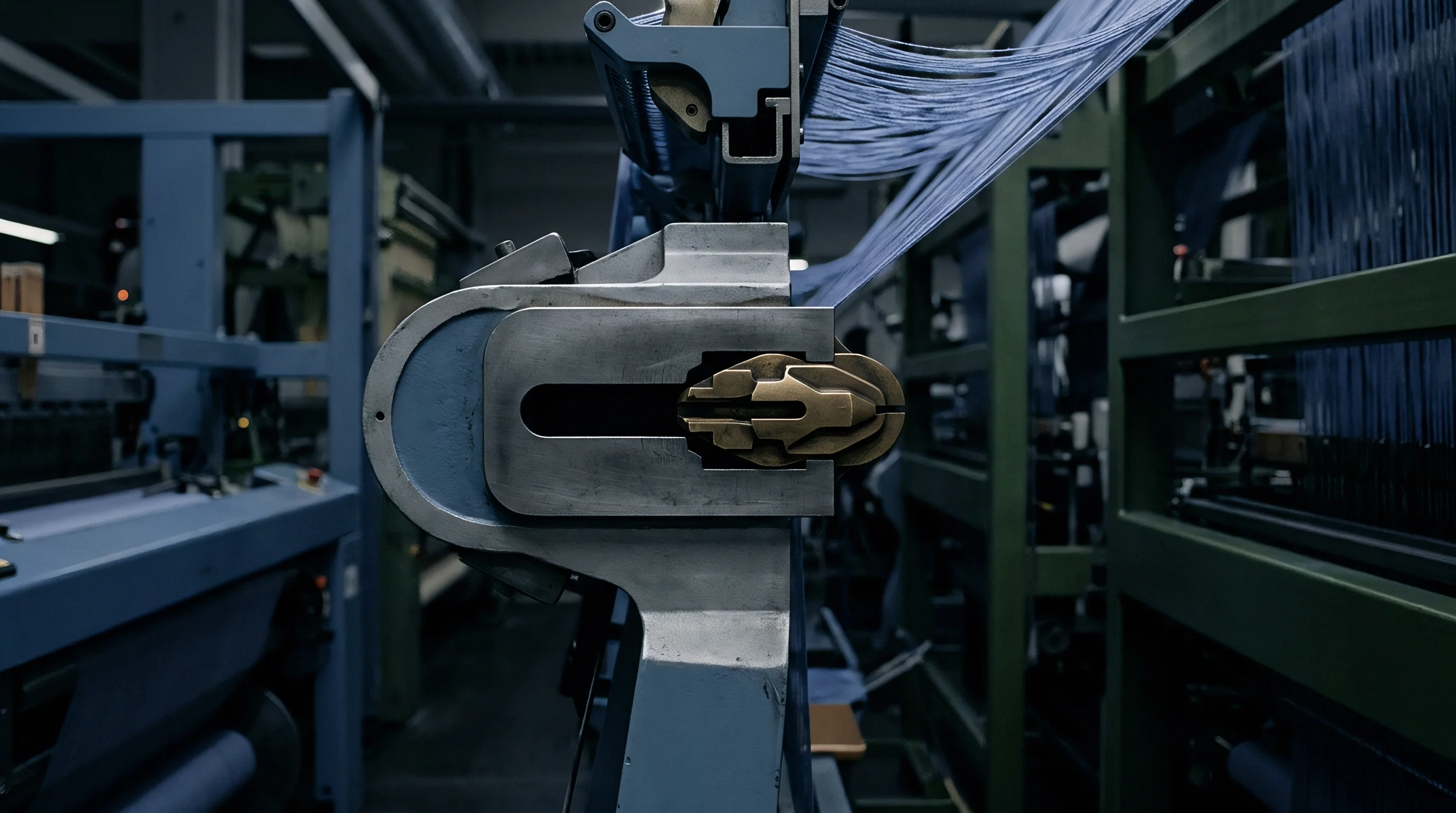
Soxhlet Mechanics and Temperature Controls
The extraction thimble sits in an insulated Soxhlet chamber positioned above a round-bottom boiling flask heated by an electric mantle. Solvent vapors travel up an auxiliary vapor arm, condense against an allihn or dimroth water condenser, and drip onto the yarn sample. When the liquid level surpasses the high point of the siphon tube, hydrostatic pressure empties the chamber, returning dissolved extractables to the lower boiling flask.
Reflux speed dictates extraction completeness. Modern automated extraction units accelerate this procedure by submerging the filament sample directly into boiling solvent before raising it into the rinse and vapor phases. Direct immersion shortens washing cycles from four hours down to forty minutes while maintaining solvent contact efficiency.
| Filament Substrate | Test Protocol | Solvent System | Extraction Duration | Gravimetric Yield | Reproducibility Limit |
|---|---|---|---|---|---|
| Polyester (PET) DTY 167 dtex | ASTM D2257 | Petroleum Ether | 20 Siphon Cycles | 0.82 % | ± 0.08 % |
| Polyester (PET) DTY 167 dtex | DIN 54278 | Dichloromethane | 20 Siphon Cycles | 1.38 % | ± 0.12 % |
| Polyamide 6 (PA6) FDY 78 dtex | ISO 1833-1 | Hexane | 16 Siphon Cycles | 0.64 % | ± 0.06 % |
| Polyamide 6 (PA6) FDY 78 dtex | BISFA PA Rules | Methanol | 16 Siphon Cycles | 1.85 % | ± 0.15 % |
| Polypropylene (PP) BCF 1300 dtex | ASTM D2257 | Petroleum Ether | 24 Siphon Cycles | 0.45 % | ± 0.05 % |
| Polypropylene (PP) BCF 1300 dtex | ISO 1833-1 | Diethyl Ether | 24 Siphon Cycles | 0.48 % | ± 0.05 % |
| Testing conducted on dried filament samples at 105 °C; residue dried at 105 °C to constant mass under desiccated nitrogen flow. | |||||

Volatile Loss and Thermal Degradation
Drying ovens volatilize antistatic agents. Traditional laboratory methods dry the residue flask at one hundred and five degrees Celsius to eliminate trace solvent. At this temperature, volatile finish components such as lower-chain polyalkylene glycols, short-chain paraffin hydrocarbons, and trace fragrance compounds vaporize into the oven atmosphere.
Underestimating residue weight through thermal volatilization conceals excessive surface application. Operating the drying process under vacuum at forty degrees Celsius preserves volatile lubricant components, preventing unrecorded loss. The contract document specifies drying temperatures and pressure limits to prevent analytical divergence between testing facilities.
Commercial contracts referencing BISFA Rule Section 5.3 establish that extractable matter testing must proceed exclusively via petroleum ether extraction with residue drying capped at sixty degrees Celsius under vacuum, eliminating unverified claims of finish volatilization during disputed delivery settlement.
Matrix
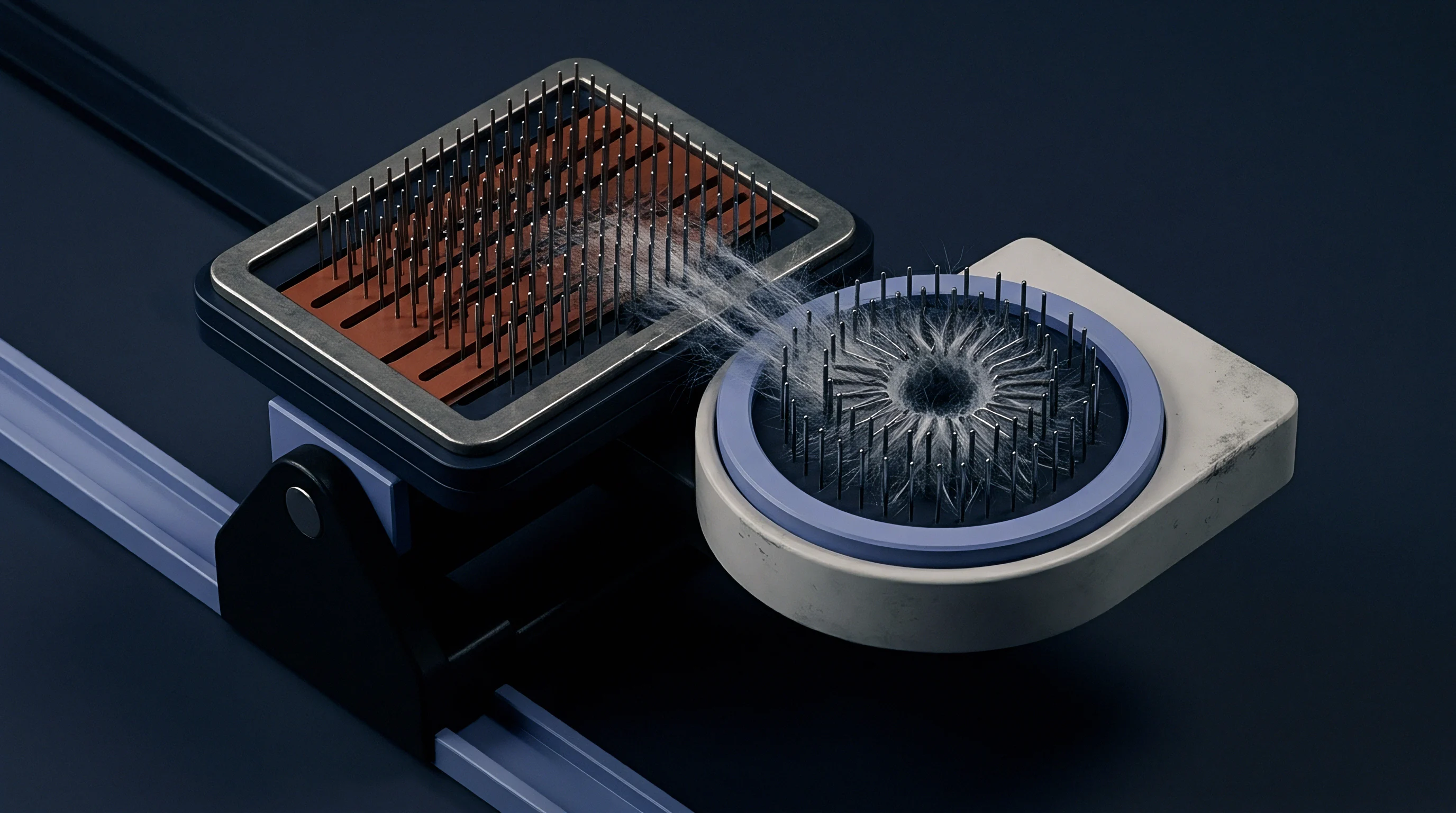
Synthetic filaments consist of high molecular weight polymer chains interwoven with low molecular weight fractions, processing aids, and synthesis residuals. Solvent extraction does not differentiate between an external lubricant applied by a roller and an internal monomer leaching from the polymer core. The analytical result bundles topical finish formulations and internal polymer extracts into a single weight percentage.
Polyethylene terephthalate production leaves one to two percent cyclic oligomers in the extruded filament. Cyclic trimers represent the largest fraction of these low molecular weight species. Polyamide trimers melt above three hundred.
In parallel polymer processing sectors, such as automotive coolant circulation molding, cyclic oligomers precipitate inside narrow radiator bypass channels, mirroring the exact crystalline clogging seen in high-pressure textile dye packages.

Why Do Low Molecular Weight Oligomers Dissolve?
Solvents possessing strong polarity or aggressive dipole moments penetrate the amorphous regions of synthetic filament yarns. Chlorinated hydrocarbons swell polyester filaments, loosening inter-chain van der Waals attractions and dissolving trapped cyclic trimers. Boiling water extracts nylon oligomers.
Dichloromethane extraction on polyester returns extractable values between one point two and two percent, whereas hexane on identical yarn yields zero point six to zero point nine percent. The surplus fraction extracted by dichloromethane consists entirely of crystalline cyclic trimers. In polyamide 6 filaments, warm alcohols and water extract unreacted caprolactam monomer alongside oligomeric cyclics, inflating the extractable value beyond the true surface finish mass.
Dichloromethane versus Hydrocarbon Selectivity
Selecting the extraction chemistry requires matching the solvent to the analytical objective. Quality managers distinguishing topical lubricants from structural polymer constituents apply explicit solvent selection rules:
- Hydrocarbon solvents isolate non-polar spin finishes, mineral oils, and paraffin wax esters without extracting internal polyester trimers or nylon monomers.
- Chlorinated solvents dissolve all surface-applied chemical agents alongside amorphous-phase oligomers, quantifying total non-fiber substances across synthetic filaments.
- Alcoholic media extract polar quaternary ammonium antistatic additives while stripping unpolymerized caprolactam fractions from polyamide 6 substrates.
- Aqueous extractions isolate water-soluble knitting lubricants and knitting waxes while leaving insoluble silicone oils and heavy synthetic esters bound to the filament.
Analytical laboratories rely on published baseline tolerances to benchmark raw polyester extractable data. For seventy-five-denier polyester yarn, published standards expect zero point eight percent petroleum-ether extractable finish with a stated tolerance of plus or minus zero point fifteen percent. That nominal baseline rests on ten-package composite sampling conducted according to ASTM D2257 guidelines.
Altering sample conditioning from sixty-five percent relative humidity down to zero percent oven dryness shifts baseline mass calculations by zero point four percent.
One figure remains difficult to defend with absolute analytical precision. When analyzing recycled polyester filaments produced from post-consumer bottle flakes, hexane extractions return variable residues ranging between one point one and one point seven percent. The desk cannot fully defend whether this excess residue represents heavy industrial drawing lubricants or residual polyolefin contaminants co-extruded from post-consumer bottle caps.
Under this analytical ambiguity, buyers enforce an empirical ceiling of one point two percent total petroleum-ether extractables, rejecting incoming lots above this threshold regardless of supplier attribution arguments.
A technical ambiguity persists around whether cyclic trimers dissolved during solvent reflux originate strictly from the filament exterior or represent core structural integrity losses forced by excessive chemical penetration.

Invoice
Commercial transactions for continuous filament yarns settle on net commercial mass rather than raw scale weight. When a container vessel offloads forty metric tonnes of textured polyester yarn, the purchaser pays for synthetic polymer, not drums of surface mineral oil or atmospheric water. Extractable matter testing provides the exact deduction factor required to adjust gross scale weight into legally defined commercial mass.
Moisture regain alters dry weight. Synthetic filaments absorb atmospheric water vapor according to ambient temperature and relative humidity. Commercial agreements govern this interaction through ISO 6741 and BISFA trade standards, which establish legal commercial allowances for moisture and finish content.
Excess oil inflates raw poundage.
Purchasers paying gross packaged poundage subsidize the processing lubricants that subsequent dyehouses wash directly into the municipal drain.
If a parcel contains two percent coning oil, the purchaser pays filament yarn prices for cheap industrial lubricants. Downstream, the dyehouse expends expensive surfactants and wastewater treatment surcharges to scour that exact lubricant from the cloth before printing. Commercial allowances correct commercial invoices.
Commercial Allowance Calculations and Weight Reconciliation
Commercial mass calculations start with oven-dry mass following complete extraction of topical finish. The laboratory isolates clean oven-dry yarn by stripping extractable lubricants and driving off all absorbed water in an oven at one hundred and five degrees Celsius until consecutive weighings agree within zero point zero five percent.
The standard commercial mass formula integrates contract allowances for moisture and finish. Commercial mass equals clean oven-dry mass multiplied by one hundred plus the commercial moisture allowance plus the commercial lubricant allowance, divided by one hundred. If a delivered yarn bobbin carries a finish percentage above the specified commercial allowance, the excess mass deducts directly from the payable shipment mass.
Financial Exposure on Bulk Filament Shipments
The financial impact of unmonitored extractable matter escalates rapidly on high-volume synthetic filament orders. Take a twenty-tonne delivery of 167 dtex / 48 filament drawn textured polyester yarn priced at two dollars and twenty cents per gross kilogram. Assume the commercial contract specifies an agreed finish allowance of one point zero percent, with a moisture allowance of zero point four percent according to BISFA rules.
Upon arrival, laboratory testing uncovers an extractable matter level of two point two percent via ASTM D2257 petroleum-ether extraction, alongside zero point four percent moisture. The supplier billed twenty thousand kilograms gross weight, totaling forty-four thousand dollars. The physical filament delivery contains four hundred and forty kilograms of surface oil instead of the contracted two hundred kilograms.
| Shipment Metric | Contract Specification | Laboratory Findings | Variance Impact |
|---|---|---|---|
| Gross Invoiced Mass | 20,000 kg | 20,000 kg | 0 kg |
| Extractable Matter (Finish) | 1.00 % (200 kg) | 2.20 % (440 kg) | + 240 kg Excess Oil |
| Moisture Content | 0.40 % (80 kg) | 0.40 % (80 kg) | 0 kg |
| Clean Dry Polymer Mass | 19,720 kg | 19,480 kg | – 240 kg Pure Fiber |
| Payable Commercial Mass | 19,996 kg | 19,752 kg | – 244 kg Commercial Mass |
| Commercial Value ($2.20/kg) | $43,991.20 | $43,454.40 | $536.80 Direct Invoice Credit |
| Effluent Scouring Surcharge | $0.00 | $312.00 | $312.00 Effluent Penalties |
The direct credit on raw commercial mass reaches five hundred and thirty-six dollars and eighty cents. Downstream wet processing multiplies that financial penalty. Washing out the surplus two hundred and forty kilograms of mineral coning oil consumes tens of thousands of litres of scoured water, demanding specialized surfactants and generating wastewater biological oxygen demand surcharges.
When accounting departments tie invoice authorization to verified laboratory extraction certificates, yarn spinners manage their oil application systems with rigorous discipline.
Clean filament runs smoothly. A yarn shipment containing precisely controlled lubricant percentages weaves cleanly through high-speed guide systems without bleeding cash into the finishing mill sewer.