Ionization Physics
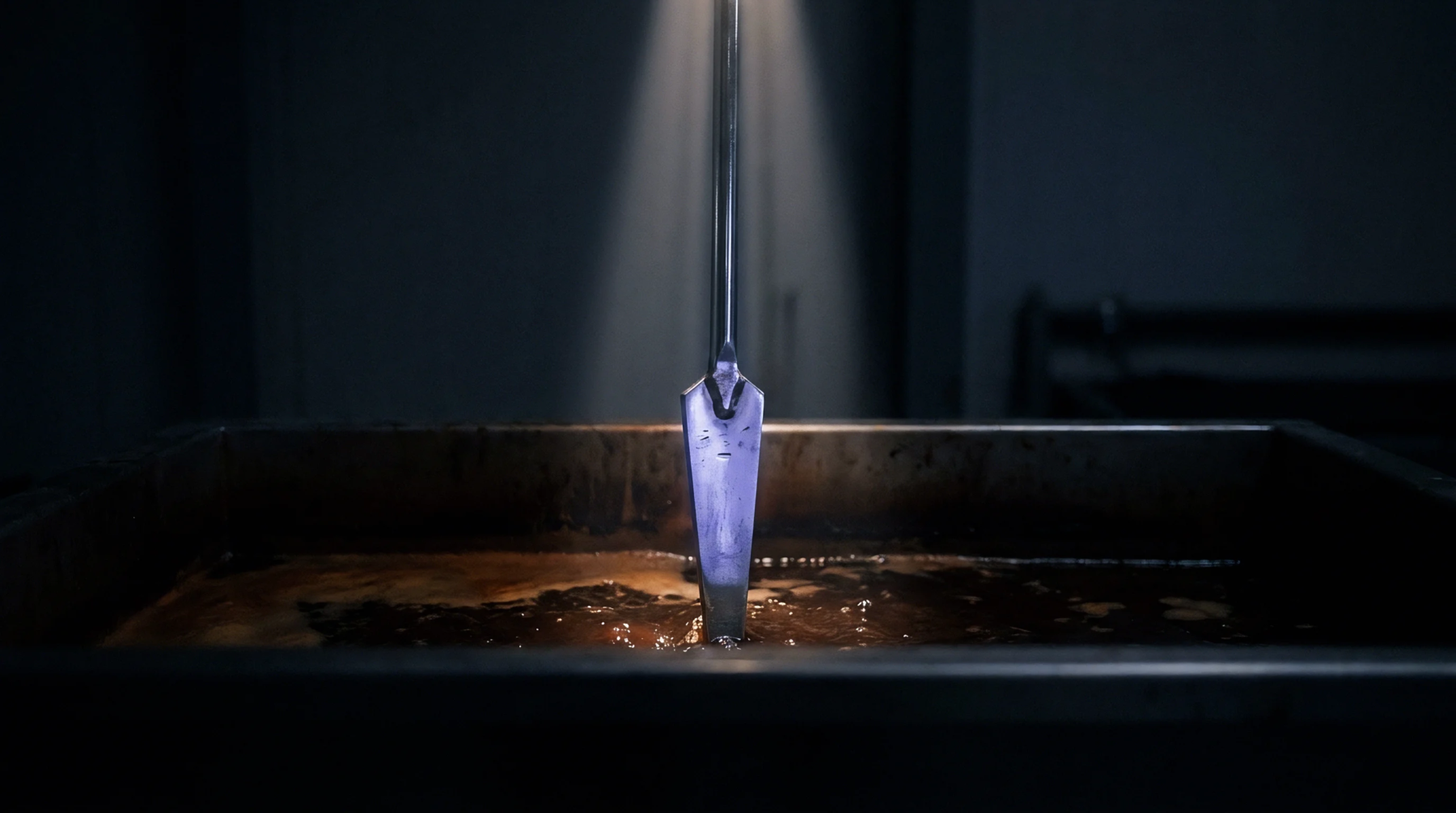
Molecular transfer proceeds through atmospheric pressure ion generation during dye migration analysis. Electrospray ionization applies high voltage to liquid samples emerging from a narrow capillary tip, producing a fine aerosol of charged droplets that shrink via solvent evaporation until gas phase ions release. Liquid chromatography mass spectrometry relies upon this mechanism to fragment synthetic dye residues extracted from polyester filaments.
Field laboratories verify finish persistence by measuring mass to charge ratios across specific retention windows. High molecular weight oligomers demand exact spray chamber temperatures to prevent thermal degradation before droplet fission occurs.
Solvent Dynamics
Fluid polarity dictates droplet surface tension and charge density distribution during aerosol formation. Acetonitrile and water mixtures alter viscosity values, which directly governs Taylor cone stability at the capillary terminus. Flow rates exceeding microliters per minute disrupt Coulombic explosion thresholds, resulting in droplet merging and reduced ion transmission efficiency.
Mass transfer kinetics depend upon volatile acid modifiers that enhance protonation states within the liquid phase. Mobile phase optimization prevents ion suppression effects caused by residual spinning lubricants on yarn surfaces.
Residue Verification
Spectrometric detection identifies residual spin finishes and finishes applied during industrial warp sizing operations. Quadrupole analyzers separate parent ions from fragmentation products generated by collision induced dissociation inside the vacuum manifold. Commercial acceptance limits require exact mass accuracy below parts per million tolerances to confirm surfactant removal after scouring.
Detector response curves establish calibration baselines for quantitative quantification of finishing oil migration. Signal intensity correlates directly with analyte concentration deposited on the moving substrate.
Operational Limits
Ion source fouling occurs when high concentration polymer additives precipitate on sampling orifices during continuous testing runs. Capillary voltage adjustments compensate for matrix interferences introduced by residual dyeing auxiliaries present in effluent streams. Vacuum integrity within the mass analyzer demands rigorous pressure thresholds to maintain mean free path lengths for ionized molecules.
Instrument downtime increases if solvent impurities deposit salt crystals around the nebulizer needle tip. Calibration drift invalidates quantitative comparisons between historical batch records and current production samples.