Friction Reduction
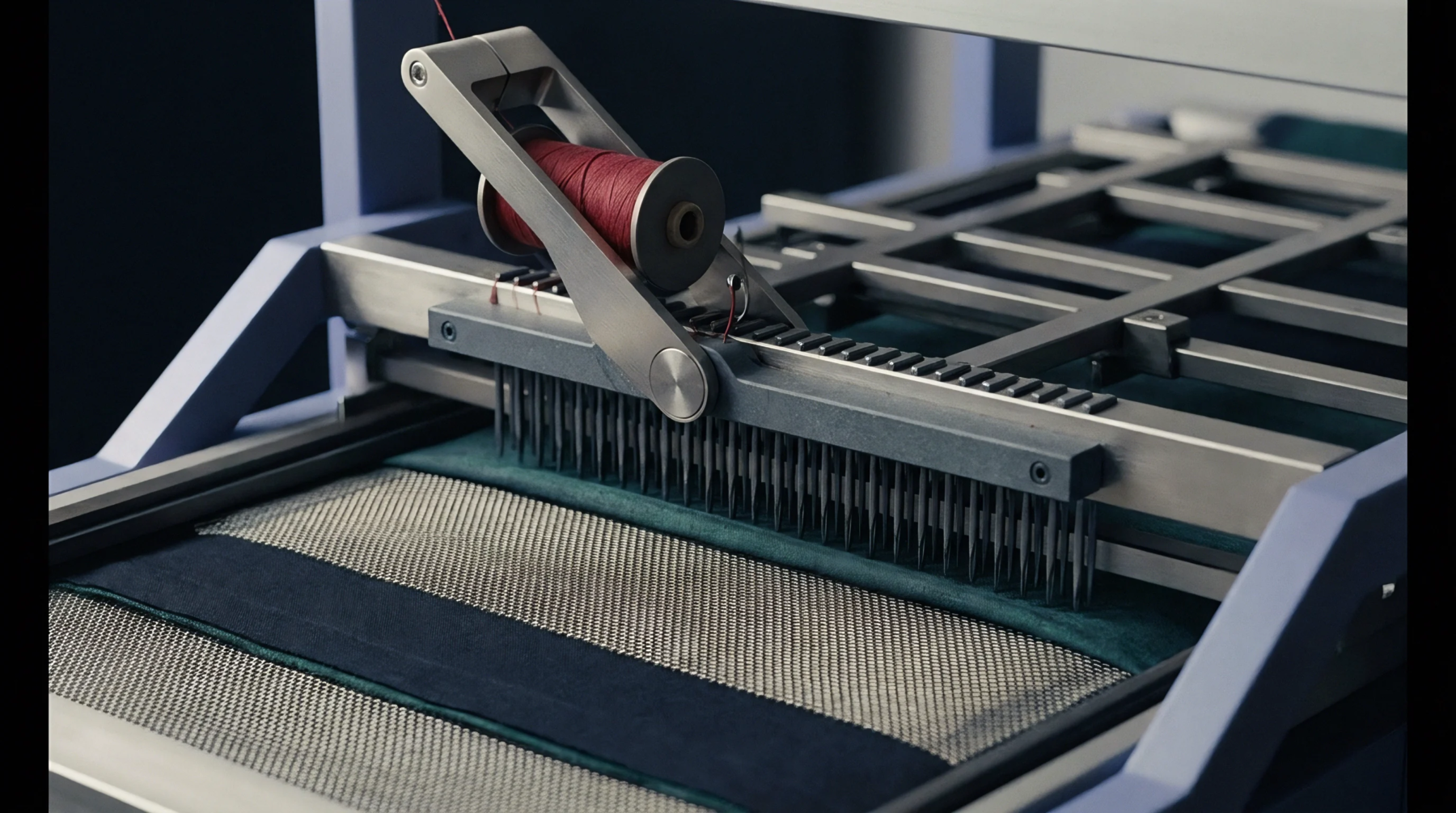
Liquid formulations applied to fibers reduce friction and control static electricity during the mechanical conversion into yarn. Spinning lubricants provide the necessary slip for fibers to pass over metal surfaces and each other without breaking or overheating. These substances typically consist of mineral oils and synthetic esters that are emulsified in water for even application.
Operational Efficiency
High speed drafting and twisting generate heat that can damage delicate filaments if the surfaces are dry. The presence of spinning lubricants ensures that the fiber bundle remains cohesive and manageable as it moves through the rings and travelers. Without these additives, the build up of static would cause the fibers to repel each other and create a fuzzy, weak yarn.
Removal Requirement
Scouring processes in the finishing mill must completely strip these oils before the fabric can be dyed or printed. Residual spinning lubricants interfere with the uptake of dyestuffs and cause patches of uneven color or poor wash fastness. Manufacturers select biodegradable options that are easily emulsified to minimize the environmental impact of the wastewater.
Application Balance
Excess application leads to slippage in the drafting zone and creates thick or thin spots in the yarn. Correct levels of spinning lubricants are necessary for maintaining the efficiency of the spinning frame.