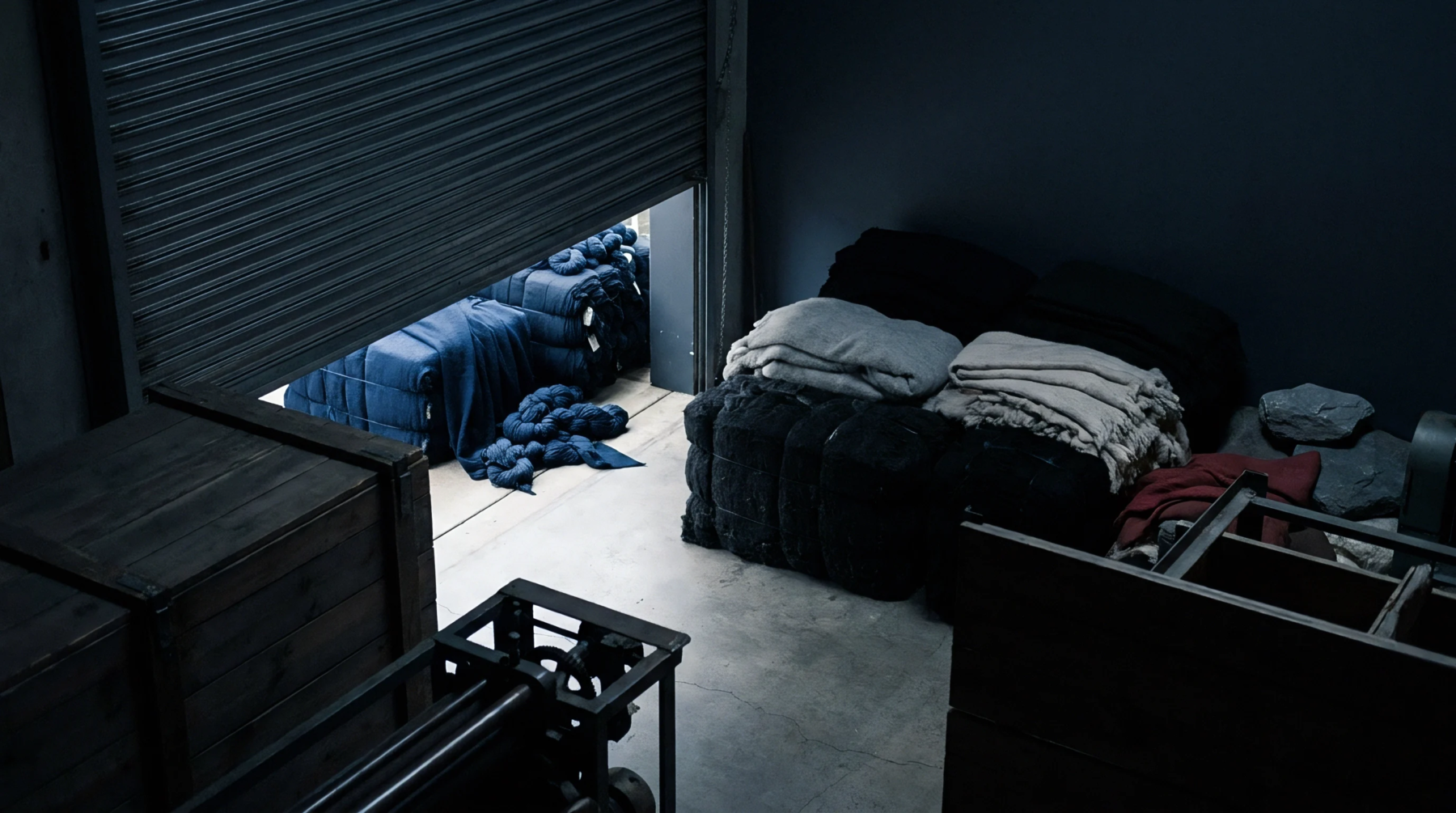
Cellulosic Crosslink Degradation Rates during Commercial Laundering
Commercial laundering degrades cellulosic crosslinks via alkaline saponification and acid sour scission, requiring padded bath solids above eight percent.
Commercial laundering degrades cellulosic crosslinks via alkaline saponification and acid sour scission, requiring padded bath solids above eight percent.
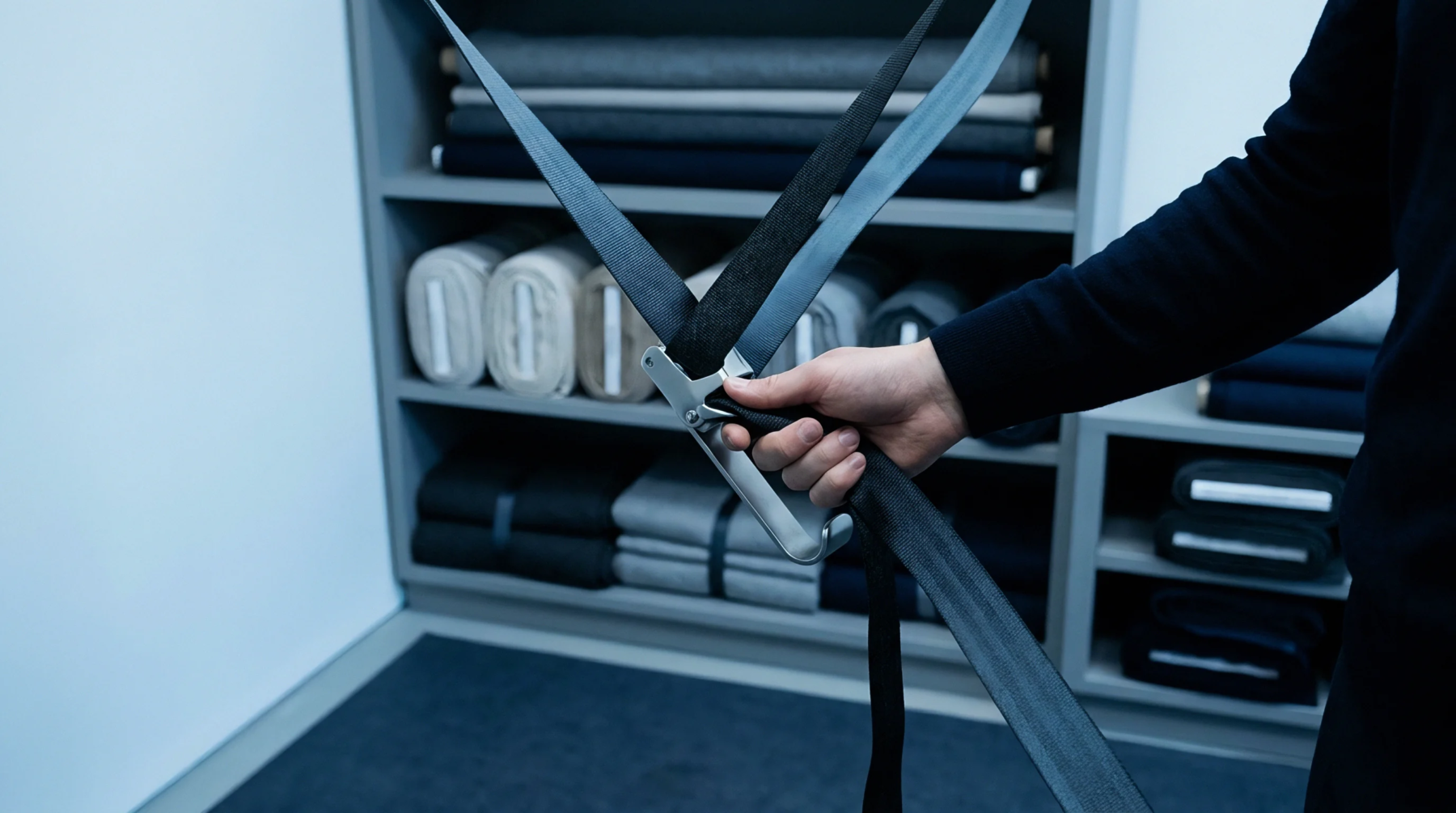
Polycarboxylic ester crosslinking degrades cellulose DP via hydronium-catalyzed glycosidic cleavage; maintaining DP above 800 preserves 65% tensile strength.
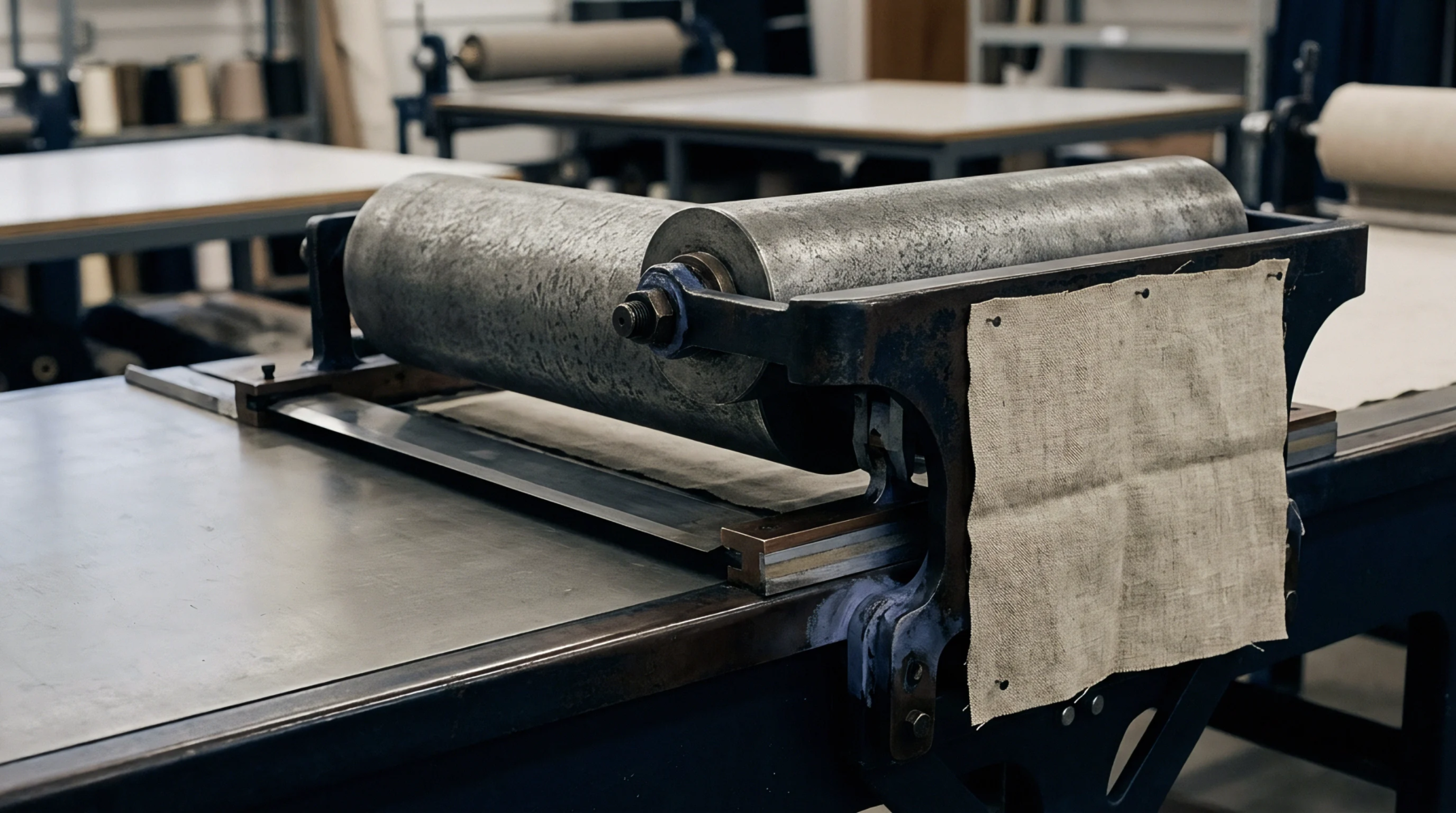
Cellulosic crosslinking trades mechanical tenacity for crease recovery, requiring precise padding pH, catalyst control, and thermal dwell to bound physical loss.
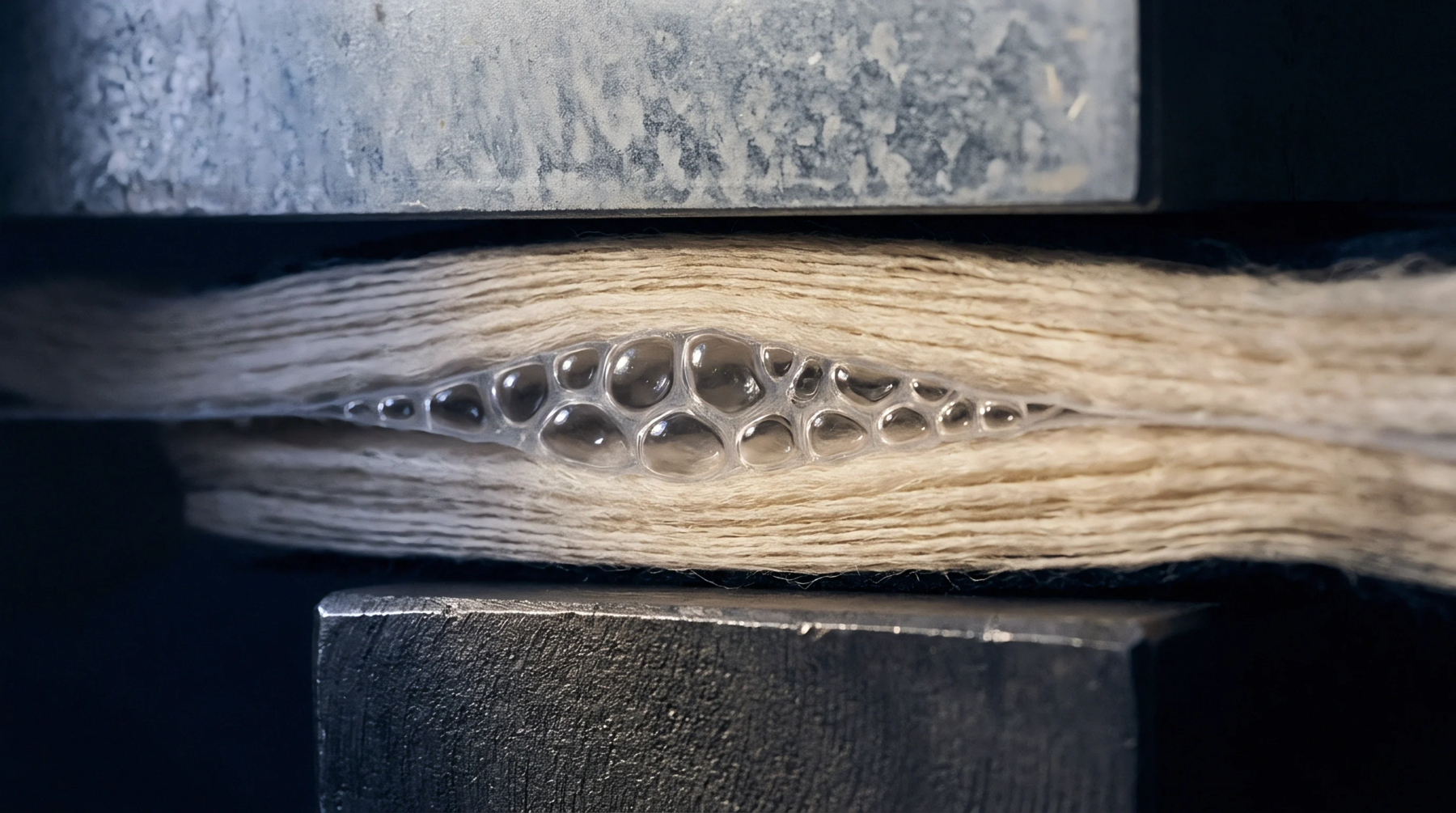
Warp tension during wet mercerization straightens warp yarns, driving crimp into swollen weft picks and dictating twill skew, tear strength, and wash shrinkage.
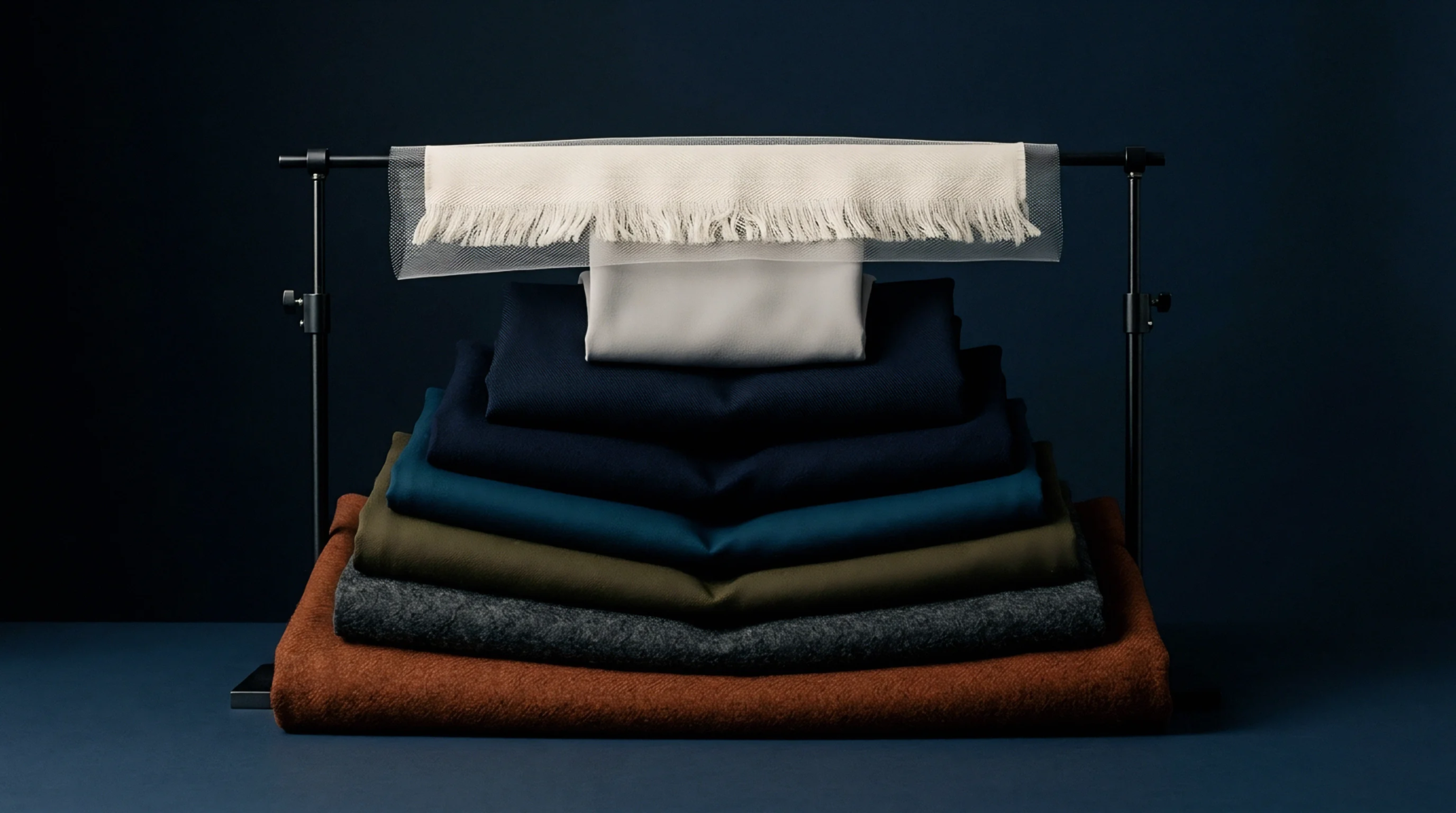
Optimize singeing with 10-12 mbar burner pressure at 100 m/min, followed by an amylase quench and 95°C washing to achieve Tegewa 8+ desizing on cotton twill.
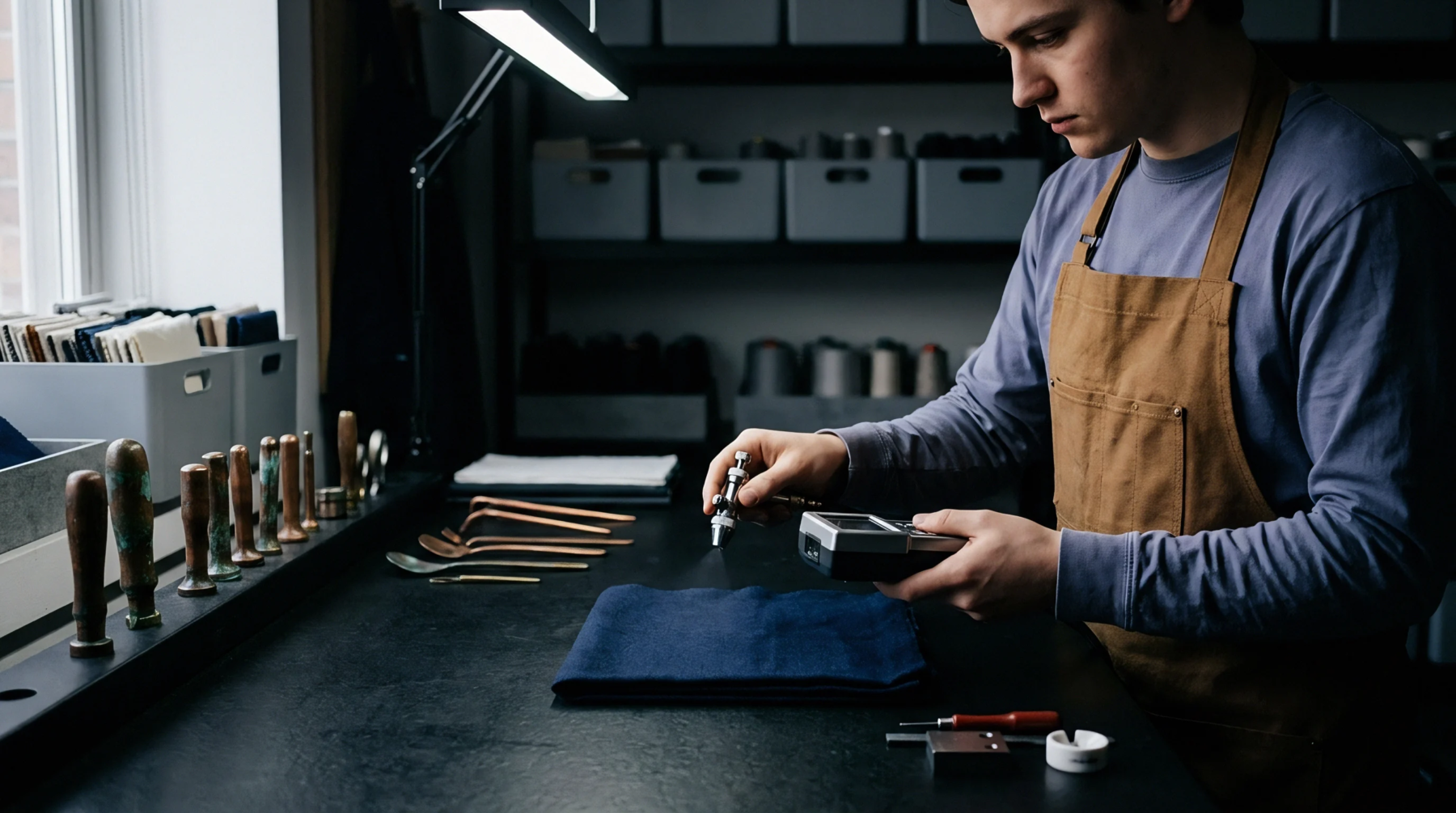
Transatlantic textile claims resolve by applying critical difference calculations to inter-laboratory test variances before declaring commercial non-conformity.
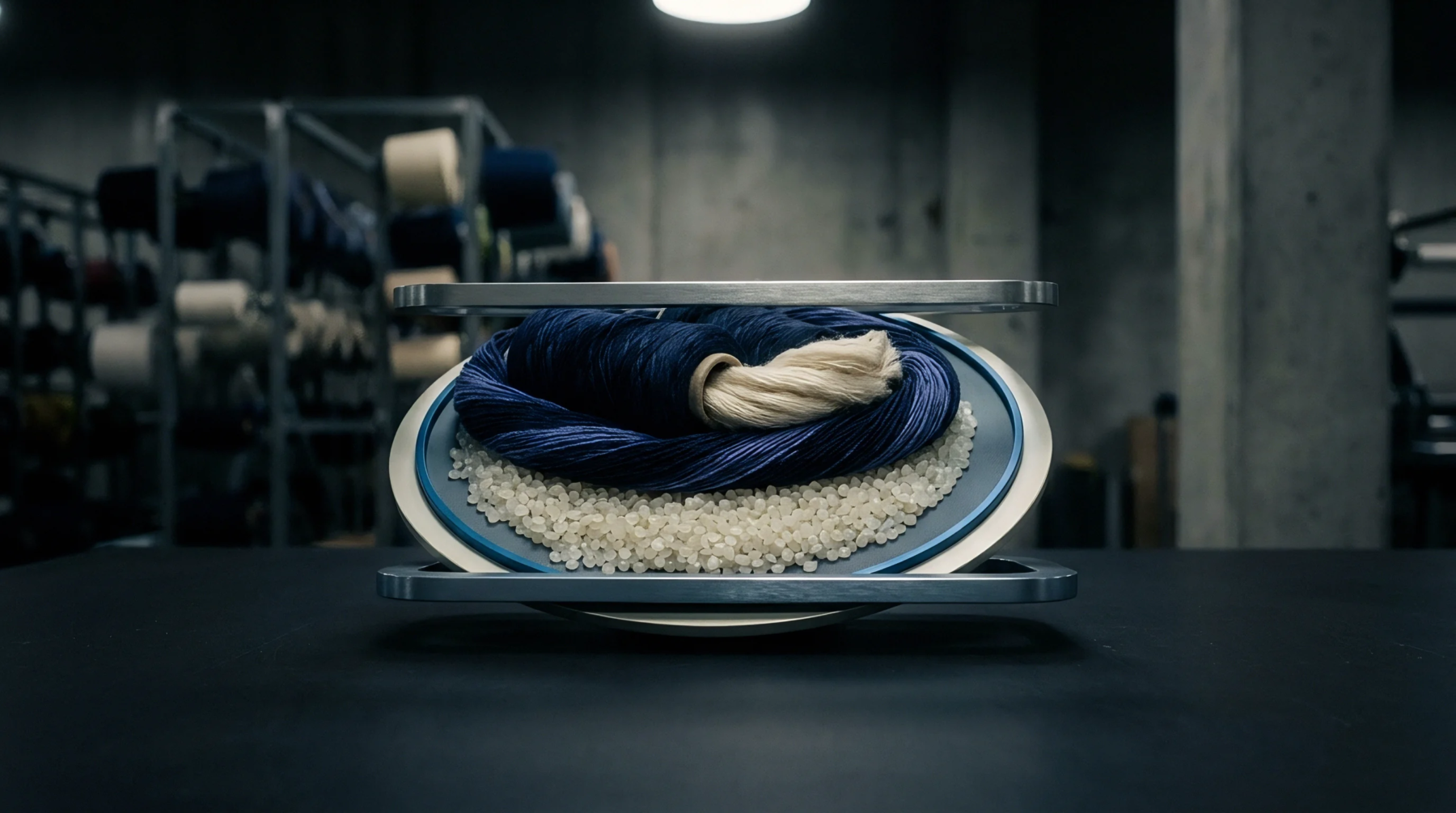
Crosslink density decay during repeated wet processing dictates the trade-off between durable crease recovery and catastrophic fabric tear strength loss.
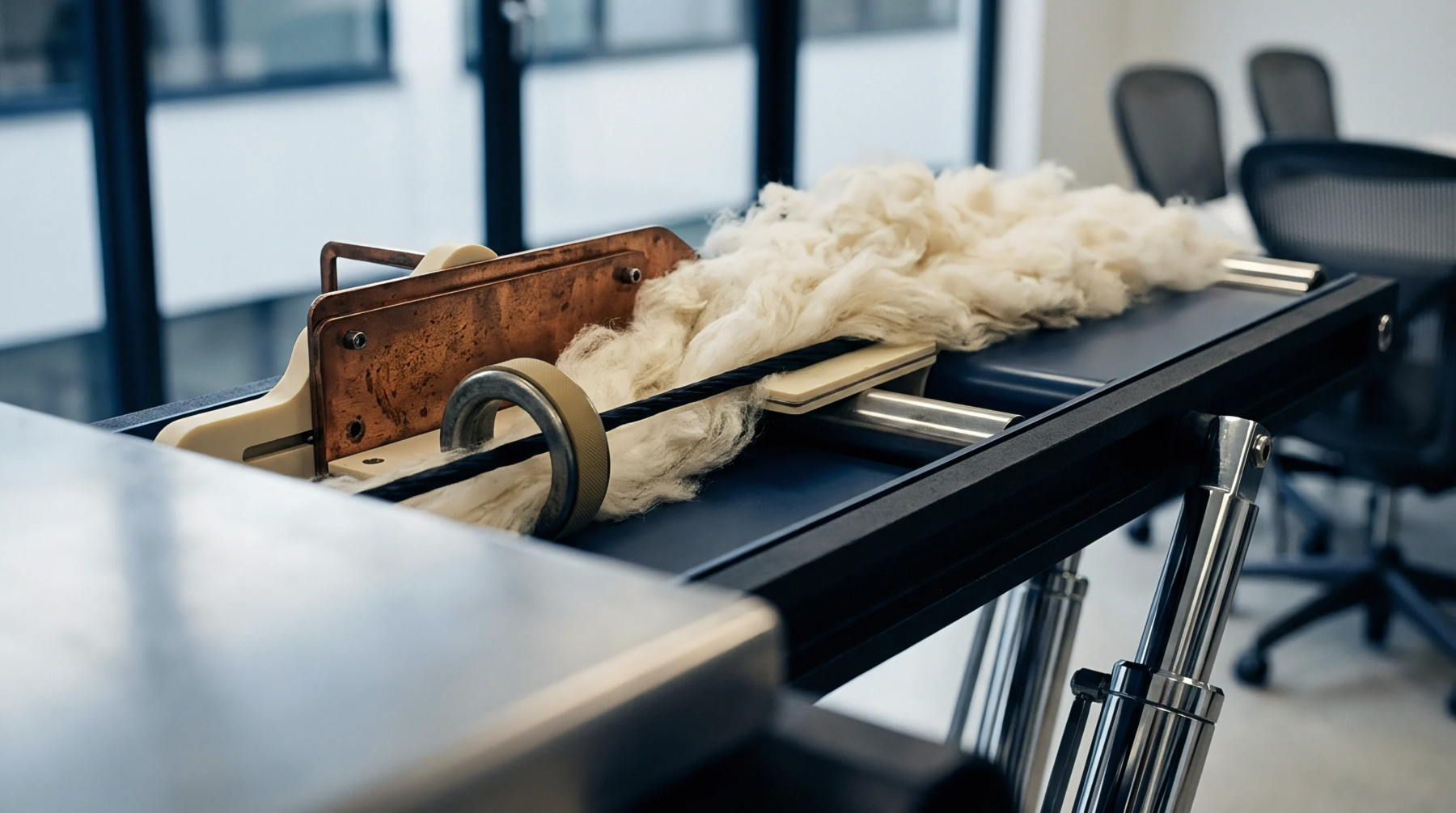
Harmonize multi-market physical fabric testing by implementing worst-case envelope protocols and validating ISO 17025 laboratory accreditation scopes.
Global textile clearance demands lot-specific ISO 17025 test reports verifying chemical limits and physical integrity standards matching customs entries exactly.
Expertise is a utility, not a secret. sentiention™ publishes its working knowledge as open reference: intelligence layer covering the materials it sources, the markets it enters, and the reference that serves both.