Cellulosic Durable Press Finishing Mechanics and Crosslink Reaction Dynamics
Cellulosic crosslinking trades mechanical tenacity for crease recovery, requiring precise padding pH, catalyst control, and thermal dwell to bound physical loss.

Reagent
Chemical crosslinking transforms flexible cellulosic polymers into elastic three-dimensional networks by bridging adjacent hydroxyl groups across amorphous regions. Cotton, viscose, and lyocell fibers depend on intermolecular hydrogen bonding for structural integrity. When exposed to moisture and mechanical shear, these hydrogen bonds slide past one another, causing plastic deformation and fabric wrinkling.
Durable press finishing introduces covalent bridges between cellulose chains, establishing structural memory that resists deformation during laundering. The molecular efficiency of this process relies on reagent selection, catalyst reactivity, and hydroxyl site availability within the cellulosic substrate.
Covalent Etherification and Hydroxyl Reactivity Mechanics
Cellulosic chains carry three distinct hydroxyl positions on each anhydroglucose unit, with C6 primary sites offering greater steric accessibility and reacting faster than C2 and C3 secondary positions. N-methylol crosslinking agents, dominated by dimethyloldihydroxyethyleneurea, react with these hydroxyl groups under acid catalysis through a two-step etherification mechanism. Thermal energy protonates the methylol group, driving off water to yield a resonance-stabilized carbocation intermediate.
This electrophilic species undergoes nucleophilic attack by cellulose hydroxyl oxygen atoms, forming a stable ether linkage. Etherifying two hydroxyl groups across adjacent polymer chains locks the molecular architecture against slippage.
Reagent concentration dictates the equilibrium between intermolecular crosslinking and intramolecular loop formation. Intramolecular reactions consume chemical functionality without improving fabric crease recovery, wasting active chemical volume. Standard finishing formulations apply between 40 and 80 grams per liter of active resin depending on target wrinkle recovery angles and acceptable strength losses, though bound water within the fiber matrix shifts these reaction kinetics.

Formaldehyde Chemistry and Non-Formaldehyde Alternatives
Traditional dimethyloldihydroxyethyleneurea formulations generate equilibrium free formaldehyde during wet processing and subsequent storage. Hydrolysis of unreacted methylol groups releases formaldehyde gas into finishing plants and leaves measurable residue on finished fabric. Capping methylol terminals with methanol or diethylene glycol yields etherified DMDHEU derivatives.
These modified resins exhibit lower free formaldehyde release, falling below 75 parts per million under water-extraction test conditions.
Standard DMDHEU formulations generate 150 to 300 parts per million of free formaldehyde under ISO 14184-1 testing when cured at 160 degrees Celsius without vacuum washing.
Polycarboxylic acid chemistries eliminate formaldehyde completely by replacing etherification with esterification. Agents such as 1,2,3,4-butanetetracarboxylic acid and citric acid contain multiple carboxylic groups that form cyclic anhydride intermediates under thermal dehydration. These anhydrides esterify cellulose hydroxyl groups.
Sodium hypophosphite catalyzes cyclic anhydride formation, accelerating ester crosslinking at elevated curing temperatures. Citric acid remains an economical polycarboxylic option, though unreacted carboxylic groups cause fabric yellowing under severe curing conditions.
| Crosslinker Chemistry | Reaction Mechanism | Catalyst System | Cure Temp Window (°C) | ISO 14184-1 Formaldehyde (ppm) | Abrasion Retention (%) |
|---|---|---|---|---|---|
| Standard DMDHEU | Etherification | Magnesium Chloride / Citric Acid | 150 – 165 | 150 – 300 | 50 – 55 |
| Etherified Modified DMDHEU | Etherification | Magnesium Chloride / Aluminum Chloride | 160 – 175 | 30 – 70 | 60 – 68 |
| 1,2,3,4-Butanetetracarboxylic Acid | Esterification | Sodium Hypophosphite | 170 – 185 | 0 | 55 – 62 |
| Citric Acid Blend | Esterification | Sodium Hypophosphite / Sodium Formate | 175 – 190 | 0 | 45 – 52 |
Initial fabric strength losses frequently trace back to poor scouring and fabric preparation rather than to crosslink density alone.
Pad
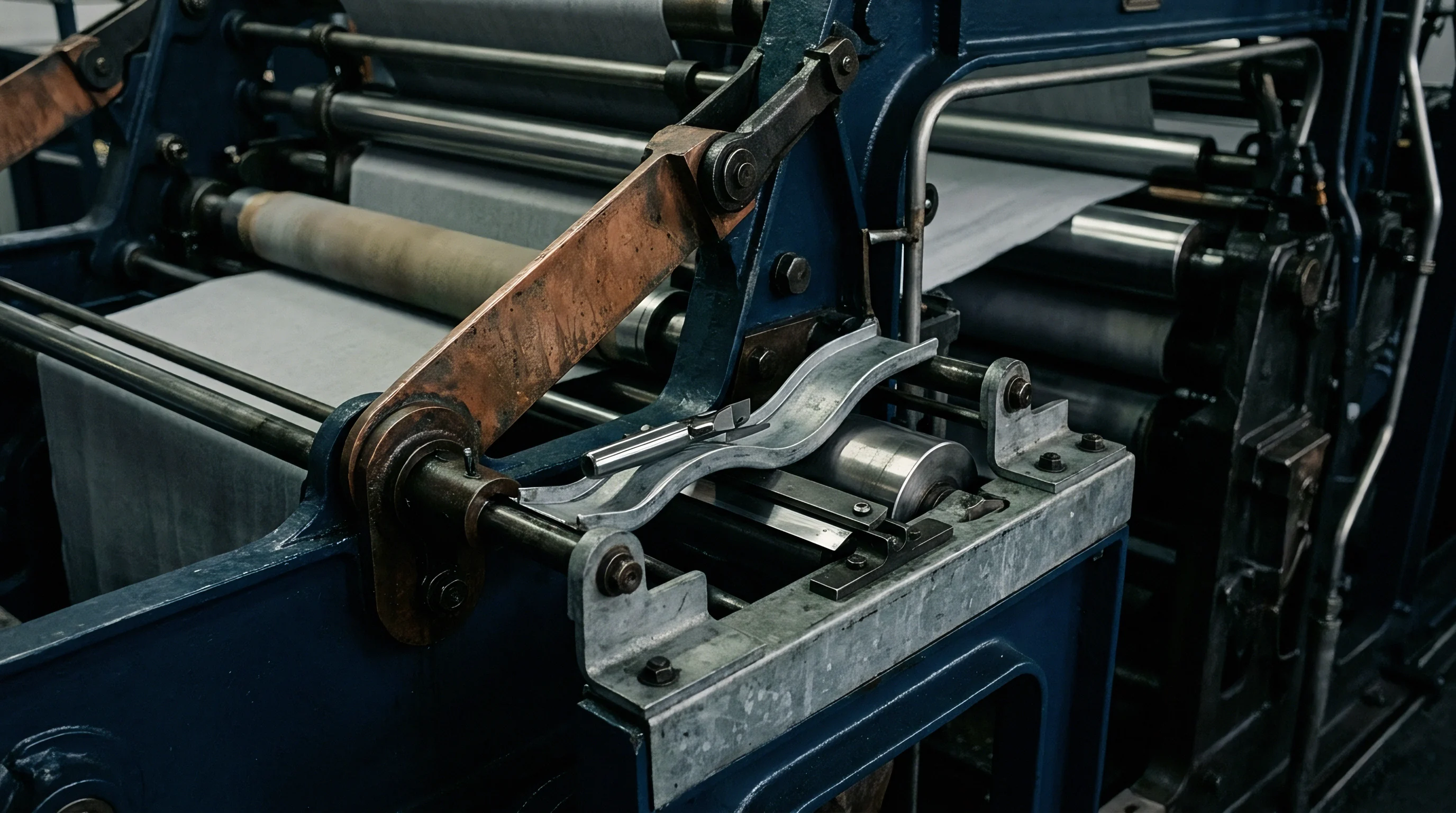
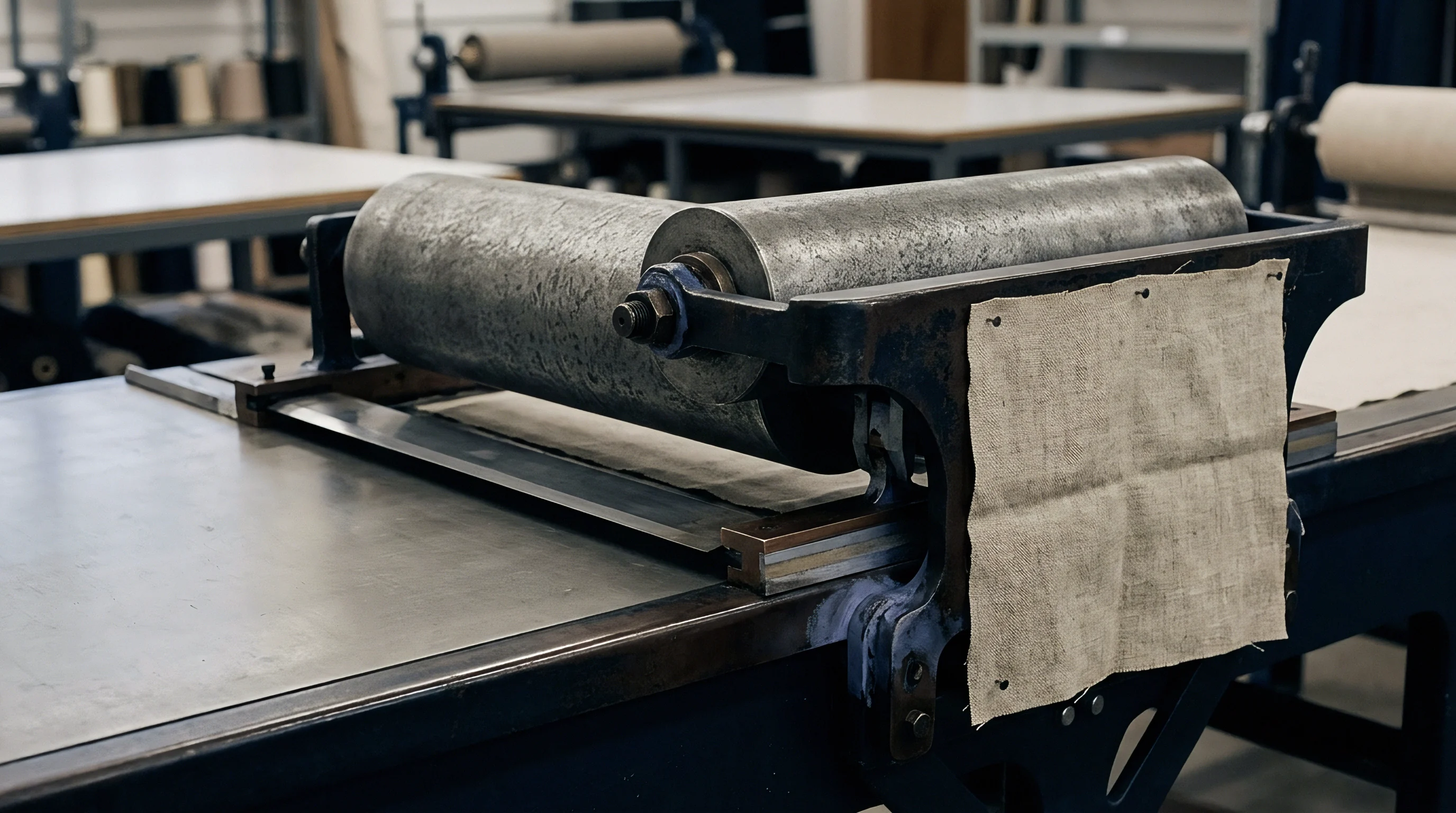
Wet impregnation applies crosslinking monomers, catalysts, and softeners evenly across the textile substrate under controlled nip pressures. Squeezing rollers force the aqueous chemical bath into the interior of yarn bundles, driving liquid past surface hairiness into core microfibrils. Uniform chemical distribution prevents localized over-crosslinking, which causes premature tearing and uneven shade changes across the batch.
Liquor Pickup Dynamics and Bath Stability Controls
Target wet pickup varies between 60 percent on pure cotton woven fabrics and 85 percent on regenerated cellulosic knits. Because viscose swells more than cotton, its greater swelling capacity requires lower resin concentrations in the bath to maintain identical dry active chemical pickup per kilogram of fiber. Expression rollers operating at 2.5 to 4.0 bar pneumatic pressure regulate wet pickup across the fabric width.
Dynamic bath stability relies on strict pH management. Magnesium chloride catalysts function within a narrow pH window of 4.0 to 5.0; drift toward alkalinity inactivates the catalyst, leaving monomers unreacted after passing through the heating zones.
Non-ionic wetting agents lower surface tension, accelerating liquor penetration into tight weave intersections. Anionic surfactants react with cationic softeners, generating insoluble precipitates that clog pad liquor filters and leave greasy spots on finished rolls, while resin concentration directly governs fabric hand.
Migration Control and Moisture Uniformity in Drying
Evaporative drying before curing pulls unreacted crosslinking agents toward fabric surfaces when drying rates are unbalanced. Rapid moisture loss from outer fabric faces creates a capillary pressure gradient that draws chemical solution from core fibers to yarn boundaries. Resin accumulation on yarn surfaces forms brittle external skins without establishing internal core crosslinks, reducing tear strength while failing to deliver target wrinkle recovery ratings.
- Asymmetrical migration leads to high surface crosslink density that embrittles outer yarns while leaving core fibers untreated.
- Bath pH drift above 5.5 inactivates magnesium chloride catalysts, causing incomplete monomer polymerization during thermal fixation.
- Nip pressure variation across the roll face creates a side-to-middle liquor pickup gradient exceeding three percent.
- Foam entrapment inside heavy twill structures prevents core penetration, producing uneven crease recovery across the fabric width.
Infrared pre-drying before stenter entry prevents resin migration by locking monomer positions while moisture content remains high.
Polyacrylamide migration inhibitors increase liquor viscosity as water evaporates, preventing chemical migration during intermediate drying. Infrared heating zones installed immediately after the padding mangle reduce fabric moisture from 70 percent to 30 percent without contact. This gentle moisture removal locks reagent positions before convection air currents touch the wet substrate.
Maintaining low liquor temperatures in the dip trough slows premature catalyst dissociation during long finishing runs.

Heat
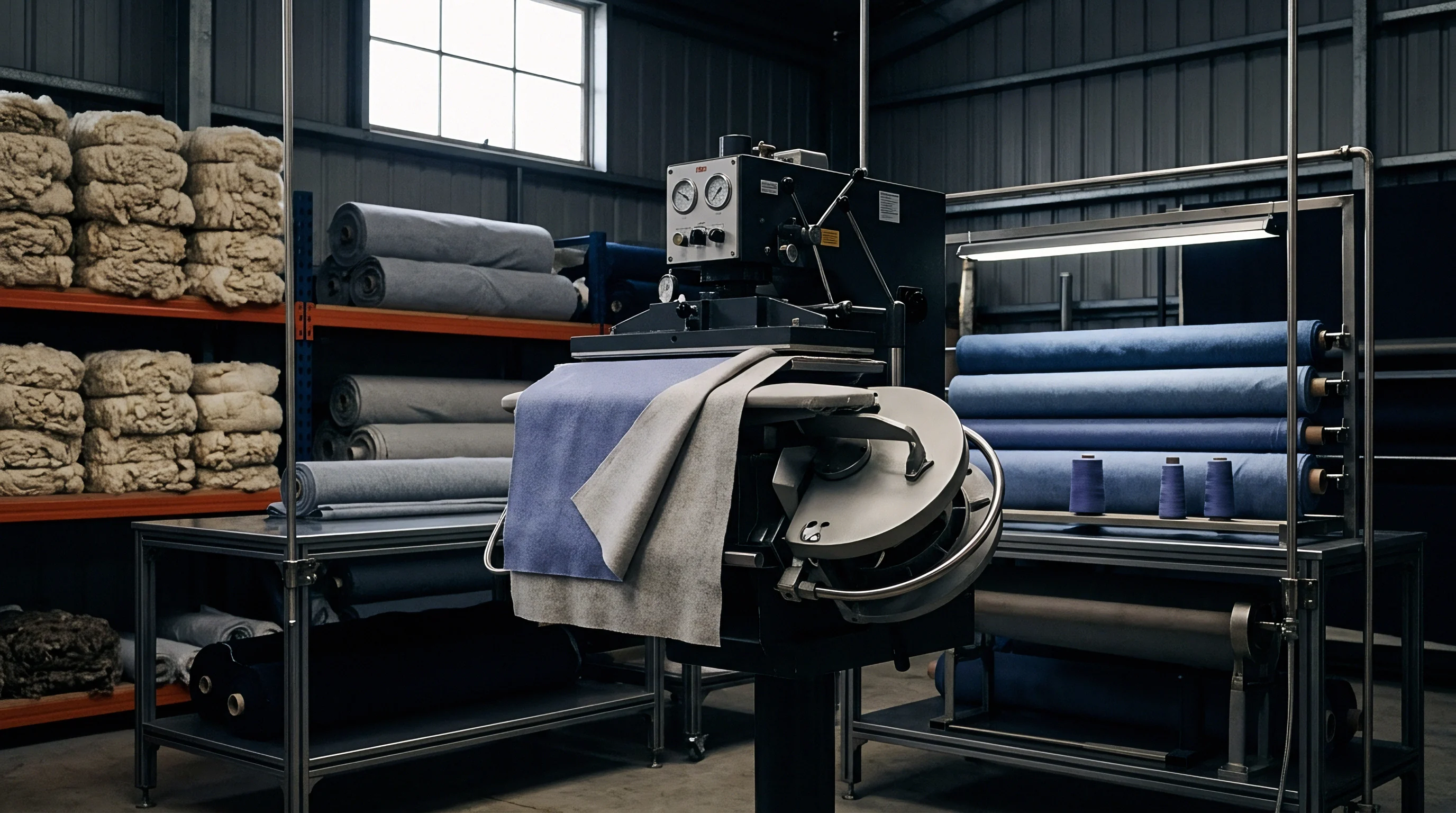
Thermal energy drives both the evaporation of residual moisture and the covalent crosslinking reaction between chemical agents and cellulosic chains. Curing ovens provide precise temperature profiles and dwell times, ensuring chemical reactions complete without scorching fibers or accelerating acid degradation. Inadequate thermal exposure leaves unreacted chemical monomers, while excessive heat cleaves cellulosic polymer backbones.
Does Polycarboxylic Acid Eliminate Strength Depolymerization Entirely?
Non-formaldehyde polycarboxylic systems operate at higher activation energies than N-methylol compounds, requiring curing temperatures between 175 and 185 degrees Celsius. Sodium hypophosphite catalysts drive esterification rapidly within this range, but the combination of high thermal energy and acidic conditions accelerates hydrolytic scission of beta-1,4-glycosidic bonds. Depolymerization occurs independently of formaldehyde generation.
Cellulosic chains suffer random cleavage along their amorphous segments, lowering average degree of polymerization and reducing absolute fiber tenacity. Polycarboxylic acid finishing requires rigorous temperature calibration to avoid excessive structural decay.
Condensation Kinetics and Dwell Time Optimisation
Reaction rate constants depend on peak fabric temperature rather than ambient air temperature inside the stenter chamber. Moisture probes track fabric drying status, identifying the exact zone where water evaporation ends and chemical fixation begins. Etherification of dimethyloldihydroxyethyleneurea requires a minimum thermal threshold of 150 degrees Celsius for 180 seconds, or 170 degrees Celsius for 45 seconds, where dwell time directly dictates reaction yield.
- Confirm pad liquor active solid content using refractometer readings prior to tank clearance.
- Measure fabric surface temperature across all stenter zones using calibrated pyrometer sensors.
- Verify residual moisture content stays below two percent at the entry point of the curing zone.
- Extract cured fabric samples immediately after batching for fast-wash crease recovery evaluation.
- Adjust machine line speed in two-meter-per-minute increments to stabilize core thermal dwell.
Thermal processing parameters govern physical properties and wash durability across production lots. On a 200 gram per square meter cotton twill treated with 60 grams per liter of etherified DMDHEU, curing at 150 degrees Celsius for 45 seconds leaves etherification incomplete, yielding a wrinkle recovery angle of 240 degrees and 82 percent tensile strength retention under ISO 13934-1 testing. Washing this fabric ten times drops the wrinkle recovery angle to 210 degrees as unreacted monomers leach out.
Shifting conditions to 165 degrees Celsius for 45 seconds raises the initial wrinkle recovery angle to 295 degrees with 68 percent tensile retention, holding performance past 30 wash cycles. Pushing the cure to 180 degrees Celsius for 45 seconds edges the crease angle to 310 degrees, but tensile retention falls to 51 percent under aggressive acid hydrolysis.
Fabric surface temperature reaches curing equilibrium only after every drop of free moisture evaporates from the yarn core.
Excess dwell time in the curing zone lowers tear strength below garment construction thresholds, turning entire production rolls into unsellable scrap.
Tenacity
Mechanical strength losses in durable press cellulosic fabrics arise from structural matrix embrittlement combined with acid-catalyzed glycosidic bond cleavage. Crosslinking introduces rigid bridges that restrict polymer chain mobility. When external loads deform untreated cotton fibers, individual polymer chains slide and realign, distributing applied stress across adjacent molecular structures.
Covalent crosslinks inhibit this relaxation mechanism, concentrating mechanical stress onto localized covalent bonds and triggering rapid microfibrillar rupture.

Stress Concentration and Microfibrillar Embrittlement Mechanics
Covalent bridges lock cellulose microfibrils into rigid spatial positions, limiting their ability to shift under tensile loads. Tensile failure shifts from progressive fiber slippage to sudden strand rupture. Tear strength suffers more severely than tensile strength: Elmendorf tear propagation depends on yarns sliding within the weave to form a stress-sharing delamination zone, but resin finishes lock warp and weft intersections together.
That mobility disappears, narrowing the tear zone to a single high-stress point where tear loss tracks crosslink density directly.
Substrate geometry alters the extent of strength reduction. Viscose fibers possess lower crystallinity and lower orientation than cotton, swelling extensively in wet padded states. Resin molecules enter these expanded amorphous zones easily, forming dense crosslink clusters that embrittle the soft fiber core.
Viscose fabrics lose up to 45 percent of their initial tear strength at modest crease recovery levels. Lyocell features high crystallinity and parallel fibrillar alignment, resisting internal resin penetration. Crosslinks form primarily on lyocell microfibril surfaces, preserving core tenacity while suppressing fibrillation during laundering.
Physical Loss Profiles across Diverse Cellulosic Builds
Structural parameters like thread count and weave geometry dictate how much strength fabric sacrifices after resin application. Loose weaves permit greater yarn displacement, dampening the embrittling effect of chemical crosslinking. Dense plain weaves exhibit high yarn crossover counts, magnifying structural rigidity once crosslinks fix yarn positions.
- Condition fabric specimens at 20 degrees Celsius and 65 percent relative humidity for 24 hours prior to physical testing.
- Measure dry warp and weft breaking force using ISO 13934-1 strip test method on untreated control rolls.
- Subject finished rolls to five consecutive wash and tumble-dry cycles in accordance with ISO 6330 procedure 4M.
- Perform Elmendorf tear testing under ISO 13937-1 across five test strips cut from warp and weft directions.
- Evaluate wrinkle recovery angle using ISO 2313 loading apparatus under a one-kilogram mass for five minutes.
- Calculate percentage strength retention by dividing finished physical values by initial control figures.
| Fabric Construction | Fiber Type | Resin System & Concentration | ISO 2313 WRA (deg) | ISO 13934-1 Tensile Loss (%) | ISO 13937-1 Tear Loss (%) | ISO 12947-2 Martindale Abrasion (Rubs) |
|---|---|---|---|---|---|---|
| 100×80 / 40s x 40s Plain Poplin (120 g/m²) | Combed Cotton | Etherified DMDHEU (60 g/L) | 290 | 32 | 42 | 18,000 |
| 120×60 / 30s x 30s 3/1 Twill (210 g/m²) | Combed Cotton | Etherified DMDHEU (65 g/L) | 295 | 28 | 36 | 25,000 |
| Single Jersey 160 g/m² | Viscose Rayon | Low-Formaldehyde DMDHEU (45 g/L) | 270 | 22 | 28 | 12,000 |
| Interlock 220 g/m² | Tencel Lyocell | BTCA + NaPO₂H₂ (50 g/L) | 280 | 18 | 24 | 30,000 |
Specification contracts requiring ISO 13934-1 tensile retention above 70 percent restrict resin concentration to levels that limit wrinkle recovery ratings to grade 3.0.
Technical purchase specifications incorporating ISO 12947-2 abrasion thresholds above twenty thousand rubs force fabric suppliers to blend polyester into cellulosic warp yarns.
Cure
Washing finished goods after thermal fixation removes unreacted monomers, catalyst residues, and acidic byproducts that promote post-finishing degradation. Post-washing neutralizes acid salts, protecting stored fabrics against gradual hydrolytic damage. Omitting the post-wash stage leaves free formaldehyde and active catalysts inside packaged rolls, causing customer rejections due to odor and skin irritation.

Neutralisation and Alkaline Washing Economics
Process lines that bypass post-fixation washing leave residual acid salts on cellulosic fibers, driving slow hydrolytic cleavage during storage where residual fabric pH governs shelf life. Continuous open-width washing ranges apply sodium carbonate at two grams per liter to neutralize residual catalyst salts, followed by hot rinse boxes at 60 degrees Celsius. Adding a continuous post-wash pass increases finishing costs by $0.12 to $0.18 per linear meter, consuming energy for secondary stenter drying and adding thermal load to plant effluent treatment systems.
Skipping post-washing avoids those operational expenses, but it leaves stored fabric vulnerable to tendering over extended warehousing periods.

Commercial Selection between Formulated Chemistry Options
Sourcing managers compare low-formaldehyde DMDHEU systems against polycarboxylic acid treatments based on landed fabric cost rather than chemical price per kilogram alone. Bulk DMDHEU trades between $1.80 and $2.50 per kilogram, requiring low magnesium chloride addition rates. BTCA raw material costs range from $12.00 to $15.00 per kilogram, demanding high sodium hypophosphite concentration to maintain esterification rates.
High chemical input costs make pure polycarboxylic acid finishes economically unviable for commodity shirting orders. Hybrid formulations combining citric acid, maleic acid, and low concentrations of etherified DMDHEU lower chemical costs while meeting retail formaldehyde limits below 20 parts per million.
Whether non-formaldehyde ionic crosslinking can achieve the durable press performance of N-methylol resins without elevating chemical costs beyond mass-market apparel budgets remains an open question for wet processing research.