Abrasion Rating
Textile testing for durability often focuses on how a fabric surface withstands repeated rubbing against a standard abrasive material. The standard identified as iso 12947-2 provides a specific method for determining the resistance of fabrics using the Martindale apparatus. it measures the point at which the specimen breaks down, which is defined by the failure of at least two threads in a woven fabric or one thread in a knitted material. This evaluation is critical for upholstery, workwear and performance apparel where friction is a constant factor during use.
A high cycle count indicates a material that will maintain its appearance and structural integrity over a long period. It provides a numerical value that buyers use to rank the quality of different textile shipments.
Martindale Cycle
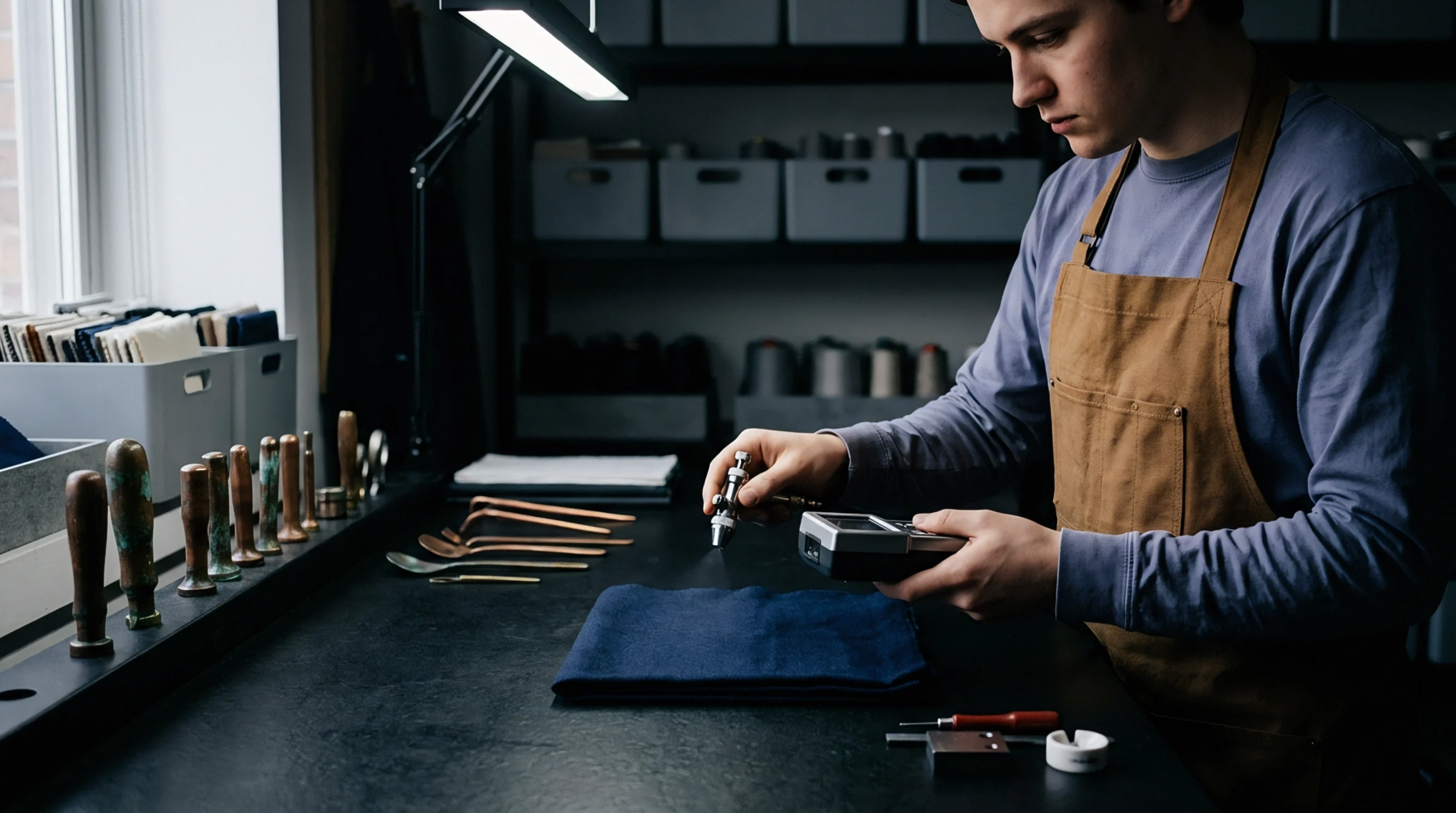
The test procedure involves placing a circular specimen in a holder and rubbing it against a standard wool abrasive under a specific pressure. This movement follows a complex Lissajous pattern, which ensures that the fabric is abraded from all directions simultaneously. A technician periodically stops the machine to inspect the specimen for signs of wear, such as holes or significant thinning.
The result is recorded as the total number of cycles completed before the defined failure point occurs. The iso 12947-2 protocol also specifies the type of backing foam and the exact characteristics of the abrasive cloth to ensure consistency between labs. If the fabric undergoes pilling or changes colour significantly, these observations are noted alongside the cycle count.
Every interaction between the specimen and the abrasive contributes to the eventual breakdown of the yarns.
Quality Verification
Industrial buyers and retail quality teams use these laboratory results to verify that a fabric meets the requirements for its intended application. Testing against iso 12947-2 is often a mandatory part of the technical specification for heavy duty materials. If a batch of cloth fails to reach the minimum number of cycles, the mill must investigate the yarn strength or the finishing process.
This objective data helps prevent the use of substandard materials in products that require high endurance. It also allows manufacturers to justify the price of premium fabrics by demonstrating their superior wear characteristics. Quality control reports include these cycle counts as a key indicator of fabric performance.
Consistent results build trust between the supplier and the garment factory.
Operational Scope
Testing conditions such as humidity and temperature must be strictly controlled to ensure the repeatability of the results. High moisture content in the fibres can change the friction and the rate of wear during the iso 12947-2 procedure. This method is not suitable for fabrics with a high pile or those that have a thick surface coating that might gum up the abrasive cloth.
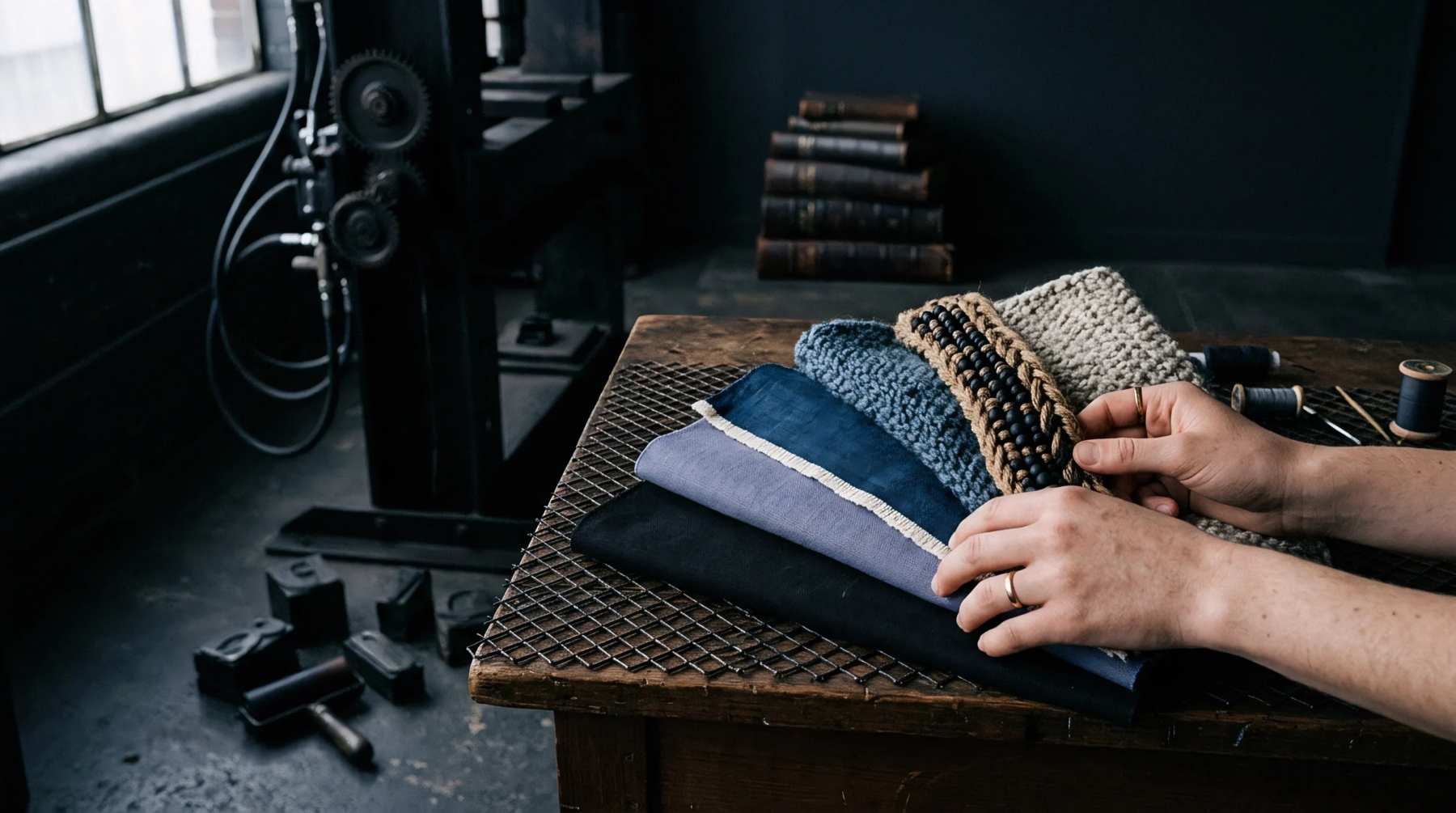
It stops being a reliable measure of durability if the fabric contains loose decorative elements or irregular yarns. This metric does not account for the effects of sunlight or chemical cleaning on the longevity of the material. It provides a mechanical baseline of abrasion resistance rather than a full simulation of the life of a garment.
Manufacturers use the data to compare the performance of different fibre blends and weaves.