Establishing Physical Chain of Custody for Fabric Swatches
Physical chain of custody depends on tamper-evident edge tagging, sealed split retention, and lot-bound shipping logs tied directly to batch transaction certificates.

Stamp
Securing a physical fabric sample begins at the mill inspection frame when the roll unrolls across the illuminated glass. Physical evidence protects fabric origin claims. A sample cut from the header or trailer of a finished roll carries no inherent proof of its relationship to the master batch unless a non-transferable physical marker binds the swatch edge directly to the parent roll before cutting occurs.
Standard practice in unverified supply chains relies on paper tags attached with plastic Kimble staples. These staples pull free under minor friction, allowing specimen substitution during laboratory dispatch or buyer review.
Durable physical markers establish lot identity at the moment of sampling. Swatch edge identification relies on mechanical fasteners, heat-sealed matrix tape, or ultrasonic selvage notches applied prior to off-roll trimming. Swatches trimmed for compliance evaluation require a minimum distance of 150 mm from the finished selvage to capture representative yarn density, warp crimp, and pick count.
Positioning the tag directly across this boundary ensures that half of the identification mark remains on the physical roll margin while the corresponding half sits on the cut swatch retain.

Physical Marking Systems at the Inspection Table
Mechanical fasteners provide immediate visual proof of origin when applied at the roll face. Stainless steel crimp rivets driven through double-folded fabric corners prevent tag removal without visible fiber distortion. These rivets hold laser-etched alphanumeric batch identifiers that survive wet chemical processing, conditioning, and thermal pressing.
Aluminum foil seals applied with heated dies fuse polymer matrix fibers directly into the woven yarns. Fiber fusion creates a permanent physical substrate bond that destroys the backing paper if removal is attempted.
Ultrasonic edge welding presents an alternative marking path for synthetic and high-blend constructions. Ultrasonic horns fuse a dense 10 mm border along the swatch perimeter, sealing loose yarn ends and embossing a unique lot serial code into the molten matrix. Scannable barcodes link swatches to rolls.
For natural fibers like pure cotton, wool, or linen, ultrasonic welding lacks sufficient synthetic binder content. These materials require reinforced woven tape carriers coated with cross-linking acrylic adhesives that cure under ambient moisture within twenty minutes of application.
Physical swatch tags attached with standard plastic kimble ticks migrate easily between fabric rolls during transport.

Barcode Encoding and Edge Tag Mechanics
Scannable matrix labels placed on reinforced backing tapes resist heat and solvent exposure. High-density two-dimensional DataMatrix codes condense mill identification numbers, roll numbers, piece dye lot references, and inspection timestamps into a 6 mm square tag area. Applying a fluorocarbon-resistant topcoat over the printed barcode prevents print dissolution when swatches undergo solvent extractions or flammability screening.
Automated scanners at laboratory intake read these tags directly into testing workflows, eliminating manual data entry mistakes.
Edge tag placement follows rigid geometry across testing sets. Inspectors apply tags exclusively to the lower right corner of the fabric face, defined relative to the warp direction. Uniform placement prevents orientation confusion during directional tests such as tearing strength under ISO 13937 or seam slippage under ISO 13936.
Standardizing the tagging location ensures that laboratory technicians cut analytical specimens from the unmarked interior cloth, preserving the intact physical tag on the retained referee piece.
| Identification Technology | Application Method | Resistance Parameters | Failure Thresholds |
|---|---|---|---|
| Laser-Etched Stainless Rivets | Mechanical cold-crimp through folded selvage | Solvents, boiling water, dry heat to 260°C | Shear forces exceeding 180 Newtons |
| Heat-Fused Foil Backing Tapes | Thermal impression at 190°C for 4 seconds | Scouring, acidic perspiration solutions | Delamination on silicone-coated finishes |
| Ultrasonic Perimeter Embossing | High-frequency acoustic horn fusion | Washing cycles, mechanical abrasion | Fiber content under 35 percent thermoplastic |
| Cross-Linking Adhesive Labels | Pressure-sensitive ambient moisture cure | Standard conditioning environments | Sustained humidity above 85 percent RH |
The dyehouse manager explained that paper tags detached during high-humidity ocean transit because ambient container conditions softened the water-based glue specified on the purchase order.
Transit
Shipping fabric samples across international borders introduces severe microclimatic risks that alter physical and chemical properties. Moisture degrades chemical test accuracy rapidly. Temperature spikes accelerate volatile compound loss.
Swatches sealed inside ordinary paper envelopes exchange moisture continuously with ambient air, causing mass changes, dimensional drift, and premature loss of volatile organic compound residues. A swatch dispatched from a hot, humid finishing facility in South Asia arrives at a European laboratory with significantly altered equilibrium moisture content unless isolated inside vapor-impermeable barriers.
Chain of custody protocols require continuous environmental containment during transit. High-density polyethylene packaging lined with aluminum foil barrier layers stops water vapor transmission entirely. Tamper seals prevent silent sample substitution.
Inserting miniature data loggers inside the shipping box tracks ambient temperature and relative humidity continuously at fifteen-minute intervals. If shipping temperatures rise above 45°C inside cargo holds, low-boiling finishes or free formaldehyde emissions degrade, invalidating subsequent ISO 14184-1 testing results.
Tamper Evident Packaging for Sample Courier Passage
Polyethylene courier bags with serialized tear bands prevent sample substitution. High-security shipping bags feature dual-layer adhesive strips that show permanent visual void patterns when opened mechanically, thermally, or chemically. The outer surface of the transit bag carries a clear document pouch containing the physical transport manifest.
Sample integrity dictates laboratory acceptance criteria. Retained swatches remain inside the primary sealed pouch until laboratory technicians open the container under controlled indoor conditions.
- Serialized tamper bands prevent unauthorized specimen substitution by revealing visible void marks under solvent exposure or thermal manipulation.
- Missing chain logs prevent laboratories from matching incoming samples against production batch numbers, stalling testing workflows immediately.
- Standard paper tags disintegrate under atmospheric condensation inside unconditioned air freight cargo holds during international transport.
- Unsealed polybags permit environmental cross-contamination, allowing airborne phthalates or volatile compounds to settle on clean test fabric.

Environmental Exposure Controls during Physical Shipment
Calibrated data loggers placed inside sealed sample packs record thermal spikes and moisture shifts. High humidity inside transit containers promotes fungal growth and accelerates formaldehyde hydrolysis in resin-treated cottons. Physical evidence protects fabric origin claims.
Enclosing active silica gel desiccants calculated at two grams per liter of package volume maintains internal humidity below forty percent relative humidity throughout transit. Low humidity halts biological action and stabilizes chemical additives prior to laboratory testing.
Container humidity levels exceeding eighty percent relative humidity cause disperse dye sublimations on unsealed synthetic swatches within seventy-two hours.
International courier movements demand clear customs declarations attached to the outer transport box. Declaring swatches as trade samples without commercial value requires listing the specific fiber composition, construction type, and physical dimensions on the airway bill. Mismatches between declared dimensions and the enclosed swatch weight trigger physical customs inspections, breaking container tamper seals before laboratory receipt.
Continuous physical chain documentation remains valid only as long as every transfer signature matches an authorized facility manifest.


Split
Dividing a master swatch into referee portions demands strict dimensional and directional uniformity. Dividing master swatches demands precise alignment. Retained specimens resolve commercial chemical disputes.
Taking three physical specimens from a single cut requires precise cutting tools to avoid fraying or fiber loss along the cut edges. Master swatches are cut into three equal parts measuring exactly 200 mm by 300 mm. Specimen A travels to the testing laboratory; Specimen B remains with the buyer; Specimen C stays in archival storage at the production facility.
Physical retention protocols require holding split specimens under controlled atmospheric conditions defined by ISO 139. Standard conditioning atmospheres specify 20°C ± 2°C and 65% ± 4% relative humidity. Storing retained swatches in non-conditioned warehouses leads to physical yellowing, atmospheric ozone degradation, and shade shifting.
Foil-lined nitrogen-flushed packaging isolates archival specimens from ambient light and oxygen, stopping chemical aging for up to twenty-four months.
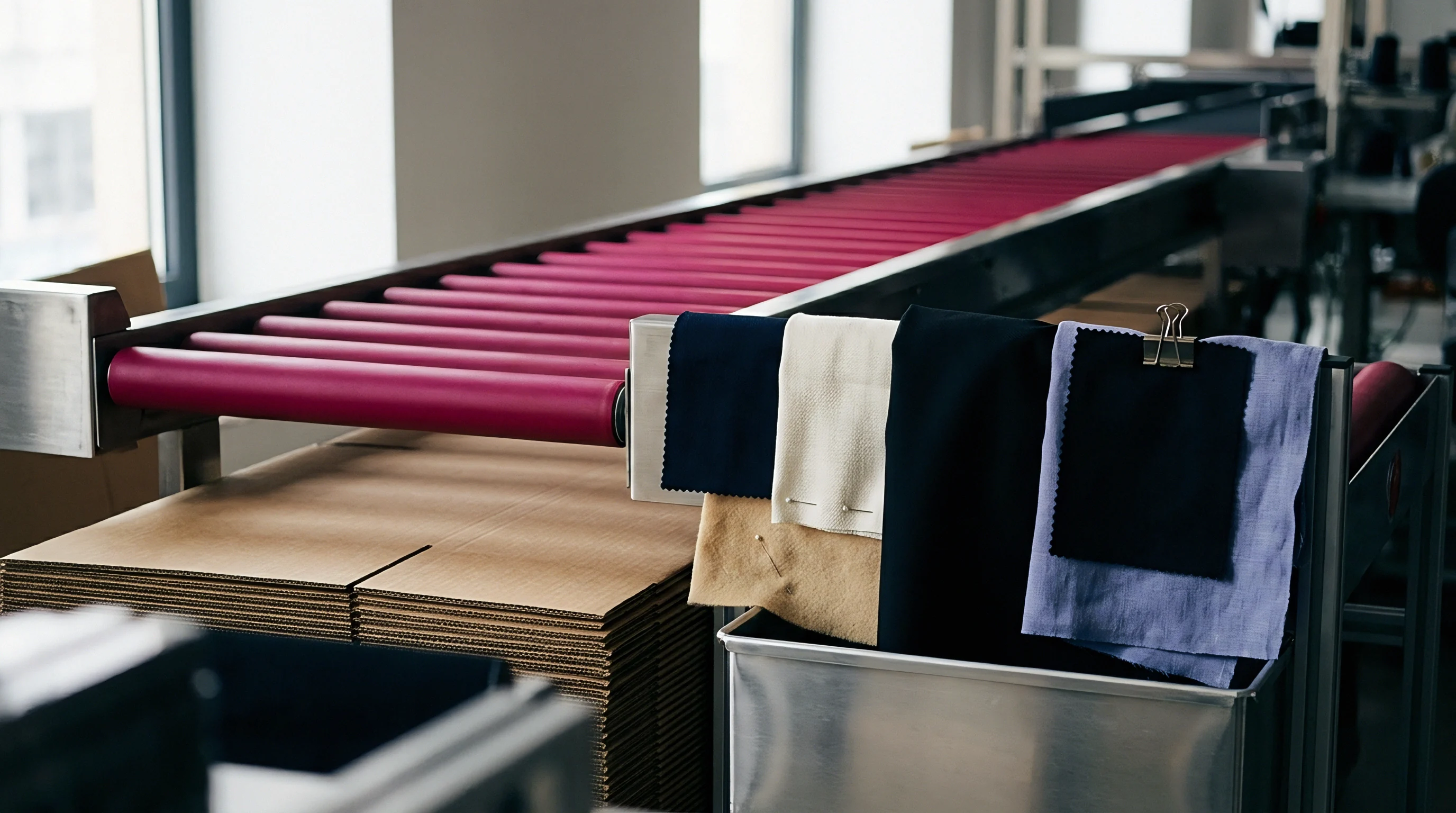
Can Unverified Swatch Splits Invalidate a Scope Certificate?
Certifiers revoke scope compliance when test specimens cannot be traced back to sealed physical duplicates. When a third-party laboratory detects restricted substances above legal limits, such as banned aromatic amines under EN ISO 14362-1 exceeding 30 mg/kg, the mill must produce its matching sealed split specimen. Retained swatches prove lot origin.
If the mill’s retained split lacks intact tamper seals or carries mismatching serial tags, certification bodies reject the mill’s retest appeal, confirming the original failure and invalidating the associated scope certificate across that entire production line.
- Cut three adjacent rectangular specimens measuring 200 mm by 300 mm along the filling yarn direction.
- Stamp each specimen corner with the matching heat-seal serial barcode and batch reference number.
- Seal specimen A in an inert nitrogen-flushed foil pouch for laboratory delivery.
- Enclose specimen B in a tamper-evident seal bag and store in a dark room held at twenty degrees Celsius.
- Archive specimen C at the dyehouse facility with signed physical transfer documentation attached.

Archival Protocol for Retained Referee Specimens
Long-term dark retention rooms shield physical fabric cuts against ultraviolet degradation and atmospheric ozone. Nitrogen flushing prevents specimen oxidative degradation. UV radiation breaks down optical brighteners and synthetic dyes, shifting color coordinates measured under ISO 105-J03 colorimetry.
Storing retainer specimens inside black opaque polypropylene boxes prevents light exposure entirely. Boxes sit on elevated steel shelving units away from concrete walls to block localized moisture transfer.
| Storage Medium | Temperature Range | Relative Humidity | Degradation Risk |
|---|---|---|---|
| Nitrogen-Flushed Foil Pouches | 18°C to 22°C | 30% to 40% RH | Minimal chemical or colorimetric change over 24 months |
| Standard Sealed Polyethylene Bags | 15°C to 25°C | 50% to 65% RH | Slow plasticizer migration over 12 months |
| Unsealed Archival Paper Folders | 10°C to 30°C | 40% to 80% RH | High oxidation, yellowing, and moisture absorption |
| Clear Acrylic Display Drawers | 20°C to 28°C | Ambient uncontrolled | Severe photobleaching and UV degradation within 90 days |
Failure to present a sealed retained sample within ten days of a regulatory query voids the importer dispute right under standard delivery terms.
Clause 14.2 of the international textile purchase agreement binds the supplier to holding sealed retain swatches for twenty-four months, shifting retest expenses entirely to the mill if physical retain integrity is breached.

Dossier
Assembling a complete compliance package demands line-by-line verification between paper records and physical cloth. Transaction certificates require matching physical swatches. Paper documents carry no weight during border audits if physical lot identifiers differ from invoice declarations.
Compliance managers collect scope certificates, transaction certificates, and ISO/IEC 17025 accredited laboratory reports into a unified custody file. Matching serial barcodes stamped on physical swatch edges against the transaction certificate scope list establishes unbroken lot traceability.
Verification workflows demand exact scope mapping. A Global Organic Textile Standard transaction certificate covers specific yarn blends, fabric weights, and dye lots. If the physical swatch edge tag shows a piece dye ticket number missing from the transaction certificate schedule, the certificate fails to cover that shipment.
Customs officers and brand auditors reject mismatched files, holding containers at port entry until physical sampling re-verifies batch conformity.

Linking Physical Swatches to Transaction Certificates
Transaction certificates gain legal standing only when physical serialization codes correspond directly to shipping invoices. Dyehouse lot numbers, grey cloth roll codes, and finishing order references must mirror the information block printed on the certification document. Importers check the certification expiry date against the fabric bill of lading date.
Certificates issued after the export shipment date represent severe compliance failures that prompt mandatory re-testing at the importer’s expense.
- Transaction certificate cross-check verifies that invoice fabric mass matches certified yarn input weights within allowable operational tolerances.
- Laboratory report scope verification confirms that the testing facility holds accredited testing methods for specific European chemicals.
- Batch roll mapping establishes direct physical connection between swatch edge barcodes and dyehouse mill production logs.
- Chemical finish disclosure aligns declared functional treatments against restricted substance limits enforced by brand buyer standards.
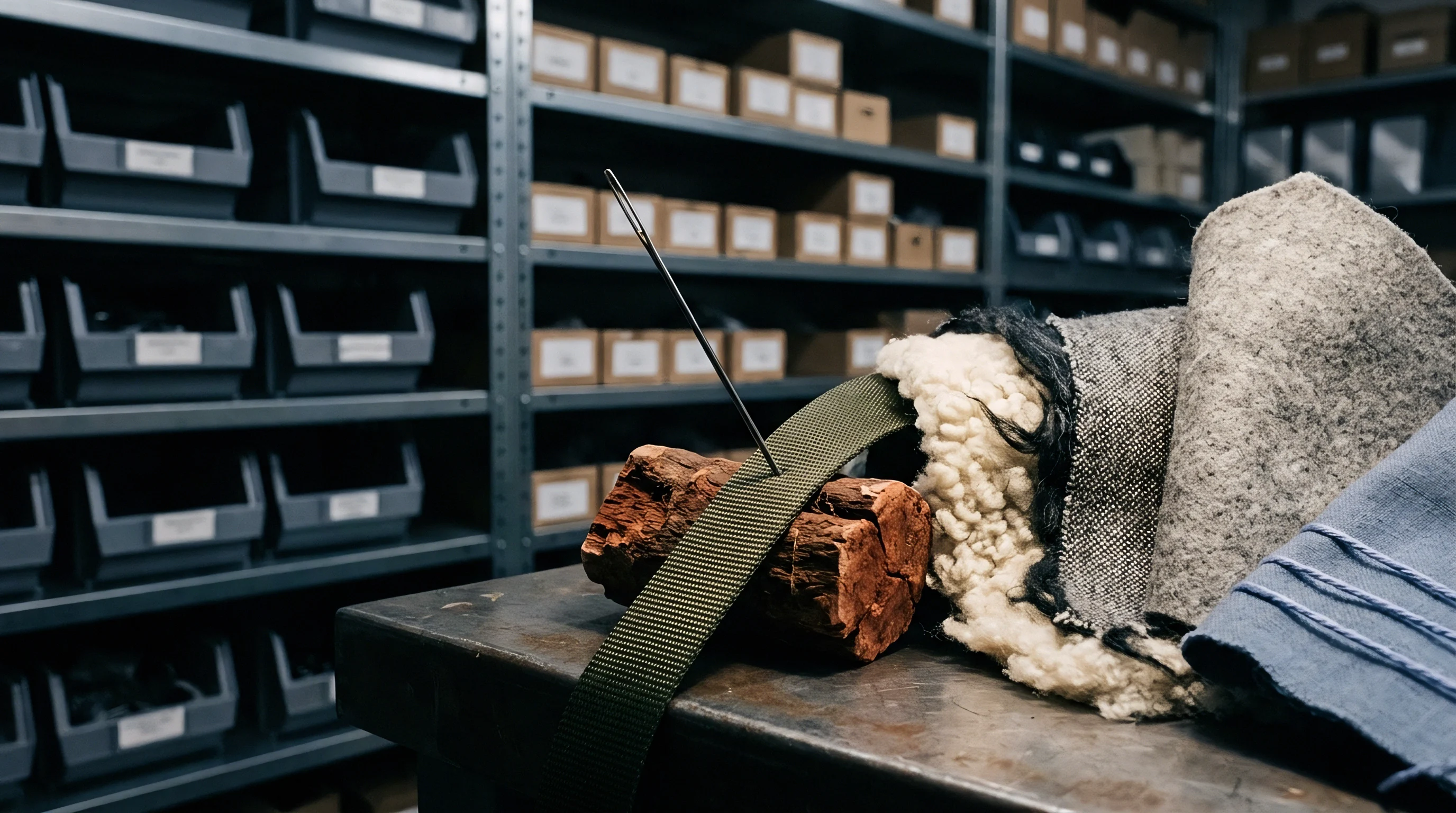
Documentary Alignment across Scope and Test Reports
Auditors compare test parameters against scope certificates to identify unlisted chemical finishes. A test report showing zero detectable alkylphenol ethoxylates under ISO 18254-1 validly supports an OEKO-TEX STANDARD 100 Class I claim only if the tested swatch matches the physical retention retain archived at the brand office. Discrepancies between physical fabric weight measured in grams per square meter and the weight listed on the test report indicate that the laboratory tested a different fabric construction entirely.
A transaction certificate lacking corresponding physical retain swatches functions as an unverified commercial assertion during customs audits.
Whether digital ledger verification can fully replace physical retention seals without compromising legal standing in cross-border chemical compliance disputes remains actively debated among international trade authorities.


Exposure
Financial liabilities escalate rapidly when import authorities quarantine a shipment for suspected chemical non-compliance. Customs inspectors reject unsealed retain packages. Unverified sampling chains void compliance warranties.
Demurrage charges accumulate on detained containers. Importers bear border compliance hold costs. When border agencies flag a container under REACH Annex XVII restrictions or Consumer Product Safety Improvement Act regulations, the importer must present an audited physical chain of custody file within five working days or face forced re-sampling, container destruction, or mandatory re-exportation.
Consider a 20-tonne shipment of dyed woven cotton fabric valued at 8 USD per meter, representing a total cargo value of 160,000 USD arriving at a port of entry. Port authorities issue a detention order based on suspected banned azo dyes releasing aromatic amines above 30 mg/kg under EN ISO 14362-1. If the importer lacks physical retain swatches with verified edge tags, they cannot challenge the port detention through referee testing, subjecting the shipment to full port hold procedures.
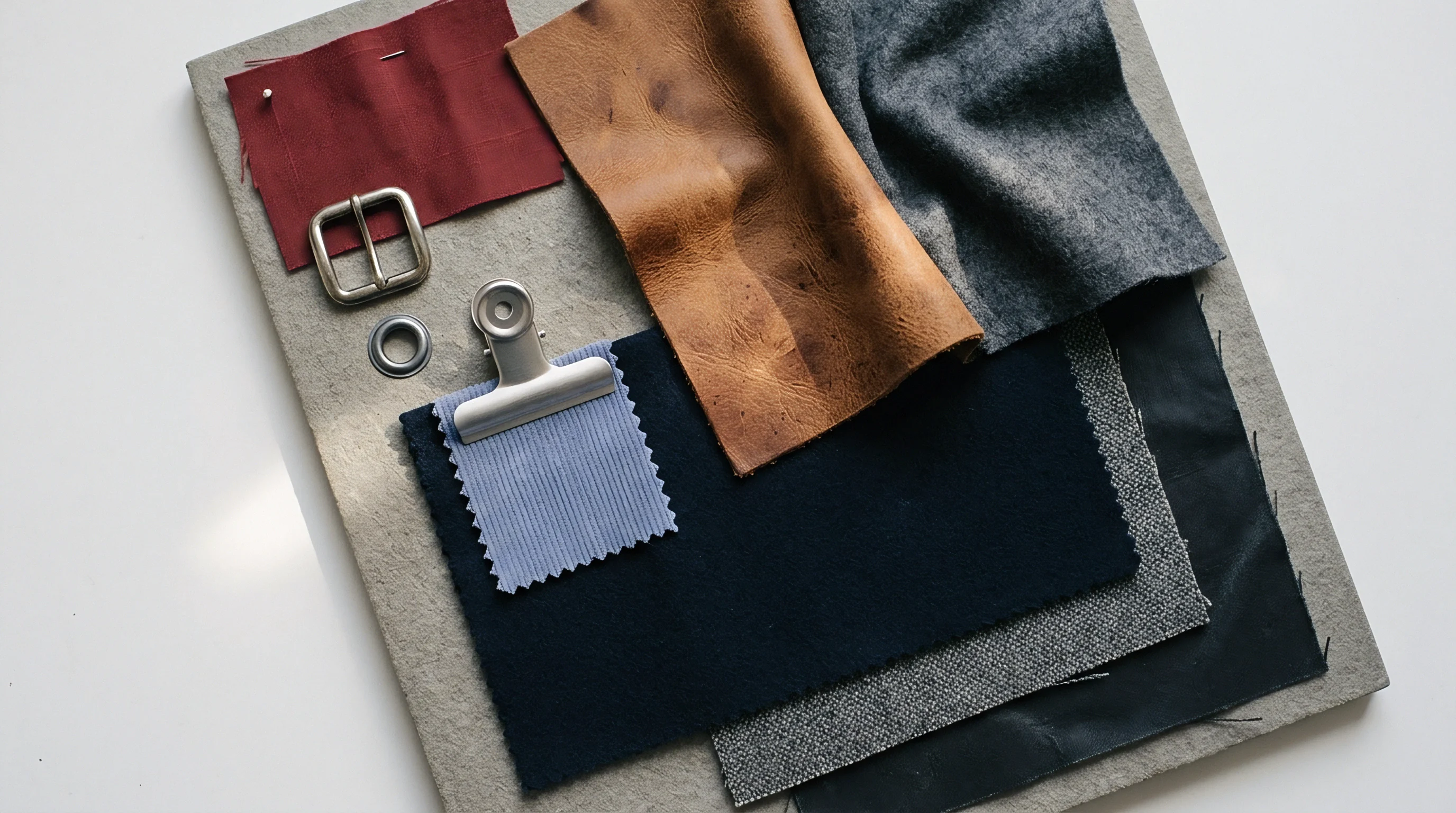
Customs Detention and Retest Penalty Mechanics
Port authorities impound containers when physical sample chain documentation fails verification checks. Direct hold costs accrue daily during regulatory detentions. Daily container demurrage fees average 250 USD per day.
Storage and terminal handling charges add 150 USD per day. Third-party laboratory re-testing covering a full restricted substance suite costs approximately 1,200 USD per sample set, while mandatory third-party witness sampling under customs supervision adds an immediate 850 USD administrative fee.
Over a typical thirty-day port hold cycle, direct detention costs accumulate rapidly: 7,500 USD in demurrage, 4,500 USD in port storage, 1,200 USD in lab testing, and 850 USD in witness sampling fees. Direct hold expenditures total 14,050 USD, representing nearly nine percent of the shipment’s total commercial value. If laboratory re-testing confirms chemical non-compliance due to broken chain verification, port authorities forfeit or destroy the entire 160,000 USD cargo, leaving the importer liable for destruction costs exceeding 3,000 USD.

Commercial Risk Allocation in Unverified Swatch Disputes
Purchase orders distribute retesting fees and storage costs before sampling takes place. Standard commercial contracts without explicit chain of custody clauses leave importers fully exposed to border detention expenses. Inserting physical sample verification clauses shifts financial liability back to the manufacturing mill whenever original physical retain swatches fail secondary verification checks at accredited third-party facilities.
| Failure Point | Operational Consequence | Direct Cost Impact | Liability Allocation |
|---|---|---|---|
| Unsealed Sample Courier Packaging | Laboratory rejection due to suspected moisture contamination | 450 USD courier re-shipment plus 3 days delay | Buyer or sampling agency |
| Missing Swatch Edge Barcode Tag | Inability to link swatch to transaction certificate | 1,200 USD full chemical re-test suite | Finishing mill facility |
| Mismatched Fabric Weight Declarations | Customs container hold and mandatory physical inspection | 14,050 USD typical 30-day demurrage and hold fees | Importer of record |
| Defective Archival Retain Storage | Inability to present valid referee specimen during audit | 160,000 USD complete cargo forfeiture and disposal fees | Manufacturing supplier |
Broken physical chain of custody converts routine chemical inquiries into total shipment write-offs while transferring all customs penalties directly to the importer of record.