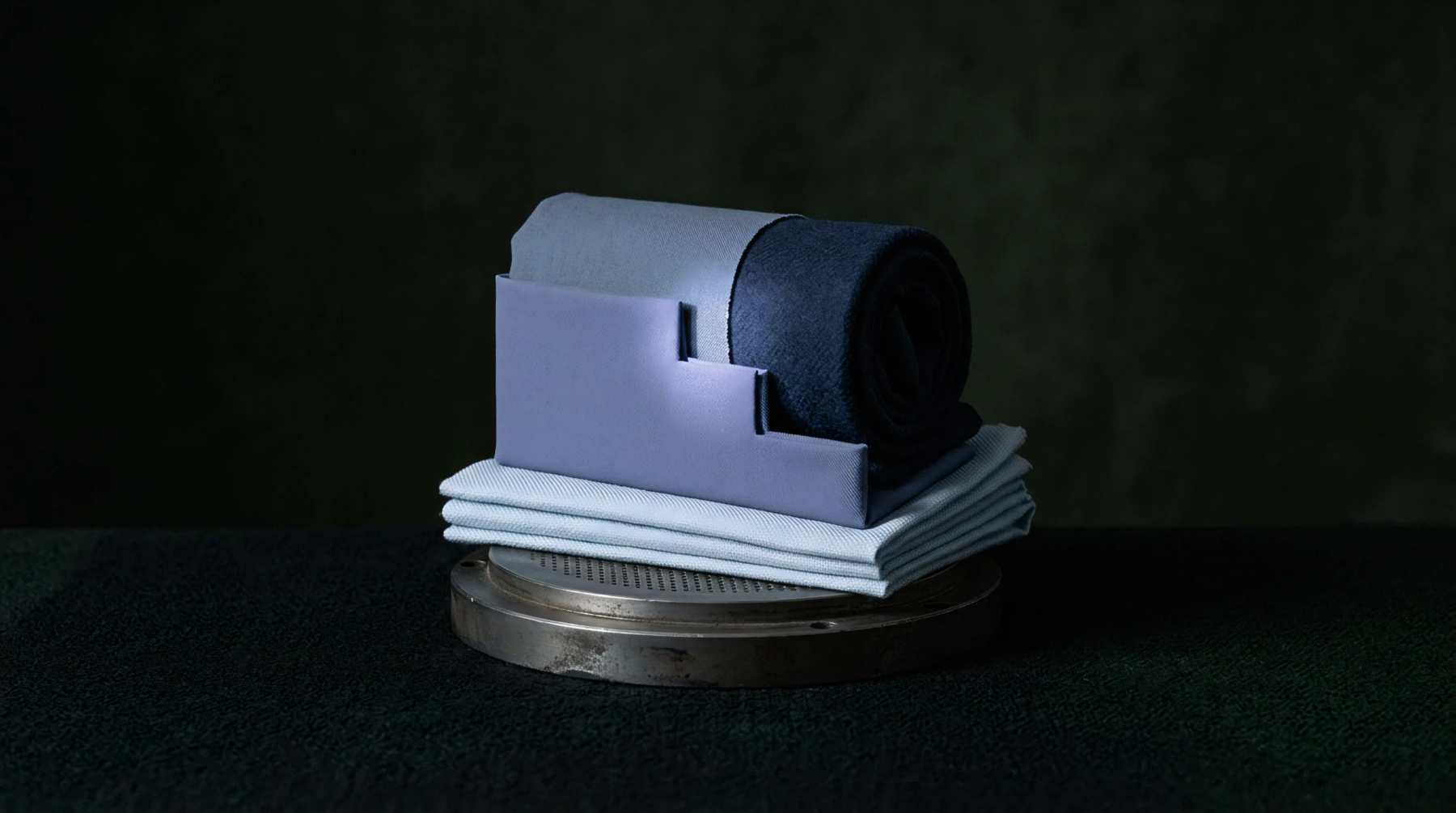
Count Density
Textile construction is defined by the number of threads per unit length in both the vertical and horizontal directions. The standard known as iso 7211-2 provides a method for the determination of the number of threads per unit length in woven fabrics. It is a fundamental measurement used to describe the density and the quality of the weave, often referred to as the thread count.
This value determines the weight, the strength and the opacity of the material, making it a critical parameter for both apparel and industrial textiles. A higher count generally indicates a finer, more tightly woven fabric with a smoother surface. It ensures that the fabric meets the technical specifications required for its intended use.
Thread Frequency
The measurement procedure involves the use of a counting glass or a travelling microscope to observe a specific length of the fabric. Under the iso 7211-2 protocol, a technician counts the number of warp ends and weft picks per centimetre or per inch at several locations across the roll. This average count provides a representative value for the entire production lot, accounting for any small variations in the loom’s performance.
The standard also specifies how to handle fabrics with complex patterns or those that are extremely dense and difficult to see. Accurate counting is essential because even a small discrepancy can change the weight and the cost of the fabric. This data helps weavers maintain the correct tension and density during the production process.
Every thread in the measured area contributes to the final reported density.
Industrial Verification
Quality control teams and textile buyers use these measurements to ensure that the bulk production matches the original sample provided by the mill. Testing against iso 7211-2 is a mandatory step in the inspection process to verify that the factory has used the correct number of yarns. If the thread count is too low, the fabric may be too open and lack the necessary durability or appearance for the final product.
This objective data provides a clear basis for accepting or rejecting a shipment based on the agreed technical standards. It also helps in calculating the amount of yarn needed for a production run and the final cost of the material. The results are documented in a formal test report to provide a traceable record of the fabric’s construction.
Consistent thread counts are a sign of a well managed weaving operation.
Physical Bound
Accuracy of the count can be affected by the type of weave and the presence of any surface finishes that obscure the individual threads. If the fabric has been heavily napped or coated, the iso 7211-2 method may require the removal of the finish to see the underlying structure. The measurement stops being a reliable indicator of quality if the yarns are extremely irregular or if the fabric has been significantly distorted during finishing.
This metric does not account for the thickness of the yarns or the overall weight of the fabric, only the frequency of the threads. It provides a two dimensional measure of density rather than a complete profile of the material’s substance. Manufacturers must balance the thread count with the yarn size to achieve the desired fabric properties.
High density weaves can lead to stiffness and reduced breathability in some applications.