Fabric Specification
The total number of warp and weft yarns counted within a square inch or centimeter of woven fabric determines its weight, durability and hand feel. This thread density is a critical quality benchmark that mills must verify against buyer specifications before shipping. It represents the structural compactness of the woven material.
By specifying this count, buyers ensure that the fabric will not deform under laundry stresses or allow excessive air permeability in windproof apparel.
Counting Procedure
Operators use a pick glass or automated optical scanner to count the individual threads in both directions. The two numbers are added together to express the total count. This measurement is taken at several points across the fabric width to ensure uniformity.
Product Quality
High thread density is associated with smoother, more durable fabrics that are less prone to yarn slippage. Low-density fabrics are more breathable but may have lower tensile strength. This balance determines the suitability of the fabric for specific end uses like bedding or apparel.
Weaving Optimization
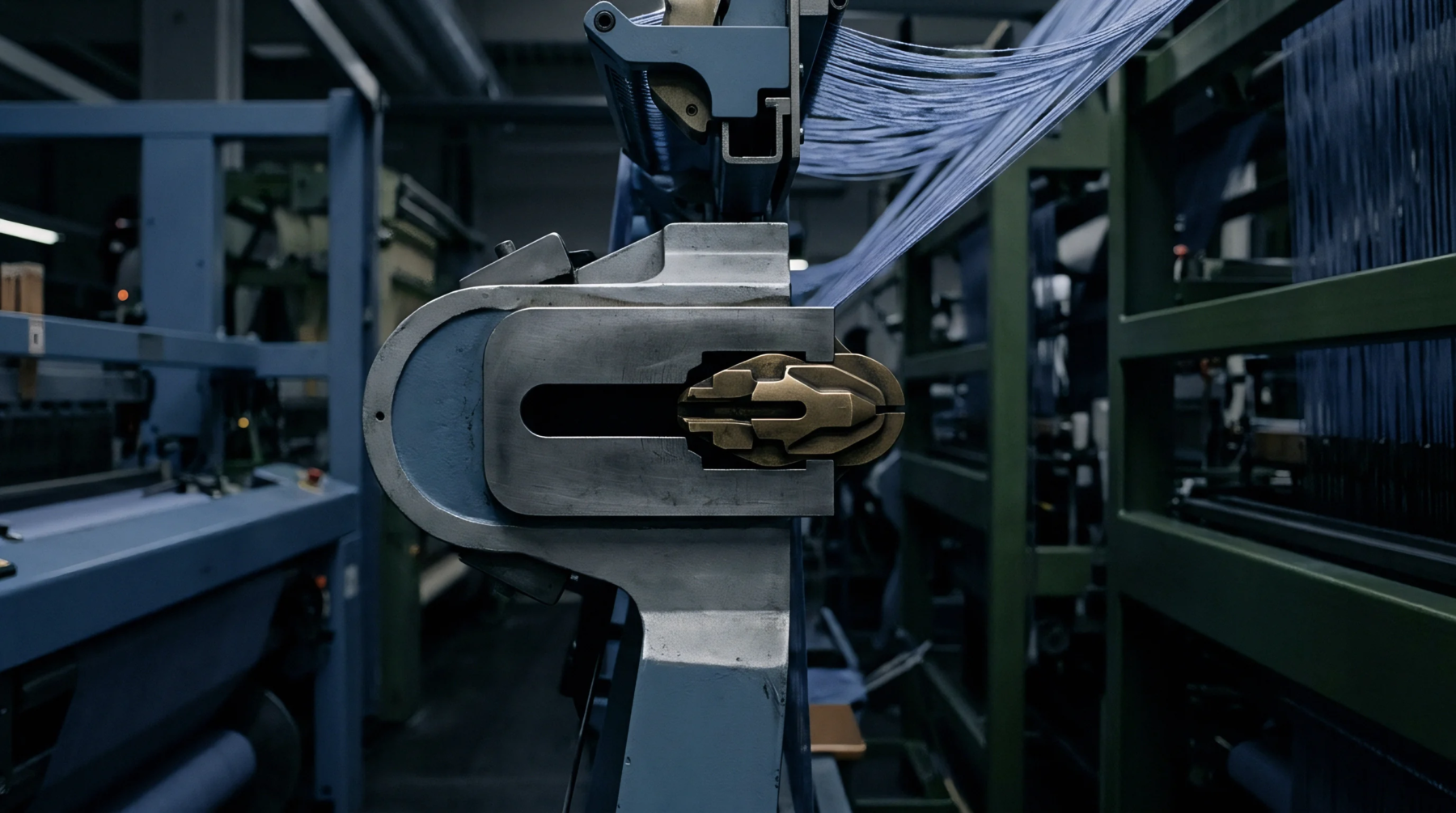
Electronic take-up systems on the loom control the spacing of the weft yarns to achieve the targeted density. Adjusting yarn tension and loom speed keeps the thread density stable. This constant adjustment avoids variances in fabric weight across the production run.