Thermal Evaporation
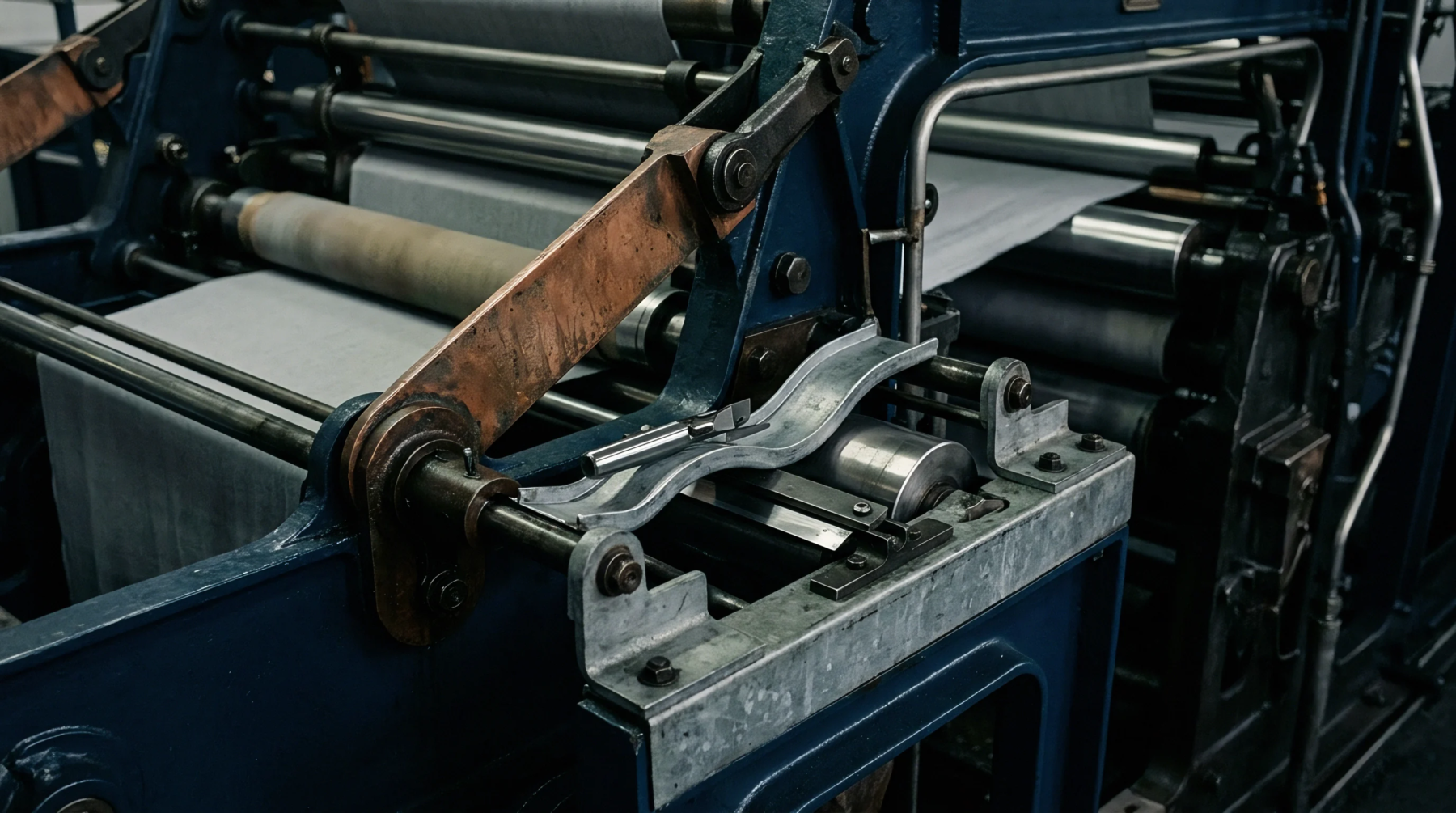
Thermal moisture removal in textile mills relies on passing wet fabric over a series of heated rotating metal drums. This method is called cylinder drying and it rapidly lowers the moisture content of yarn sheets or woven fabrics. Steam circulated inside the cylinders provides the heat required for continuous operation.
Mechanical Action
Contact with the hot polished surfaces transfers energy directly to the damp material, driving off water as steam. The tension of the fabric as it wraps around the drums must be carefully balanced to prevent stretching or tearing. Many mills arrange these drums in vertical stacks to save floor space while maximizing drying speed.
Production Control
Control systems monitor the surface temperature of each drum and the speed of the fabric web. Incorrect speeds can leave the fabric damp or lead to over-drying, which degrades the fiber strength.
Mill Implication
Efficient cylinder drying is essential for preparing fabric for subsequent chemical finishing or storage. If the fabric is dried too quickly, it may develop a harsh handfeel or suffer from heat-induced yellowing. Quality assurance inspectors check the residual moisture content at the exit of the drying range to ensure it matches the target specification.