Construction Metric
Fabric construction metrics measure the number of weft or filling yarns present in a single unit of length along the warp direction of a woven material. Picks per centimetre provides a precise indication of the weave density and the tightness of the fabric structure. This measurement is a critical part of the specification for any woven textile and it directly affects the weight and the performance of the fabric.
Visual Inspection
A glass or a digital counter is used to verify this count on the loom or in the finished goods. A technician places the counting device on the fabric surface and counts the number of individual weft yarns within a one-centimetre distance. This is done in several different places across the width and length of the roll to ensure that the count is consistent.
If the number of picks per centimetre varies, it indicates that the loom’s take-up motion is not working correctly. This can cause the fabric to have a wavy or uneven appearance, which is a major quality defect. By monitoring the count in real-time, the weaver can make adjustments to the machine to keep the production within the specified range.
The results are recorded on the inspection report and are used to verify that the fabric meets the buyer’s requirements.
Physical Characteristics
Higher pick counts generally result in heavier, more durable fabrics with better cover and reduced permeability. When the yarns are packed more closely together, the fabric becomes stronger and less likely to snag or tear. This is why a high pick count is often specified for workwear and other high-performance apparel.
On the other hand, a lower pick count results in a more open and breathable fabric, which is ideal for lightweight summer clothing. The count also affects the way the fabric drapes and its resistance to wind and water. By changing the number of picks per centimetre, the manufacturer can create a wide range of different fabric types from the same warp yarns.
This versatility is one of the strengths of the weaving process.
Process Monitoring
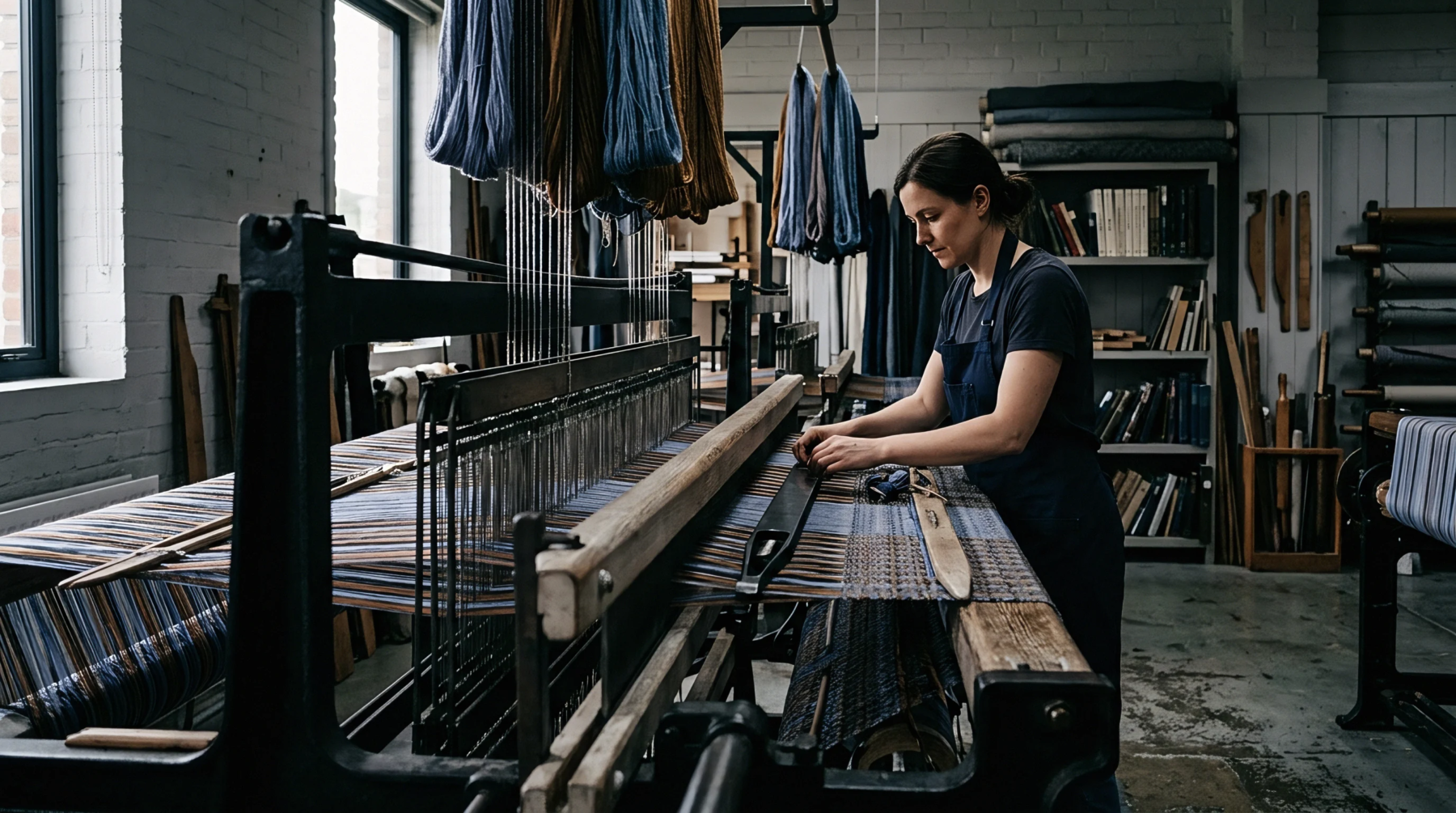
Weavers adjust the take-up motion of the loom to maintain this value according to the customer specification. This is done by changing the gears or the digital settings that control how fast the fabric is pulled through the machine. If the fabric is being produced too slowly, the pick count will be too high.
If it is being produced too fast, the pick count will be too low. The mill must balance the production speed with the quality requirements to maximize their efficiency. Regular testing of the finished goods is used to confirm that the loom settings were correct and that the fabric is consistent from the beginning to the end of the roll.
The data from these tests is shared with the garment factory so they can plan their cutting and sewing operations. Accurate measurement of the pick count is essential for maintaining the reputation of the mill and for ensuring the satisfaction of the customer.