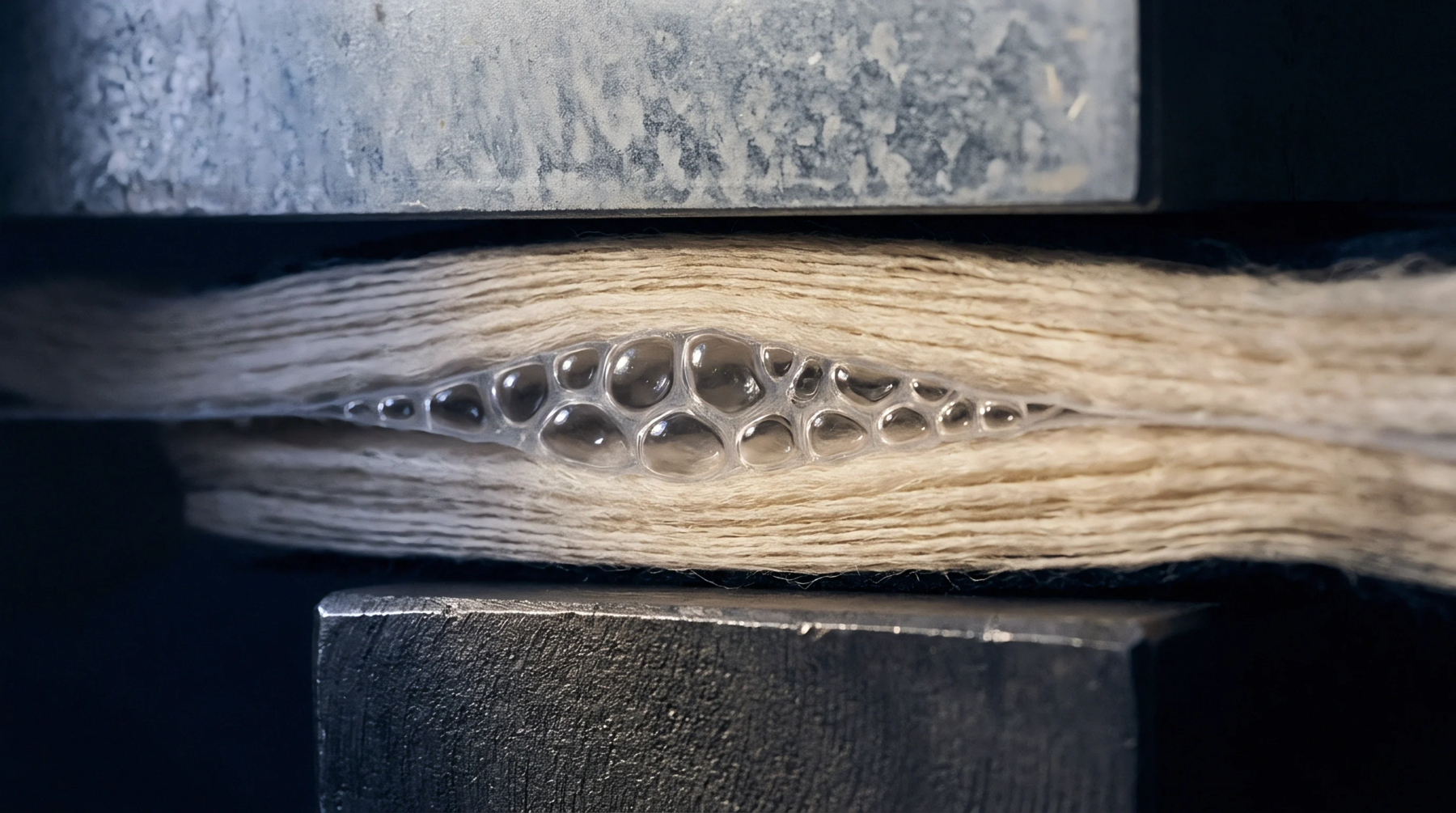
Determining Combed Fiber Migration Dynamics in Rotor Spinning
Combed fiber migration in rotor spinning improves yarn tenacity when opening roller speeds match rotor groove centrifugal force boundaries.
Combed fiber migration in rotor spinning improves yarn tenacity when opening roller speeds match rotor groove centrifugal force boundaries.
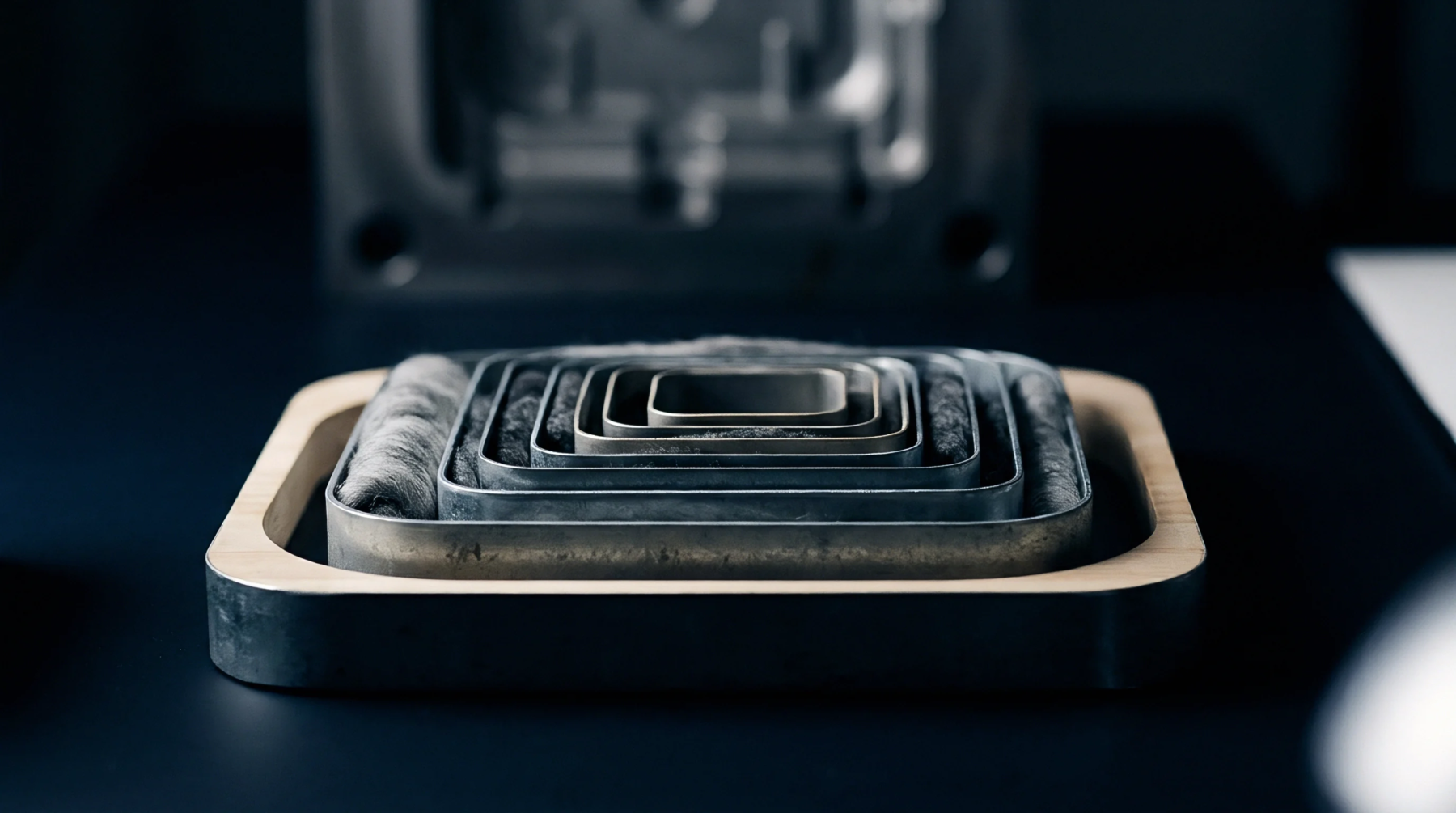
Dynamic warp-to-weft crimp interchange during wet finishing dictates final width shrinkage, requiring precise reed width calculation and controlled stenter overfeed.

Exceeding yarn critical compressive buckling load during stenter overfeed causes irreversible out-of-plane cockling and catastrophic selvedge scrap.
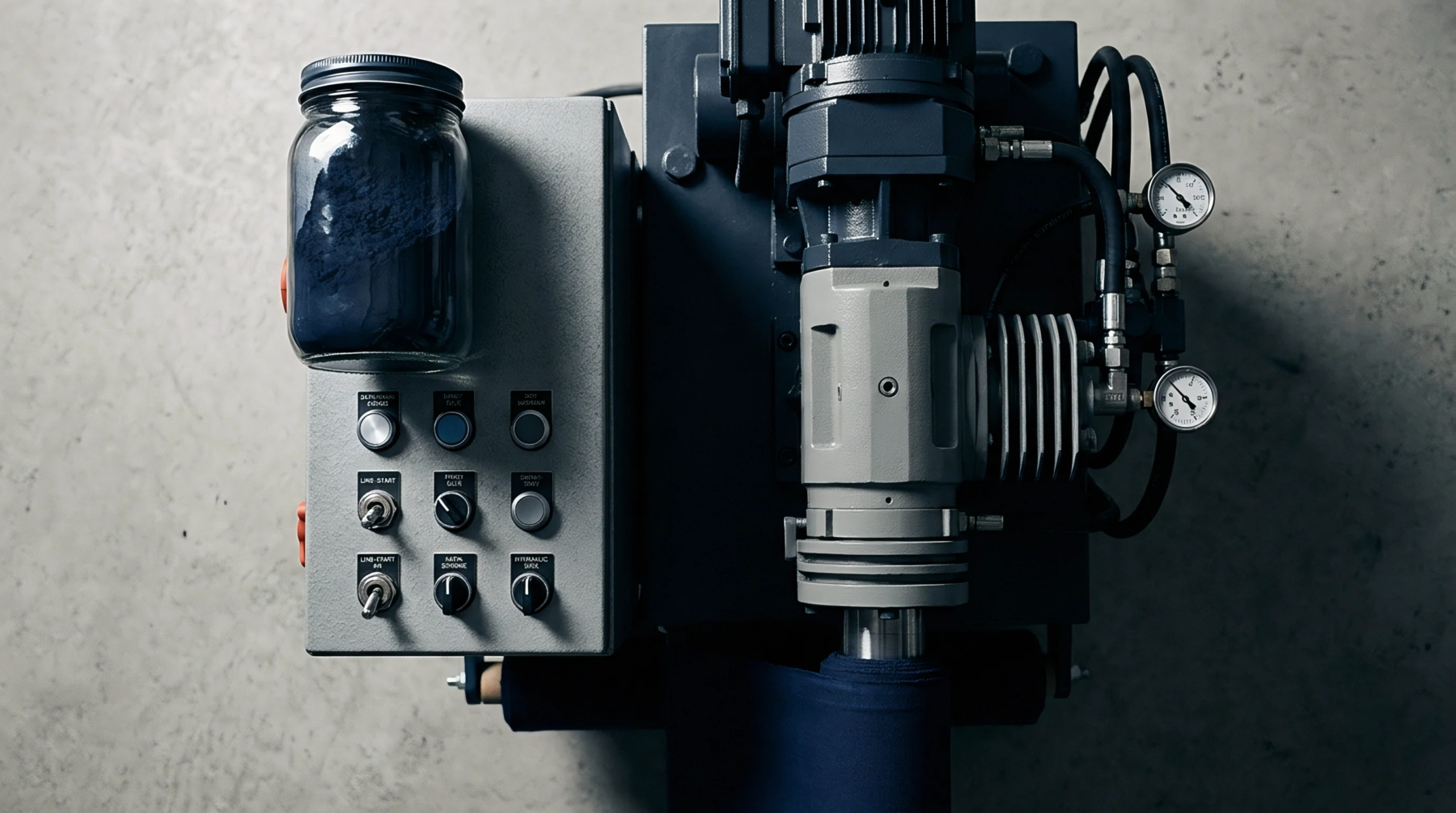
Dual nozzle air spinning forces finer fibers into yarn sheaths, creating radial composition gradients that distort surface durability and customs declarations.

Gravimetric conversion of optical fiber distributions distorts blend mass by squaring diameter tails, misreading ellipticity, and ignoring medullary voids.

Raw cashmere quality depends on mean fibre diameter and residual coarse hair content, determined via ISO 17751 microscopy or optical image analysis.
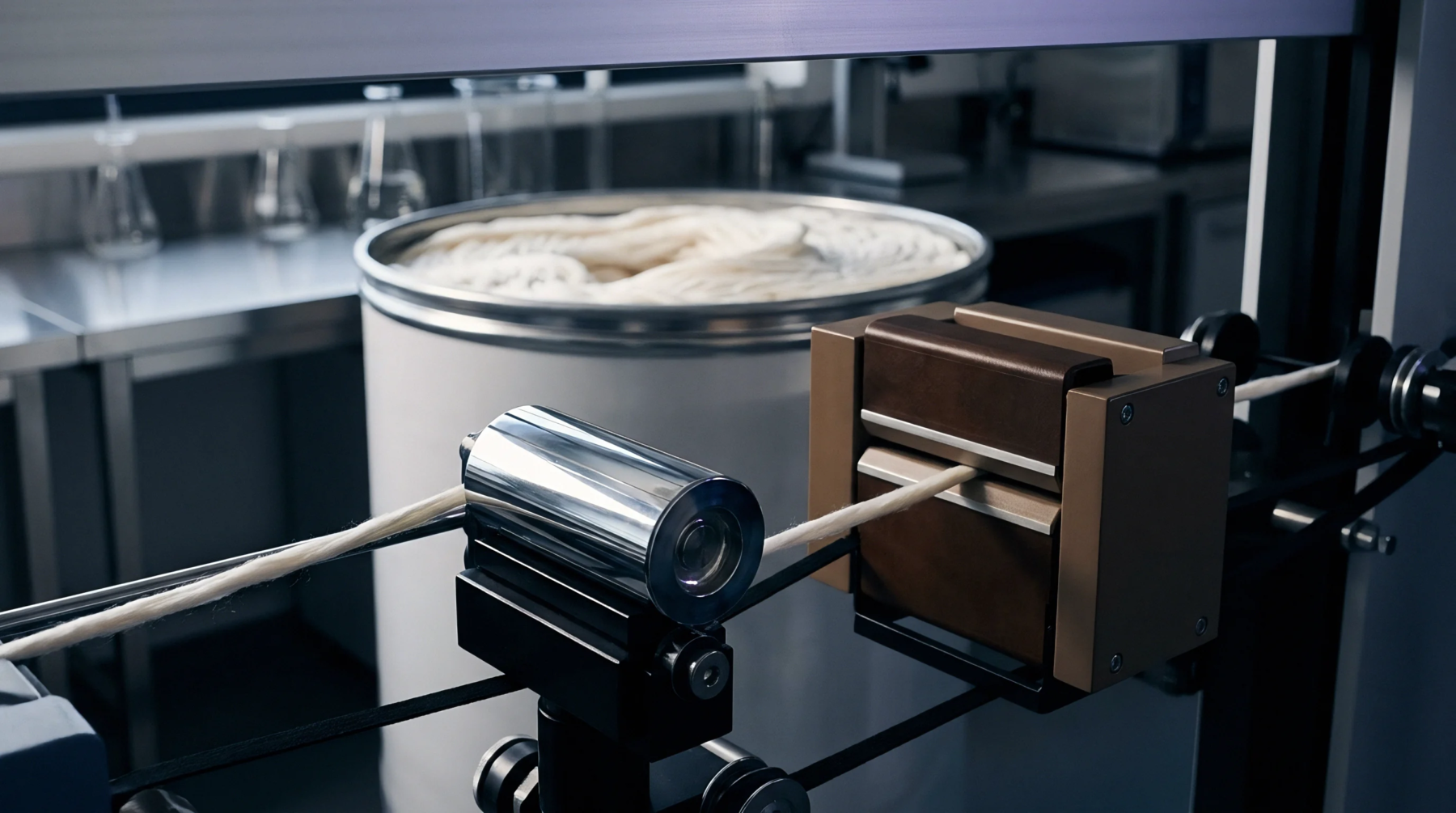
Decoupling maturity from linear density prevents high-speed ring spinning ends-down and dye resist neps by specifying double airflow and individual fiber optics.
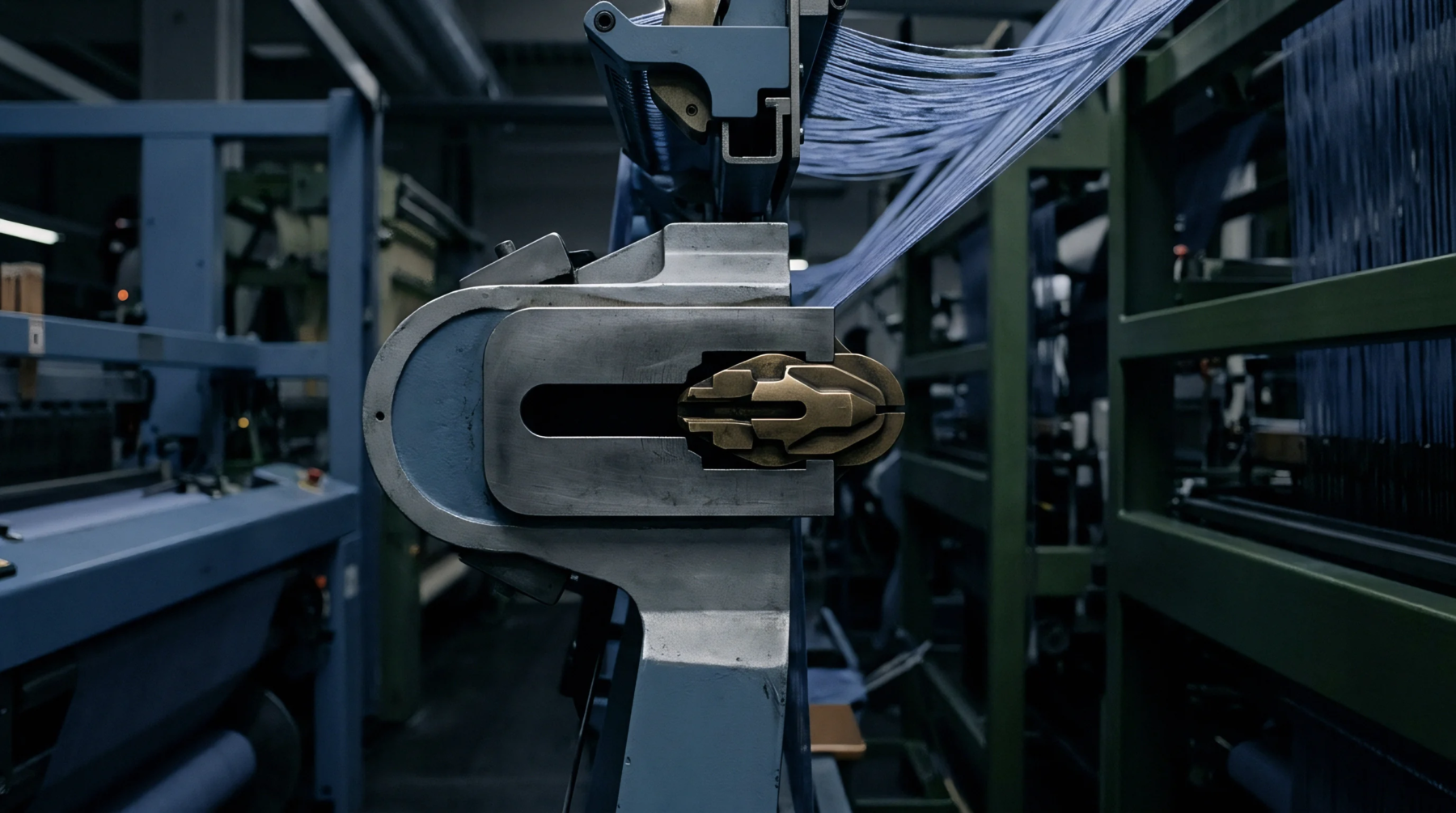
Warp and weft crimp exchange during wet finishing balances longitudinal overfeed and lateral rail draft to set fabric weight and arrest post-wash shrinkage.
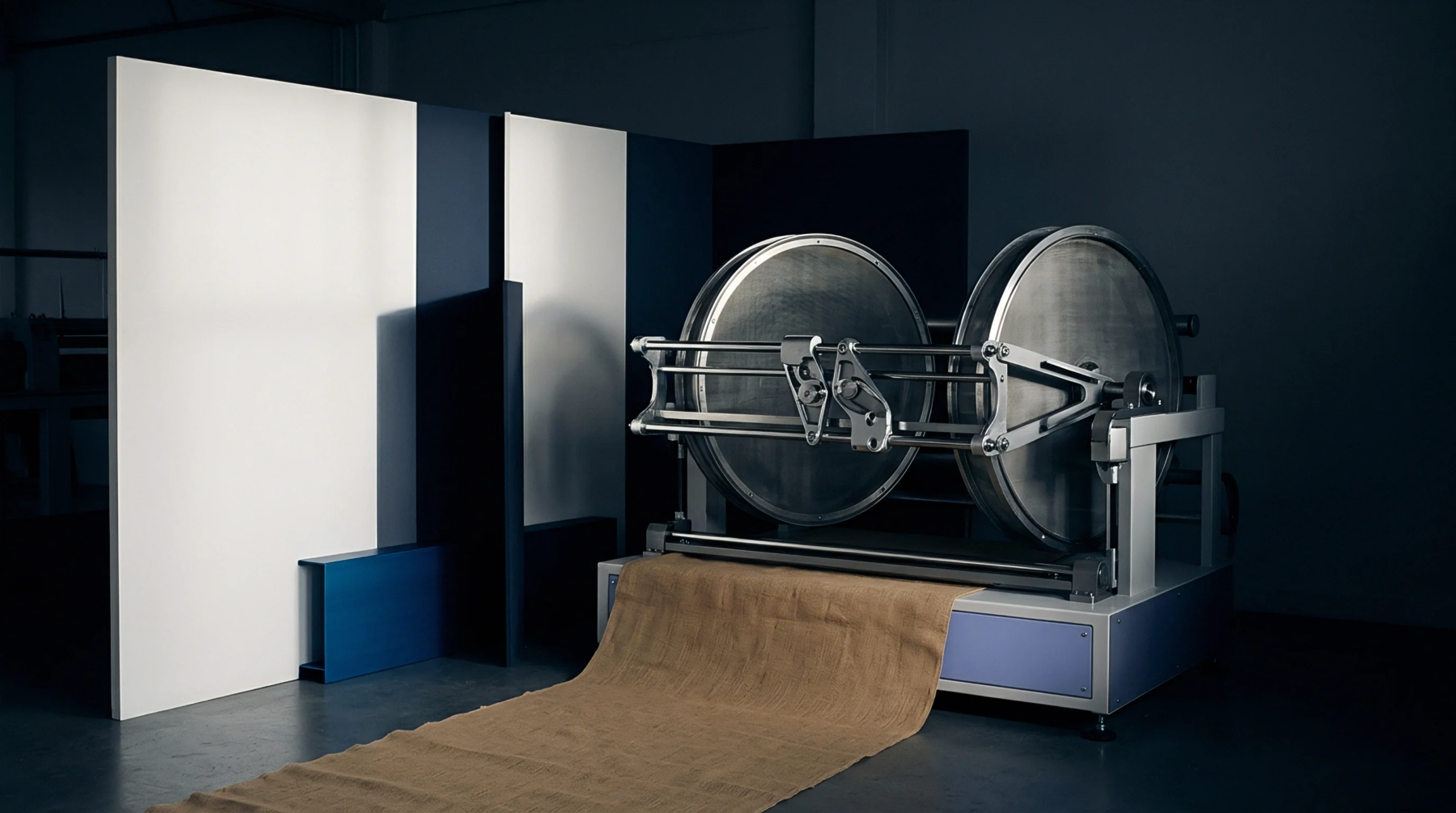
Mathematical overfeed modeling balances longitudinal compressive force against thermal viscoelastic relaxation to lock target crimp geometry and control finished GSM.
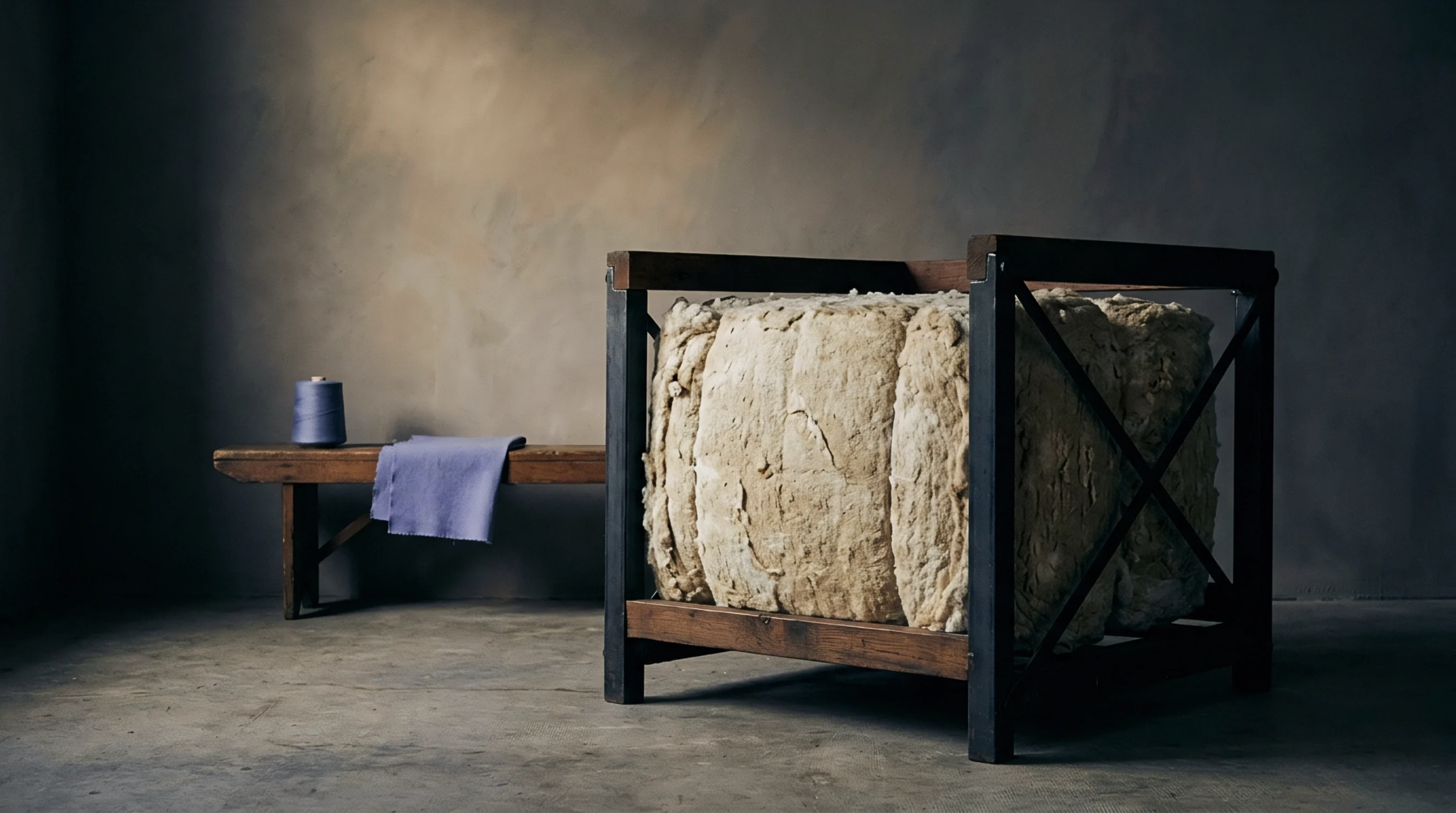
Determining raw cashmere value requires combined OFDA micron profiling and oven-dry yield mass balance testing to calculate true clean dehaired cost.
Expertise is a utility, not a secret. sentiention™ publishes its working knowledge as open reference: intelligence layer covering the materials it sources, the markets it enters, and the reference that serves both.