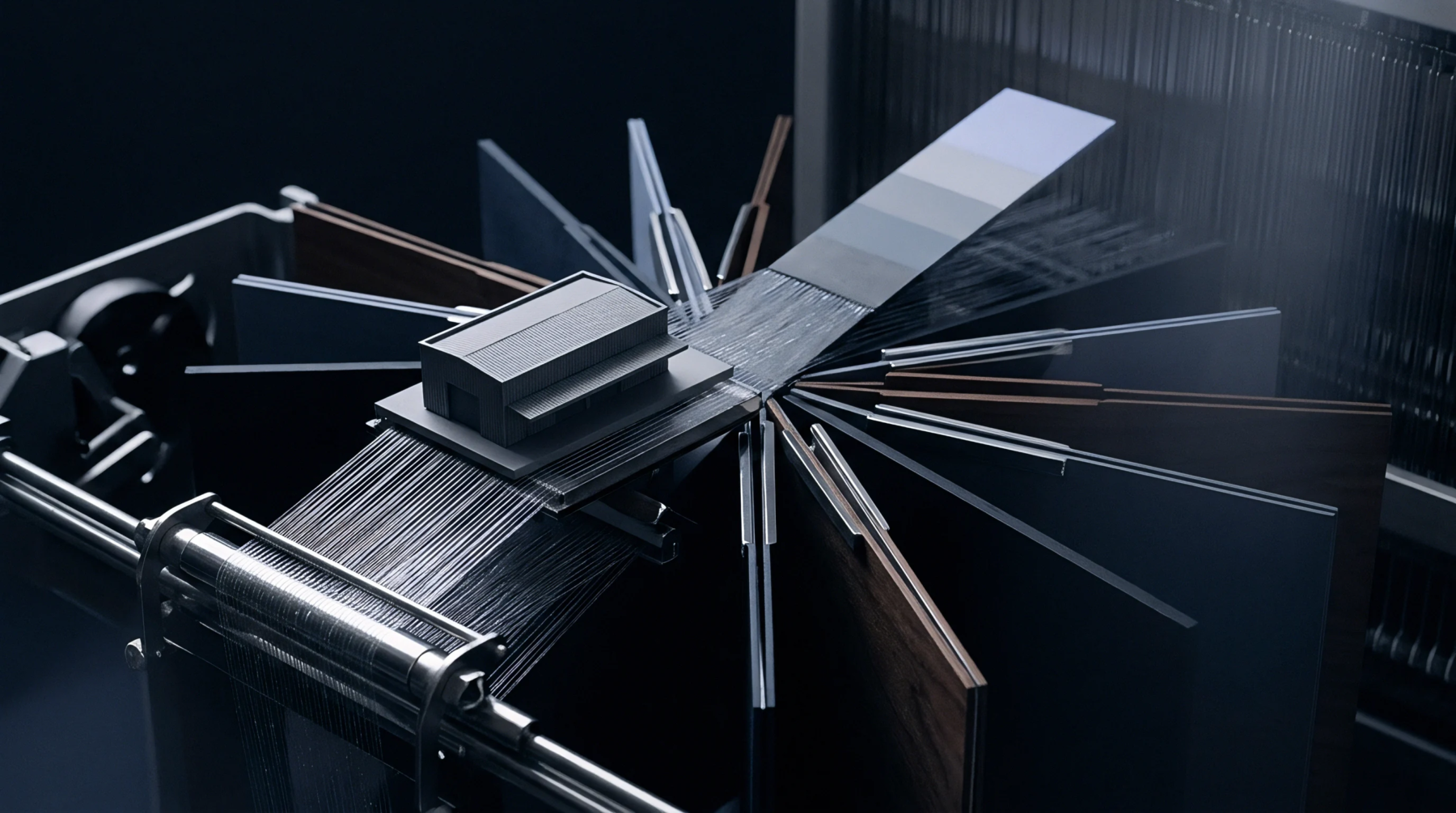
Feed Coordination
Control mechanism in textile finishing that coordinates the speed of the fabric entry rollers with the speed of the transport chains to manage fabric tension. To prevent residual shrinkage in finished garments, overfeed synchronization allows more fabric to be fed into the stenter than the chains pull through. This intentional bunching ensures that the fabric is dried in a relaxed state, which locks in its final dimensions.
Process Logic
The ratio between the entry speed and the chain speed is precisely calculated based on the fabric weight and the expected shrinkage of the yarn. Overfeed synchronization prevents the fabric from being stretched during the high-temperature drying phase.
Performance Impact
Knit fabrics rely heavily on this setting because their looped structure is highly prone to distortion under tension. If the overfeed synchronization is incorrect, the fabric will shrink excessively after the first wash, leading to complaints from retailers and consumers. Quality inspectors check the wales and courses per inch before and after the stenter to verify that the overfeed has achieved the desired density.
Operational Range
Mechanical limits of the system mean it is effective only if the pins or clips on the stenter chains maintain a secure hold on the fabric edges throughout the entire oven length.