Mechanical Constraint
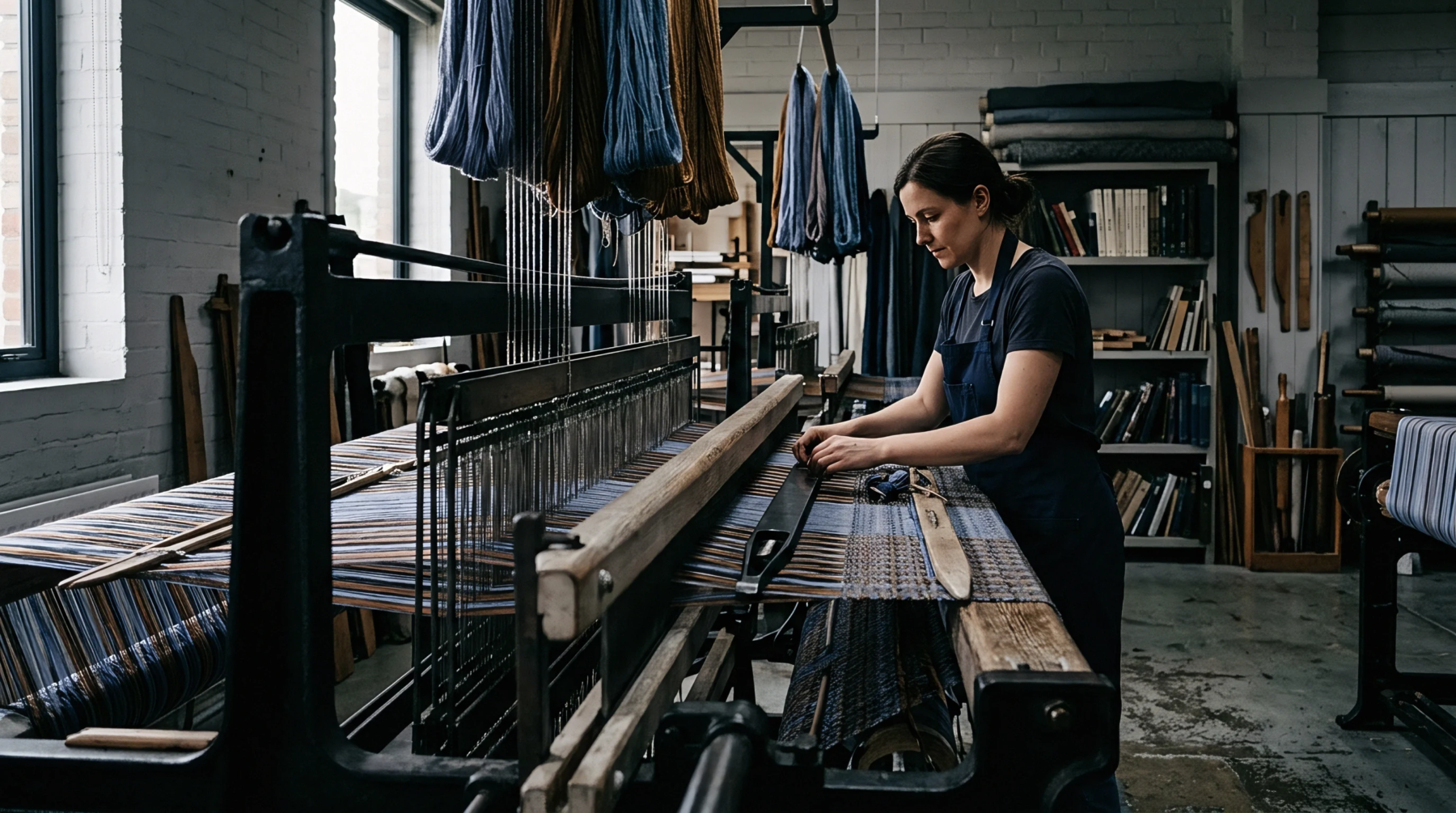
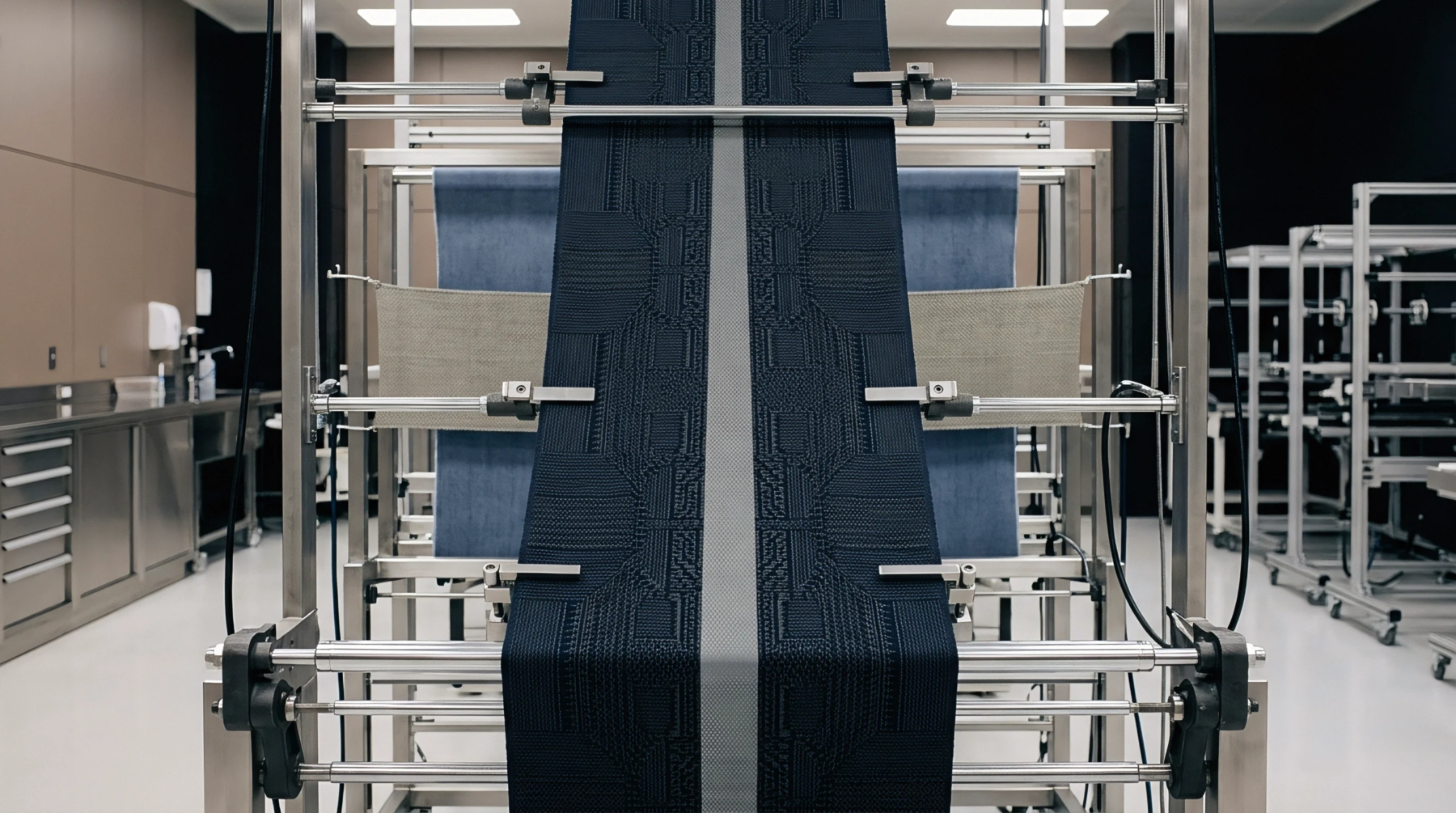
Controlled resistance applied to a strand during unwinding or processing defines yarn pretension. This tension ensures that the material maintains a specific load before it enters knitting needles or loom components. Uniformity in this force prevents loops from slackening or breaking under the high speeds found in modern textile equipment.
Excessive pull degrades the integrity of sensitive fibres, while insufficient drag leads to irregular fabric density.
Operational Dynamics
Adjustment mechanisms within the creel or feeding assembly regulate the force exerted on the moving line. Springs, friction discs, or magnetic actuators hold the strand against a calculated drag, keeping the physical state stable during delivery. These devices react to speed fluctuations to maintain constant input, preventing the material from surging or dragging as the supply package diameter shrinks.
Each adjustment point acts as a buffer to stabilize the movement from the bobbin to the formation zone.
Quality Impact
Variability in the drag force produces observable defects in the final textile structure, such as dropped stitches or uneven gauge. If the load exceeds the yield point of the filament, the material thins or snaps, halting the production line entirely. Precise calibration allows the technician to match the force to the specific tensile properties of the yarn, which prevents permanent deformation before the formation process occurs.
Consistency here governs the geometric uniformity of the product.
Verification Protocol
Assessment of this parameter occurs through calibrated sensors that measure force in grams or centinewtons during active throughput. Technicians compare these values against the requirements set by the equipment manufacturer or the technical specifications of the fibre type. Measuring the force at multiple points across the feeding path identifies uneven resistance caused by worn contact surfaces or debris buildup.
Proper monitoring of these forces confirms that the input conditions remain within the established range for production.