Processing System
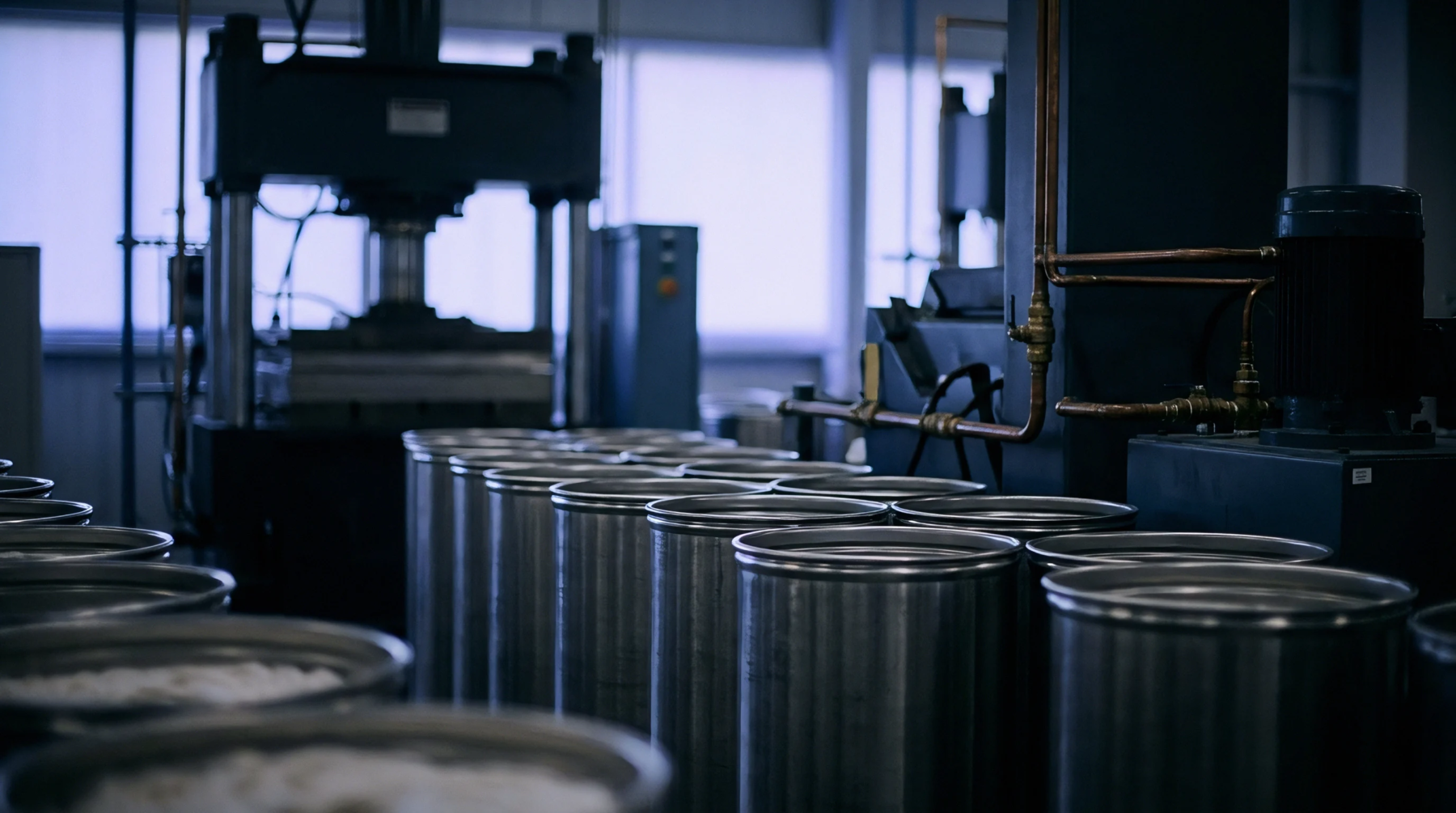
Automated finishing lines apply chemical treatments to fabric webs in a single uninterrupted run to maximize throughput. The continuous wet processing method integrates preparation and dyeing into a unified sequence to replace separate batch steps.
Chemical Delivery
Dye and finish concentrations are maintained through automated replenishment pumps rather than static baths. The fabric passes through padder rollers that express excess liquor, which returns to the feed tank. Fabric speed and squeeze-roller pressure must be coordinated to prevent shade variation along the length of the run.
Continuous monitoring of bath density prevents depletion of the active components.
Process Control
Sensors measure moisture content and chemical concentrations at critical transition points. If the drying oven temperature falls, the line speed must adjust to prevent incomplete fixation of the dye. Modern installations use inline spectrophotometers to track shade consistency in real time.
This rapid feedback allows operators to correct chemical flow before major yardage is ruined.
Production Boundary
While highly efficient for large runs of a single color, this setup is poorly suited for short batches. Every change of color or fabric style requires a complete shutdown and washdown of the entire machinery sequence. This creates massive volumes of wastewater during changeover and uses large amounts of energy to reheat the baths.
Consequently, plants must run thousands of meters of a single shade to offset the heavy start-up costs.