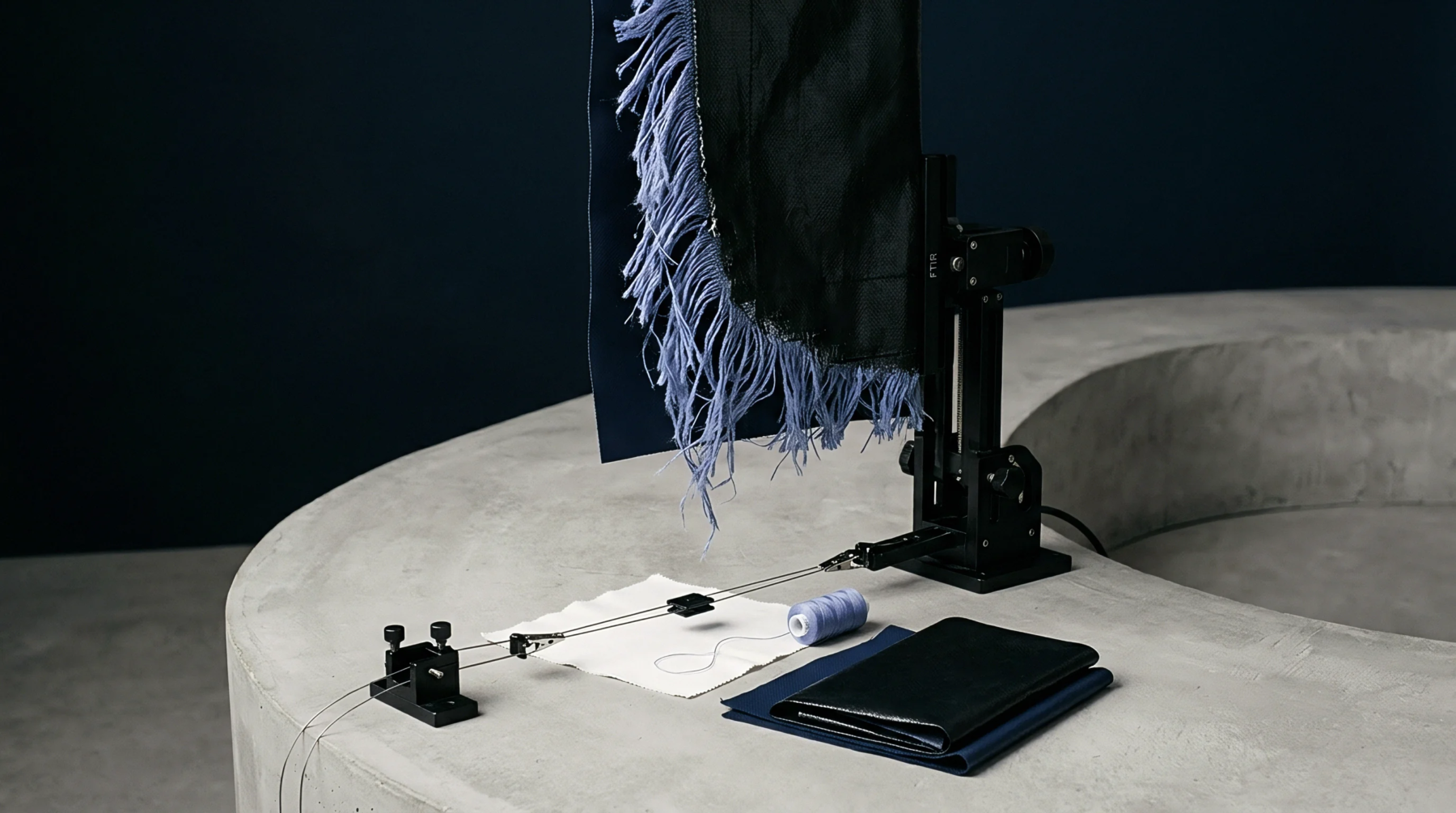
Physical Standard
The displacement tolerance of a stitched joining under applied tensile stress is measured as a seam opening during garment production quality assurance testing. Fabric construction density directly influences how much displacement occurs before yarn slippage or thread failure becomes visible on the retail side of an apparel item. Technical specifications define the acceptable threshold in millimeters for specific fabric weights during standard grab tests executed in certified testing laboratories.
Stress Resistance
Mechanical tension applied across a joined fabric panel during wear testing evaluates the structural integrity of the locked stitch formation. Directional pull perpendicular to the line of construction forces individual yarns to shift within the weave or knit matrix. High yarn count materials often resist displacement better than loose constructions because friction between intersecting yarns holds the ground material stable under load.
Boundary Limits
Acceptance criteria vary between woven and knitted goods due to inherent differences in elasticity and dimensional recovery after stretching. Standardized testing protocols require conditioned samples to undergo specific kilogram loads before technicians measure the permanent gap left behind in the material. Commercial contracts dictate the rejection threshold where excessive displacement compromises the durability of the finished garment before shipment from the manufacturing plant.
Inspection Protocol
Quality control technicians examine production lots by pulling randomized fabric samples on tensile testing machines to verify compliance with buyer specifications. Exact measurement of the final gap using digital calipers ensures that factory output meets international apparel standards without relying on visual estimation alone. Documented results from these evaluations establish liability between the textile mill and the garment contractor when structural performance fails during retail distribution.