Rail Separation
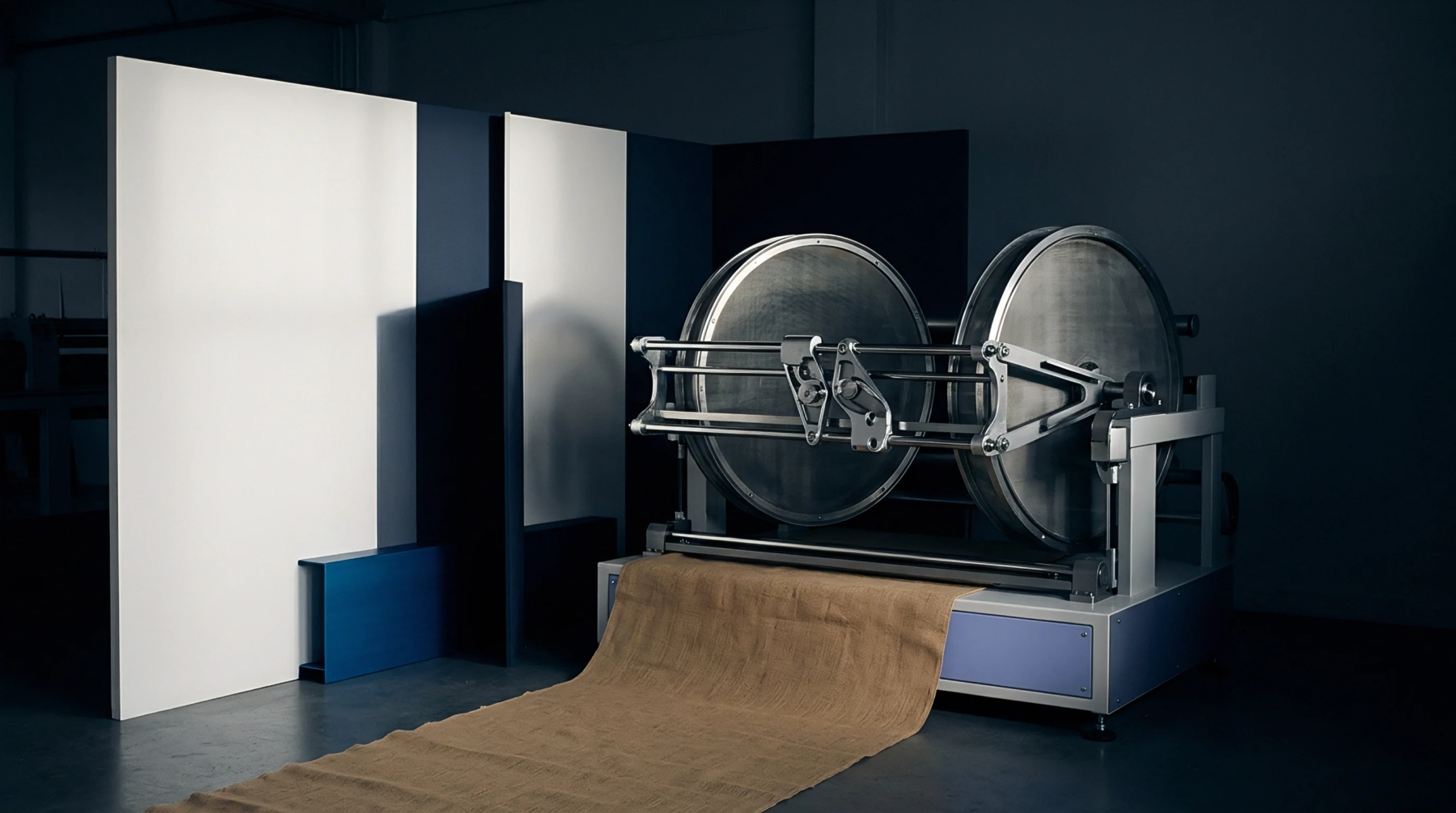
Width adjustments on a stenter frame require the mechanical tracks holding the fabric edges to diverge or converge along the length of the machine. This configuration is transverse rail divergence, which determines the rate and extent of widthwise stretching applied to the textile during drying or heat-setting. It controls the final width and weight of the finished cloth.
Width Expansion
As the fabric enters the machine, the rails spread apart to apply lateral tension to the damp material. This stretching opens up the weave or knit structure, helping to eliminate wrinkles and align the yarn loops. For polyester fabrics, this expansion is coordinated with the heat-setting temperature to lock in the widened dimensions.
Tension Coefficient
Lateral tension must be managed to prevent tearing the fabric margins or pulling the fabric off the pins. High divergence angles increase the stress on the fabric edges, which can lead to selvage damage or uneven fabric density. The rail angles are adjusted based on the initial and target fabric widths.
Operational Tolerance
Continuous width measurements ensure that the output remains consistent throughout the entire production run. If the divergence is set incorrectly, the fabric will be too narrow or too wide, which causes pattern nesting issues during garment cutting. Automated control systems track the rail positions to maintain the required dimensions within a few millimeters, avoiding costly rejection of fabric lots by garment sewing factories.