Defect Characterization
Visual defects in knitted or interlaced textiles often appear as repetitive horizontal streaks across the width of the roll. This pattern is called fabric barre and arises from physical or optical differences in the yarns or the knitting structure. The variation becomes prominent only after dyeing, when the streaks take up different amounts of dye.
Structural Causes
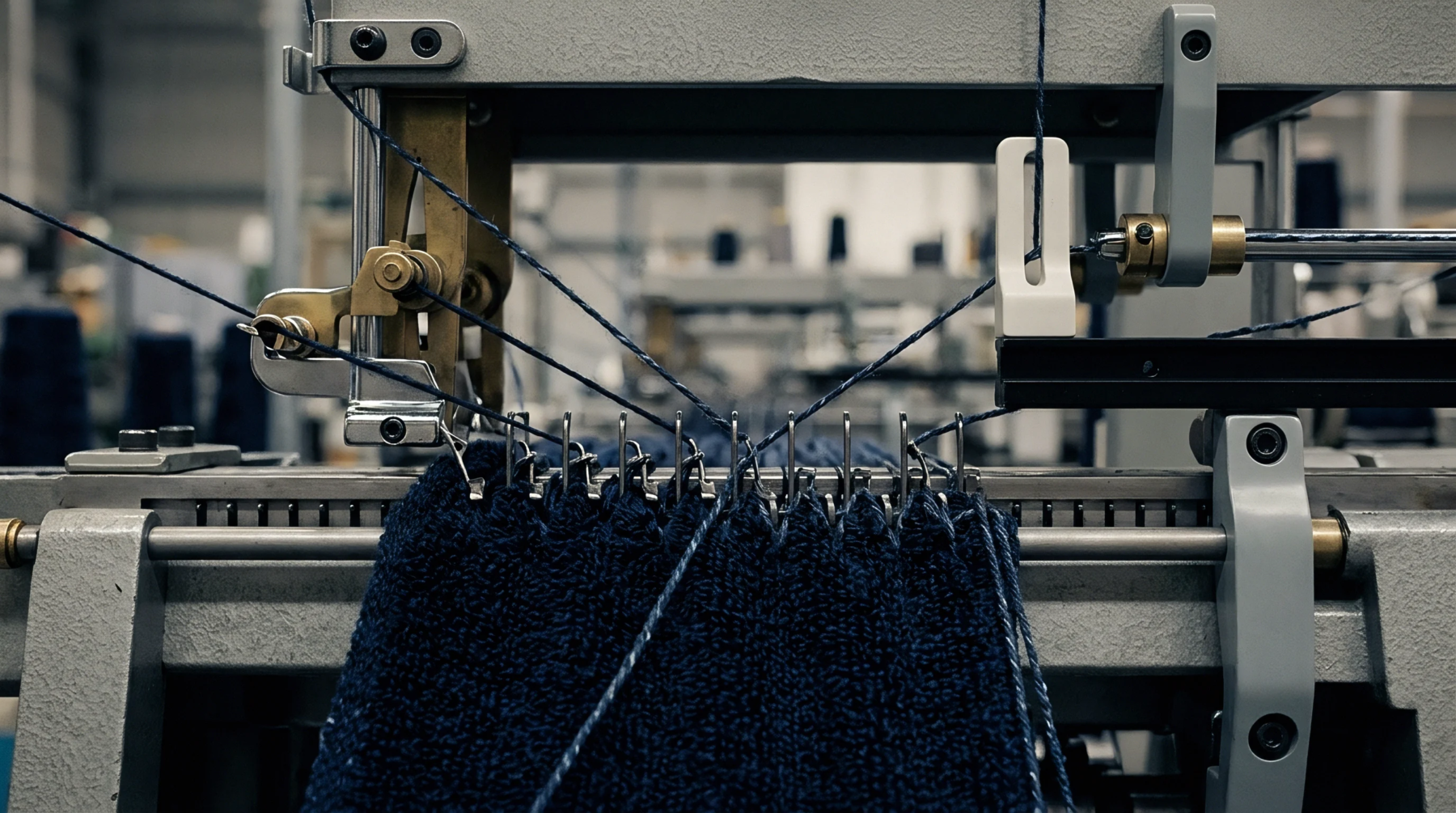
Yarn tension imbalances during the knitting process frequently generate these defects. If one feeder runs under higher tension, it creates tighter loops that reflect light differently than the adjacent courses. Similarly, yarn count variations or mixing different yarn lots in the same knit cycle will produce a visible band.
Dyehouse Impact
Chemical differences in the synthetic fibres also lead to this visual issue. Nylon or polyester yarns with uneven polymer orientation or carboxylic end group densities absorb dyestuffs at different rates. The resulting stripe pattern cannot be stripped or levelled without damaging the base fabric.
Inspection Routine
Quality control inspectors identify the presence of these bands using a lighted inspection table under diffuse light. This visual assessment is performed prior to cutting to prevent defective panels from being assembled into finished garments. When a mill inspection detects the fault, the affected rolls are downgraded to secondary quality to avoid costly claims from retail brands who would otherwise reject the finished apparel.
Detecting it early also helps the mill technicians adjust feeder tensions and yarn feed rates on the circular knitting machines before more fabric is produced.