Non Isothermal Stenter Heat Ramps and Synthetic Fiber Porosity Retention
Controlled stenter thermal ramps and optical pyrometry prevent microfibrillar fusion, preserving synthetic web porosity and contractual air permeance.
Profile
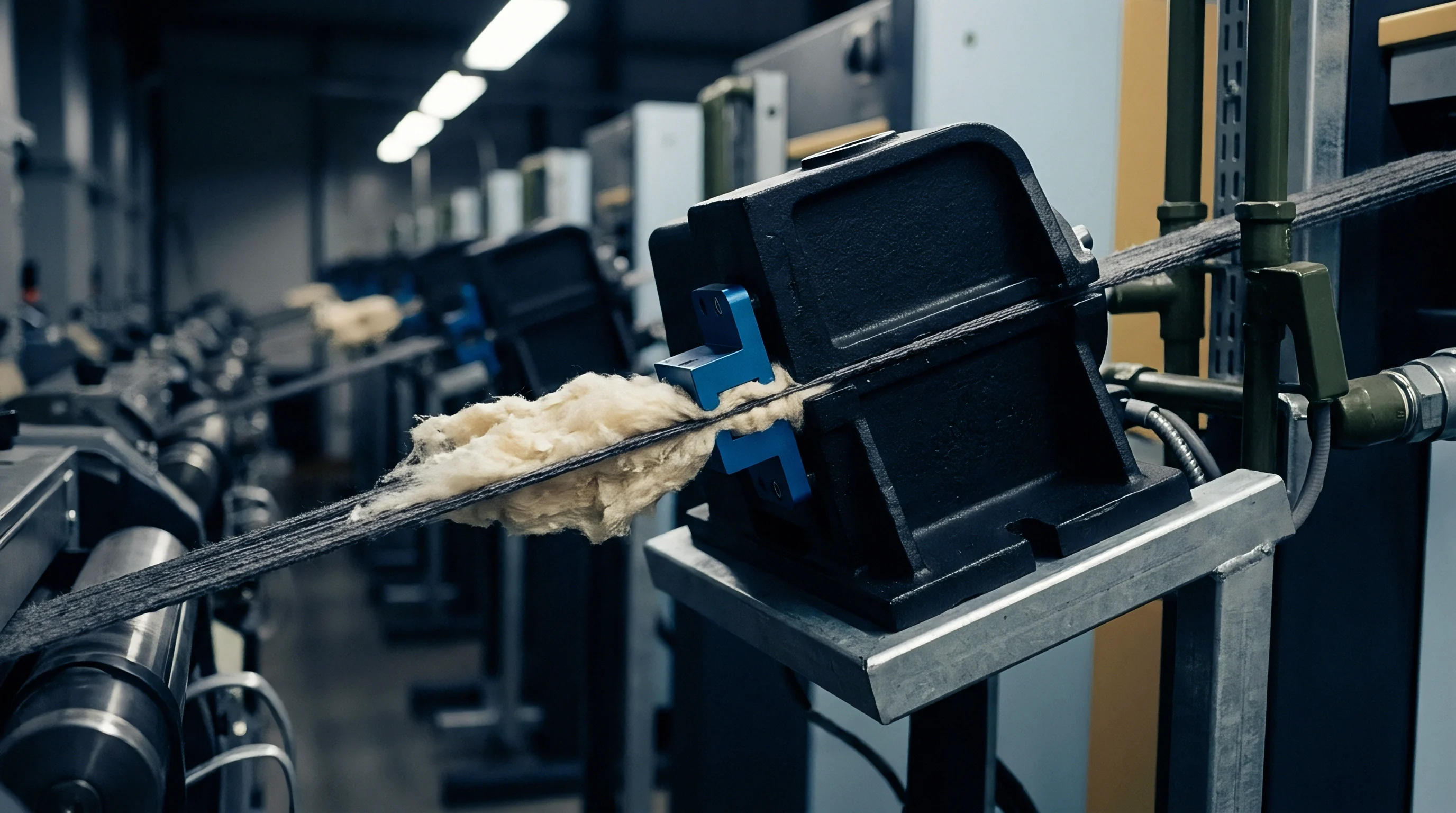
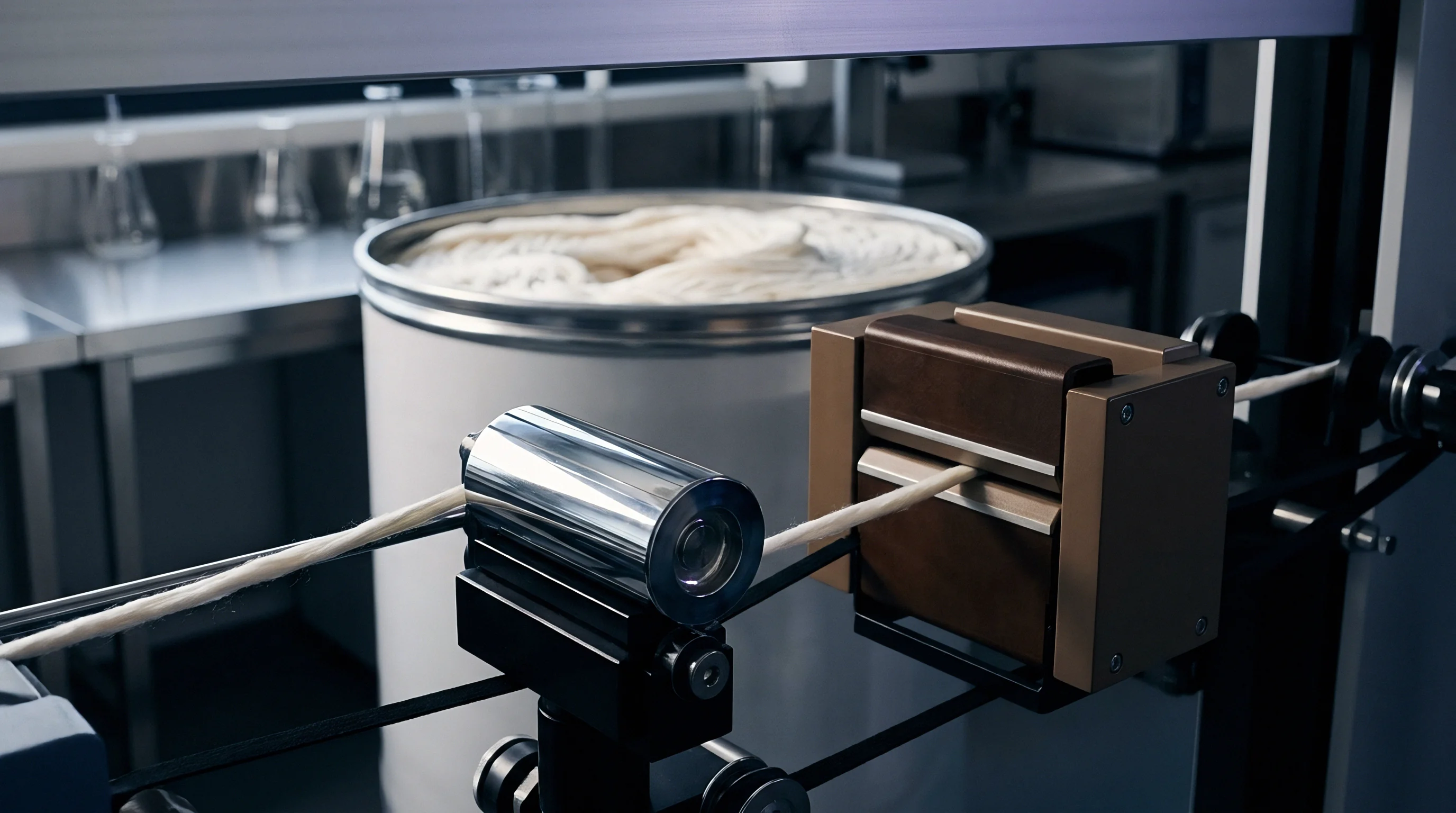
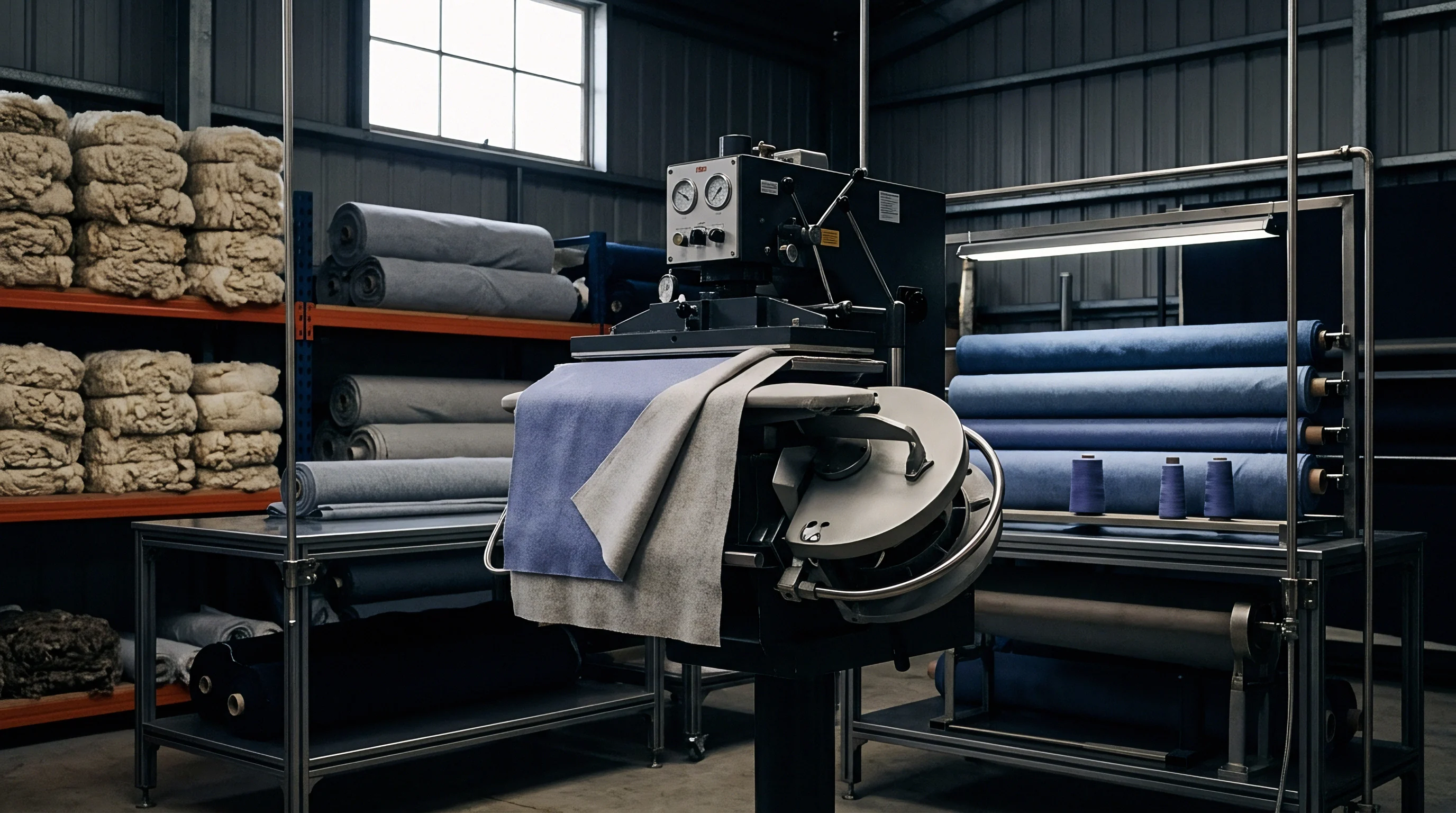
Thermal gradients inside a continuous industrial stenter determine whether synthetic microporous structures survive or fuse into impermeable film. Heating polyolefin, polyamide, or polyester webs across six to twelve individual heating compartments involves a continuous thermal transition rather than an instantaneous setpoint jump. The fabric web enters at ambient temperature, carrying residual moisture or carrier solvent from upstream dip tanks.
When the air impingement nozzles deliver heat too rapidly in initial chambers, surface skins melt while core microfibrils remain unrelaxed. Industrial finishing lines maintain specific ramping curves to balance solvent flash-off, crystal phase transition, and mechanical width retention.
Thermocouple logs from stenter air boxes often fail to reflect the actual temperature of the moving web. Web surface temperature lags drying chamber air by eight to twenty-five degrees Celsius during endothermic solvent volatilization. Once liquid clears the interstitial voids, polymer surface temperature snaps upward within seconds.
If chamber heating relies on single-loop feedback without optical pyrometry, the web overheats precisely as void spaces dry out. Microscopic pore channels collapse during this unbuffered thermal snap.
Web surface pyrometry reading below 142 degrees Celsius in zone three preserves fibrillar spacing before crystallization locks the matrix.
Synthetic filaments respond unevenly across their cross-section during rapid air-to-fabric energy transfer. Boundary layers of stagnant air reduce heat transfer rates at low nozzle velocities, while high velocities induce turbulent flutter that wrinkles unsupported membranes. Setting convective heat transfer coefficients between sixty and ninety Watts per square meter Kelvin provides predictable thermal transfer without mechanical disruption.
Progressive zone setpoints establish an orderly thermal ramp that prevents premature lamellar thickening.
Air velocity balance between upper and lower nozzle fields prevents flutter against pin chains. Imbalanced air delivery pushes lightweight webs off needle bars, creating edge tear-outs and width loss. Keeping nozzle pressure differentials below twelve Pascals eliminates web deformation across high-temperature chambers.
Stable running demands that line operators match convective air delivery to web mass rather than trusting ambient air readouts.

Morphology
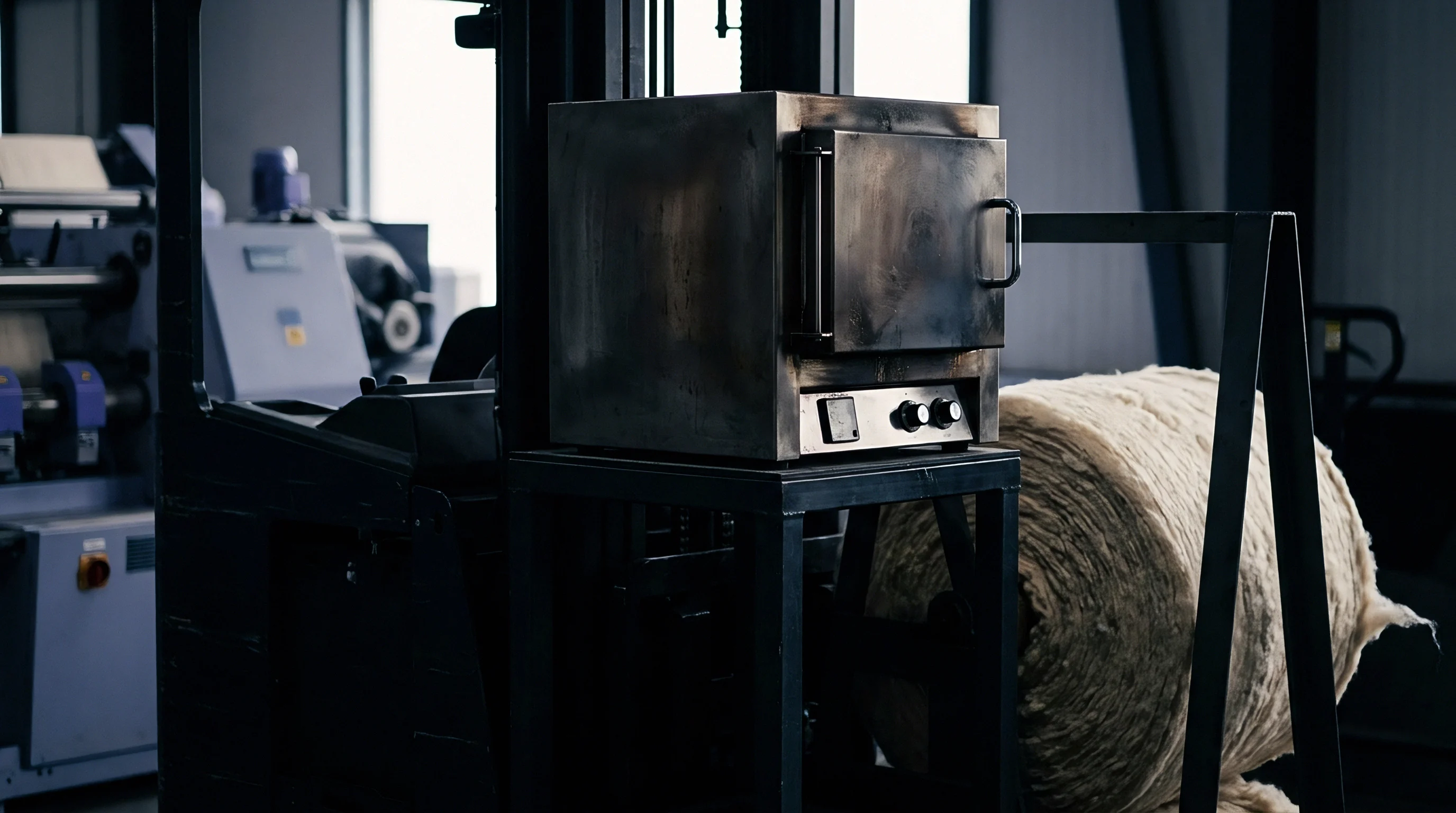
Semicrystalline synthetics reorganize their lamellar architecture under applied heat. Polypropylene, high-density polyethylene, and polyglycolic acid membranes rely on crystalline lamellae separated by amorphous tie chains. Heating past the polymer alpha-relaxation temperature mobilizes these amorphous segments.
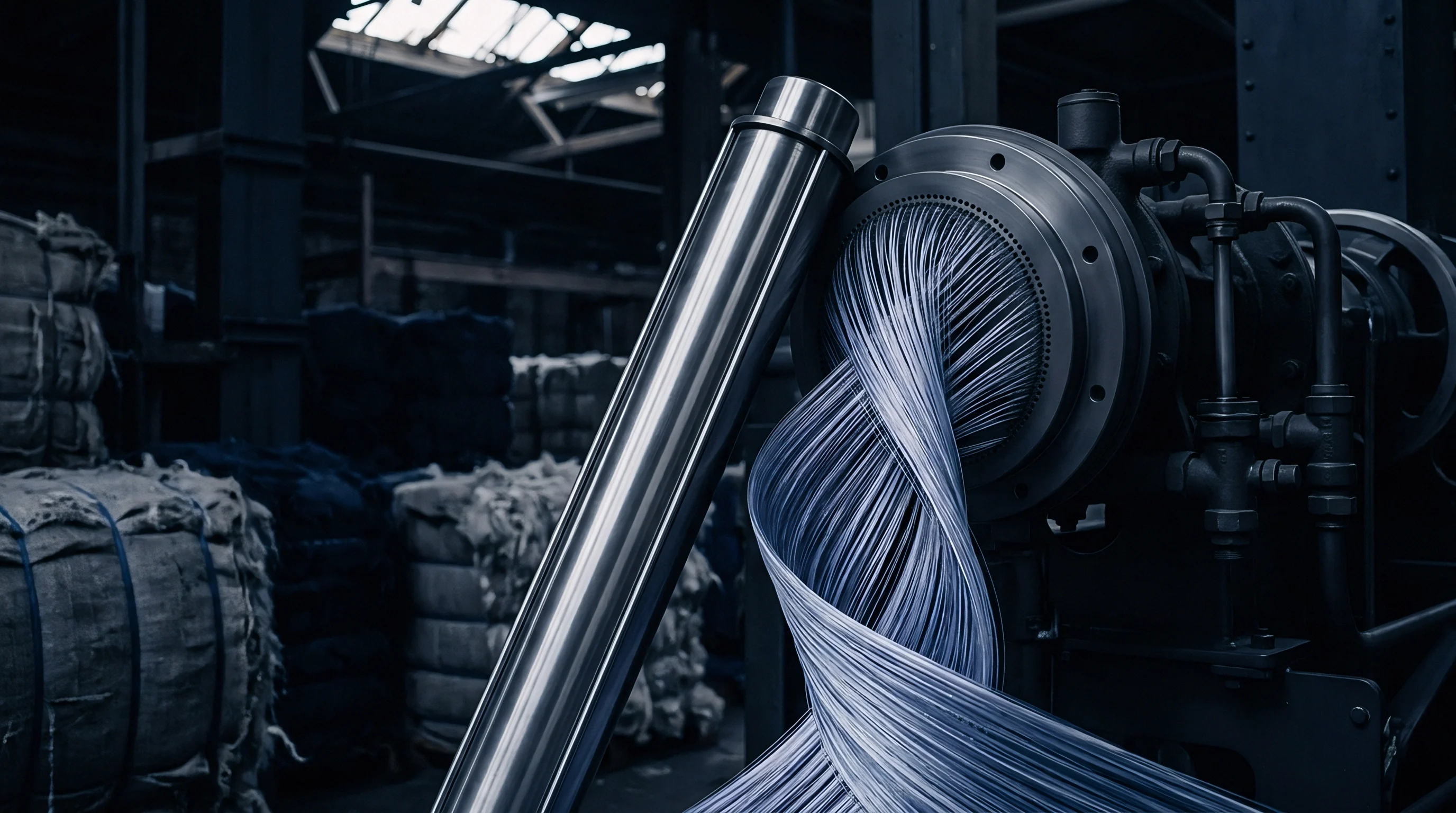
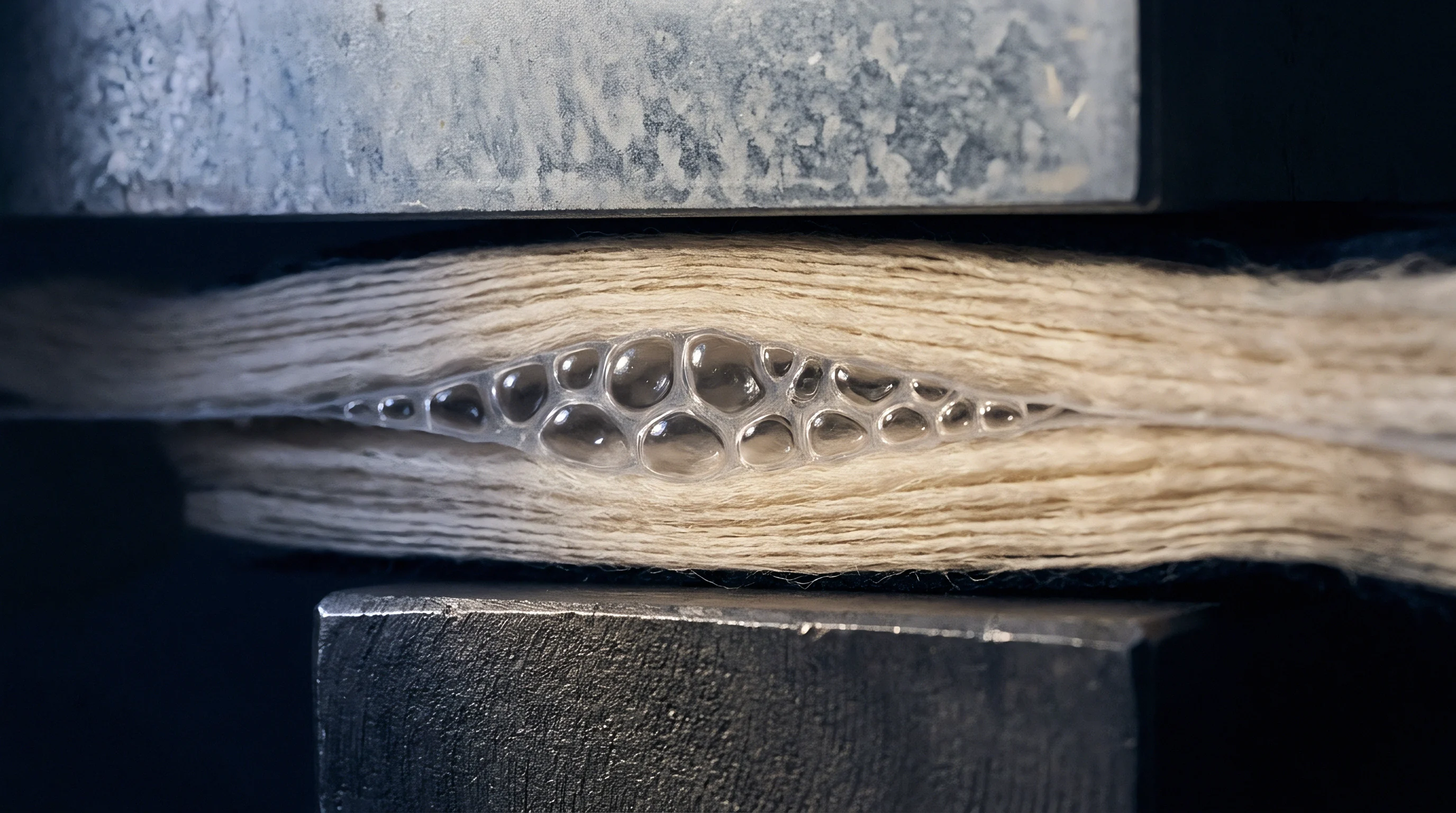
Without controlled thermal ramps, amorphous domains retract, drawing adjacent lamellae into contact. Capillary forces pull microfibrils together, sintering pores shut before downstream stabilization occurs.
Lamellar Thickening Mechanics
Crystalline lamellae grow thicker when exposed to prolonged thermal dwell. In stretched polytetrafluoroethylene and drawn polypropylene networks, fibrils span between nodes to define open micron-scale apertures. When thermal energy exceeds the activation energy for chain refolding, these fibrils thicken and shorten.
The void fraction drops precipitously as fibril diameter increases at the expense of inter-fibrillar distance.
| Polymer Base | Alpha Transition Temp (C) | Onset Melting Point (C) | Safe Stenter Window (C) | Mean Pore Diameter Shift (nm) |
|---|---|---|---|---|
| Polypropylene Homopolymer | 65 to 75 | 158 to 164 | 120 to 132 | 220 down to 145 |
| Nylon 66 Microfilament | 80 to 90 | 245 to 252 | 185 to 198 | 450 down to 380 |
| Polytetrafluoroethylene Node Matrix | 120 to 135 | 325 to 332 | 280 to 305 | 180 down to 165 |
| Polyethylene Terephthalate Membrane | 95 to 105 | 238 to 244 | 170 to 185 | 310 down to 210 |
Differential scanning calorimetry demonstrates how heating rates alter crystal distribution. Rapid thermal ramps skip subtle relaxation states, triggering sudden enthalpy recovery that produces uneven crystal melting. Slower ramps allow thermodynamic equilibration, yielding uniform crystallite size distributions that resist local collapse under pin tension.
Void Preservation Pathways
Retaining micro-void geometry requires precise manipulation of the crystallization window. Cooling synthetics from elevated processing temperatures sets their ultimate porosity. If the web exits the final stenter zone into ambient air without forced chilling, crystallization continues unchecked.
Slow ambient cooling encourages secondary crystallization across pore mouths, forming spherulites that plug permeable paths.
- Chilled Air Quenching stops crystal reorganization instantly as the fabric exits stenter pins.
- Nucleating Additive Blends increase crystallization rates at higher temperatures to freeze pore walls in place.
- Biaxial Mechanical Pinning holds inter-fibrillar distances rigid while polymer chains settle into crystal domains.
- Solvent Vapor Blanketing suppresses surface tension gradients that drive meniscus collapse in sub-micron openings.
Thermal stability improves when crystalline phase fractions exceed sixty percent. Polymer chains locked into dense crystallites resist thermal motion during subsequent dyeing or lamination passes. The amorphous fraction remains susceptible to plastic flow whenever processing temperatures cross glass transition thresholds.
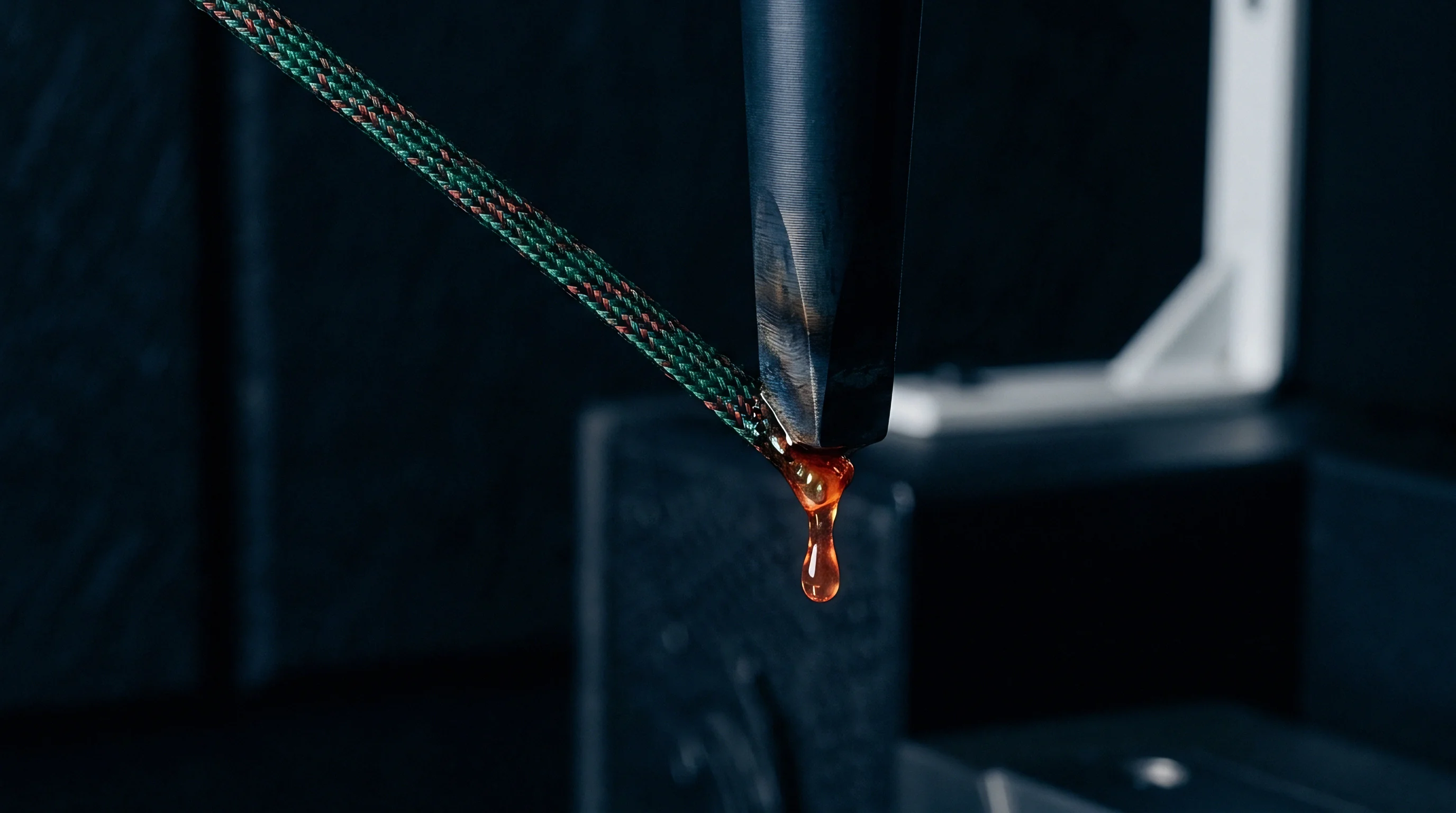
Spin finish oils and yarn lubricants migrate rapidly during heating. These organic compounds gather inside micropores through capillary suction. When stenter exhaust blowers draw volatilized finish oils out of the chamber, oil residues can bake into solid crusts within narrow apertures.
Solvent-extracted samples consistently demonstrate higher retained porosity than unwashed goods processed through identical stenter temperature programs.
Draft
Mechanical tension along both axes counteracts thermal shrinkage forces. As fabrics pass from zone to zone, mechanical rails spread or converge to impose defined cross-web strains. Stenter chains equipped with pin plates or spring clips grip fabric selvages securely.
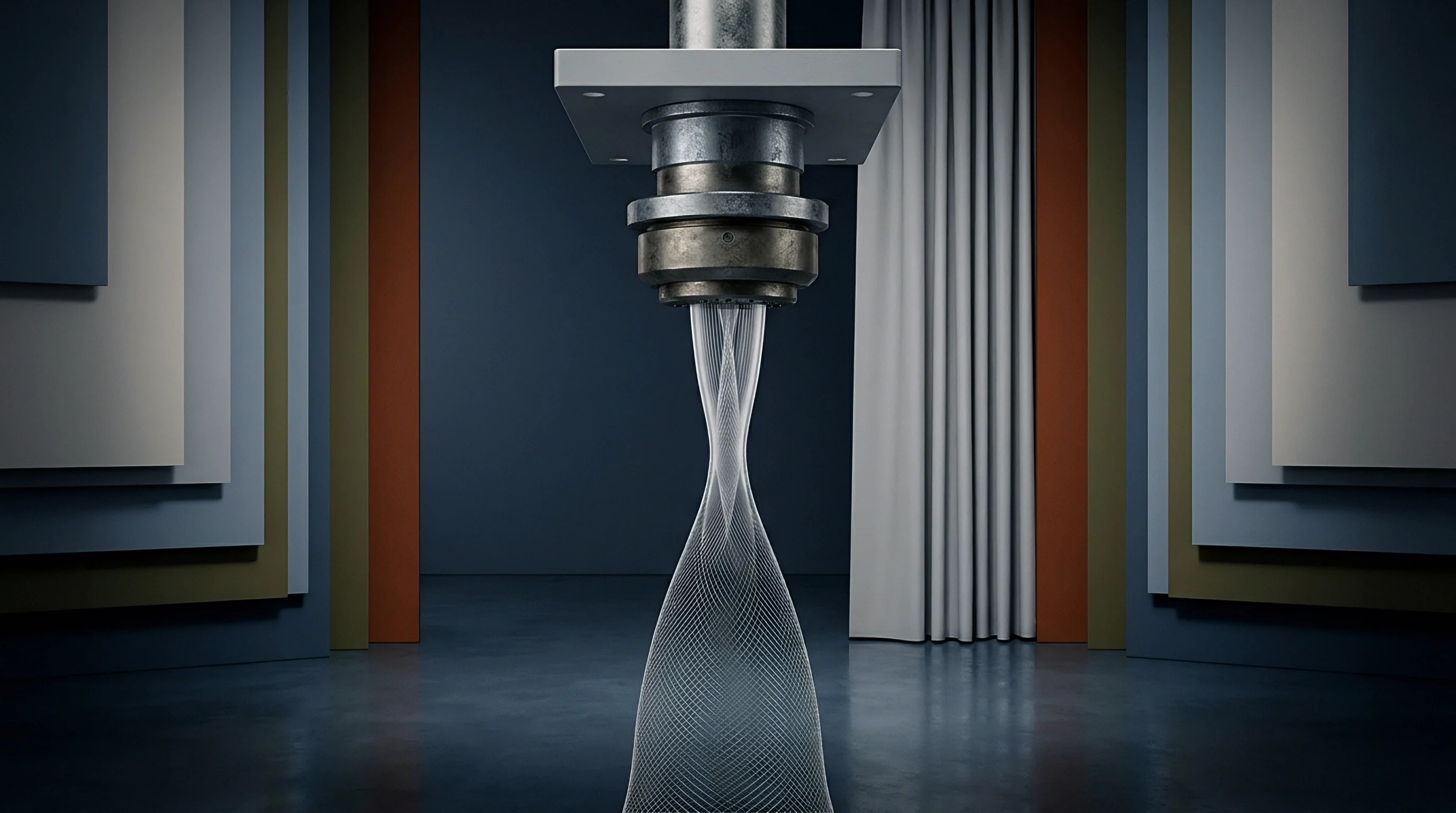
Machine direction tension arises from differential roll speeds between the entry foulard, the pin chain drive, and the cooling exit pull rolls. Imposing controlled mechanical draft stretches amorphous polymer chains, aligning them into fibrillar ribbons that bridge open pores.
Overfeed controls the longitudinal yarn relaxation during transverse expansion. Running positive overfeed of two to five percent permits yarns to bulk without bowing or selvage scalloping. Negative overfeed stretches the fabric longitudinally, flattening pore cross-sections into elongated slits.
This directional deformation reduces fluid transmission across the thickness while boosting tensile strength along the machine axis.
ISO 9237 air permeability drops sixty percent when transverse pin rail divergence exceeds eight percent inside the softening zone.
Excessive clip rail divergence tears delicate web membranes. When thermal softening coincides with high transverse draw ratios, local stress concentrations pull weak nodes apart. Pin holes at the selvages stretch into tears that run inward toward the center, ruining whole roll yardages.
Chain track alignment demands continuous electronic monitoring. Thermal expansion changes rail geometry across forty-meter stenter frames. Rails expand longitudinally under sustained two-hundred-degree heat, altering mechanical divergence angles.
Uncompensated rail expansion creates uneven lateral tension, yielding porosity variations of thirty percent between roll center and selvage edges.
Tensile stress fields interact directly with thermal crystal formation. Drawing fibers during the crystalline relaxation phase induces stress-induced crystallization. This physical mechanism forms new crystallites oriented along the draw axis, stabilizing porous geometry against subsequent shrinkage.
Releasing tension while the web remains above its glass transition temperature allows rapid thermal contraction that erases void volume entirely.
Unequal mechanical loading generates localized fiber necking, producing uneven bubble-point readings that cause entire production lots to fail regulatory particle-filtration thresholds.
Permeance
Verification of retained open volume depends on standardized physical testing. Capillary flow porometry measures bubble point and mean flow pore size according to ASTM F316. The testing instrument saturates sample pores with wetting fluid before applying controlled gas pressure.
Gas displaces fluid from largest pores first, yielding a pressure-flow curve that reveals the entire pore size distribution. Air permeability testing per ISO 9237 and ASTM D737 supplements porometry by quantifying volume flux under fixed differential pressure.
Instrument Performance Comparison
Laboratories evaluate synthetic barrier media using distinct test protocols. Differing pressures, test fluids, and sample clamping mechanisms yield non-interchangeable numerical values. Sourcing dossiers specify precise methods and test conditions to prevent border compliance disputes.
| Standard Designation | Measurement Target | Operating Pressure Range | Reporting Metric | Typical Detection Limit |
|---|---|---|---|---|
| ASTM F316 | Pore Diameter Distribution | 0.1 to 6.8 bar gas | Microns (bubble point) | 0.05 to 50 microns |
| ISO 9237 | Air Flow Velocity | 50 to 500 Pa pressure drop | Millimeters per second | 0.1 mm/s at 100 Pa |
| ASTM D737 | Volumetric Air Flow | 125 Pa standard drop | Cubic feet per minute | 0.01 cfm per sq foot |
| ISO 11092 | Water Vapor Resistance | Isothermal steady state | Square meters Pa per Watt | 0.5 Ret units |
| All instruments operate under standard atmospheric conditions of 20 C and 65 percent relative humidity. | ||||
Sample clamping pressure alters thin membrane porosity during bench evaluation. Compressing compressible nonwoven layers beneath rubber clamp seals crushes porous structures along test margins, introducing edge leakage. Guard rings and calibrated torque clamps eliminate sample pinching errors.
Conformity Inspection Sequences
Auditors follow structured physical verification steps during mill qualification runs.
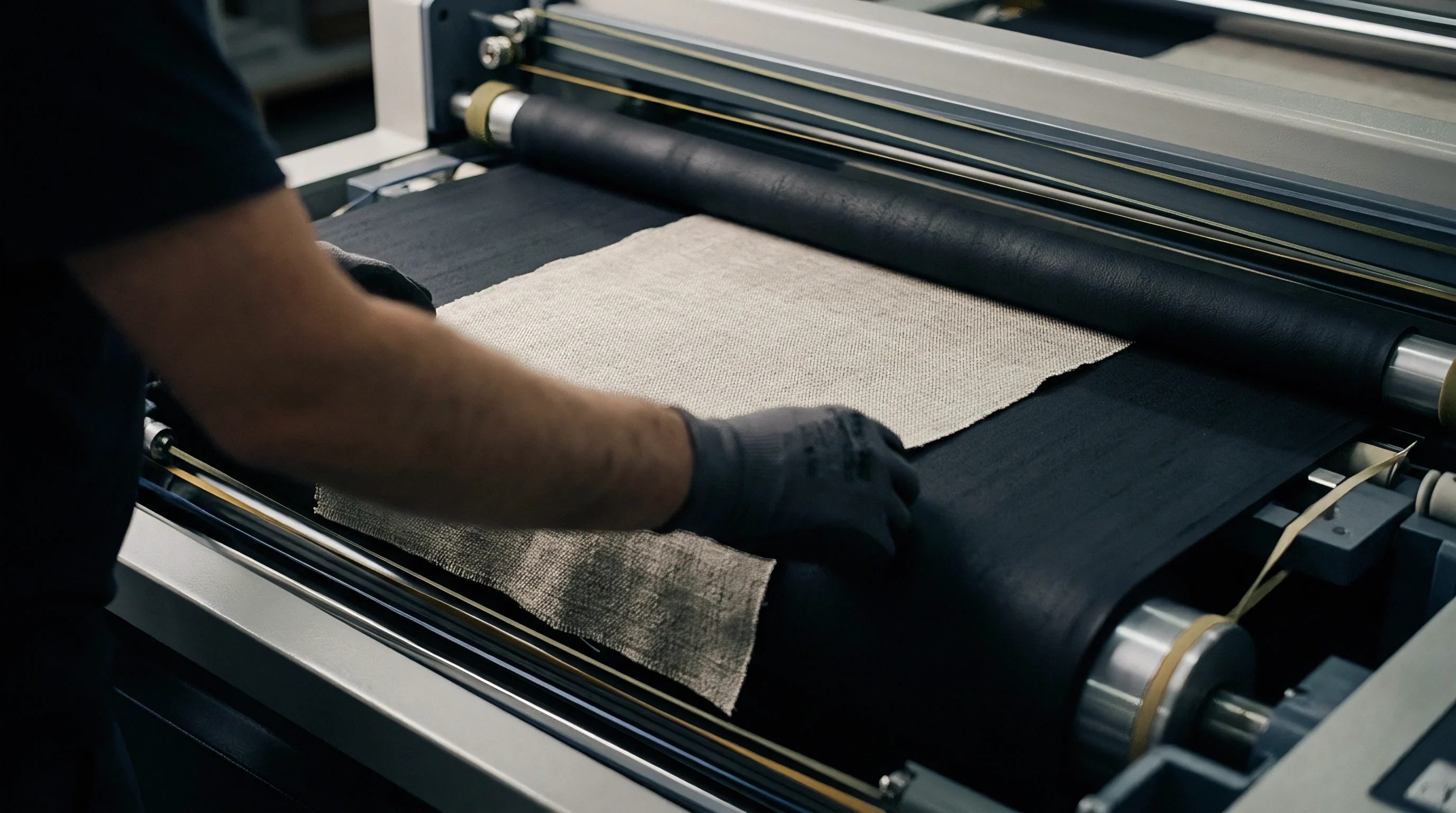
- Cut thirty-centimeter square swatches across the full usable web width, excluding five centimeters adjacent to pin selvages.
- Equilibrate test specimens inside a conditioning room at twenty degrees Celsius and sixty-five percent relative humidity for four hours.
- Check baseline thickness using a low-load digital micrometer applying precisely two kiloPascals of pressure.
- Mount the pre-wetted specimen in the capillary flow chamber and run an automated dry-up wet-up gas displacement cycle.
- Calculate Gurley air resistance values using calibrated orifice plates to cross-check liquid displacement numbers.
Transaction certificates under OEKO-TEX Standard 100 Annex 6 or GOTS Version 7.0 restrict process inputs but remain silent on physical void retention. A buyer holding a valid chemical certification can still receive impermeable cloth if stenter heat ramps collapsed the matrix. Integrating physical pore metrics directly into technical specification sheets bridges the gap between chemical safety and functional performance.
A laboratory report dated prior to stenter ramp calibration fails to establish conformity for finished goods.
Purchase contracts incorporating ASTM D737 performance clauses allow buyers to debit suppliers immediately when delivered air flow rates fall below five cubic feet per minute per square foot.
Margin
Economic yield hinges on the narrow gap between thermal setting and pore fusion. Running stenter frames at conservative temperatures prevents void collapse, but leaves fabric dimensional stability inadequate. Fabrics that shrink more than three percent during garment washing face immediate commercial rejection.
Mills run stenter zones near the polymer softening boundary to maximize throughput speeds. A two-degree elevation in oven temperature can compromise porosity, while a five-meter-per-minute line speed increase risks incomplete heat setting.
Worked Economic Assessment of Off-Spec Heat Setting
Evaluating commercial outcomes requires clear baseline assumptions. Consider a finishing facility processing a thirty-thousand-meter lot of micro-denier polyamide filtration web. The contract specifies minimum air permeability of two hundred millimeters per second at one hundred Pascals under ISO 9237, alongside dimensional washing shrinkage below two percent under ISO 6330.
Baseline lot assumptions establish production exposure:
- Total Lot Volume reaches thirty thousand linear meters at 1.6 meters finished width.
- Raw Web Cost represents four dollars and twenty cents per linear meter.
- Finishing Conversion Price adds seventy-five cents per linear meter for stenter passes.
- Defect Discovery Stage occurs at destination port customs inspection via independent laboratory testing.
Process drift in stenter zones six and seven elevates web temperatures from one hundred ninety-two to one hundred ninety-eight degrees Celsius. This six-degree error triggers microfibrillar fusion across sixty percent of the production yardage. Air permeability collapses to forty-eight millimeters per second, violating the contractual specification threshold.
Financial liabilities accumulate through distinct cost drivers:
- Fabric Scrappage writes off eighteen thousand meters of ruined cloth, totaling seventy-five thousand six hundred dollars in lost substrate.
- Unrecoverable Finishing Fees forfeit thirteen thousand five hundred dollars in processing expenditure.
- Retesting and Quarantine Costs consume four thousand eight hundred dollars for accredited laboratory verification and bonded warehouse storage.
- Late Delivery Penalties assess one percent per week against the total contract value of one hundred forty-eight thousand five hundred dollars.
Total direct loss reaches ninety-five thousand four hundred dollars on a single production lot. This exposure excludes client substitution costs and customs dispute counsel fees. Implementing automated closed-loop pyrometer control adds fifteen thousand dollars per stenter frame, an expenditure recouped by averting a single thermal setting failure.
Sourcing teams must resolve how to verify ongoing thermal ramp conformity when sub-tier finishing mills run proprietary stenter chamber configurations without sharing real-time machine logs.