International Standard
Standard test methods using a sweating guarded hot plate measure the thermal and water-vapor resistance of textile materials under steady-state conditions. The methodology detailed in ISO 11092 simulates the heat transfer and mass transfer processes that occur next to human skin, making it a critical benchmark for evaluating technical fabrics and high-performance garments. This testing is conducted in a specialized chamber where temperature, humidity, and air velocity are precisely controlled to ensure high reproducibility.
Measurement Apparatus
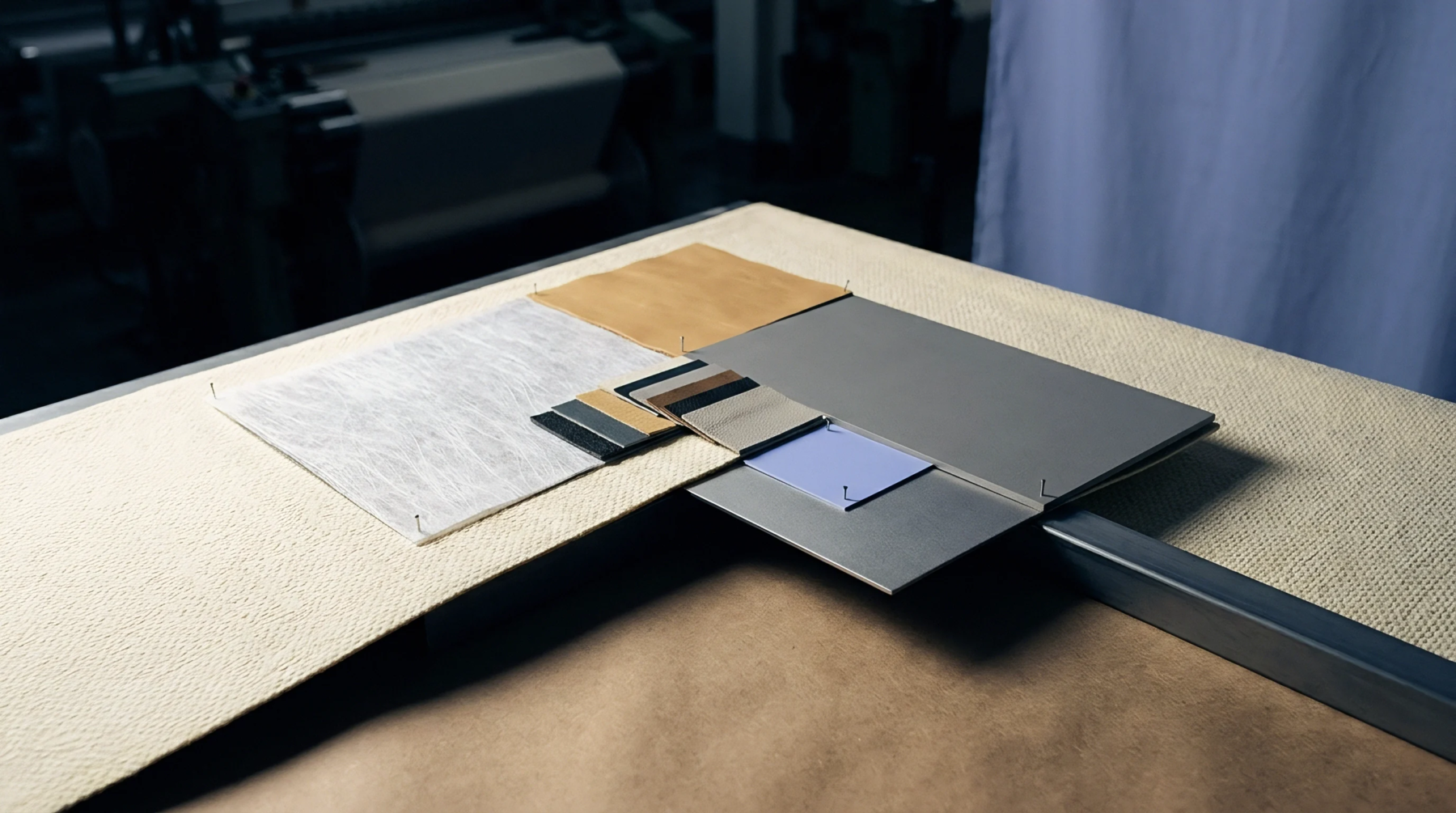
The laboratory apparatus consists of a heated porous test plate covered by a vapor-permeable membrane and surrounded by a thermal guard ring. Technicians feed water to the heated plate to simulate perspiration, and the energy required to maintain a constant plate temperature of thirty-five degrees Celsius is recorded. When a fabric specimen is placed on this plate, its resistance to the passage of water vapor is determined by measuring the electrical power needed to keep the plate temperature stable.
Calculation Principle
The output is expressed as thermal resistance or water-vapor resistance, providing quantitative values that describe the insulation and breathability of the tested material.
Practical Application
Garment brands specify water-vapor resistance limits according to ISO 11092 to classify protective apparel for outdoor use, firefighting, or industrial work. Lower resistance values correspond to higher breathability, which helps to reduce heat stress and sweat accumulation during intensive physical activities. Manufacturers use these values to select the appropriate laminate or membrane for technical shell jackets, ensuring that the finished product meets the necessary breathability category for its intended market.
This laboratory metric provides the foundation for modern comfort performance standards in technical garments.